English
 中文简体
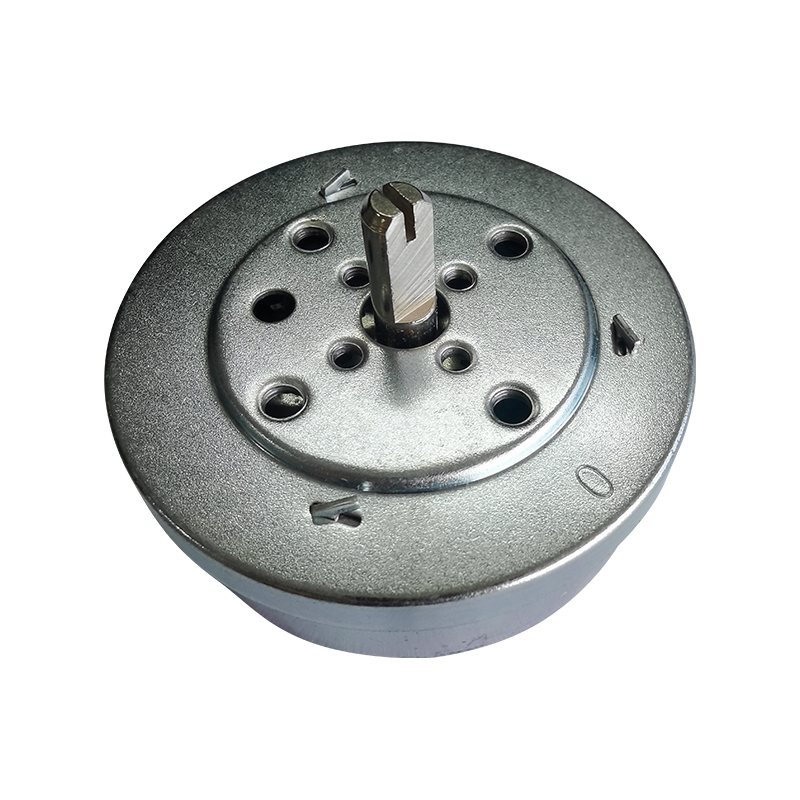
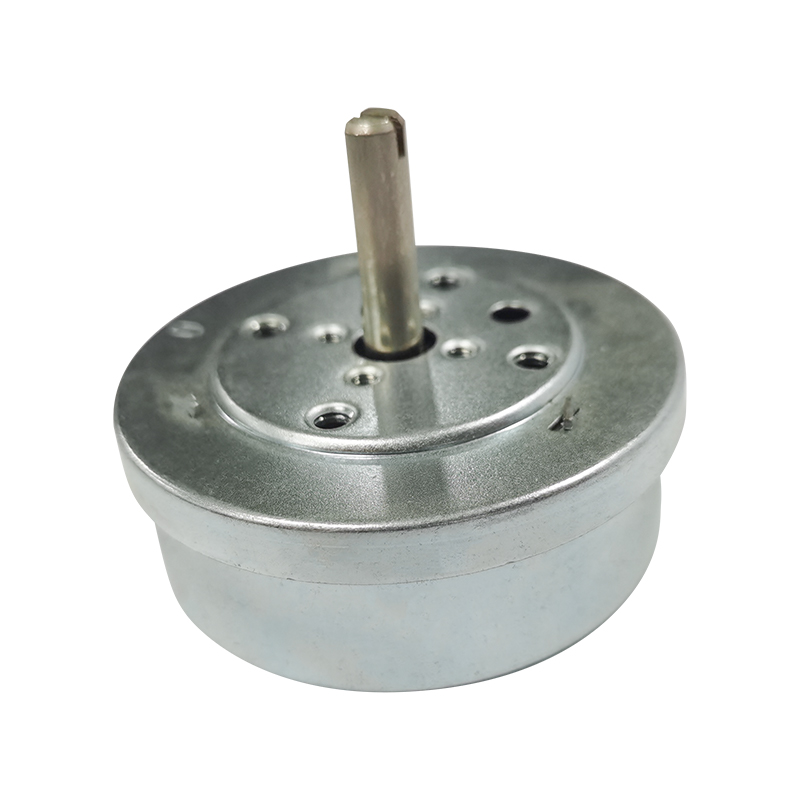
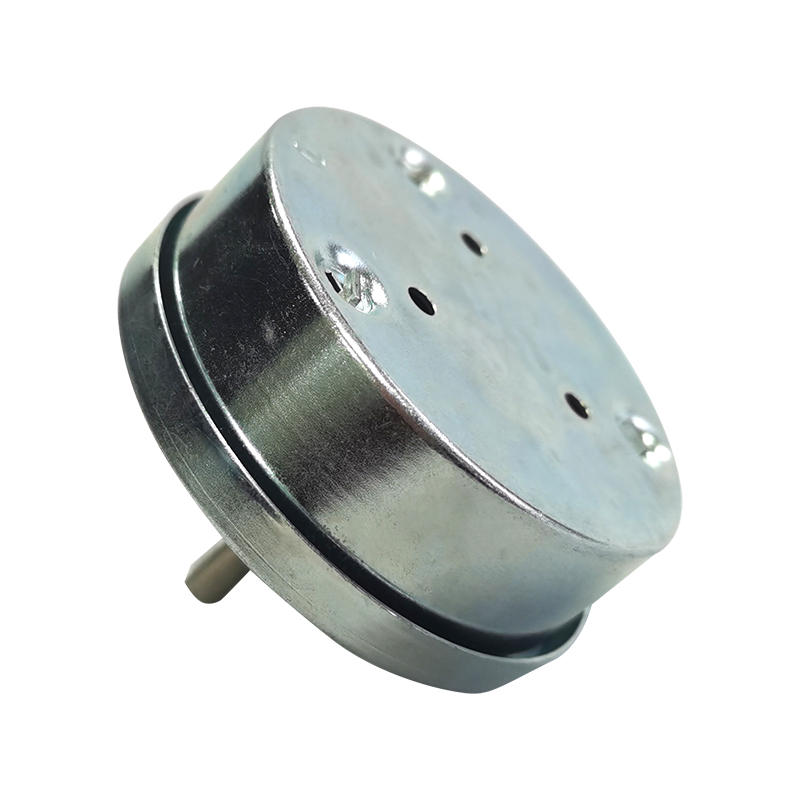
中文简体Metal mechanical timer by manual SL 1-120min CE
Cat:SL-X series regular timer
Time setting: 15', 20', 30', 60', 100',120', 180' or customized (1-180min timer range)Applicable: Microwave/Oven/Electric Pressure Cooker/Kitchen Mach...
See Details


When sourcing components for egg steamers and similar kitchen appliances, the choice of timer technology has a direct impact on user experience and product quality. A bell-free mechanical timer eliminates the disruptive buzzing or ringing noise found in traditional models, replacing end-of-cycle alerts with a quiet cutoff mechanism. The Shalong SL series 15-minute metal mechanical timer exemplifies this approach — built for egg steamers, rice cookers, and other countertop kitchen appliances where silent, reliable timing is essential. With a configurable time range of 1 to 180 minutes, a rated contact capacity of AC 250V/15A, and a service life exceeding 10,000 self-walking cycles, this egg steamer timer is engineered for long-term OEM and wholesale deployment. This article examines why bell-free mechanical timers outperform alternatives and what makes metal construction the standard for professional kitchen appliance manufacturers.
Content
A bell-free mechanical timer is a spring-wound, gear-driven timing device that cuts power to an appliance at the end of a set cycle without triggering an audible bell or buzzer. Unlike conventional kitchen timers that include a bell cam and striker mechanism, the bell-free variant omits these components entirely, relying instead on a direct contact switch to interrupt the circuit. This is especially important in product categories like egg steamers, where the cooking cycle is short (typically 5–15 minutes) and users often remain nearby — making a loud alert unnecessary and annoying.
The core components of a metal mechanical timer include a wound torsion spring (the energy source), a gear train that governs countdown speed, a cam assembly that controls contact switching, and the electrical contacts themselves. When the operator rotates the shaft to a set position, the spring is tensioned. As it unwinds through the gear train, it drives the cam to a cutoff point where the normally-closed contacts open, interrupting current to the heating element. The entire process requires no battery, no digital circuit, and no external power — making it intrinsically reliable even in high-humidity or high-temperature kitchen environments.
| Parameter | Specification |
|---|---|
| Time Setting Range | 1–180 min (15, 20, 30, 60, 100, 120, 180 min standard) |
| Contact Capacity | AC 120V/15A; AC 250V/15A |
| Working Temperature | -10°C to +125°C |
| Working Angle | 270°±5° / 315°±5° or customized |
| Operating Direction | Counterclockwise |
| Insulation Resistance | 1500V/1min; DC 500V megohmmeter |
| Voltage Resistance | AC 1800V/0.5A for 1 minute |
| Service Life | ≥10,000 self-walking cycles at 6 cycles/min |
| Operating Torque | 1.0–4.0 kgf·cm |
| Time Tolerance | ±5% (270°) to ±6% or customized |
| Shaft Handle Options | Horizontal pin / flat shaft / customized |
The decision between a metal mechanical timer and a plastic-housed alternative is not cosmetic — it directly determines thermal performance, durability, and electrical safety. Egg steamers operate with steam at or near 100°C, and internal component temperatures can exceed ambient levels significantly. A high-temperature-resistant metal timer rated to +125°C provides a meaningful thermal margin that plastic housings cannot match. Metal die-cast frames also maintain dimensional stability under repeated thermal cycling, preventing gear misalignment that degrades timing accuracy over time.
From an electrical standpoint, the metal enclosure provides inherent shielding against EMI generated by heating elements and motor windings in adjacent appliances. The silver-alloy contact materials used in professional-grade kitchen appliance timers resist arc erosion over thousands of switching cycles. Shalong's production process uses independently developed small-modulus hobbing machines and automated processing equipment, ensuring gear tooth profiles meet tolerances that mass-market suppliers cannot achieve with standard tooling. This is a core reason why mechanical timer wholesale buyers at the OEM level consistently specify metal-bodied units over lower-cost alternatives.
Metal vs. Plastic Timer: Performance Comparison (Score out of 100)
This horizontal bar chart compares metal and plastic-housed timers across five critical performance dimensions scored out of 100. Metal timers consistently outperform plastic alternatives in every category, particularly in maximum temperature rating (93 vs. 55) and EMI resistance (90 vs. 45). The service life gap — 85 vs. 50 — reflects the superior wear resistance of metal gear trains under repeated cycling. Timing accuracy and dimensional stability scores also favor metal construction, confirming why professional kitchen appliance timer manufacturers specify metal enclosures for demanding applications. These differences compound over the product lifecycle: an egg steamer used twice daily for three years accumulates over 2,000 operating cycles, where metal timers maintain performance while plastic variants may drift or fail prematurely.
One of the most commercially significant features of the Shalong SL series is its configurable timing range. The standard lineup covers 15-minute, 20-minute, 30-minute, 60-minute, 100-minute, 120-minute, and 180-minute configurations, with fully customized intervals available from 1 to 180 minutes. This means a single supplier relationship can cover multiple SKUs across an appliance manufacturer's product portfolio — from a compact egg steamer timer set to 15 minutes, to a pressure cooker timer running 60 or 90 minutes, to a slow-cooker variant at 120 or 180 minutes.
The working angle — either 270°±5° or 315°±5° — determines the angular resolution of the time scale printed on the knob faceplate. A 270° sweep across 60 minutes gives 4.5° per minute, while a 315° sweep provides 5.25° per minute, enabling finer user adjustments on longer-range models. OEM customers can specify shaft handle type (horizontal pin or flat shaft), working angle, time range, and contact configuration as part of a custom mechanical timer order. This level of configurability is rarely available from mass-market distributors but is standard practice for a direct mechanical timer manufacturer with in-house tooling.
Timing Tolerance (%) Across Standard Time Settings
This line chart plots timing tolerance (expressed as a percentage of the set time) across the seven standard time settings of the Shalong SL series. The curve reveals that tolerance is tightest at the 60-minute setting (5.0%), where the gear train operates at its optimal mechanical advantage, and slightly wider at the extremes of the range (5.8–5.9%). For a 15-minute egg steamer application, a 5.8% tolerance translates to approximately ±52 seconds — well within acceptable limits for steam cooking. These figures are achieved using precision-hobbed gears manufactured on Shalong's proprietary small-modulus hobbing equipment, which maintains tooth profile tolerances that directly govern the accuracy of the timing output. The consistency of the tolerance curve across the full range confirms that this 15 minute mechanical timer and its longer-range counterparts share the same high-quality gear train architecture.
The egg steamer timer is the most commonly searched application for this product class, but it represents only a fraction of the total market for kitchen appliance timer components. The Shalong SL series is rated for and actively deployed in microwave ovens, electric pressure cookers, countertop ovens, rice cookers, sterilizers, and kitchen machines. The AC 250V/15A contact rating is sufficient for residential heating elements up to 3,750W, covering the vast majority of countertop appliances sold globally.
From a procurement standpoint, specifying a single timer platform across multiple product lines reduces tooling costs, simplifies incoming inspection, and consolidates supplier management. An appliance manufacturer offering both a 15-minute egg steamer and a 60-minute electric pressure cooker can source both timers from the same Shalong platform, with only the cam/gear ratio changed between variants. This supply chain consolidation is a significant operational advantage when sourcing from a direct appliance timer manufacturer rather than through a distributor.
Estimated Share of Mechanical Timer Demand by Appliance Segment (%)
This column chart illustrates the estimated distribution of mechanical timer demand across six kitchen appliance segments. Egg steamers account for the largest single segment at approximately 28%, driven by the global growth of convenient countertop cooking appliances in Asian and European markets. Microwave and countertop ovens represent the second-largest segment at 22%, where timers must tolerate the high-frequency electromagnetic environment inside oven cavities — a demand well met by metal-enclosure designs. Pressure cookers and rice cookers together account for approximately 32% of demand, requiring longer time ranges (30–120 minutes) that the SL series supports natively. Sterilizers and other appliances make up the remaining 18%, highlighting the breadth of the addressable market for a versatile mechanical timer supplier with customizable configurations.
For appliance manufacturers evaluating a mechanical timer supplier, the decision criteria extend well beyond unit price. Lead time consistency, tooling ownership, quality system certification, and the ability to support product development with engineering resources are all critical factors. Shalong operates over 1,000 sets of R&D, production, and inspection equipment at its Jingjiang facility, and its engineering team of over 80 technical personnel can support custom timer development from specification through validation.
For OEM mechanical timer projects, Shalong's in-house tooling capability is a decisive advantage. The high-speed continuous stamping molds and small-modulus hobbing machines used in production are proprietary — meaning Shalong controls its own tooling lead times and can modify designs without depending on external tool shops. This is particularly relevant for custom mechanical timer orders that require non-standard shaft dimensions, unusual contact configurations, or time ranges outside the standard lineup. Buyers seeking mechanical timer wholesale volumes benefit from competitive per-unit costs at scale, while retaining access to full engineering support.
| Parameter | Standard Options | Custom Available |
|---|---|---|
| Time Range | 15, 20, 30, 60, 100, 120, 180 min | 1–180 min, any interval |
| Working Angle | 270°±5°, 315°±5° | Custom sweep angle |
| Shaft Handle | Horizontal pin, flat shaft | Custom profile |
| Contact Voltage | 120V/15A, 250V/15A | Per project requirement |
| Time Tolerance | ±5% (270°), ±6% | Tighter tolerance on request |
| Bell Configuration | Bell-free (standard) | With bell (optional) |
Supplier Capability Radar: Direct Manufacturer vs. Distributor
This radar chart compares a direct manufacturer (Shalong) against a typical distributor across six procurement evaluation criteria. The manufacturer profile is significantly larger in all dimensions, particularly in custom capability (95 vs. 40) and technical support (90 vs. 50) — two factors that are decisive when sourcing OEM mechanical timer components. Price competitiveness favors the manufacturer at 88 vs. 65, reflecting the elimination of distributor margin. Quality assurance scores are higher for direct manufacturers because they control the entire production process, from raw material to final inspection. MOQ flexibility is also better at the manufacturer level (80 vs. 70) for established long-term partners. The distributor's only meaningful advantage — not shown here — is catalog breadth, which is irrelevant when a buyer has a defined timer specification.
A bell-free mechanical timer destined for household appliances must meet electrical safety standards in the target market. For products sold in North America, UL recognition of the component is typically required. For European markets, compliance with the Low Voltage Directive and CE marking applies. Shalong's products are produced under a quality management system and the company has been recognized as a high-tech enterprise, maintaining certifications that support compliance across these regulatory frameworks. The company's role as a drafting unit for Chinese industry standards in this product category reflects a deeper-than-average engagement with the technical requirements that govern timer performance.
The insulation and voltage resistance specifications of the SL series — 1500V/1min insulation resistance and AC 1800V/0.5A dielectric strength — provide a significant margin above the operating voltage. This margin is not accidental; it reflects the design philosophy of building timers that remain safe even under fault conditions such as voltage transients from switching loads or nearby lightning strikes. For a kitchen appliance timer installed in a product that will be used near water and steam, this safety margin is a non-negotiable design requirement.
Cumulative Defect Rate (ppm) vs. Operating Cycles — SL Series vs. Industry Average
This line chart tracks cumulative defect rates (in parts per million) against operating cycles for the Shalong SL series compared to the broader industry average. At 10,000 cycles — the rated service life — the SL series maintains a cumulative defect rate below 110 ppm, while the industry average approaches 820 ppm at the same cycle count. This more than 7× performance advantage is attributable to Shalong's proprietary gear hobbing process and its use of high-quality contact alloys that resist arc erosion over time. The near-flat SL series curve indicates a very low steady-state failure rate, meaning most SL timers that pass initial inspection will complete their rated service life without failure. For OEM appliance manufacturers, this translates directly into lower warranty claim rates and reduced after-sales service costs — a substantial commercial benefit that justifies sourcing from a premium mechanical timer manufacturer.
JIANGSU SHALONG MECHANICAL & ELECTRICAL TECHNOLOGY CO., LTD. was founded in 1991 and is a professional manufacturer of high-temperature-resistant metal mechanical timers and a drafting unit of industry standards. With over 30 years of continuous practical accumulation and technological innovation, the company has established itself as a high-tech enterprise specializing in the research, development, production, and sales of mechanical timers and household appliance circuit board products.
The company is located on the bank of the Yangtze River, in Jingjiang Economic and Technological Park. With a registered capital of 28 million yuan, over 40,000 square meters of self-built factory buildings, over 1,000 sets of various R&D, production, and inspection equipment, and over 800 employees — including over 80 engineering and technical personnel — Shalong possesses strong mechanical design, processing, and manufacturing capabilities.
The small-modulus hobbing machines, automated processing equipment, and high-speed continuous stamping molds used in the production of timers are all independently developed and manufactured by Shalong, with several technical patents. This proprietary production infrastructure, combined with a full suite of advanced testing equipment, fully guarantees the high quality, high performance, and high stability of Shalong products. The company has established long-term cooperative relationships with well-known appliance manufacturers and exports products to South Korea, Turkey, Brazil, Saudi Arabia, Egypt, and other overseas markets.
Q1: What does "bell-free" mean in a mechanical timer, and why does it matter for egg steamers?
A bell-free timer omits the spring-loaded bell cam and striker mechanism found in traditional kitchen timers, so the end-of-cycle signal is a silent power cutoff rather than a ringing sound. For egg steamers — used in open-plan kitchens and early-morning cooking scenarios — the absence of a bell improves the user experience without affecting timing function or safety.
Q2: Can the SL series timer be customized for time ranges other than 15 minutes?
Yes. The SL series supports any time range from 1 to 180 minutes. Standard configurations include 15, 20, 30, 60, 100, 120, and 180 minutes, with the working angle (270° or 315°), shaft type, and contact voltage all configurable for OEM projects. Custom time ranges are available with no minimum tooling changes for existing platform variants.
Q3: What is the rated service life of the Shalong SL series mechanical timer?
The SL series is rated for a minimum of 10,000 self-walking cycles at 6 cycles per minute. For a typical egg steamer used twice daily, this equates to approximately 13–14 years of expected service life, well beyond the commercial lifespan of the appliance itself.
Q4: What voltage and current ratings are available, and are they suitable for international markets?
The SL series is available in both AC 120V/15A (North American market) and AC 250V/15A (European and most international markets) contact ratings. Both variants are produced on the same platform and can be specified at the time of order, making the SL series suitable for global OEM appliance programs without design changes.
Q5: Does Shalong support OEM labeling and custom packaging for wholesale orders?
Yes. Shalong supports OEM custom labeling, custom shaft and contact configurations, and custom packaging for wholesale and long-term supply agreements. Engineering documentation, test reports, and material declarations are available to support product certification in target markets. Buyers should contact Shalong's sales engineering team with their specification requirements to receive a formal quotation and sample lead time.
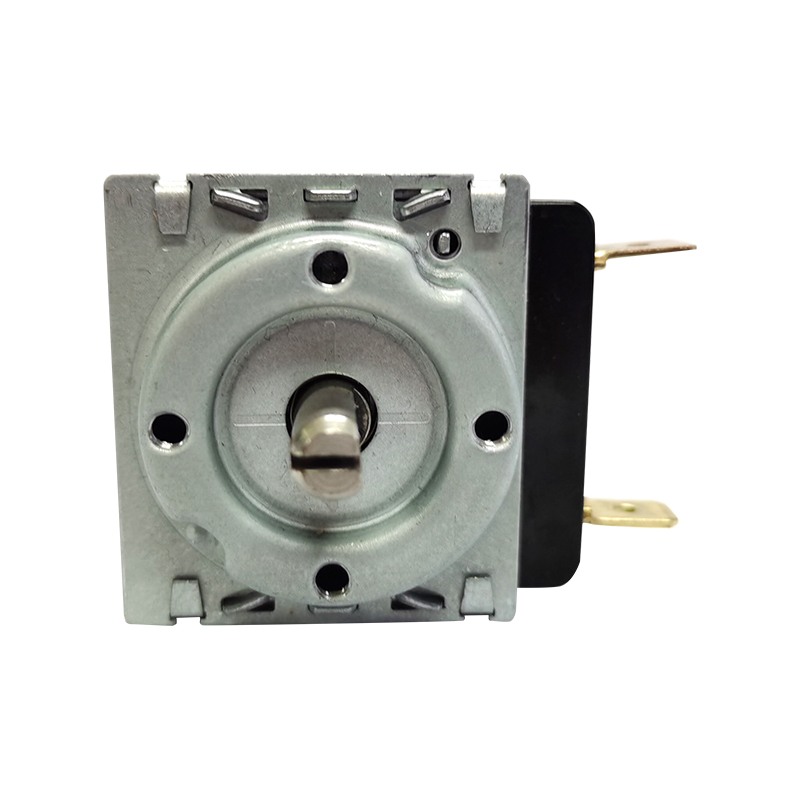
Time setting: 15', 20', 30', 60', 100',120', 180' or customized (1-180min timer range)Applicable: Microwave/Oven/Electric Pressure Cooker/Kitchen Mach...
See Details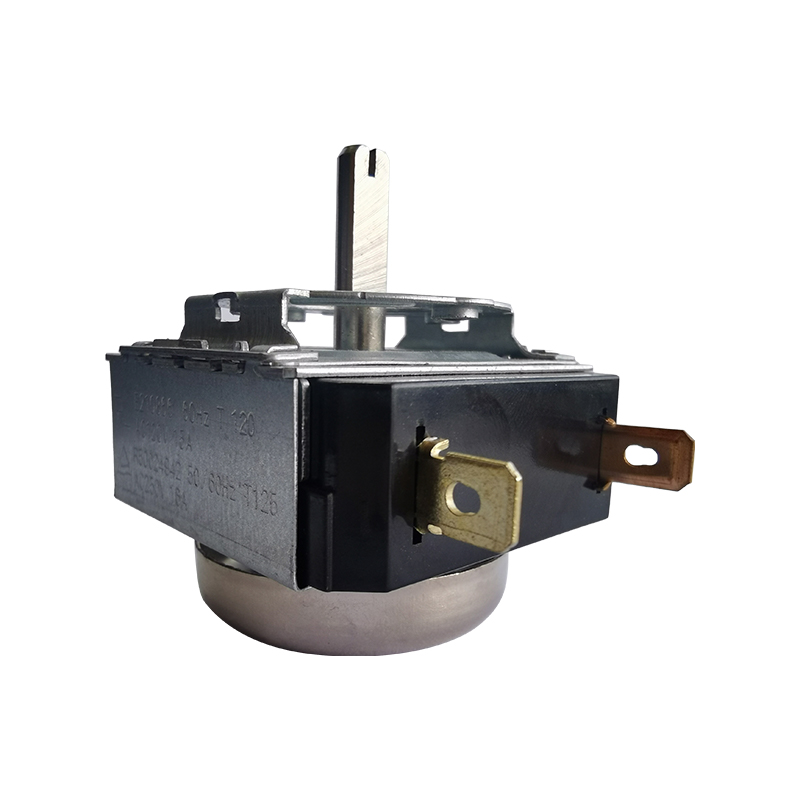
Time setting: 15', 20', 30', 60', 100',120', 180' or customized (1-180min timer range)Applicable: Microwave/Oven/Electric Pressure Cooker/Kitchen Mach...
See Details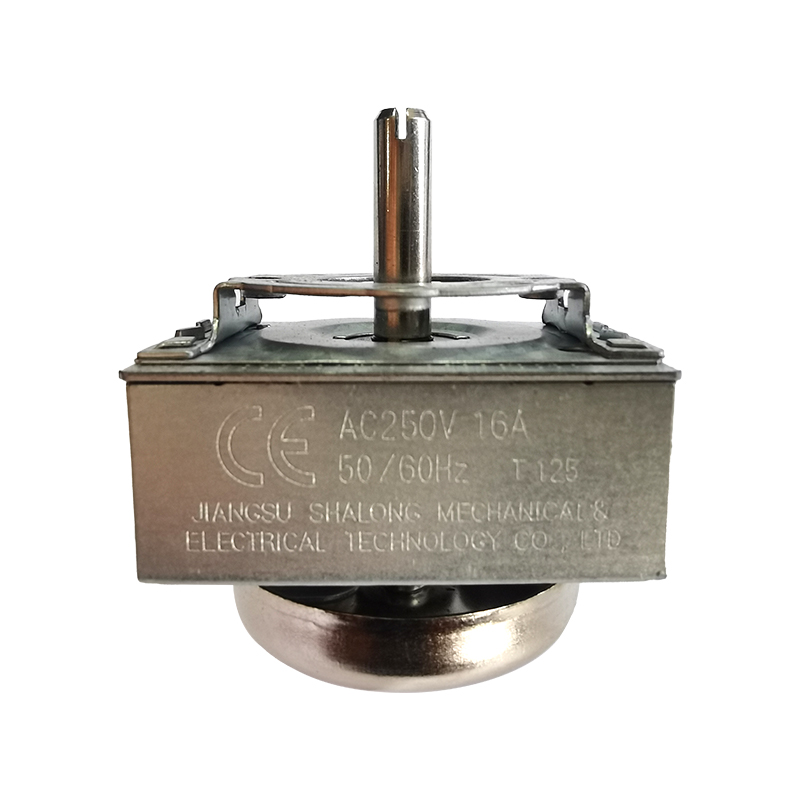
Time setting: 15', 20', 30', 60', 100',120', 180' or customized (1-180min timer range)Applicable: Microwave/Oven/Electric Pressure Cooker/Kitchen Mach...
See Details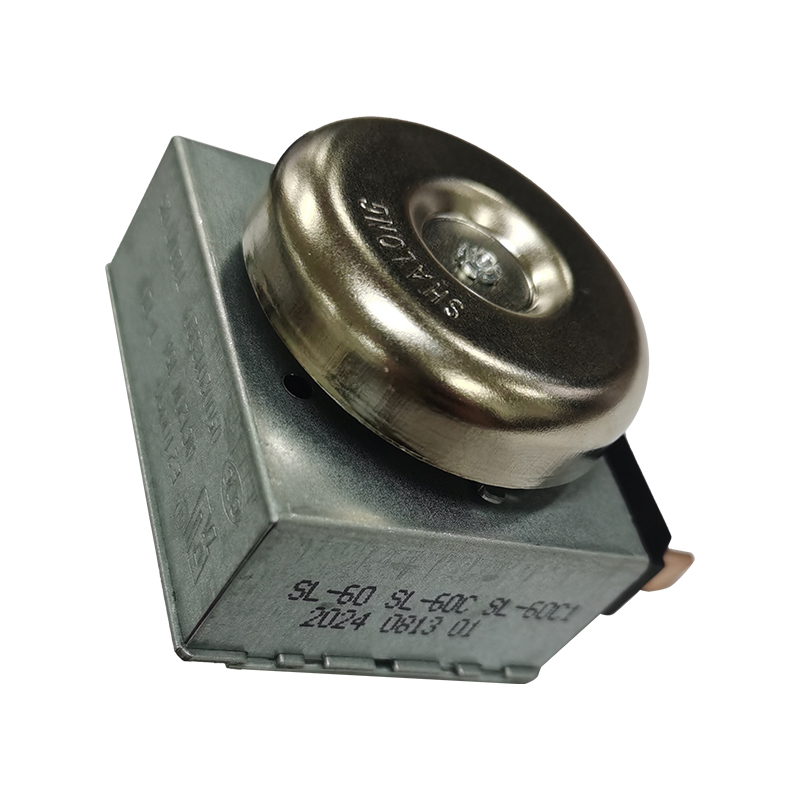
Time setting: 15', 20', 30', 60', 100',120', 180' or customized (1-180min timer range)Applicable: Microwave/Oven/Electric Pressure Cooker/Kitchen Mach...
See Details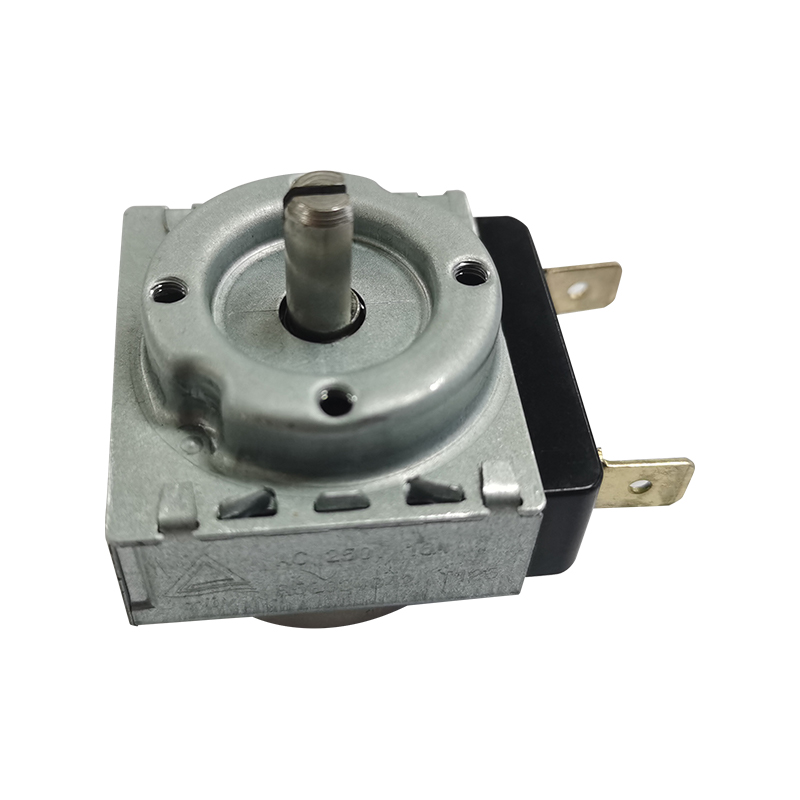
Time setting: 15', 20', 30', 60' or customized (such as 90 min)Applicable: Oven/Electric Pressure Cooker/Kitchen MachineContact capacity: AC 120V 15A;...
See Details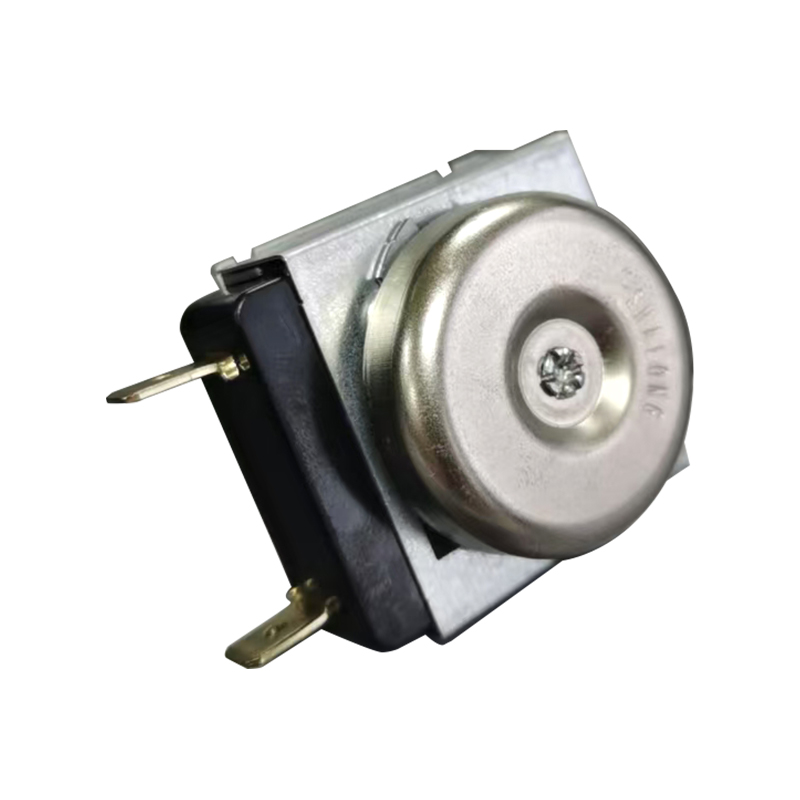
Time setting: 15', 20', 30', 60' or customized (such as 90 min)Applicable: Oven/Electric Pressure Cooker/Kitchen MachineContact capacity: AC 120V 15A;...
See Details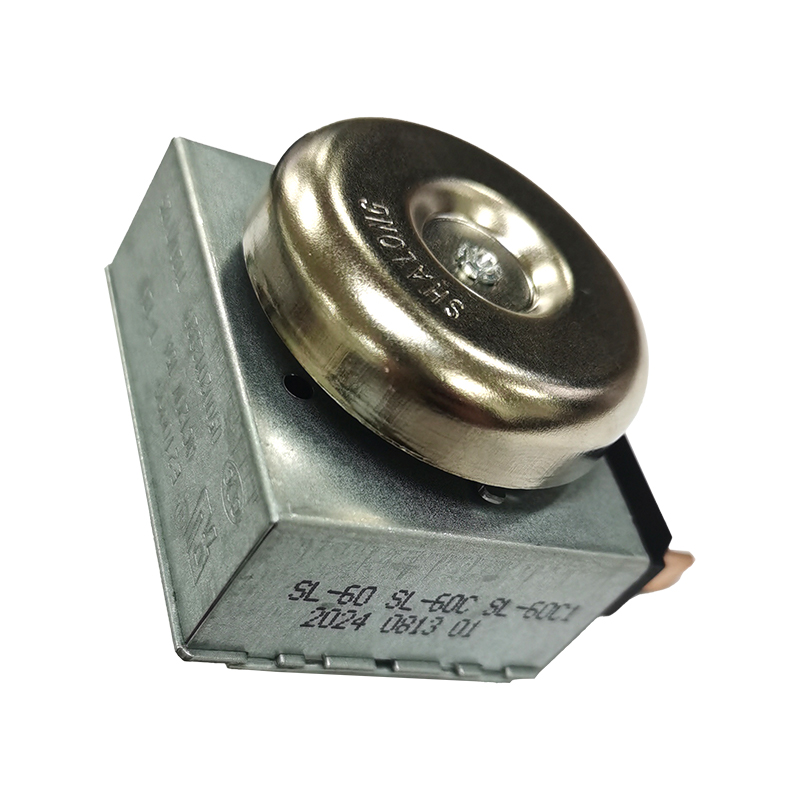
Time setting: 15', 20', 30', 60' or customized (such as 90 min)Applicable: Oven/Electric Pressure Cooker/Kitchen MachineContact capacity: AC 120V 15A;...
See DetailsCopyright ? JIANGSU SHALONG MECHANICAL & ELECTRICAL TECHNOLOGY CO.,LTD. All Rights Reserved.
Custom Metal Mechanical Timers Supplier