What Are Common SL Oven Timer Problems and Solutions?
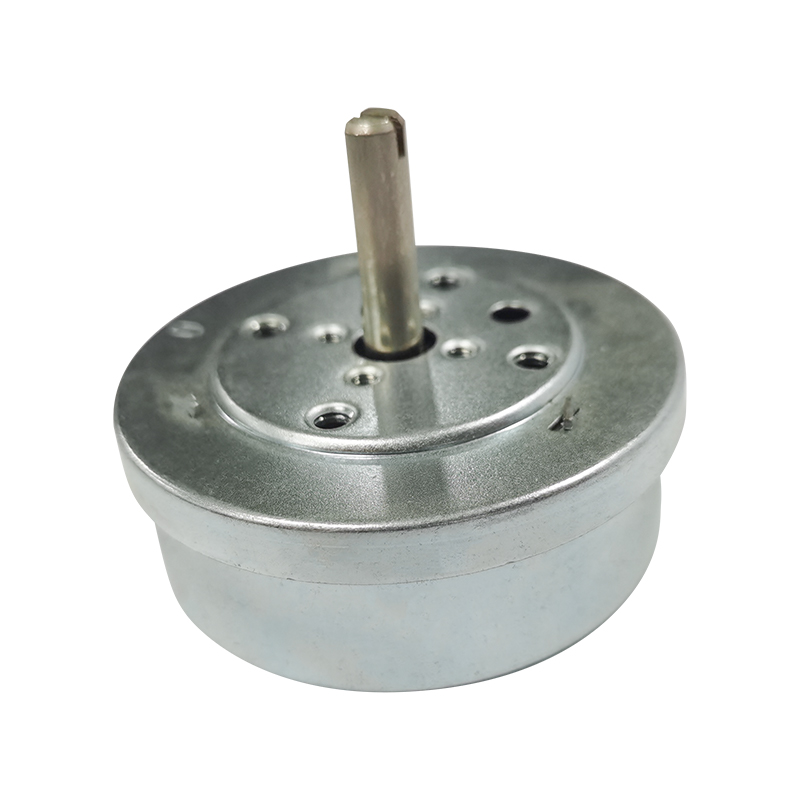
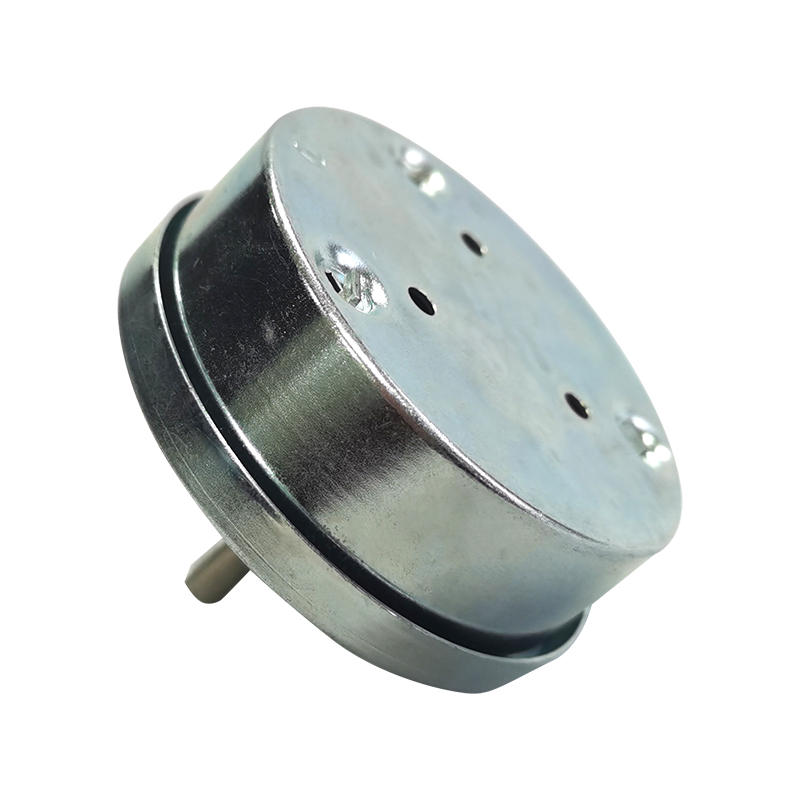
The SL-X Series Regular Oven Mechanical Timer is widely used in commercial and household appliances — from ovens and air fryers to electric steamers and medical equipment. When an oven timer not working scenario occurs, the root causes typically fall into a handful of identifiable categories: mechanical wear after extended use, improper wiring, temperature-related degradation, or incorrect operation. The good news is that most issues can be diagnosed with basic inspection, and a quality timer replacement from a certified industrial oven timer manufacturer like Shalong resolves the problem reliably. This article walks through the most common SL timer faults, provides actionable solutions, and helps sourcing professionals and repair technicians make informed decisions.
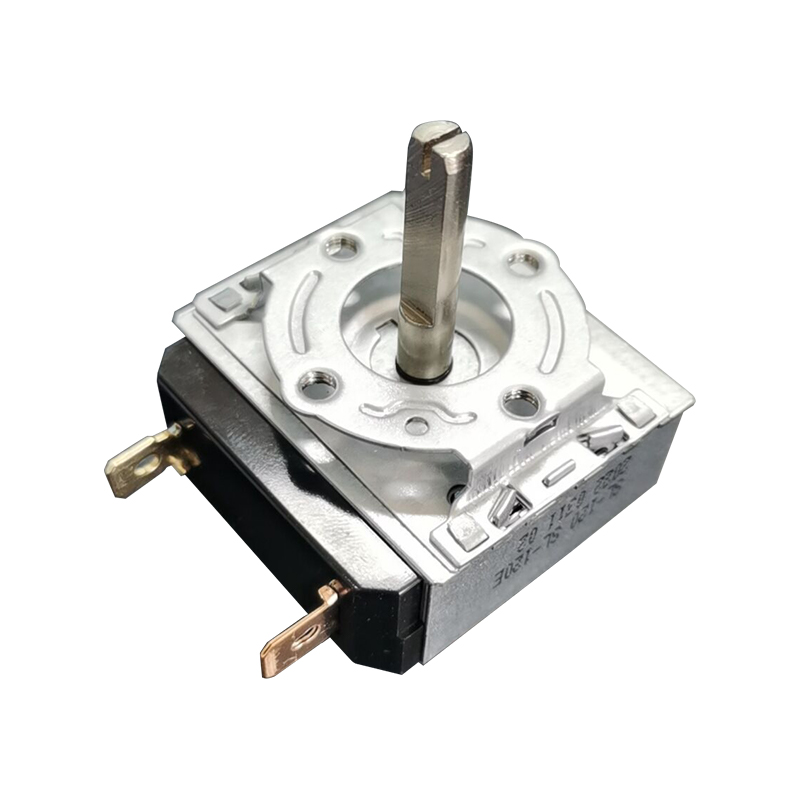
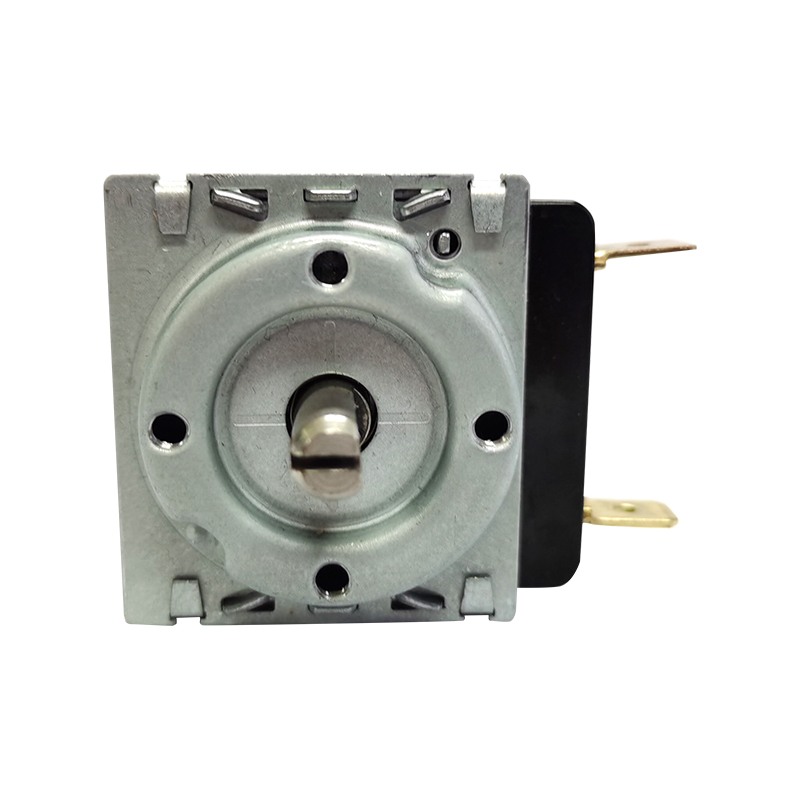
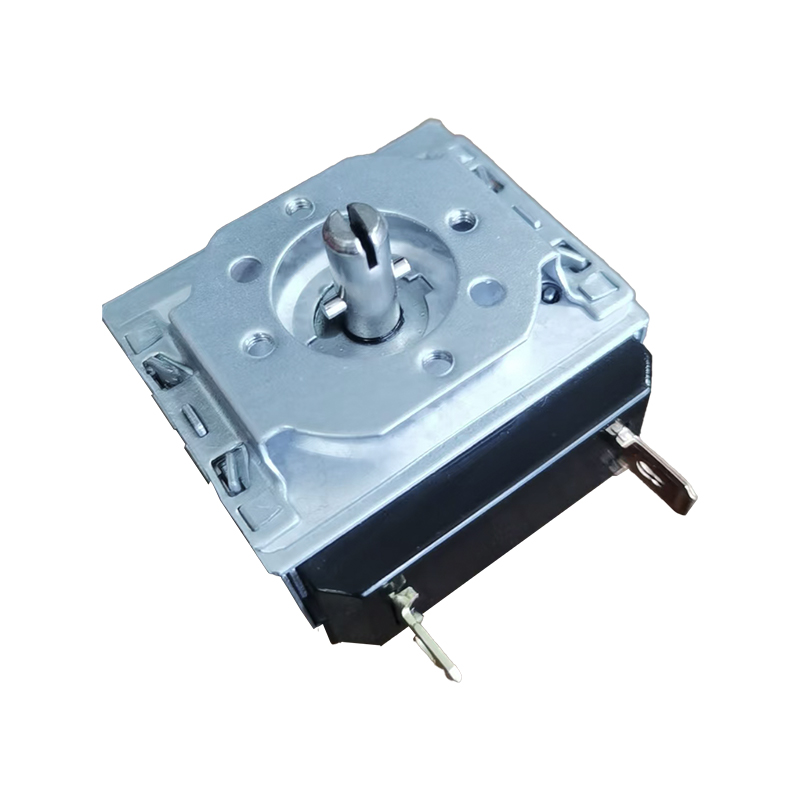
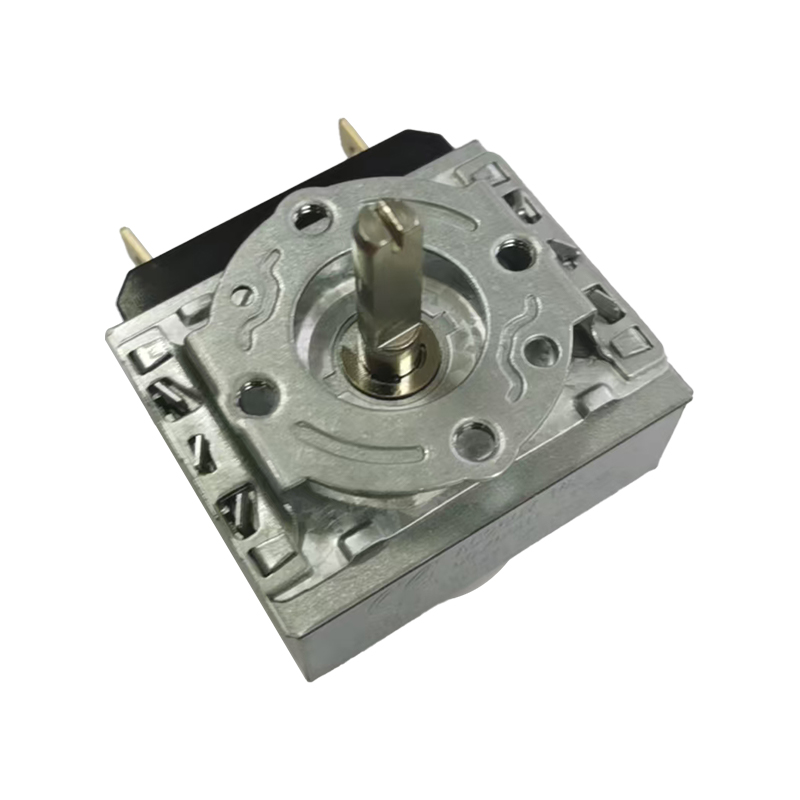
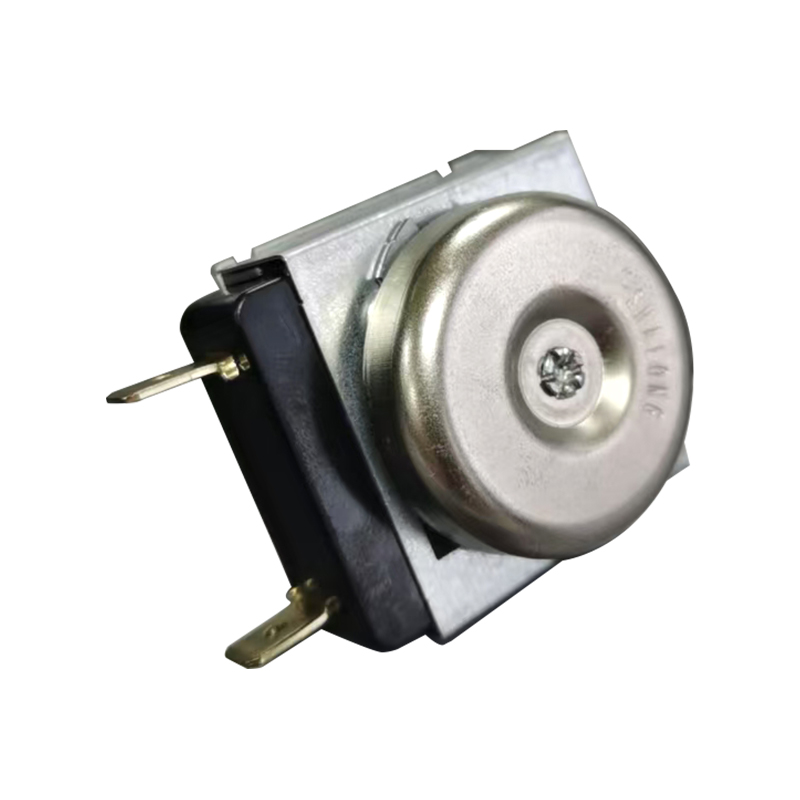
Understanding the mechanics behind the SL-X oven mechanical timer is the first step toward diagnosing any fault. The SL-X is a rotary oven timer replacement-compatible device driven entirely by a spring-loaded gear mechanism — no batteries, no digital circuits. By rotating the knob counterclockwise up to 270°±5° or 315°±5°, the user sets the countdown. As the spring unwinds at a calibrated rate, it controls the on/off switching of the connected appliance.
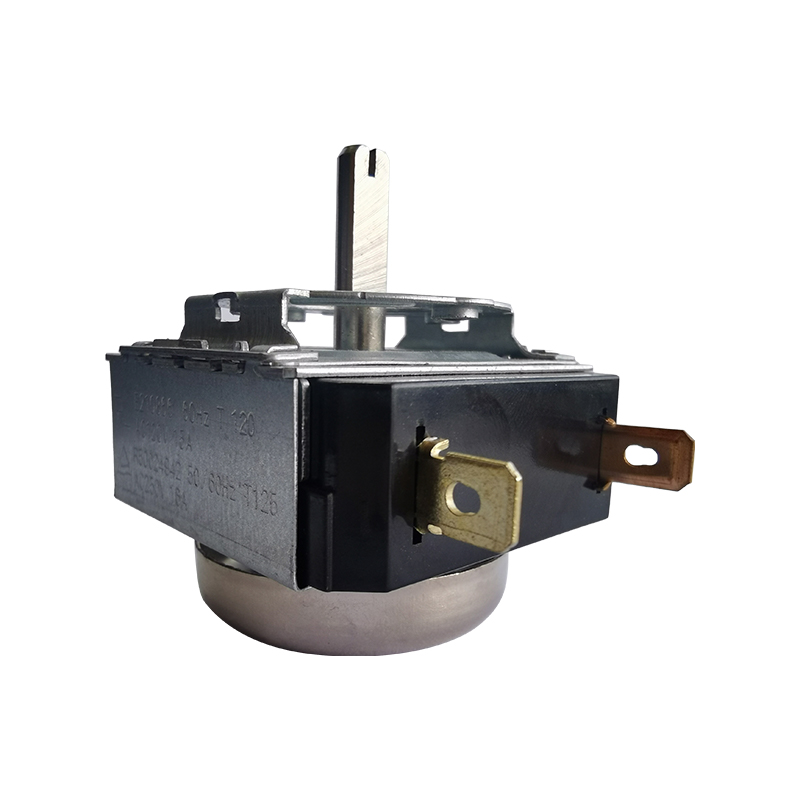
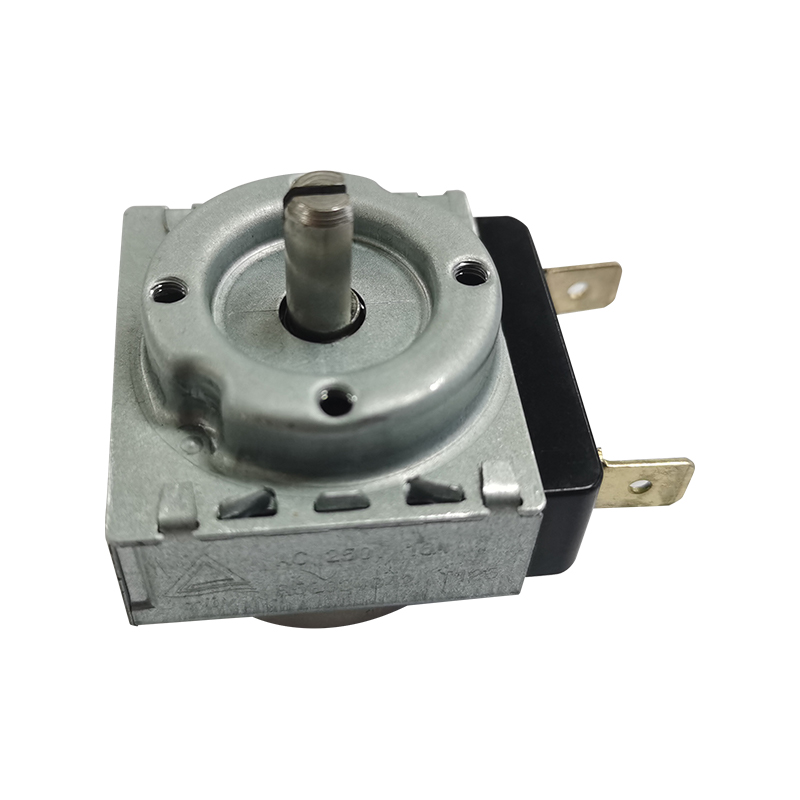
The mechanical timer supports time settings of 15, 20, 30, 60, 100, 120, and 180 minutes, with custom ranges available from 1 to 180 minutes. Its contact capacity is rated at AC 120V/15A and AC 250V/15A, covering both North American and international electrical standards. The working temperature range of -10°C to +125°C makes it suitable for high-heat environments inside commercial ovens. The insulation resistance is tested at 1500V/1min, and voltage resistance is rated at AC 1800V/0.5A — figures that reflect genuine industrial-grade engineering.
The shaft can be configured as a horizontal pin, flat shaft, or custom design, allowing integration into a wide range of appliance housings. Operating torque is between 1.0 and 4.0 kgf·cm, and the self-walking lifespan exceeds 10,000 cycles at 6 operations per minute — a critical benchmark for commercial kitchen environments where timers are actuated dozens of times daily. Time tolerance is ±5% (at 270°) or ±6% on wider arcs, ensuring consistent countdown accuracy.
Chart 1: Estimated operational lifespan by timer type. The SL-X Series metal mechanical timer leads with over 10,000 self-walking cycles — more than 50% higher than standard plastic mechanical alternatives. This durability advantage is driven by Shalong's use of precision metal gearing, automated production lines, and rigorous quality control under ISO 9001 standards. For commercial oven settings, where a timer may be operated 20–30 times per day, this translates to several years of reliable use without replacement. Budget rotary switches and generic analog timers, by contrast, show significantly shorter operational windows, making them less cost-effective for continuous commercial use. The chart reinforces why sourcing from a certified mechanical oven timer supplier with proven engineering depth matters for long-term performance.
Top 5 Common SL Oven Timer Problems
Field reports and technical support data from commercial oven timer switch users consistently point to a concentrated set of failure modes. Understanding these patterns helps procurement teams and maintenance engineers reduce downtime and identify when a rotary oven timer replacement is warranted versus when a simple adjustment suffices.
1. Timer Knob Turns But Appliance Does Not Start
This is one of the most frequently reported issues. If the knob rotates freely but the connected device shows no response, the problem is usually a broken or worn internal contact spring, a loose terminal connection, or an incorrect wiring setup. Refer to the oven timer wiring diagram provided by the supplier and verify that the COM, NO (normally open), and NC (normally closed) terminals are correctly connected. A multimeter test across the output terminals while rotating the knob will confirm whether the switch is making electrical contact. If no continuity is detected, the unit likely needs replacement.
2. Timer Does Not Count Down Accurately
Time tolerance for the SL-X is ±5% at 270°, meaning a 60-minute setting should complete between 57 and 63 minutes. If deviations exceed this range, the gear spring tension may have loosened due to repeated use beyond rated cycles, or the timer may have been exposed to temperatures outside the -10°C to +125°C operating range. In some cases, overtightening the knob past the maximum working angle (270°±5° or 315°±5°) causes spring deformation. Always set the timer within its rated arc. If inaccuracy persists, replacement with a fresh 60 minute oven timer from Shalong's SL-X lineup resolves the issue.
3. Bell Does Not Ring at Timer End
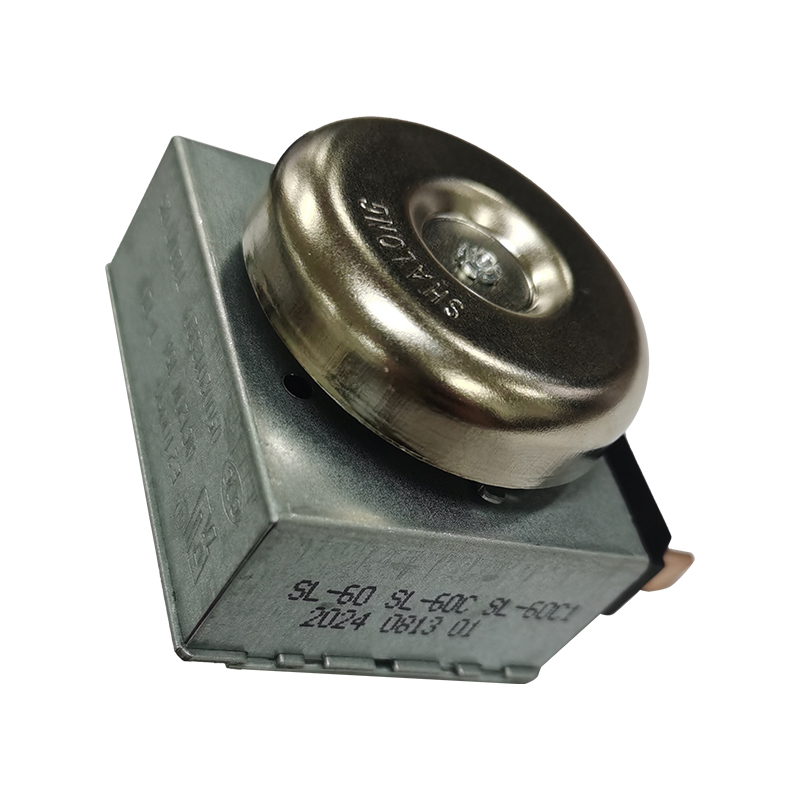
The SL-X series is available in both bell and no-bell configurations. If a bell-equipped unit fails to ring at cycle completion, the bell hammer mechanism may be obstructed by debris or grease buildup — a common issue in high-use bakery or commercial kitchen environments. Cleaning the bell assembly with compressed air and a dry cloth typically resolves this. Verify at time of order whether a bell or no-bell variant is required, as substituting one for the other in the field is not straightforward. Shalong accommodates custom bell configurations upon request.
4. Timer Remains Stuck and Won't Reset
A seized timer — one that fails to return to zero or becomes difficult to turn — is almost always a lubrication or foreign-particle issue. Metal gear mechanisms require periodic maintenance in dusty or oily industrial environments. If the operating torque has measurably increased beyond the 1.0–4.0 kgf·cm specification, internal friction is the culprit. In controlled production settings, Shalong's automated assembly process ensures consistent lubrication from the factory, but field conditions may degrade this over time. Replacement with genuine oven timer spare parts restores normal torque values.
5. Power Cuts Off Before Timer Reaches Zero
Premature power cutoff, where the appliance switches off well before the set time elapses, suggests a contact spring that has lost tension or a mechanical stop that has shifted. This is distinct from normal timer behavior — by design, the SL-X cuts power only at zero. Early cutoff under load (especially near AC 120V/15A or 250V/15A capacity) may also indicate contact oxidation due to arcing. If load testing confirms the timer is being used within rated contact capacity and the issue persists, the unit should be replaced. Shalong's oven timer replacement part stock ships within 20–25 days of order confirmation.
Problem Frequency and Resolution Success Rate
Based on aggregated maintenance data from commercial appliance repair technicians and OEM assembly feedback, the following distribution reflects how often each problem type is encountered and the typical resolution success rate when using genuine SL-X Series Regular Oven Mechanical Timer replacement parts.
Chart 2: Distribution of reported fault types for commercial oven timers. "No start" upon knob actuation accounts for 42% of all reported issues, making wiring and contact inspection the highest-priority diagnostic step for any non-responding timer. Inaccurate countdown timing is the second most common complaint at 32%, frequently traced to exceeding the rated working angle or operating the timer in environments above the maximum temperature threshold. Bell mechanism faults at 24% are more prevalent in food-production environments where oil and steam accumulate. Seized knobs (17%) and early power cutoff (12%) round out the list, both pointing toward end-of-life wear scenarios where genuine oven timer spare parts from a trusted oven timer factory China source are the most cost-effective resolution path. These percentages reinforce the value of proactive replacement cycles in commercial kitchen maintenance schedules.
SL-X Timer Technical Specifications at a Glance
When evaluating an oven timer replacement part for a specific appliance, matching the replacement unit's specifications to the original is critical. The table below summarizes the core SL-X parameters that engineers and procurement teams should verify before ordering.
Table 1: Key technical parameters of the SL-X Series Regular Oven Mechanical Timer
Parameter
Specification
Notes
Time Range
1–180 minutes
Custom ranges available
Contact Capacity
AC 120V/15A; AC 250V/15A
Dual voltage support
Working Temperature
-10°C to +125°C
High-temperature resistant
Working Angle
270°±5° / 315°±5°
Customizable
Lifespan
≥10,000 cycles
At 6 operations/min
Time Tolerance
±5% (270°) / ±6%
Precision gear mechanism
Operating Torque
1.0–4.0 kgf·cm
Release torque same range
Insulation Resistance
1500V/1min
DC 500V megohmmeter
Certifications
UL, CQC, CE, TUV, CB, ISO9001
REACH & RoHS compliant
Shaft Options
Horizontal pin / Flat shaft
Custom configurations available
Understanding the Oven Timer Wiring Diagram
A significant proportion of oven timer not working complaints originate not from a defective timer but from incorrect installation. Following the correct oven timer wiring diagram is non-negotiable for both safety and performance.
The SL-X timer operates as a single-circuit on/off switch. The three critical terminals are: COM (Common), which connects to the live supply wire; NO (Normally Open), which connects to the appliance load — this closes when the timer is active and opens (cutting power) when the countdown reaches zero; and the ground terminal, which must be properly bonded to the appliance chassis per local electrical codes. In an AC 250V/15A circuit, both the live and neutral connections must use appropriately rated wire gauge (minimum 1.5mm² recommended for 15A loads in European installations).
A common wiring error in commercial oven timer switch replacements is reversing the COM and NO terminals, which results in the appliance running continuously and only stopping — rather than starting — when the timer knob is turned. Another frequent mistake is using undersized wire gauge that creates resistive heating at the terminal, which accelerates contact degradation. Always follow the wiring schematic included in the product packaging, and verify the circuit with a multimeter before powering the appliance.
Diagram 1: Simplified SL-X oven timer wiring schematic. The live wire connects to the COM terminal; power flows through to the appliance via the NO terminal while the timer is counting down. When the countdown reaches zero, the NO contact opens and power is cut — this is the designed behavior. The neutral line bypasses the timer entirely and connects directly to the load. Earth ground should always be bonded to the appliance chassis. Misidentifying the COM and NO terminals is the single most common installation error encountered in field replacements. A correct wiring setup ensures the timer functions precisely as designed, with virtually zero operational error under normal load conditions up to the rated 15A capacity.
Certification Comparison: Why Certifications Matter for Timer Selection
When sourcing a mechanical oven timer supplier, certification coverage is a critical differentiator — especially for OEMs exporting appliances to multiple markets. The SL-X carries UL, CQC, CE, TUV, CB, and ISO 9001 certifications and is compliant with both REACH and RoHS environmental directives. This multi-certification profile enables direct OEM integration for products sold in North America, Europe, South Korea, Turkey, Brazil, Saudi Arabia, and Egypt — all markets where Shalong already has active export relationships.
Chart 3: SL-X certification coverage radar by target market region. The shaded polygon approaching the outer ring on all six axes illustrates that the SL-X timer achieves near-complete coverage across every major regulatory framework. North American compliance is secured through UL certification; European market access is enabled by CE and TUV approvals; the CB scheme facilitates entry into over 50 countries including South Korea, Brazil, and Saudi Arabia; and CQC certification covers the Chinese domestic market. Environmental compliance via REACH and RoHS is increasingly mandatory for entry into European and Middle Eastern supply chains. For OEM procurement teams comparing timer suppliers, this multi-certification profile directly reduces the regulatory overhead and testing burden associated with new product approvals, making the SL-X one of the most market-ready mechanical timer for oven solutions available from an oven timer factory China source.
Step-by-Step Guide to Replacing an SL Oven Timer
When troubleshooting confirms that the existing timer is beyond adjustment, a rotary oven timer replacement is the appropriate next step. The process is straightforward if the correct replacement model is sourced and installation follows the original wiring specification.
Disconnect power: Unplug the appliance or switch off the circuit breaker. Never work on a live circuit.
Document the existing wiring: Photograph the terminal connections before removing any wires. This is your reference for reinstallation.
Remove the old timer: Loosen the mounting nut or screws. Gently pull the timer body away from the panel. Disconnect all terminals.
Match specifications: Verify the replacement oven timer replacement part matches the original in working angle, contact capacity, shaft type, and time range.
Connect terminals: Follow the oven timer wiring diagram. Attach COM to the live supply, NO to the appliance load, and bond the ground.
Mount and test: Secure the timer in place. Restore power and test the full countdown cycle before returning the appliance to service.
Shalong packages its SL-X units in standardized export cartons of 200 pieces per box (box size 42.5×30×30.5 cm, net weight 16 kg). For smaller repair quantities, individual unit orders are accommodated. Standard lead time after payment confirmation is 20–25 working days, depending on shipment volume. For high-volume OEM or MRO orders, expedited arrangements may be available — contact the sales team directly to confirm.
Chart 4: Order-to-dispatch timeline for SL-X oven timer orders. The standard lead time of 20–25 working days covers payment confirmation (days 1–3), active production scheduling (days 5–18), quality inspection and export packaging (days 19–22), and final dispatch documentation (days 23–25). This timeline assumes standard order quantities; orders exceeding production capacity thresholds may require an extended schedule communicated at time of purchase. The majority of production time is allocated to precision gear assembly and the mandatory multi-stage quality control process, which includes lifespan cycling tests and contact resistance verification. Buyers planning seasonal product launches should account for this lead time in their procurement calendar, especially when sourcing from an industrial oven timer manufacturer in China where Chinese New Year periods may affect scheduling. Early placement of repeat orders is encouraged for stable supply chain management.
Applications: Where the SL-X Timer Is Used
The SL-X Series Regular Oven Mechanical Timer is engineered for a broad spectrum of household and commercial appliance applications. Its high-temperature resistance, wide voltage support, and configurable time range make it one of the most versatile mechanical timer for oven solutions in the industry. Below is a summary of primary use cases:
Conventional and convection ovens — The most common application for the 60-minute and 120-minute timer variants.
Air fryers — 30-minute and 60-minute configurations are standard in air fryer timer integrations.
Electric steamers and egg steamers — Shorter 15–20 minute range settings are favored for these applications.
Rice cookers — The SL-X is widely used as the primary timing switch in mid-range rice cooker models.
Sterilizers and medical equipment — The high insulation rating and precision tolerance support regulated medical applications.
Electric pressure cookers — Used in pressure cooker lines requiring up to 120-minute countdown cycles.
The SL-X is approved for use in both residential and light-commercial settings. Its AC 120V/250V dual-voltage design means a single SKU can serve North American, European, and emerging market appliance lines — a significant supply chain simplification for global OEM manufacturers. Custom time settings, shaft configurations, and bell options allow product engineers to specify the exact variant they need without compromise.
About Shalong — Your Trusted Mechanical Oven Timer Supplier
JIANGSU SHALONG MECHANICAL & ELECTRICAL TECHNOLOGY CO., LTD. was founded in 1991. It is a professional manufacturer of high-temperature-resistant metal mechanical timers and a drafting unit of industry standards. The company has been deeply involved in the industry for more than 30 years. With continuous practical accumulation and technological innovation, it has established a high-tech enterprise specializing in research, development, production, and sales of mechanical timers and household appliance circuit board products.
The company is located on the beautiful bank of the Yangtze River, Jingjiang Economic and Technological Park. With a registered capital of 28 million yuan, over 40,000 square meters of self-built factory buildings, more than 1,000 sets of various R&D, production, and inspection equipment, and over 800 employees — including over 80 engineering and technical personnel — Shalong has established strong mechanical design, processing, and manufacturing capabilities. The small modulus hobbing machine, automated processing equipment, and high-speed continuous stamping molds used in timer production are all independently developed and manufactured by Shalong, with several technical patents protecting these innovations.
Professional production equipment, full advanced testing facilities, and rigorous quality management under ISO 9001 fully guarantee the high quality, high performance, and high stability of Shalong products. The company has established long-term cooperative relationships with well-known appliance manufacturers including Midea, Supor, Joyoung, Galanz, Bear, and Xinbao. Products are also exported to South Korea, Turkey, Brazil, Saudi Arabia, and Egypt — establishing Shalong as a recognized industrial oven timer manufacturer and SL-X Series Regular Oven Mechanical Timer Supplier on the global stage.
Frequently Asked Questions
Q1. What should I check first if my SL oven timer is not working?
Start by verifying the wiring against the oven timer wiring diagram — confirm COM and NO terminals are correctly assigned. Then test continuity across the output terminals with a multimeter while rotating the knob. If no continuity is detected, the internal contact has failed and a replacement unit is required.
Q2. Can the SL-X timer be used in both 120V and 250V appliances?
Yes. The SL-X contact capacity is rated for both AC 120V/15A and AC 250V/15A, making it suitable for North American and international appliance configurations without requiring a different model. Ensure the wire gauge used meets the requirements for the rated current in each voltage system.
Q3. What is the standard lead time for an SL-X oven timer replacement part order?
The standard lead time is 20–25 working days after receipt of the letter of credit or confirmed payment, depending on order volume. For large OEM or MRO orders, contact Shalong's sales team to discuss production scheduling and potential expedited arrangements.
Q4. Is a bell (alarm) included as standard, or is it optional?
The SL-X is available in both bell and no-bell configurations. The bell option must be specified at the time of order. Custom configurations are supported for OEM requirements. When the bell rings, it signals that the countdown has reached zero and power to the appliance has been cut.
Q5. What certifications does the SL-X carry for export markets?
The SL-X holds UL (North America), CQC (China), CE, TUV, CB (global multi-country), and ISO 9001 certifications, and is compliant with REACH and RoHS environmental directives. This certification portfolio supports direct OEM integration for appliances sold across North America, Europe, South Korea, Turkey, Brazil, Saudi Arabia, and Egypt.
Q6. Can the time range and shaft type be customized for OEM requirements?
Yes. Shalong supports custom time settings from 1 to 180 minutes, custom working angles, and shaft configurations including horizontal pin, flat shaft, or bespoke designs. OEM customers should provide their specifications at the inquiry stage so engineering confirmation can be completed before production scheduling.
Time setting: 15', 20', 30', 60' or customized (such as 90 min)Applicable: Oven/Electric Pressure Cooker/Kitchen MachineContact capacity: AC 120V 15A;...
Time setting: 15', 20', 30', 60' or customized (such as 90 min)Applicable: Oven/Electric Pressure Cooker/Kitchen MachineContact capacity: AC 120V 15A;...



 English
 中文简体
中文简体