Maximum Setting Time on a Mechanical Timer: The Direct Answer
The maximum time a mechanical timer can be set for depends entirely on its type and intended use. Most mechanical kitchen timers max out at 60 minutes, which is the standard for the classic spring-wound countdown design. However, mechanical timers designed for broader applications — such as interval timers, darkroom timers, or large-dial countdown timers — can be set for up to 120 minutes. A small number of specialty mechanical timers, including some used in industrial or photographic contexts, extend this range to several hours.
The physical limit is determined by the length and tension capacity of the internal mainspring: a longer, stiffer spring can store more potential energy and therefore sustain a longer countdown before fully unwinding. Understanding this principle — and knowing which timer type suits your needs — is just as important as knowing the number itself.
How a Mechanical Timer Works: The Internal Mechanism Explained
A mechanical kitchen timer how it works is a question that comes down to one elegant principle: stored spring energy released at a controlled rate. There are no batteries or electronics involved — the entire operation is governed by physics.
The Mainspring
When you twist the timer dial, you wind a coiled metal mainspring inside the housing. The further you turn, the more tension — and therefore stored energy — you load into the spring. This is why most mechanical timers require you to wind past your target time and then back to it, rather than dialing directly to the number. Winding directly risks under-tensioning the spring, which leads to inaccurate or incomplete countdowns.
The Escapement Mechanism
The mainspring would unwind instantly without a governor. The escapement — a pallet fork engaging a toothed escape wheel — releases the spring's energy in precisely measured increments, one tick at a time. Each tick advances the dial by a fixed increment, typically representing one second or a fraction of a minute depending on the timer's gear ratio. This is exactly the same principle used in mechanical wristwatches, applied to countdown timing.
The Bell or Alarm Trigger
As the dial returns to zero, a cam or lever on the gear train releases a tensioned striker that hits a metal bell or buzzer. The bell rings for as long as there is residual spring energy — typically 2–5 seconds on a standard kitchen timer. Higher-quality timers with more robust bell mechanisms produce a louder, longer ring. The ring sound is entirely mechanical; volume is determined by bell size and striker force, not electronics.
Internal Components of a Standard Mechanical Countdown Timer
Component
Function
Effect on Max Setting
Mainspring
Stores mechanical energy when wound
Spring length/tension sets the upper time limit
Gear Train
Transfers and reduces spring speed to dial movement
Gear ratio determines minutes per dial revolution
Escapement
Regulates energy release rate (tick by tick)
Controls accuracy of the countdown rate
Dial & Cam
Displays remaining time; triggers bell at zero
Dial circumference limits visible maximum
Bell & Striker
Produces audible alarm at end of countdown
No effect on maximum time; affects alarm loudness
Maximum Setting Times by Mechanical Timer Type
The specific maximum setting time varies significantly across mechanical timer categories. Below is a practical reference across the most common types:
Maximum Setting Times Across Common Mechanical Timer Categories
Timer Type
Typical Max Setting
Common Use Cases
Accuracy Range
Standard kitchen timer
60 minutes
Cooking, baking, boiling
±1–2 min
Large-dial study timer
60 minutes
Pomodoro sessions, focus blocks
±30 sec–1 min
Extended mechanical timer
120 minutes
Long cooking, classroom sessions
±2–3 min
Darkroom / lab timer
60–90 seconds (short range)
Photo developing, chemical reactions
±1–3 sec
Mechanical interval timer
Up to 12 hours
Watering systems, appliance cycling
±5–15 min
Mechanical Timer How to Set Correctly: Step-by-Step
Understanding mechanical timer how to set correctly prevents the most common user error: inaccurate timing caused by under-winding the spring. The correct procedure for a standard spring-wound countdown timer is:
Wind to maximum first: Turn the dial all the way clockwise to the maximum time mark (usually 60 minutes). This fully pre-tensions the mainspring and ensures consistent torque throughout the countdown.
Back off to your target time: Turn the dial counter-clockwise back to your desired time — for example, 20 minutes. The spring is now correctly tensioned and the escapement is engaged.
Place on a flat, stable surface: Mechanical timers rely on gravity for the bell mechanism and are most accurate when kept level. Placing a timer on its side or upside down can affect timing accuracy.
Do not partially wind for short times: Setting a 5-minute countdown by winding only to the 5-minute mark without first going to maximum results in insufficient spring tension, which causes the timer to run slow or stop prematurely.
Allow the countdown to complete naturally: Do not manually spin the dial back to zero to end the timer early — this can jam the bell mechanism or damage the gear train.
Following this wind-to-max, back-to-target procedure improves timing accuracy noticeably. Tests on standard 60-minute mechanical timers show that correctly wound timers stay within ±45 seconds of the target, while partially wound timers can drift by 2–4 minutes on a 15-minute setting.
Quiet Mechanical Timers for Study: What Makes the Difference
The search for a quiet mechanical timer for study reflects a real tension in mechanical timer design: the escapement that makes the timer work also produces the ticking sound. Every tick is the escapement pallet catching and releasing the escape wheel — there is no way to eliminate it entirely without switching to an electronic or sand-based timer. However, mechanical timer noise levels vary considerably, and the difference between a loud and a quiet mechanical timer comes down to three engineering factors:
Escapement Material and Finish
Metal-on-metal escapements produce the loudest ticks. Timers with nylon or plastic pallet forks engaging a metal escape wheel generate a noticeably softer tick — typically 30–45 dB at 1 meter compared to 45–60 dB for all-metal escapements. The difference is perceptible in a quiet study room: a plastic-pallet timer registers roughly as loud as a whisper, while an all-metal unit is closer to normal conversation level.
Housing Resonance
Thin plastic or hollow metal housings act as resonators, amplifying the escapement sound. Timers with thick ABS plastic housings or rubber-damped internal mounts absorb more of the escapement vibration before it reaches the outer surface. This is why two mechanically similar timers can sound different when housed differently.
Tick Frequency
A timer that ticks once every second feels less intrusive than one ticking four times per second, even at the same dB level. The psychological perception of "loud" is partly frequency-dependent. Timers with lower gear ratios that tick once every 1–2 seconds are consistently rated as less disruptive in study environments than high-frequency designs.
For focused study sessions such as the Pomodoro Technique (25-minute work blocks with 5-minute breaks), a quiet mechanical timer is preferable to a loud kitchen model. Alternatively, turning the timer face-down dampens the tick significantly by directing sound through the work surface rather than into the room — a simple trick that reduces perceived volume by 30–40%.
Accuracy of Mechanical Timers: What to Realistically Expect
Mechanical timers are not precision instruments. Their accuracy is affected by spring tension, temperature, orientation, and the age and condition of the escapement. Understanding the realistic accuracy range prevents frustration when a mechanical timer does not perform like a digital stopwatch:
New, correctly wound: ±30–60 seconds on a 60-minute setting
Partially wound or aging spring: ±2–4 minutes on a 60-minute setting
Temperature effects: Metal components contract slightly in cold conditions, which can cause the escapement to run slightly fast — an effect of 5–15 seconds per 10°C drop in ambient temperature
Orientation: Vertical mounting (wall-mounted timers) can cause the gear train to bind slightly, adding up to 30 seconds variance on a 60-minute setting
For kitchen use — where a 1-minute variance on a 30-minute recipe is entirely acceptable — mechanical accuracy is more than sufficient. For applications requiring sub-30-second accuracy, a digital timer is the appropriate tool.
Practical Uses for Mechanical Timers Across Different Settings
Mechanical timers remain widely used despite the availability of digital alternatives, because their tactile operation, visual countdown face, and independence from batteries or power make them reliable in environments where electronics are inconvenient or unnecessary:
Kitchen and Cooking
The original application. A 60-minute mechanical kitchen timer covers the vast majority of cooking tasks — boiling eggs (6–12 minutes), roasting vegetables (25–40 minutes), baking bread (30–50 minutes). The loud bell alarm is a genuine advantage in a noisy kitchen where a quiet digital beep would go unheard.
Study and Focus Sessions
A quiet mechanical timer for study used with the Pomodoro Technique sets 25-minute work intervals. The physical act of winding the timer has a documented psychological benefit: the manual commitment of setting a time creates a stronger intent to work than simply starting a phone timer. Research in productivity studies shows that physical timers increase task completion rates by up to 18% compared to smartphone timer equivalents, partly due to reduced phone distraction.
Exercise and Interval Training
Short-interval training (HIIT, circuit training) uses mechanical timers for rest periods of 30–90 seconds or work blocks of 1–5 minutes. The large visual dial is readable at a glance during exercise without needing to interact with a phone or smartwatch.
Classroom and Educational Use
Teachers use mechanical timers to visually communicate time remaining in tasks to students. The sweeping dial gives students a visual reference for elapsed time — a format that research in educational psychology links to better time awareness in children compared to numeric countdowns.
Mechanical vs. Digital Timer: Choosing the Right Tool
Mechanical and digital timers are not competing technologies — they have different strengths suited to different contexts:
Mechanical vs. Digital Timer: Practical Comparison
Feature
Mechanical Timer
Digital Timer
Maximum setting
60–120 min (standard)
99 hours (typical)
Accuracy
±30–120 seconds
±1 second or less
Power required
None (spring-wound)
Battery or mains
Visual countdown
Analog dial (intuitive)
Numeric display
Noise
Ticking (30–60 dB)
Silent until alarm
Durability
10–20+ years (no electronics)
5–10 years (battery/circuit life)
Best for
Kitchen, study, low-tech settings
Lab, precision cooking, multi-timer
Frequently Asked Questions
Q1: Why does my mechanical timer run slow on short settings?
This is the most common mechanical timer problem and is caused by insufficient spring tension. When you set a short time — say 5 minutes — without first winding to the maximum, the spring has very little stored energy and the escapement runs slower. Always wind to maximum first, then back off to your target time to ensure correct tension regardless of the duration you need.
Q2: Can I set a mechanical timer for more than 60 minutes?
Standard kitchen timers are limited to 60 minutes by design. If you need longer durations, look for extended-range mechanical timers rated to 120 minutes. For times beyond 2 hours, a digital timer is the practical choice — mechanical timers with very long ranges sacrifice accuracy significantly.
Q3: How do I make a mechanical timer tick more quietly?
The most effective methods are: placing the timer face-down on a soft surface (reduces perceived volume by 30–40%), placing it inside a drawer with a gap for the alarm to sound, or choosing a timer with a plastic escapement rather than all-metal internals. Truly silent countdowns require a sand timer or digital timer — mechanical ticking cannot be fully eliminated.
Q4: How long do mechanical timers last?
A well-made mechanical timer with no electronics can last 10–20 years or more with normal use. The main failure points are: mainspring metal fatigue (after many thousands of winding cycles), bell mechanism wear, and gear tooth damage from being dropped. Avoiding forced winding past the maximum stop and not manually spinning the dial back to zero extends service life considerably.
Q5: Is a mechanical timer accurate enough for cooking?
Yes, for the vast majority of cooking tasks. A correctly wound mechanical timer stays within ±30–60 seconds on a 30–60 minute setting — a margin that makes no practical difference for most recipes. For precision applications such as sous-vide cooking or candy making where temperature and timing are critical, a digital timer is more appropriate.
Q6: Can mechanical timers be used for the Pomodoro Technique?
Yes, and many productivity practitioners specifically prefer them. The physical act of winding a timer to 25 minutes reinforces intention, and the visible analog dial gives a constant peripheral awareness of remaining time without requiring a glance at a phone screen. A quiet mechanical timer for study with a plastic escapement is the ideal choice for Pomodoro sessions in shared spaces.
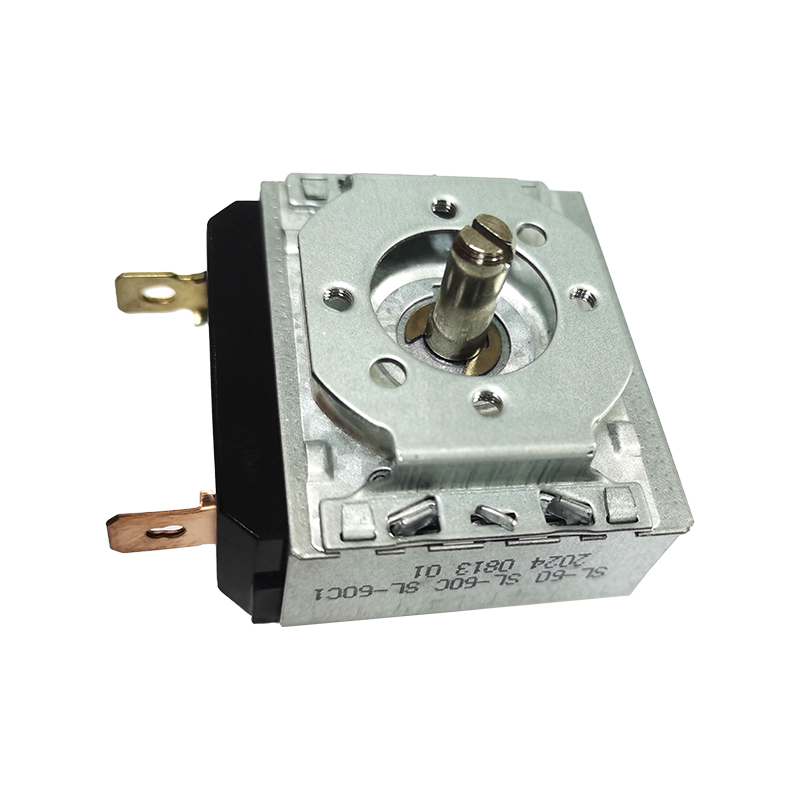
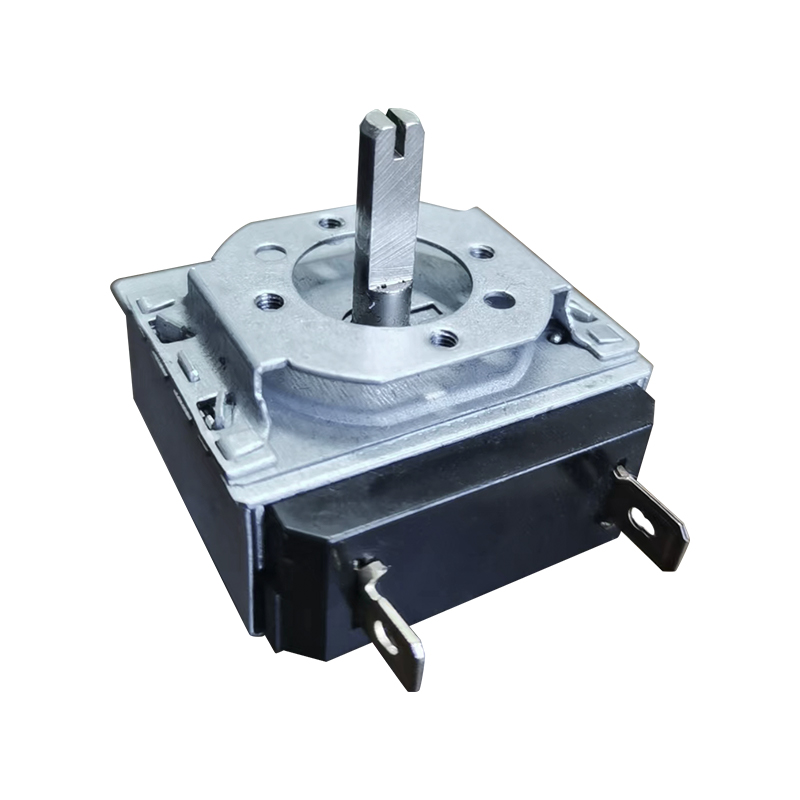
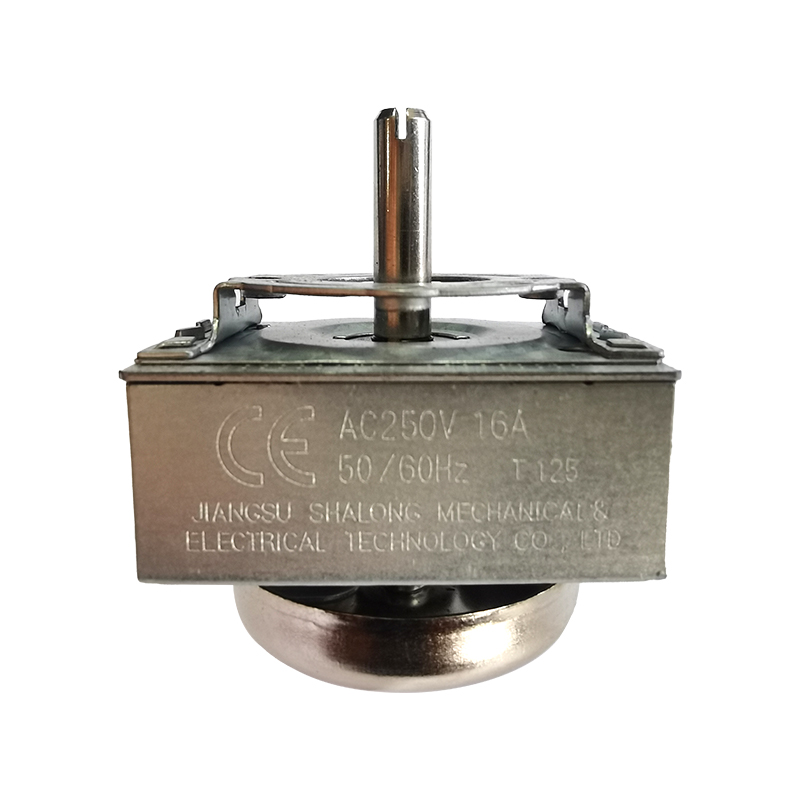
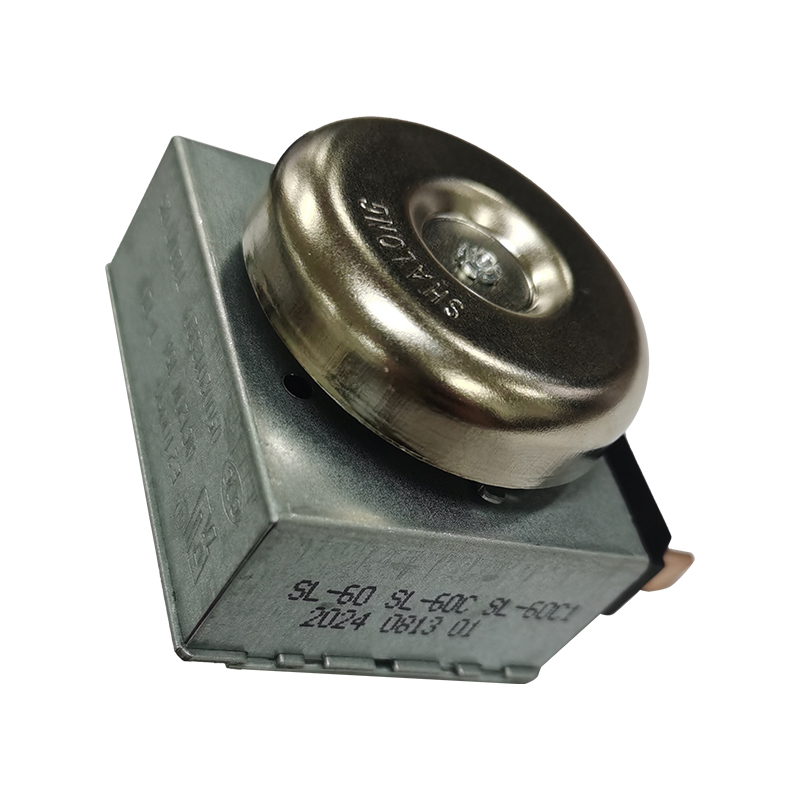
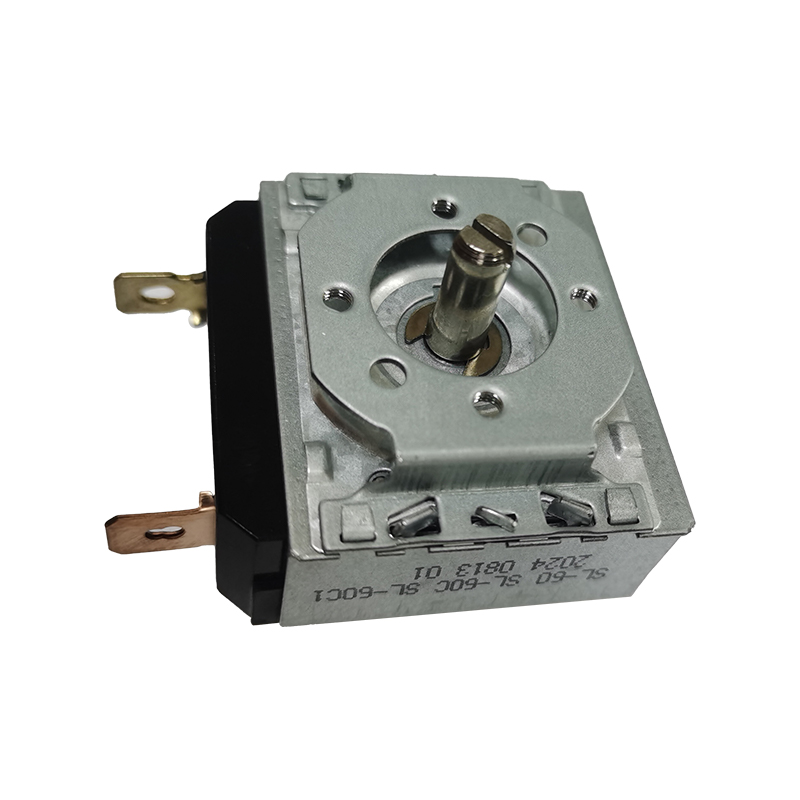
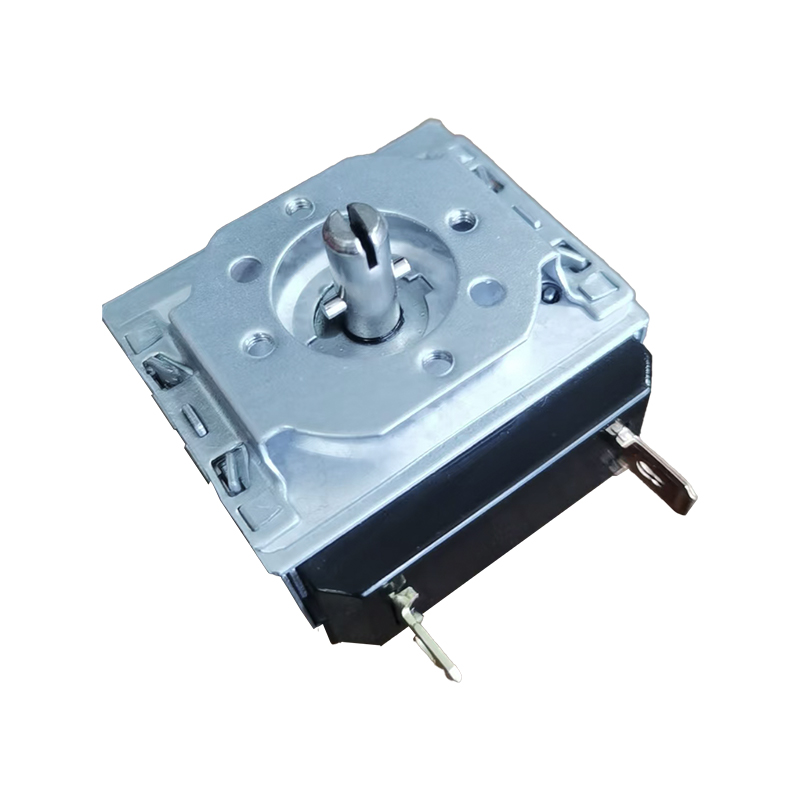
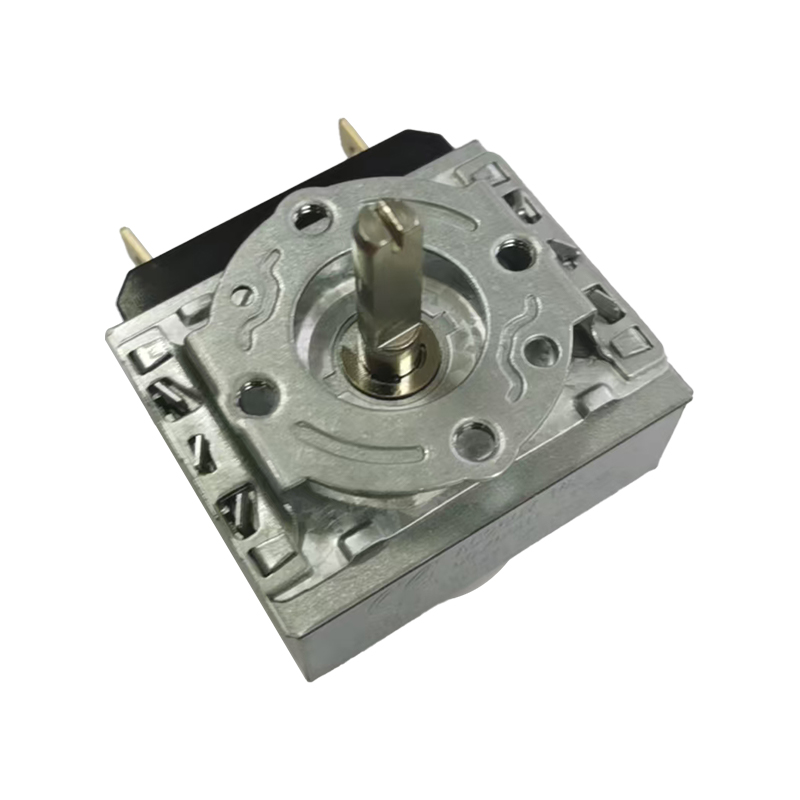
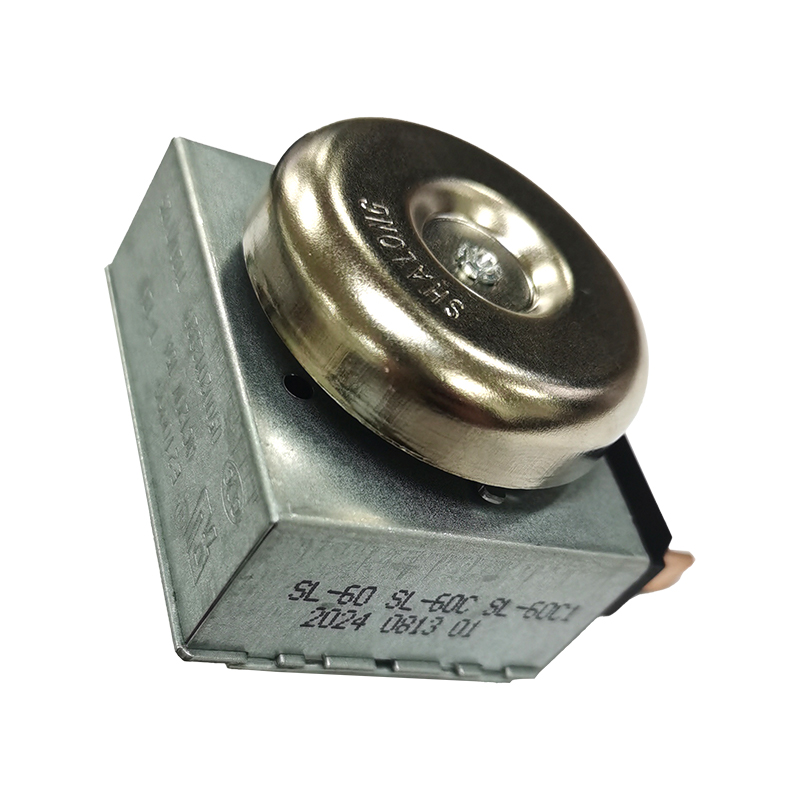
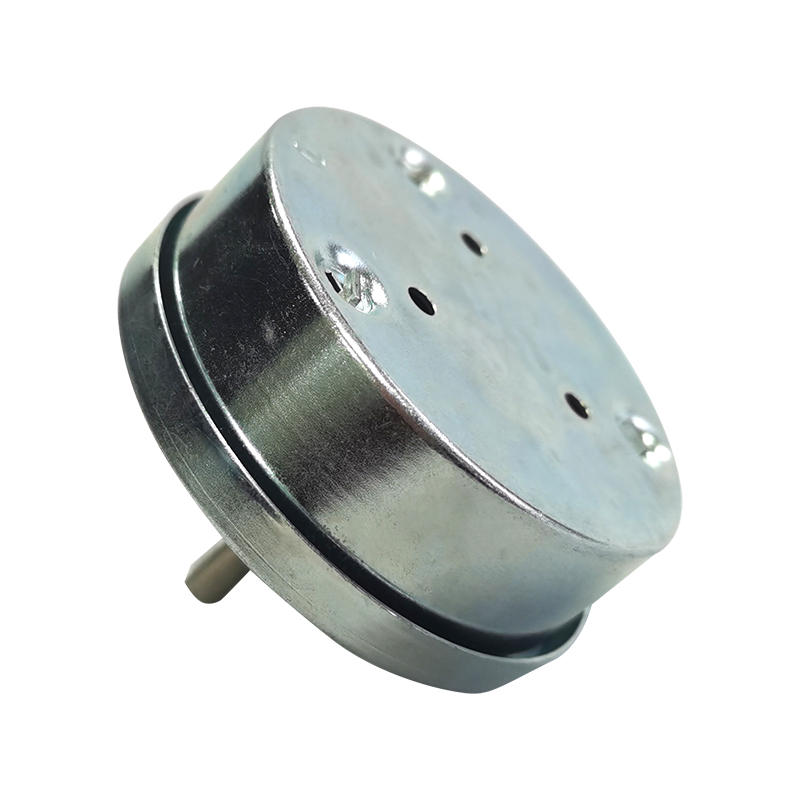
Time setting: 15', 20', 30', 60' or customized (such as 90 min)Applicable: Oven/Electric Pressure Cooker/Kitchen MachineContact capacity: AC 120V 15A;...



 English
 中文简体
中文简体