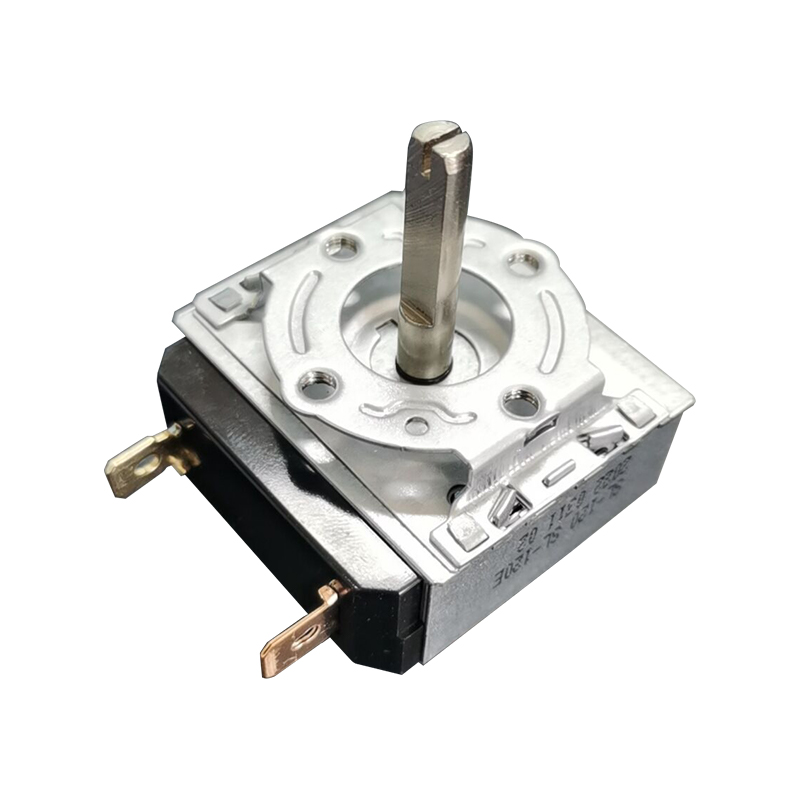
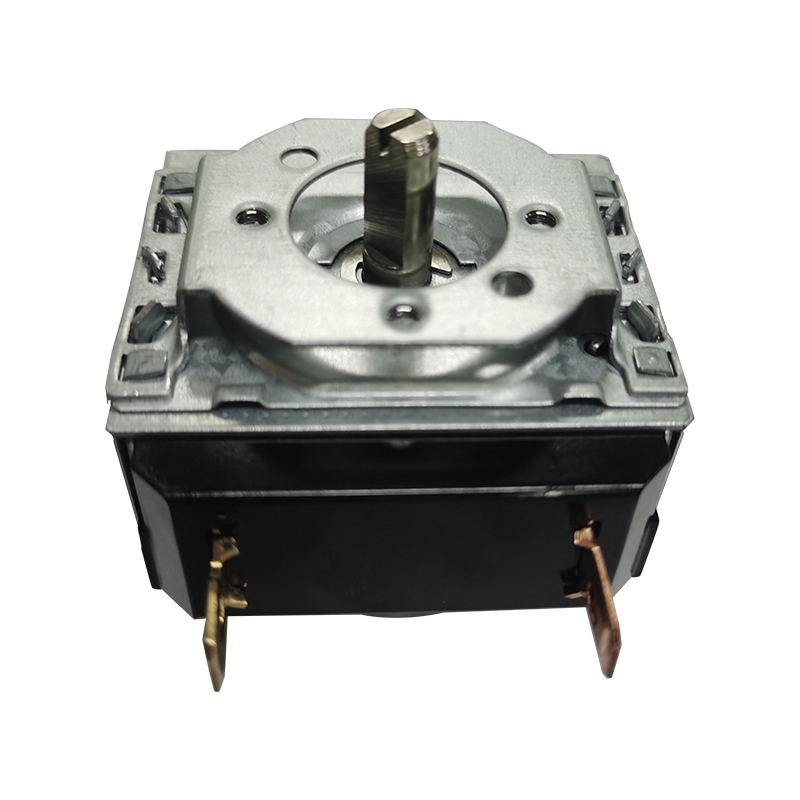
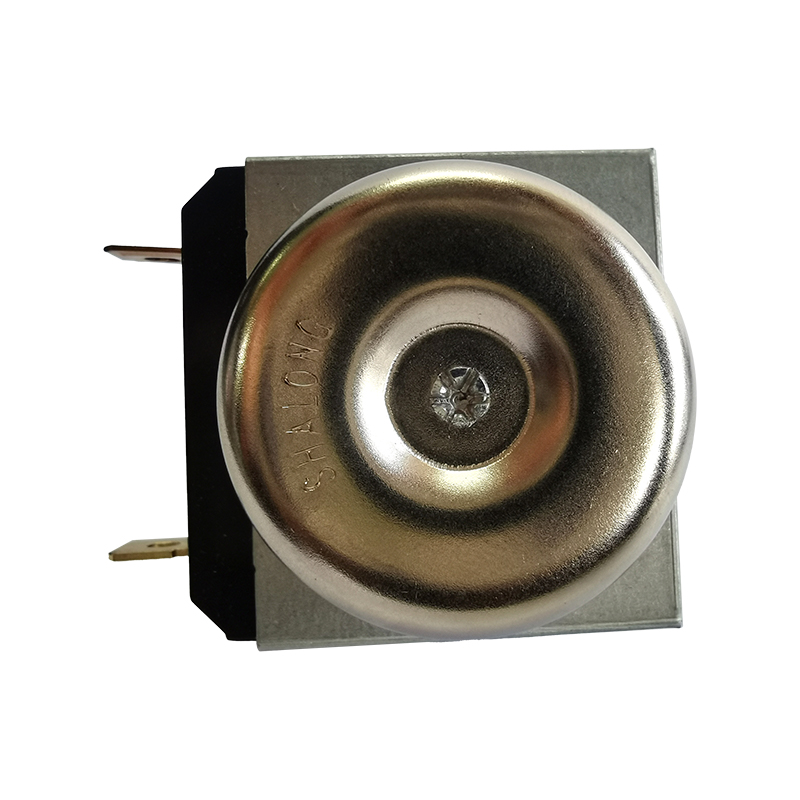
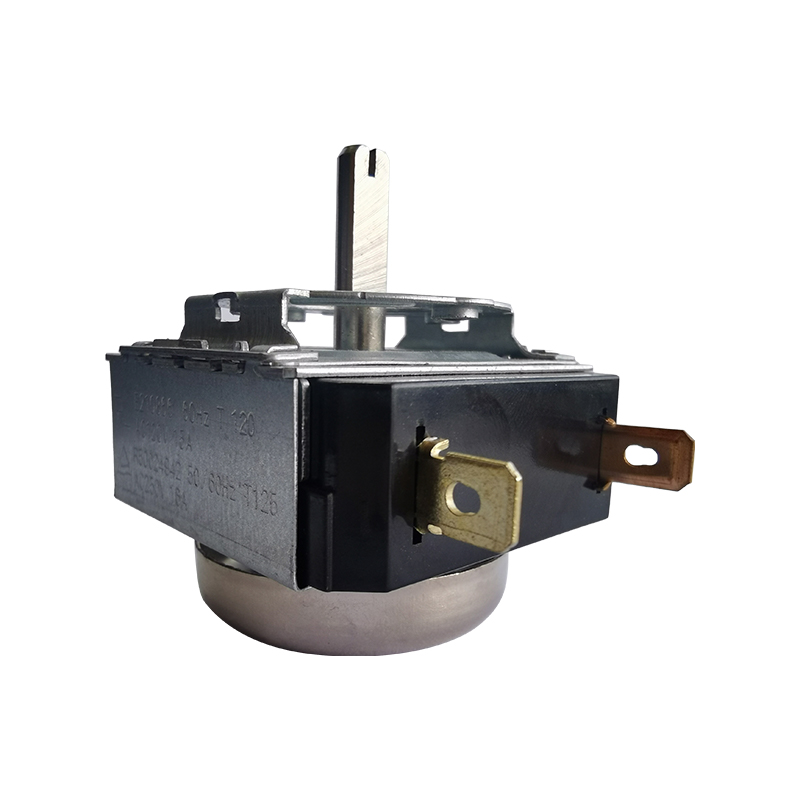
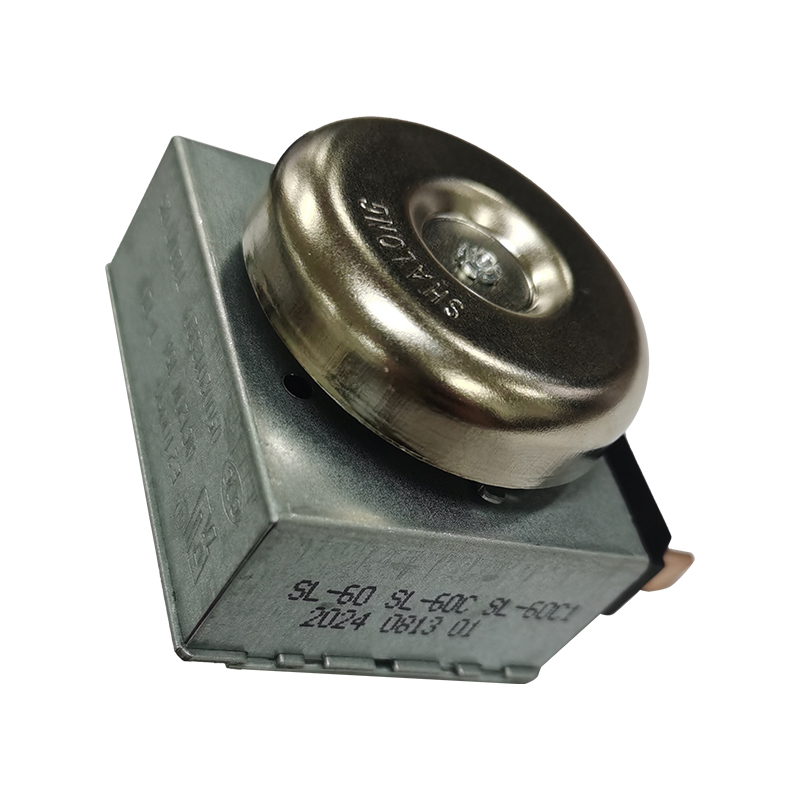
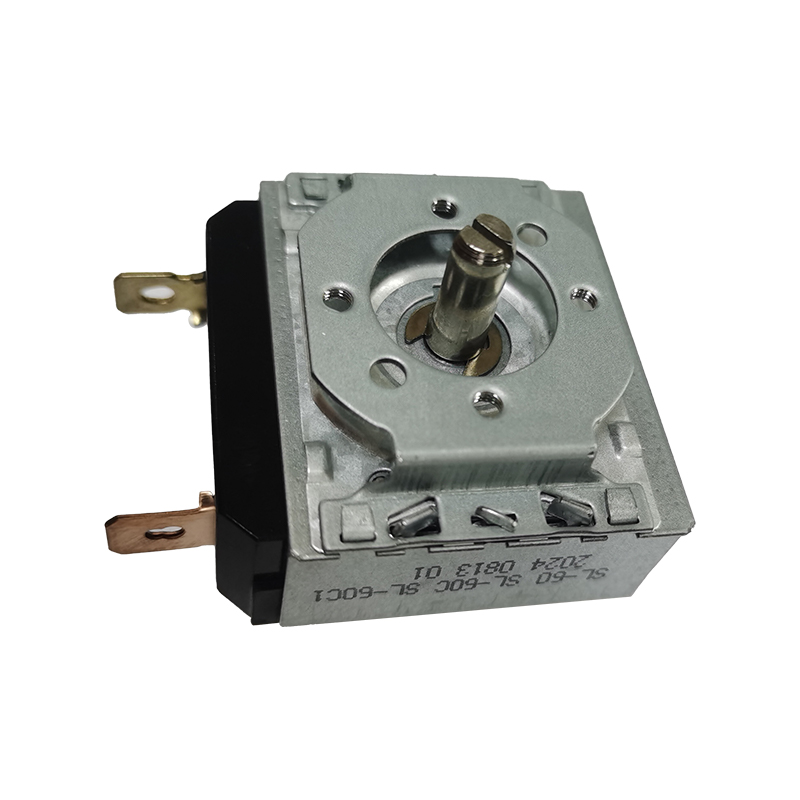
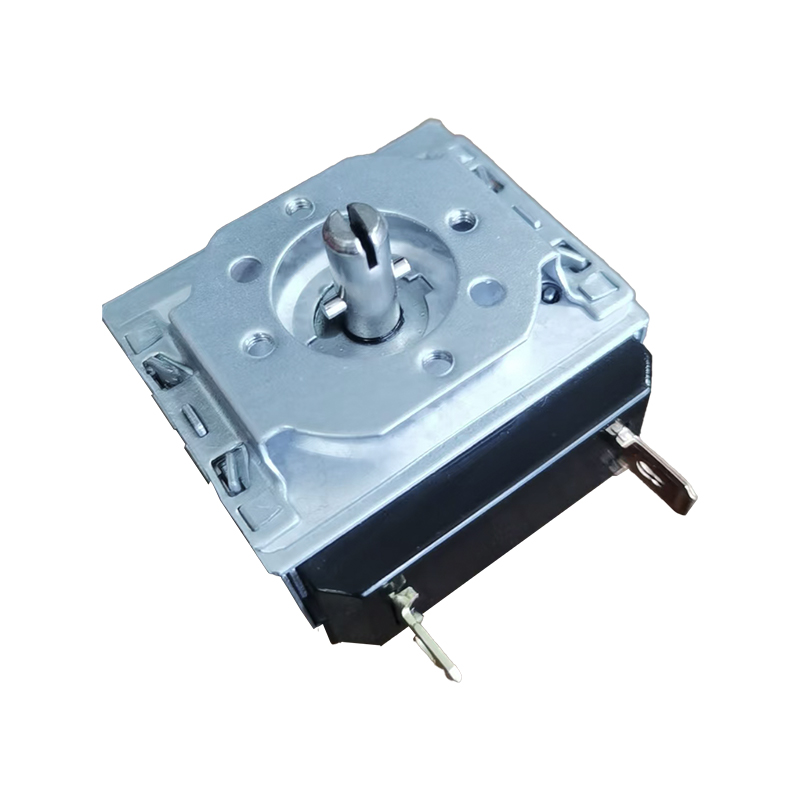
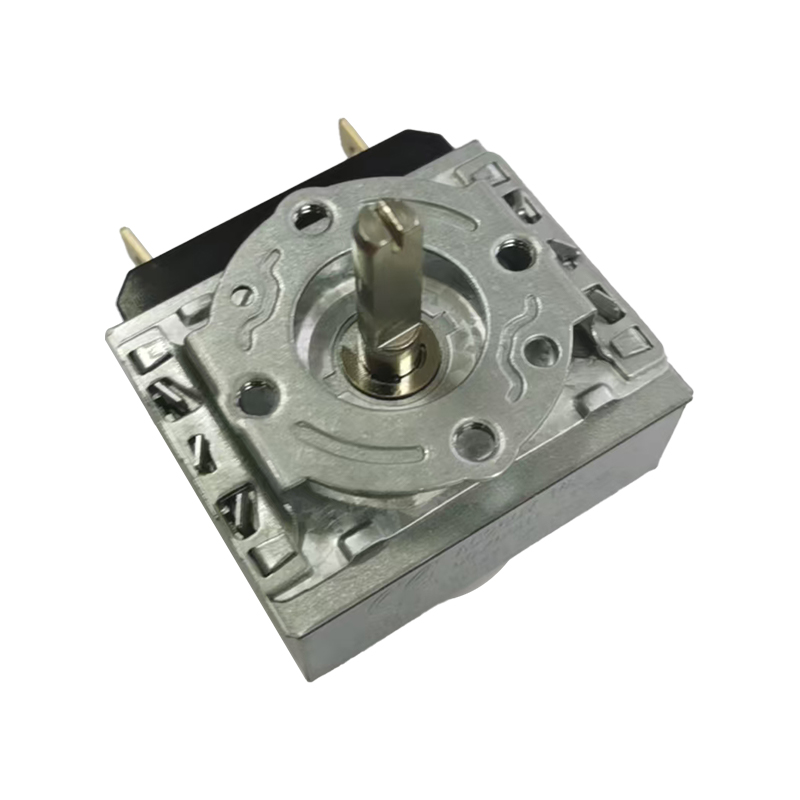
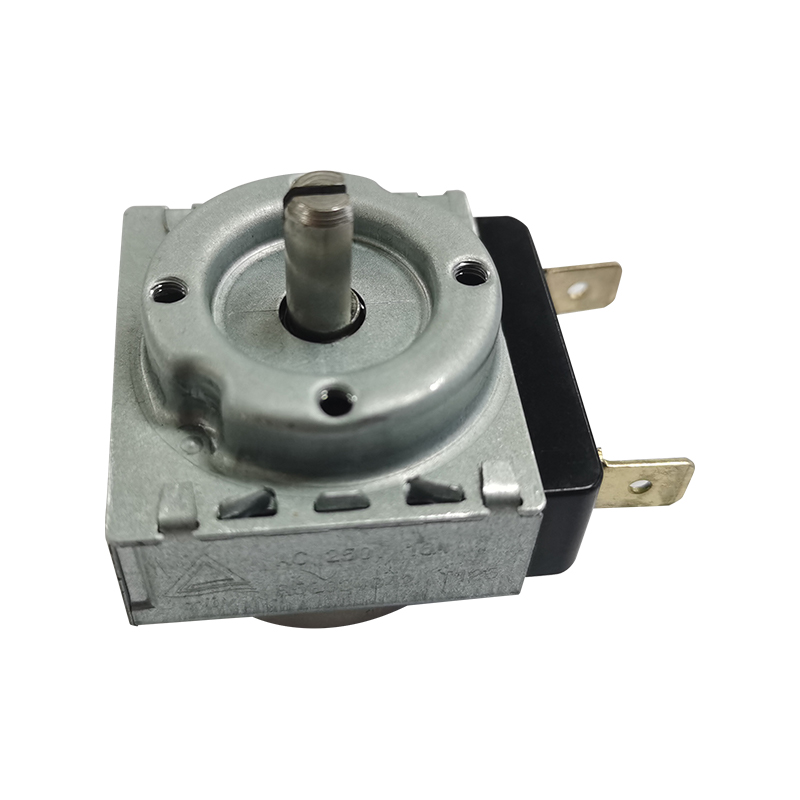
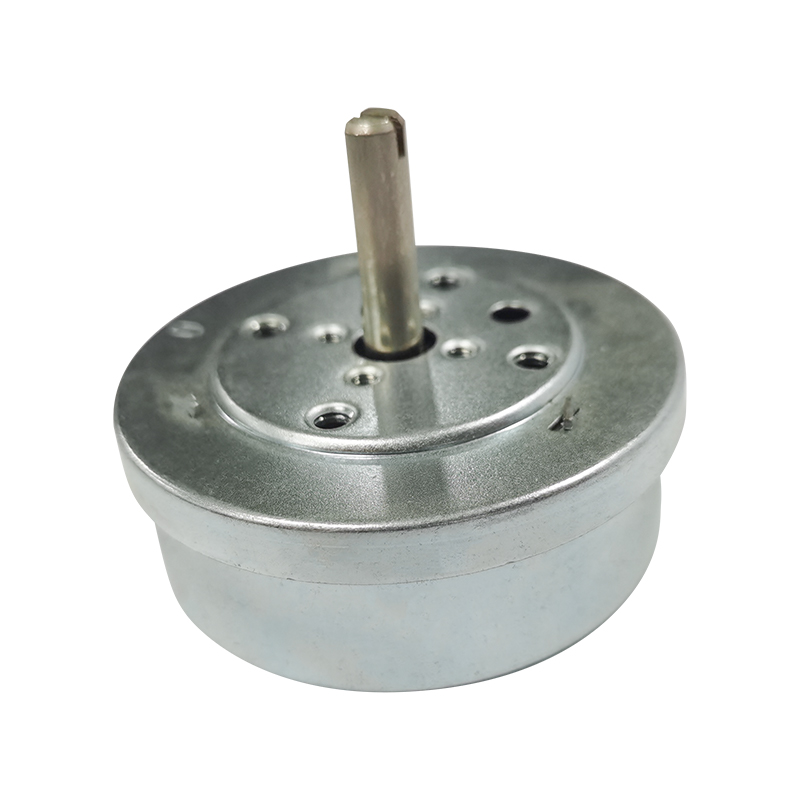
Yes, mechanical timers are susceptible to damage under high temperatures. When used in home appliances such as ovens and air fryers, prolonged exposure to elevated heat can degrade internal components, reduce timing accuracy, and ultimately shorten the timer's lifespan. Understanding how heat affects each part of a mechanical timer helps users and manufacturers make more informed decisions about selection, installation, and maintenance.
How High Temperatures Affect the Internal Components of Mechanical Timers
Mechanical timers rely on a combination of springs, gears, cams, and plastic or metal housings to function accurately. Each of these components responds differently to heat, and their combined degradation under thermal stress can cause significant malfunctions.
Spring Fatigue and Elastic Modulus Change
The mainspring is the power source of a mechanical timer. Most mainsprings are made from carbon steel or stainless steel. When temperatures exceed 120°C, the elastic modulus of standard carbon steel begins to decrease noticeably. This means the spring cannot store or release energy as consistently, leading to uneven torque and irregular timing intervals. In air fryers and countertop ovens where surface temperatures near the control panel can approach 80–110°C during extended use, this is a realistic concern.
Gear and Cam Wear
Gears in mechanical timers are often made from engineering plastics such as POM (polyoxymethylene) or nylon, or from zinc alloy. POM begins to soften around 150°C, while nylon (PA66) loses structural rigidity above 100°C under continuous load. Deformed gear teeth increase friction, cause skipping, and introduce timing errors that compound over time.
Lubrication Breakdown
Mechanical timers use precision lubricants to reduce friction between moving parts. Standard mineral-based greases typically have an upper service temperature of 80–100°C. Above this range, the grease oxidizes, loses viscosity, or evaporates, leaving metal surfaces in direct contact. This increases wear rates dramatically and generates noise—a common early sign of heat-induced lubricant failure in kitchen appliance timers.
Housing and Sealing Degradation
The outer casing of most mechanical timers is made from ABS plastic or polycarbonate. ABS starts to deform at around 100°C, and repeated thermal cycling—heating up during appliance operation and cooling down afterward—causes micro-cracking and warping. Over time, this compromises the structural integrity of the housing and allows dust or moisture ingress, further accelerating internal damage.
Typical Operating Temperature Ranges and Component Thresholds
The following table compares the thermal environment of common home appliances with the tolerance thresholds of key timer components:
Table 1: Appliance surface temperatures vs. timer component thermal limits
| Component / Environment |
Safe Operating Temp |
Risk Onset Temp |
| Air fryer control panel surface |
Up to 80°C |
— |
| Countertop oven near timer |
Up to 110°C |
— |
| Mineral grease lubricant |
≤ 80°C |
80–100°C |
| Nylon (PA66) gear |
≤ 90°C |
90–110°C |
| POM gear |
≤ 120°C |
120–150°C |
| ABS plastic housing |
≤ 85°C |
85–105°C |
| Carbon steel mainspring |
≤ 120°C |
> 120°C |
As shown, the weakest link in a standard mechanical timer under heat stress is the lubricant, which can begin failing at temperatures that are already present on some oven control surfaces during heavy use.
Common Failure Symptoms Caused by Heat Damage
Heat damage to a mechanical timer rarely causes sudden failure. Instead, it progresses through recognizable stages:
- Timing drift: The timer runs slightly fast or slow compared to actual elapsed time. A timer set for 30 minutes might ring at 27 or 34 minutes. This is often the first sign of spring fatigue or gear deformation.
- Stiff or difficult rotation: The knob becomes harder to turn, indicating increased friction from dried-out lubricant or warped gears.
- Grinding or ticking noise: Abnormal sounds during countdown suggest metal-on-metal contact due to lubricant failure.
- Failure to ring or incomplete countdown: The timer stops partway through its cycle, indicating a seized gear or collapsed spring.
- Cracked or discolored housing: Visible plastic deformation around the dial, often accompanied by a burnt smell, signals housing-level thermal damage.
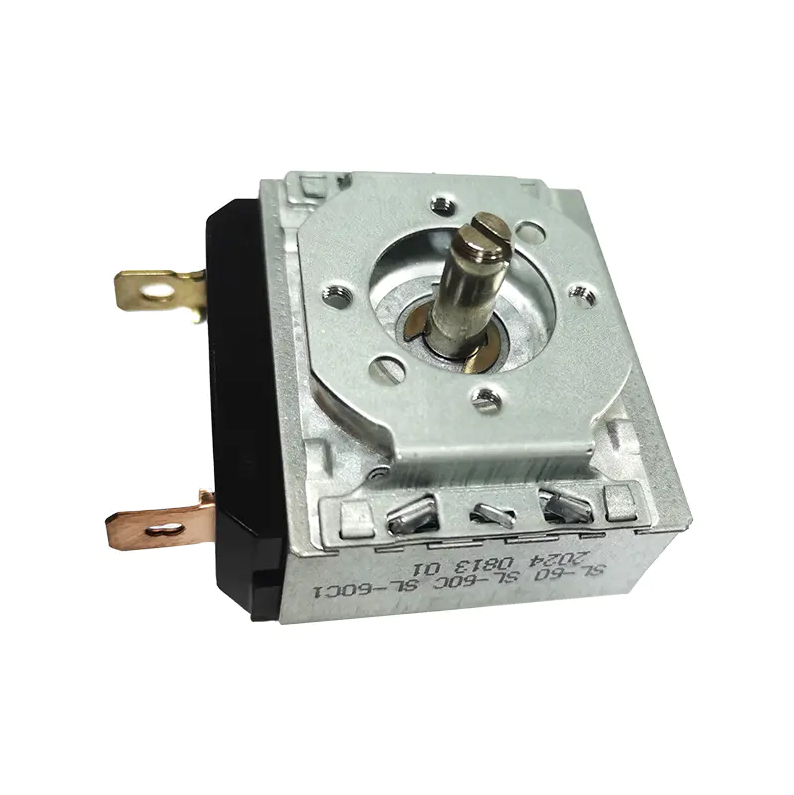
How Mechanical Timer Design Can Mitigate Heat Damage
Not all mechanical timers perform equally under heat. Certain design and material choices significantly improve heat resistance, which is especially relevant for timers used in home cooking appliances.
High-Temperature Lubricants
Replacing standard mineral greases with synthetic lubricants rated for 150°C or higher—such as PTFE-based or silicone-based greases—substantially extends the thermal life of a timer. These lubricants maintain stable viscosity across a wider temperature range and resist oxidation.
Metal Gear Trains
Switching from plastic gears to zinc alloy or brass gear trains raises the safe operating temperature ceiling significantly. Metal gears tolerate temperatures well above 200°C without deformation, though they do require adequate lubrication to prevent increased wear.
Heat-Resistant Housing Materials
Using PBT (polybutylene terephthalate) or glass-filled nylon for the housing, rather than standard ABS, can raise deformation resistance to above 150°C. These materials are more commonly found in timers designed specifically for cooking appliances.
Thermal Isolation and Mounting Position
From an appliance engineering perspective, positioning the timer away from direct heat sources and using thermal insulation barriers between the heating element and the timer cavity can reduce the ambient temperature around the timer by 20–40°C, dramatically extending its functional life without requiring component upgrades.
Comparing Mechanical Timers to Electronic Timers in High-Temperature Environments
When selecting a timer for a heat-intensive appliance, it is worth understanding how mechanical and electronic timers compare under thermal stress:
Table 2: Mechanical vs. electronic timer characteristics in high-temperature use cases
| Feature |
Mechanical Timer |
Electronic Timer |
| Heat resistance |
Moderate (material-dependent) |
Lower (circuit boards sensitive to heat) |
| Timing accuracy |
Degrades with heat and wear |
Remains accurate until failure |
| Failure mode |
Gradual, detectable early |
Often sudden and complete |
| Maintenance |
Re-lubricable in some designs |
Generally not field-serviceable |
| Works without power |
Yes |
No |
| Suitable for cooking appliances |
Yes, with proper design |
Yes, with thermal shielding |
One notable advantage of mechanical timers in cooking appliances is their gradual failure pattern. Unlike electronic timers, which can stop functioning abruptly, mechanical timers usually show warning signs—such as drift and noise—before complete failure, giving users time to address the issue.
Practical Tips for Extending Mechanical Timer Life in Hot Appliances
For home appliance users and product designers, the following practices help maximize the service life of mechanical timers in high-temperature environments:
- Avoid setting the timer during peak preheat phases. Temperatures near the appliance surface are highest during preheat. Setting the timer after the initial heat surge reduces cumulative thermal exposure.
- Allow the appliance to cool before storing. Repeatedly trapping residual heat inside a closed oven or fryer accelerates thermal cycling damage to the timer.
- Watch for early failure signs. Any change in the sound or stiffness of the timer dial is an early warning. Addressing it early—by consulting the manufacturer—can prevent complete failure.
- Choose appliances with thermally isolated timer placement. When purchasing a new oven or air fryer, check if the timer control is positioned away from direct heat vents or the heating chamber wall.
- Confirm the timer's rated temperature range. Quality mechanical timers intended for kitchen appliance use should specify a rated operating temperature of at least 85–120°C. Timers without this specification may not be suited for sustained cooking-appliance use.
Conclusion
Mechanical timers are indeed vulnerable to high-temperature damage, but the degree of risk depends heavily on material selection, lubrication quality, design, and installation position within the appliance. For home cooking appliances like ovens and air fryers, a well-engineered mechanical timer using heat-resistant lubricants, metal gears, and high-temperature housing materials can operate reliably at ambient temperatures up to 120°C. Understanding the thermal thresholds of each component allows both manufacturers and users to take preventive steps that significantly extend timer performance and safety.



 English
 中文简体
中文简体