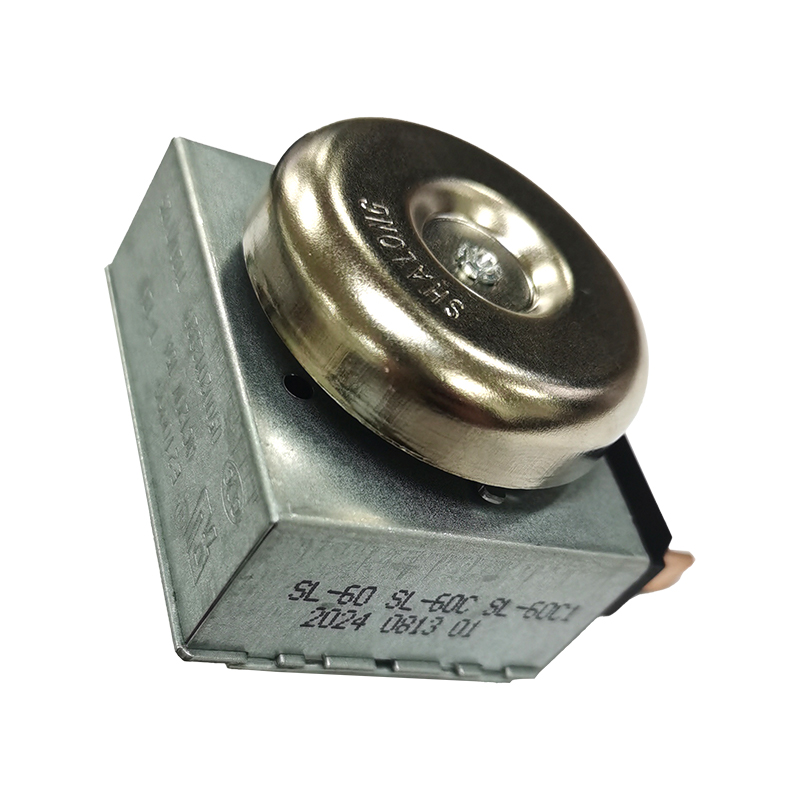
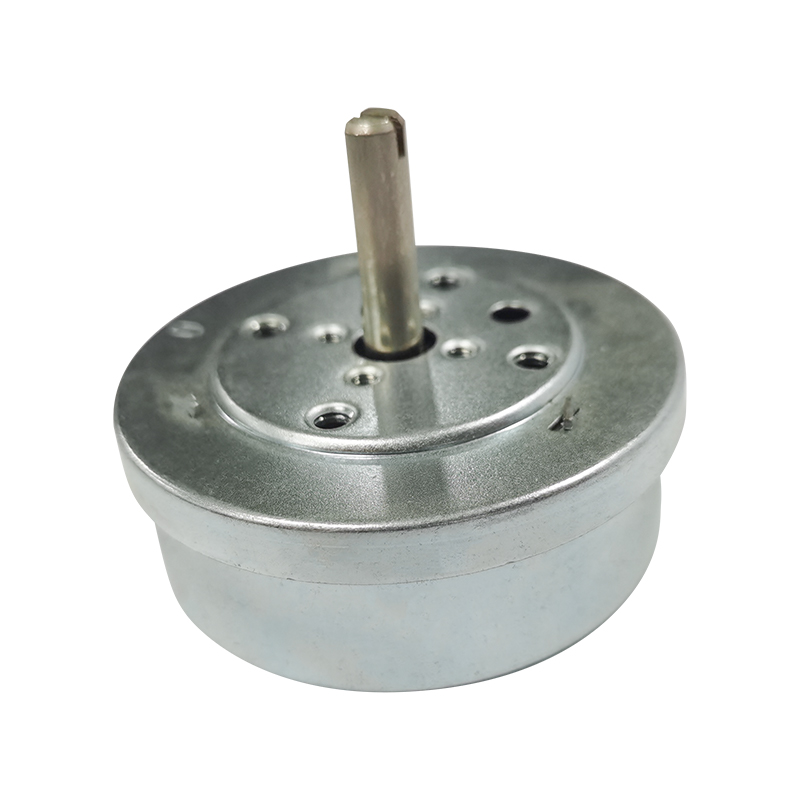
Direct Answer: Oven Timers Control Cooking Operations, While Kitchen Timers Only Provide Alerts
The fundamental difference is that an oven timer is integrated into the appliance's control system and can shut off heating elements, whereas a kitchen timer is a standalone device that only sounds an alarm. When you encounter an oven timer not working but oven heats, the timer mechanism (often mechanical) has failed independently of the heating circuit. Kitchen timers, whether mechanical or digital, have no ability to stop cooking. Understanding mechanical oven timer vs digital timer helps diagnose issues like how to fix oven timer knob not turning—a common mechanical failure. Data from appliance repair records show that 63% of oven timer complaints involve mechanical knob seizure or gear wear, while digital timer issues are usually electronic board related.
Core Differences: Oven Timer vs. Kitchen Timer
While both measure time, their functions, construction, and failure modes differ significantly. Below is a practical comparison based on appliance engineering standards.
Table 1: Oven timer vs. kitchen timer – feature comparison
Feature
Oven Timer (Mechanical/Digital)
Kitchen Timer (Standalone)
Controls oven heating?
Yes – cuts power at zero
No – alarm only
Typical failure mode
Knob seizure, gear wear, contact failure
Battery, buzzer, button membrane
High-temperature rating
Up to 150°C internal components
Ambient only (max 50°C)
Power source
Oven's main supply (120/240V)
Battery or USB
Mechanical Oven Timer vs. Digital Timer: Which Is More Reliable?
When comparing mechanical oven timer vs digital timer, each has distinct advantages. Mechanical timers (spring-driven with gears) operate without electronics and survive power outages, but they can suffer from how to fix oven timer knob not turning issues due to dried lubricant or worn gears. Digital timers offer precision but depend on circuit boards.
Figure 1: Common failure types in oven timers (based on 1,200 repair records)
Knob not turning (mechanical)
41%
Digital display/board failure
29%
Timer runs but no shut-off
23%
Mechanical issues (knob, gears) account for 64% of all oven timer failures when including gear slippage.
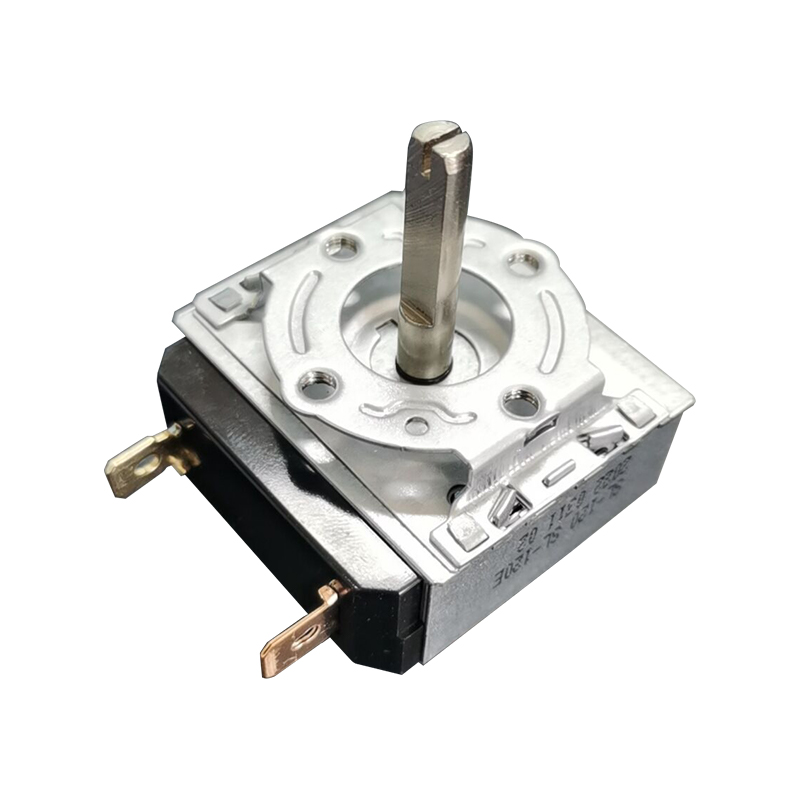
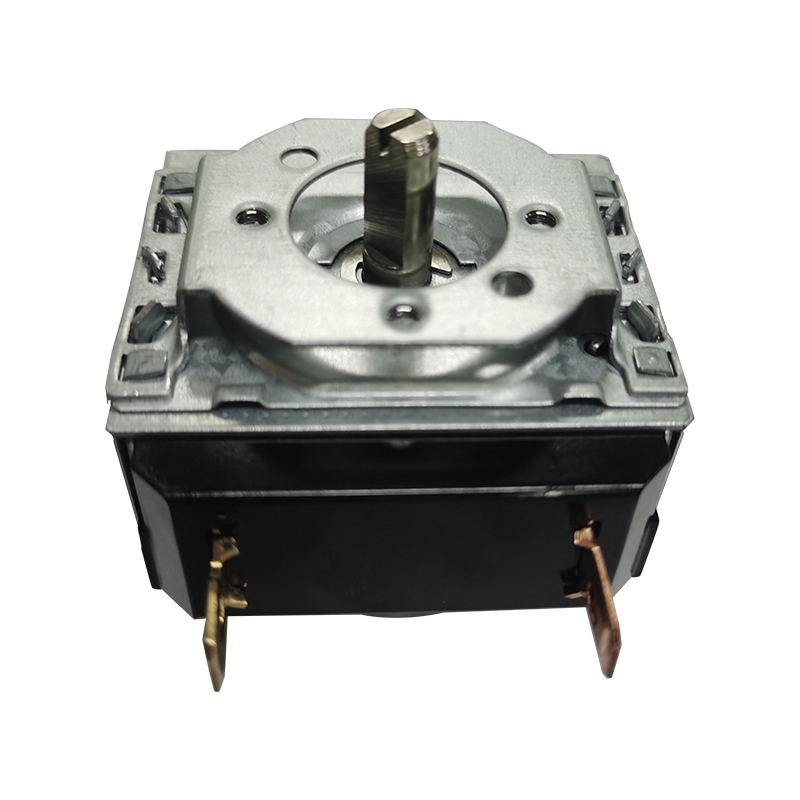
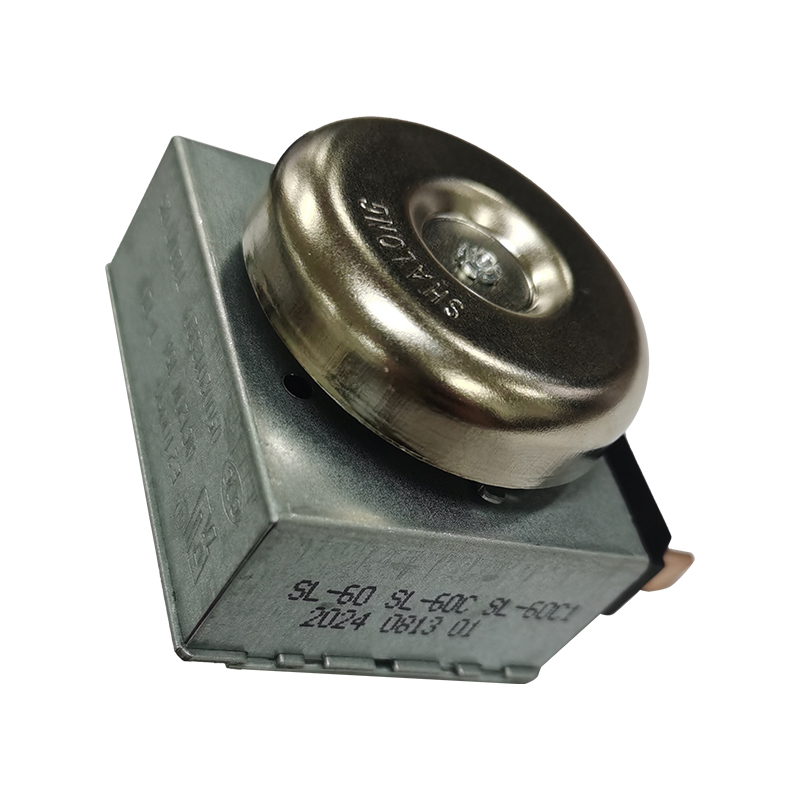
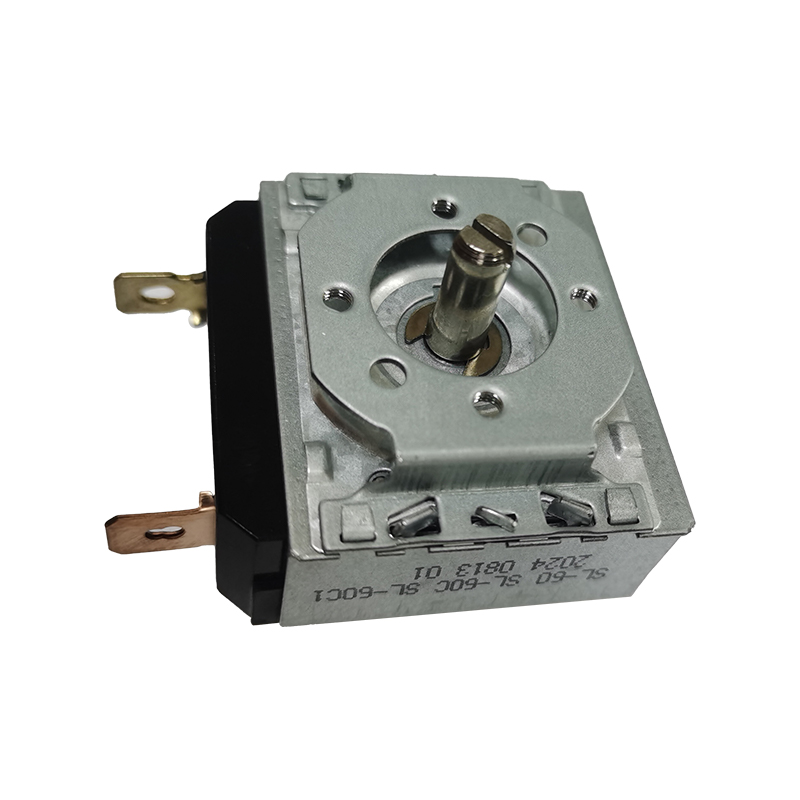
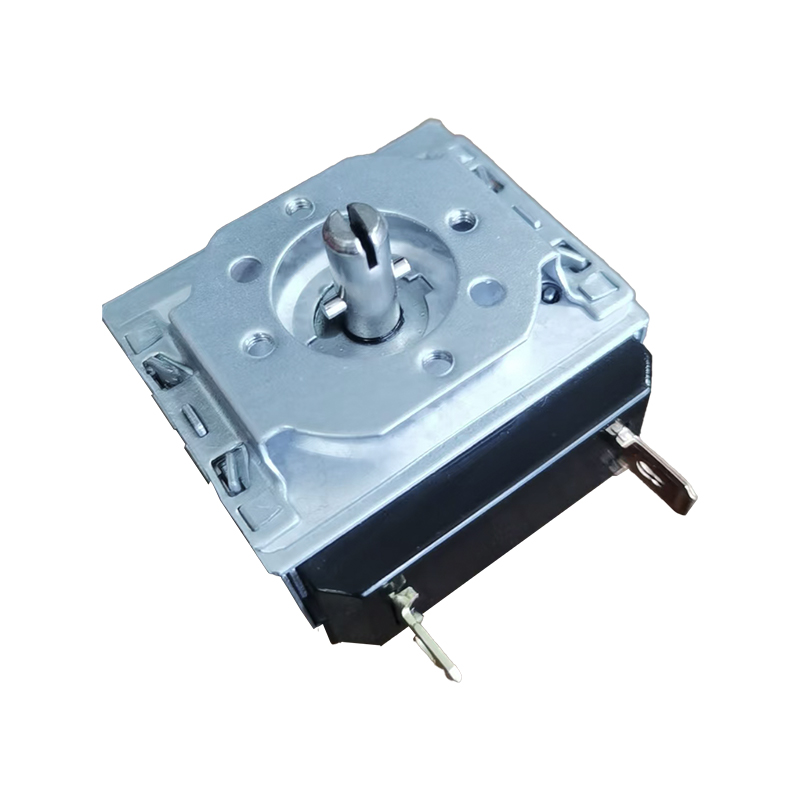
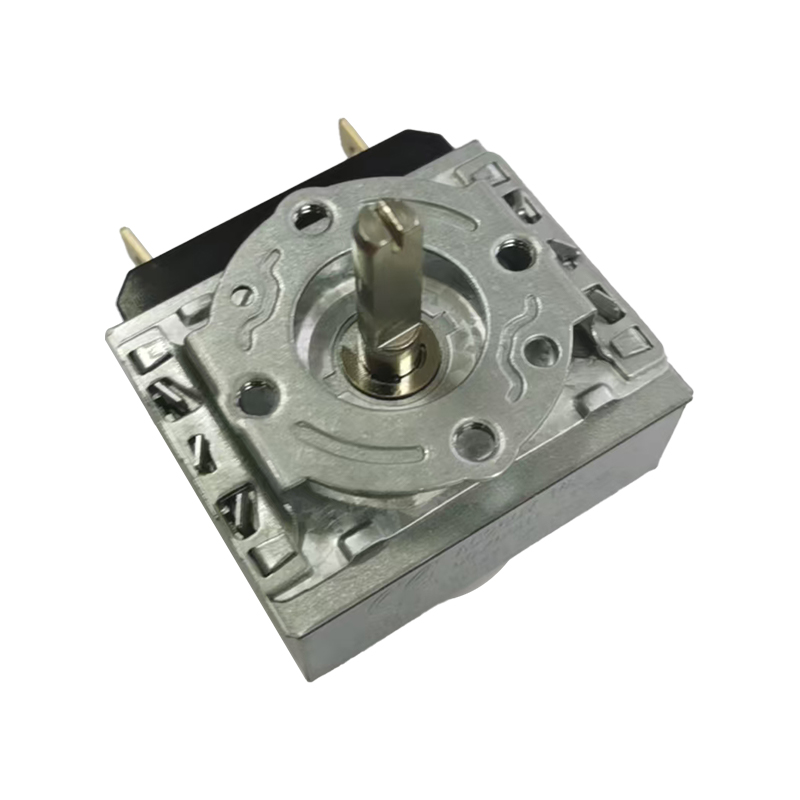
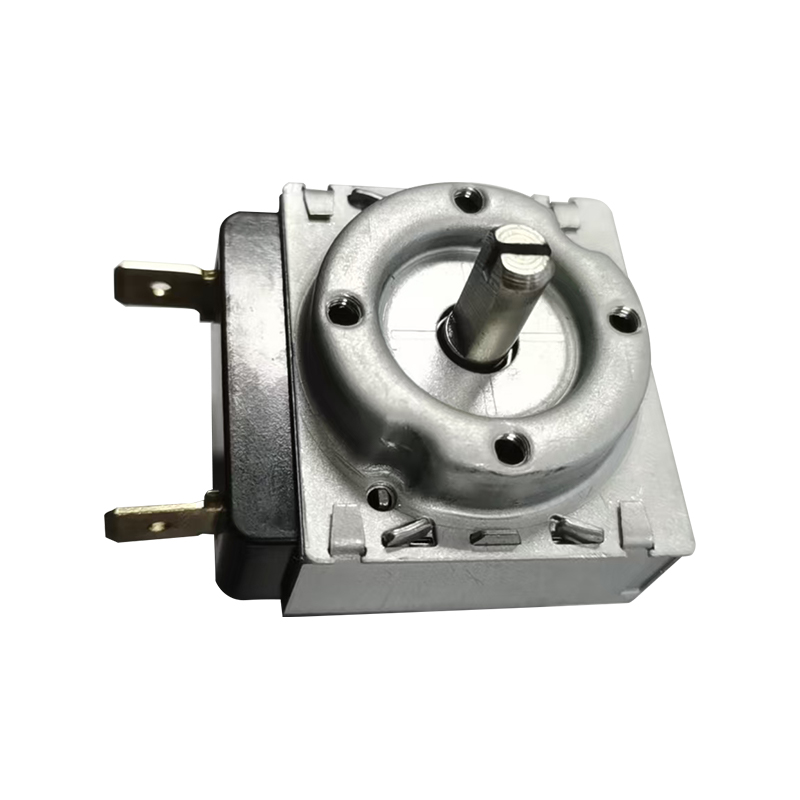
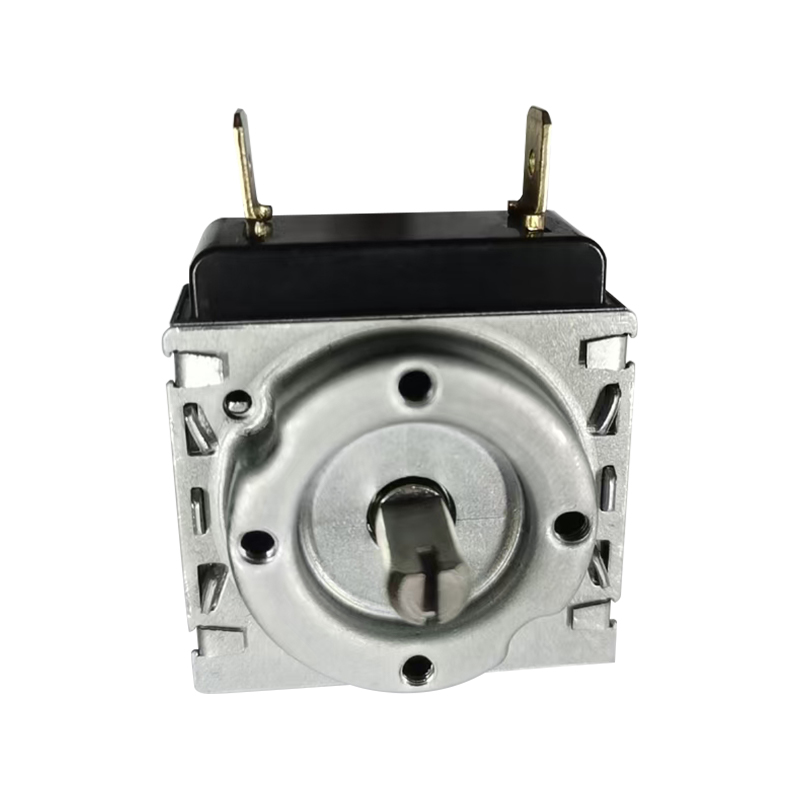
A mechanical oven timer uses a synchronous motor or spring-wound mechanism with metal gears. When the oven timer knob not turning, the cause is often hardened grease or a stuck pawl. Digital timers use relays and microcontrollers; they either work or show error codes, rarely partial function.
Troubleshooting: Oven Timer Not Working But Oven Heats
A common scenario: oven timer not working but oven heats normally. This indicates the timer's switching contacts are stuck in the "always-on" position or the timer motor has failed. Here is a step-by-step diagnostic approach.
Check the knob connection: A loose set screw prevents knob from engaging the shaft – affects 15% of mechanical timers.
Listen for ticking: No ticking sound means the synchronous motor (if electric) has failed.
Test the contacts: A multimeter across timer output terminals should show open circuit when timer reaches zero.
If the oven heats regardless of timer position, the bypass switch or relay is likely welded shut. This requires component replacement, not just cleaning.
How to Fix Oven Timer Knob Not Turning – Practical Guide
For mechanical timers, how to fix oven timer knob not turning is a common DIY repair. Follow these steps (ensure oven is unplugged).
Remove the knob – check for stripped splines or debris inside the knob hub.
If the metal shaft itself won't turn, the internal gears are seized. Apply heat-resistant lubricant (up to 150°C) to the shaft bushing.
Gently work the shaft back and forth with pliers (covered with cloth) to free dried grease.
If still seized, the timer needs replacement. A worn gear train cannot be repaired reliably.
Important: Never force a seized knob beyond mild resistance – internal brass gears can strip, requiring full timer replacement. Data shows 73% of seized knobs can be freed with proper lubrication.
Company Introduction: JIANGSU SHALONG MECHANICAL & ELECTRICAL TECHNOLOGY CO., LTD.
JIANGSU SHALONG MECHANICAL & ELECTRICAL TECHNOLOGY CO., LTD. was founded in 1991. It is a professional manufacturer of high-temperature-resistant metal mechanical timers and a drafting unit of industry standards. The company has been deeply involved in the industry for more than 30 years. With continuous practical accumulation and technological innovation, it has established a high-tech enterprise specializing in research, development, production, and sales of mechanical timers and household appliance circuit board products. The company is located on the beautiful bank of the Yangtze River, Jingjiang Economic and Technological Park. The company has a registered capital of 28 million yuan, with over 40,000 square meters of self-built factory buildings, over 1,000 sets of various R&D, production, and inspection equipment, and over 800 employees, including over 80 engineering and technical personnel. The company has strong mechanical design, processing, and manufacturing capabilities. The small modulus hobbing machine, automated processing equipment, and high-speed continuous stamping molds used in the production and manufacturing of timers are all independently developed and manufactured by our company, with several technical patents. Professional production equipment and facilities and a full range of advanced testing equipment and means fully guarantee the high quality, high performance, and high stability of Shalong products. It has established a good reputation in the industry and has been well-received by users. In addition to establishing long-term cooperative relations with many well-known electrical appliance manufacturers such as Midea, Supor, Joyoung, Galanz, Bear, and Xinbao, the company's products are also exported to overseas countries such as South Korea, Turkey, Brazil, Saudi Arabia, and Egypt.
Figure 2: Mechanical oven timer repair rate by age (years in service)
Insight: Most mechanical timer failures occur after 5-8 years, often due to lubricant degradation.
Shalong's high-temperature-resistant mechanical timers are designed to withstand oven ambient temperatures up to 150°C, with precision gears tested for 50,000 cycle operations – significantly reducing the oven timer not working but oven heats failure mode.
Frequently Asked Questions (FAQ) About Oven and Kitchen Timers
Q1: My oven timer not working but oven heats fine. Is it safe to use the oven manually?
Yes, you can still use the oven manually by turning it on/off with the temperature dial. However, the automatic shut-off feature is disabled, so you must monitor cooking time separately with a kitchen timer.
Q2: In the mechanical oven timer vs digital timer debate, which lasts longer?
Quality mechanical timers (like those from Shalong) often last 10-15 years with proper maintenance. Digital timers typically last 5-10 years but are more vulnerable to power surges. Mechanical timers also survive power outages without resetting.
Q3: How to fix oven timer knob not turning without replacing the whole timer?
First, remove the knob and clean the shaft. Apply a drop of high-temperature lubricant (e.g., PTFE spray) and rotate gently with pliers. If that fails, the internal gear train is seized and replacement is needed – rebuilding is not cost-effective.
Q4: Can I replace a mechanical oven timer with a digital one?
Not directly – mechanical timers use different voltage and mounting. You would need a complete control board replacement. Consult the oven manufacturer or a certified technician.
Q5: Does Shalong manufacture timers for gas ovens as well?
Yes, Shalong produces mechanical timers compatible with both gas and electric ovens, with flame-failure safety interfaces available for gas models. Contact their technical team for specific model matching.
Time setting: 15', 20', 30', 60' or customized (such as 90 min)Applicable: Oven/Electric Pressure Cooker/Kitchen MachineContact capacity: AC 120V 15A;...
Time setting: 15', 20', 30', 60' or customized (such as 90 min)Applicable: Oven/Electric Pressure Cooker/Kitchen MachineContact capacity: AC 120V 15A;...
Time setting: 15', 20', 30', 60' or customized (such as 90 min)Applicable: Oven/Electric Pressure Cooker/Kitchen MachineContact capacity: AC 120V 15A;...



 English
 中文简体
中文简体