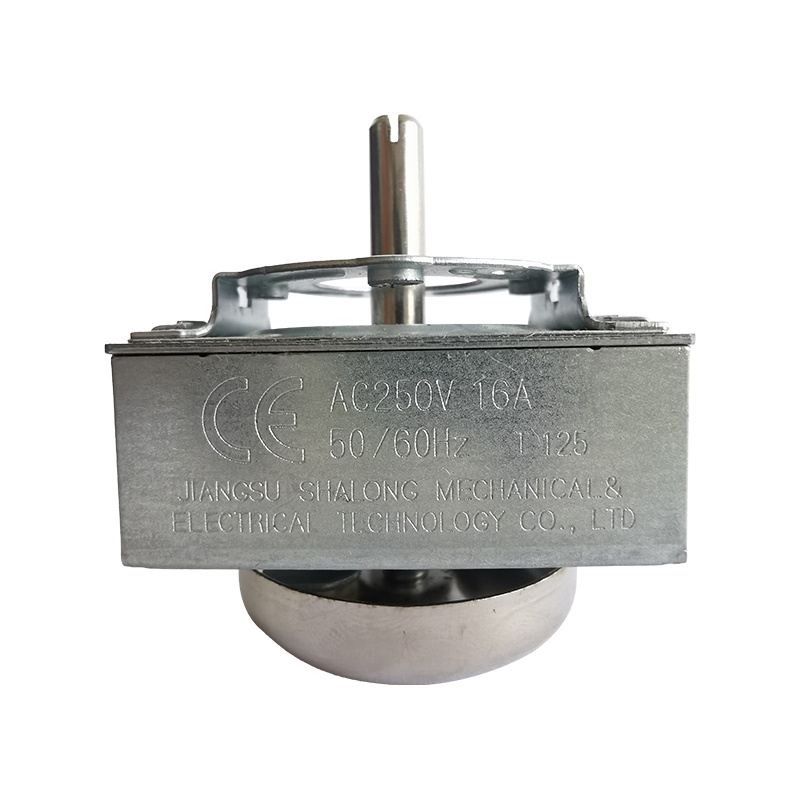
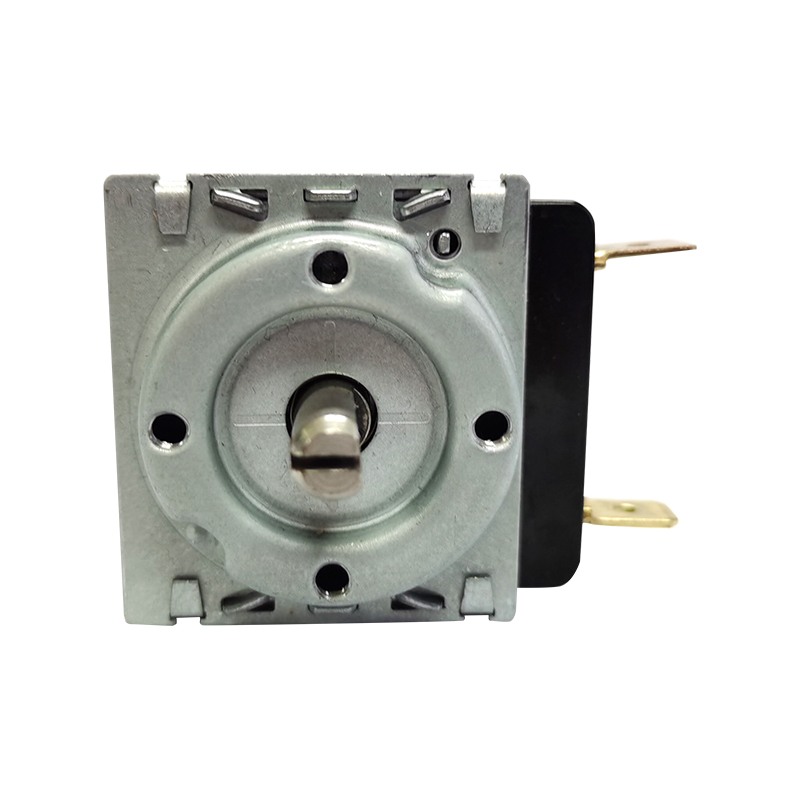
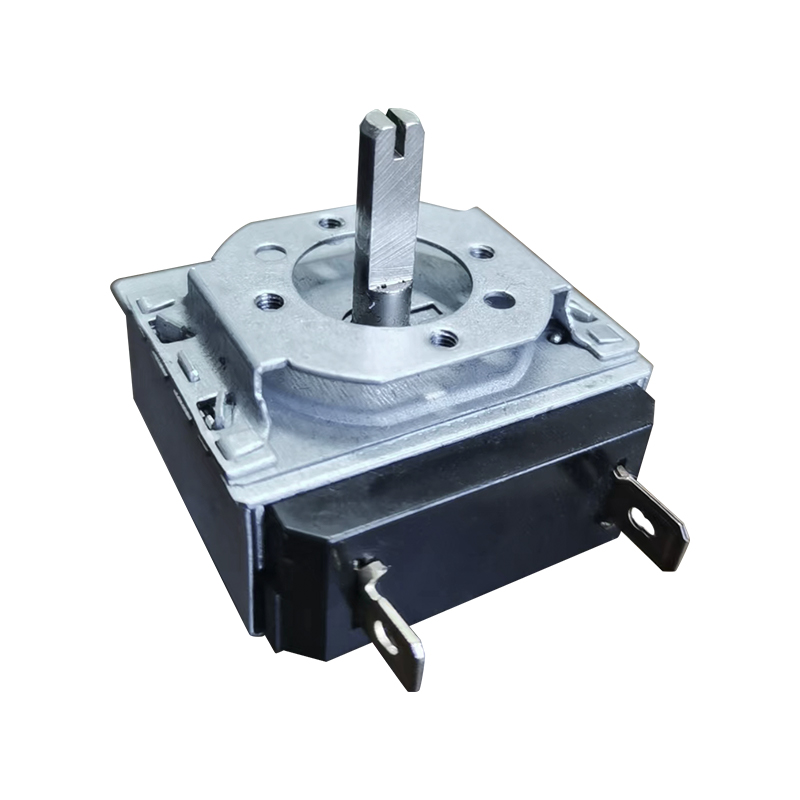
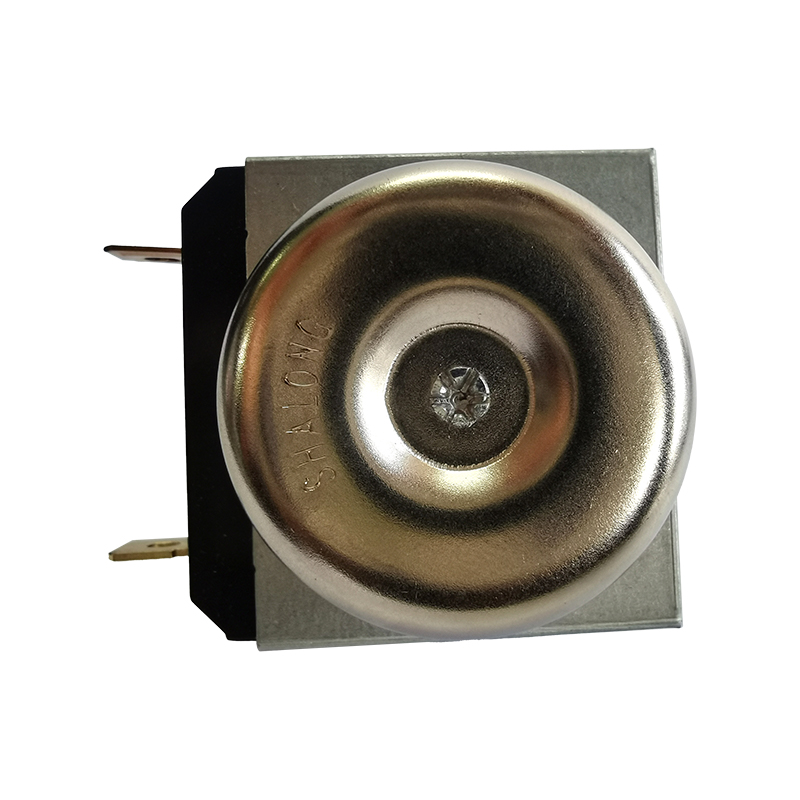
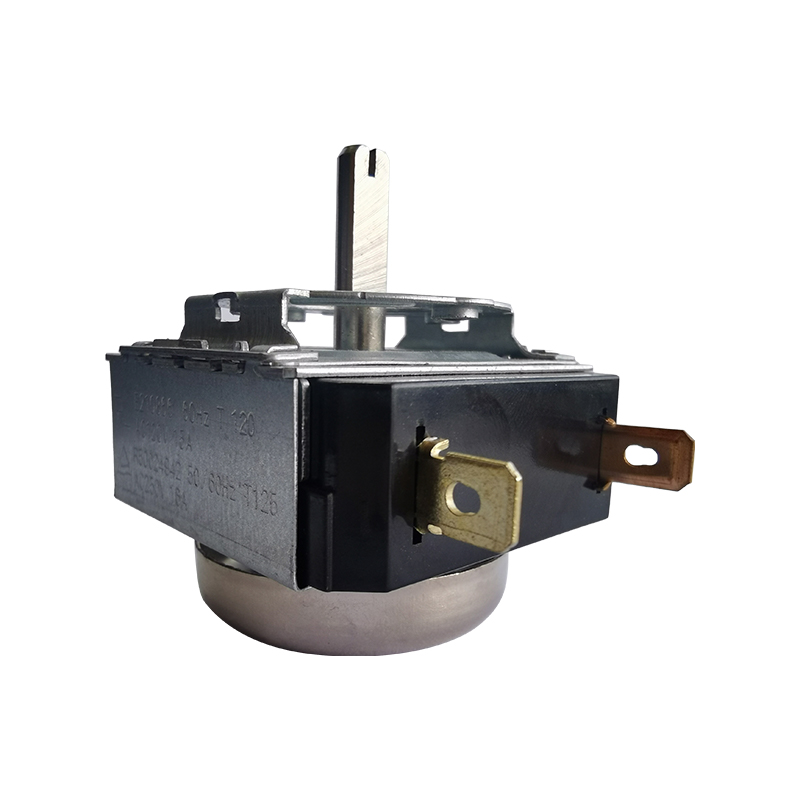
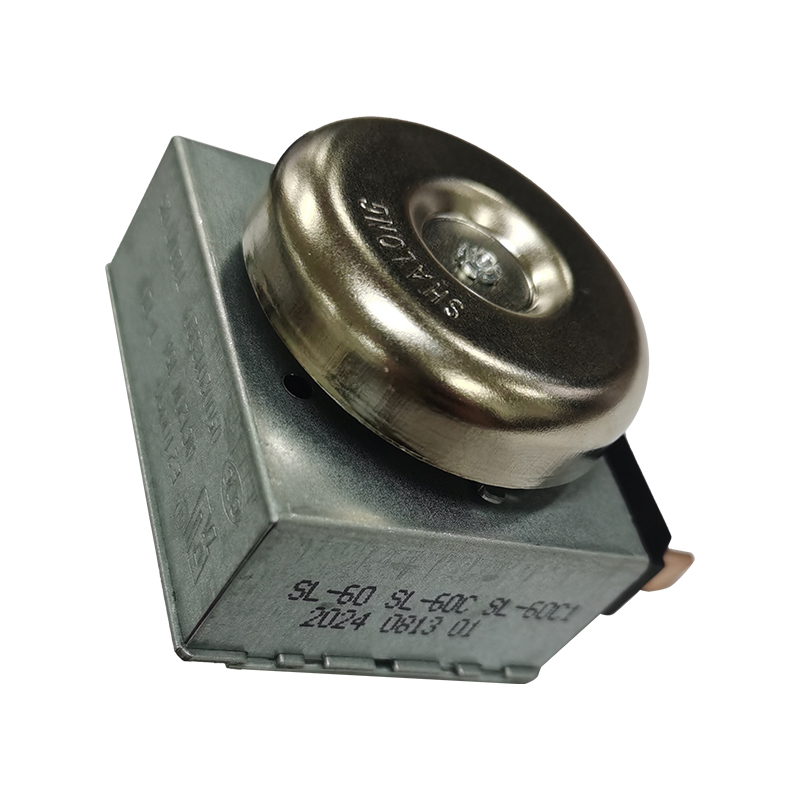
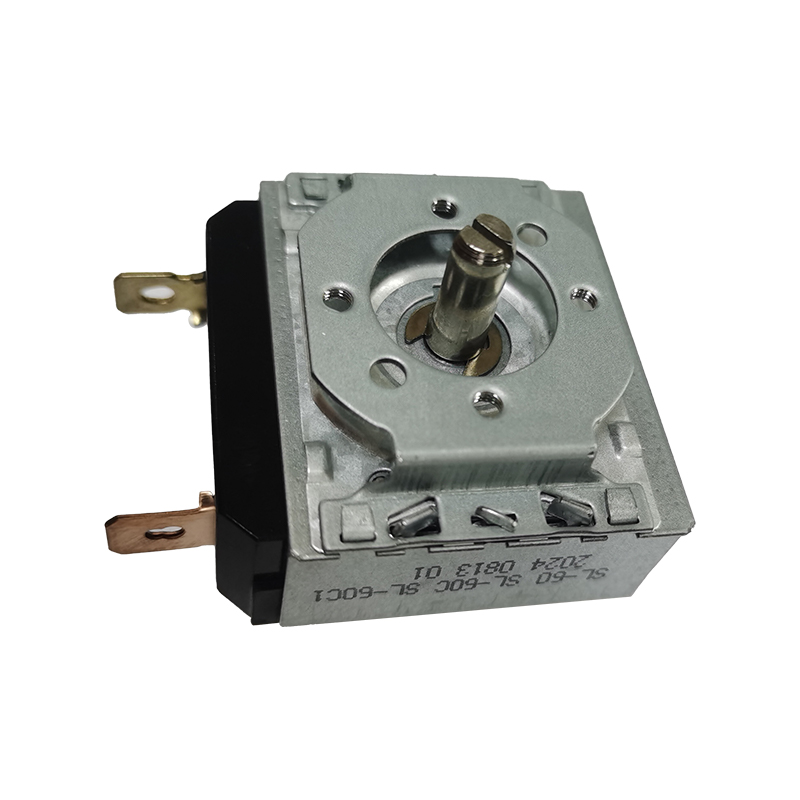
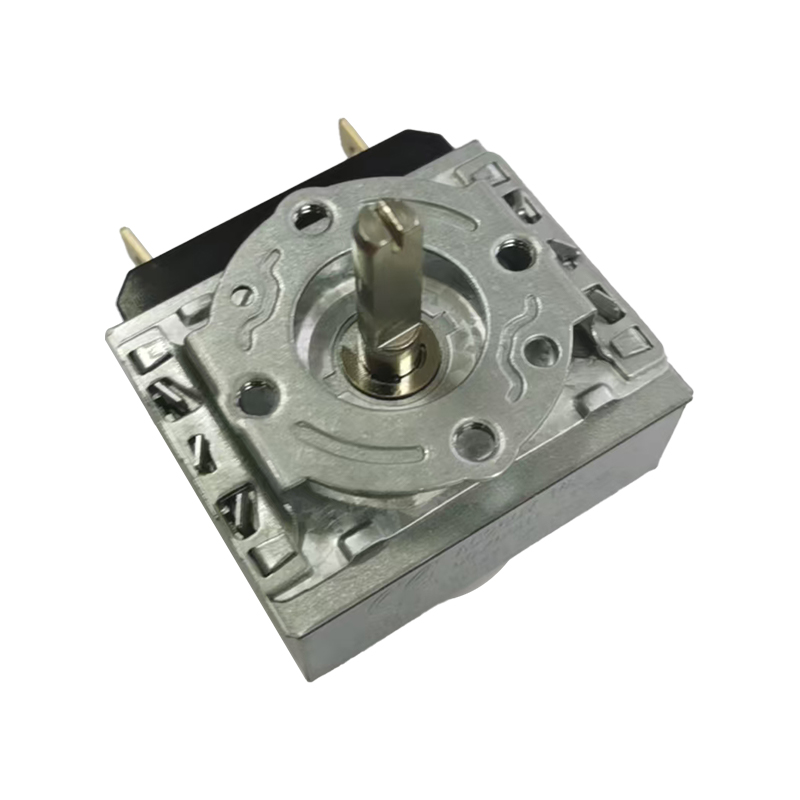
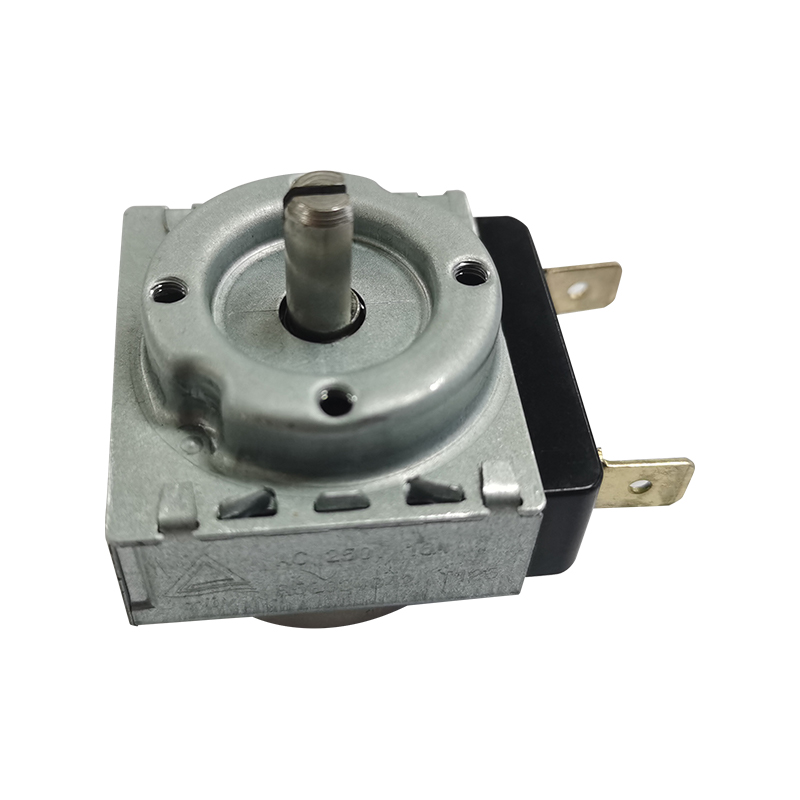
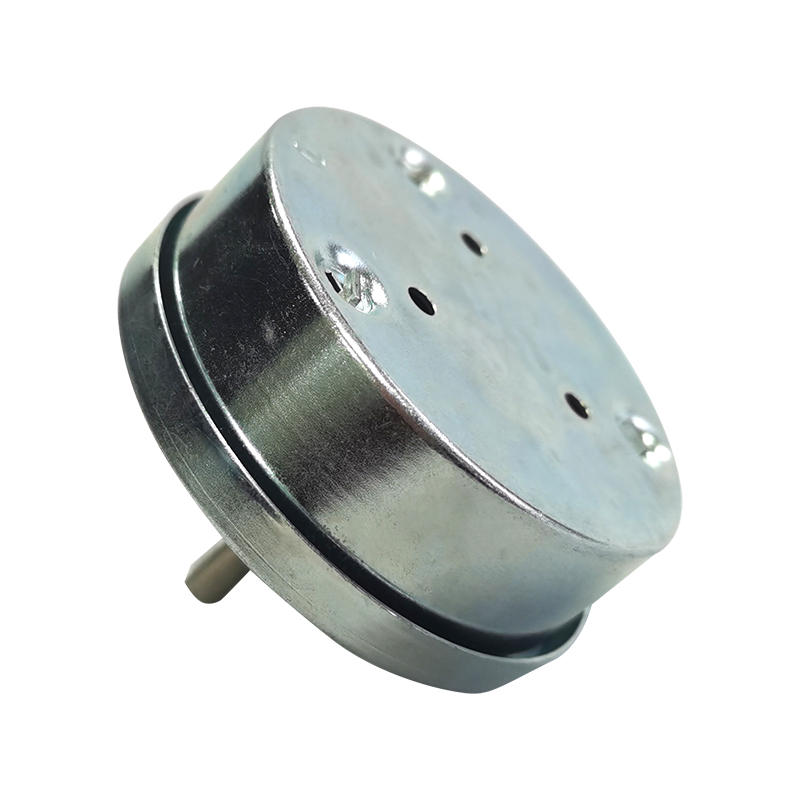
In everyday use of electric ovens, air fryers, or industrial heating equipment, the feel of the mechanical timer knob directly impacts the user experience. Normally, the resistance of a mechanical timer should be uniform and elastic. If you find that the resistance fluctuates or even feels stuck when turning the knob, this is often a signal from the internal or external structure of the equipment.
1. External Structural Interference: Knob-Panel Friction
Many times, the problem isn't inside the mechanical timers, but in the external assembly.
Eccentric Installation: If the timer isn't perfectly perpendicular to the oven panel when fixed, the mechanical timer's axis will be off-center, causing the knob to rub against the edge of the panel during rotation, resulting in uneven resistance.
Knob Deformation or Thermal Expansion: Prolonged exposure to high temperatures can cause slight deformation of the plastic knob. When the bottom of the knob is too close to the equipment casing, the friction generated during rotation can cause fluctuations in resistance.
2. Internal Gear System Meshing Issues
The core of a mechanical timer consists of a complex gear reduction mechanism.
Foreign objects or impurities in gears: In production environments or during long-term use, if tiny dust particles or metal fragments enter the housing and fall into the gear meshing area, they will create noticeable resistance at specific angles.
Gear precision and wear: Inferior mechanical timers may have problems with gear injection molding burrs or insufficient precision. When the gear rotates to a tooth position with poor mold precision, the resistance will increase instantaneously.
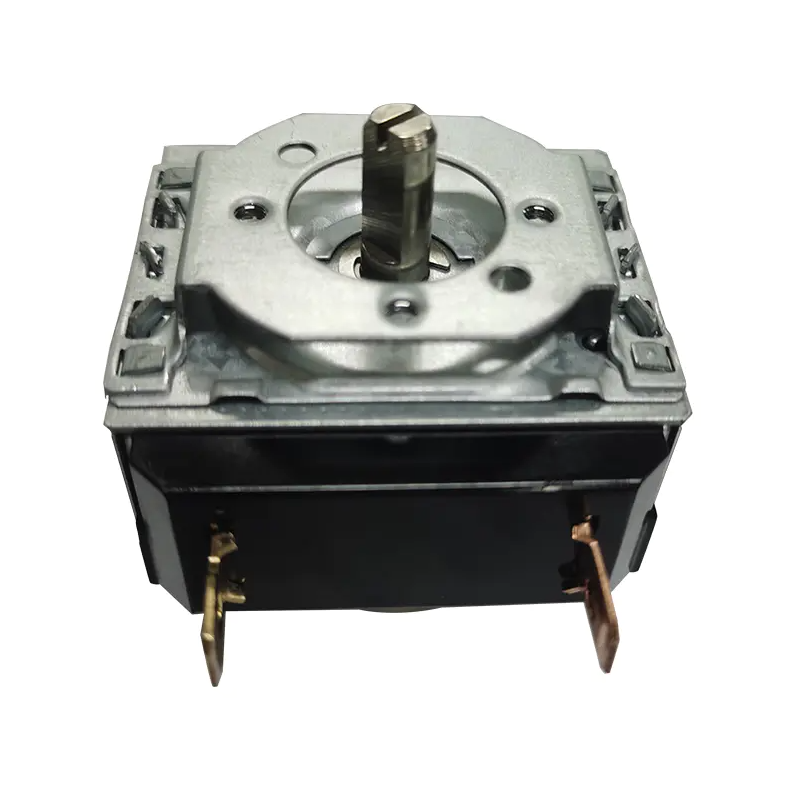
3. Power source – Output state of the mainspring
Mechanical timers rely on an internal mainspring for energy storage.
Uneven mainspring force: If the mainspring experiences layering or poor lubrication during winding, it may cause resistance jumps when releasing energy.
Degraded lubricating oil performance: This is one of the most common causes. High-quality mechanical timers use special high-temperature grease. If low-end lubricating oil is used, under long-term high-temperature baking, the grease will oxidize, dry out, or even clump, causing the resistance of the mainspring and gears to fluctuate during rotation.
4. Clutch mechanism and contact pressure
To achieve the power-off function when the timing ends, mechanical timers have a cam and contact mechanism inside.
Cam resistance: When the knob is turned close to the critical point of contact transition, the cam needs to overcome significant spring pressure. If the mechanism design is flawed or materials are fatigued, this "functional resistance" can become abnormally pronounced, giving the user the illusion of uneven resistance.
How to effectively solve the problem of uneven resistance?
Check alignment: First, remove the knob and observe whether the shaft is centered on the panel opening to eliminate external interference.
Choose high-quality products: When purchasing a mechanical timer, pay attention to whether the manufacturer uses high-temperature resistant grease and high-precision alloy gears.
Load matching test: Ensure the mechanical timers temperature rating (e.g., T125 standard) meets the operating environment of the appliance to prevent internal parts from deforming due to overheating, leading to a deterioration in feel.
The knob resistance fluctuation of a mechanical timer is usually a reflection of manufacturing process or installation details. For consumers, this may just be a matter of feel; but for manufacturers, it relates to product durability and brand reputation. Choosing a mechanical timer with strict quality control processes ensures smooth and consistent knob rotation.



 English
 中文简体
中文简体