English
 中文简体
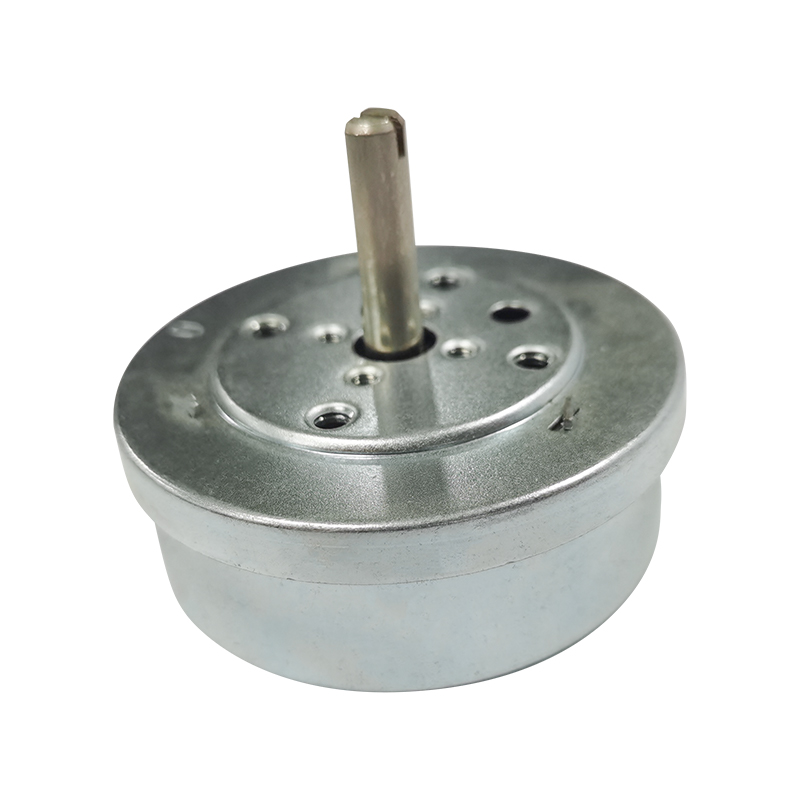
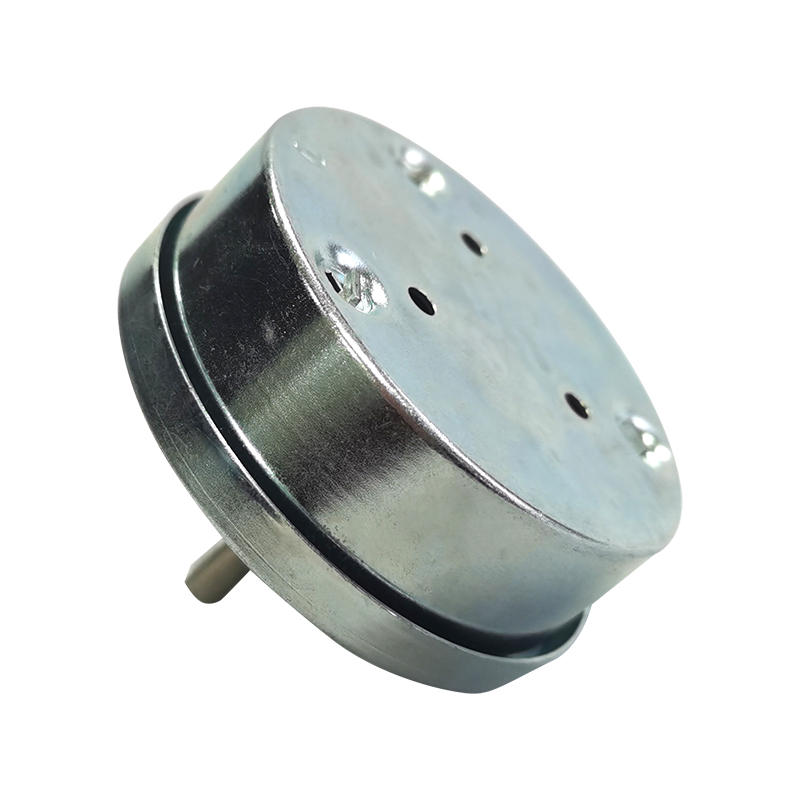
中文简体Metal mechanical timer by manual SL 1-120min CE
Cat:SL-X series regular timer
Time setting: 15', 20', 30', 60', 100',120', 180' or customized (1-180min timer range)Applicable: Microwave/Oven/Electric Pressure Cooker/Kitchen Mach...
See Details


Content
In a busy commercial kitchen, a full oven of pastries goes in at 190°C. The recipe gives the baker an eight-minute window, but the appliance timer rings too quietly to be heard over the exhaust hood. By the time someone notices, the pastries are dark, dry and unsellable. When the same oven is fitted with an audible, mechanically reliable oven timer, the batch turns out the same every time, shift after shift. That single component is the difference between a predictable kitchen and a chaotic one.
For the end user, the oven timer is the part that turns cooking time into consistent results. For the appliance manufacturer, the stakes are even higher. The timer carries an electrical load, sits close to heat, and must survive years of daily rotation, ringing and temperature cycling. The right choice lowers warranty returns, simplifies export certification and improves how the whole appliance is perceived. The wrong choice creates field failures that are expensive to trace after tens of thousands of units have already shipped.
Mechanical designs keep a strong position in this application because they work without external power, tolerate heat well and have decades of production history behind them. Engineers who want evidence of the functional impact can study how the oven mechanical timer helps improve baking results before a model is approved. Linking timing behavior to finished food quality is the right way to judge a candidate component, rather than comparing only its price per unit.
The first decision an engineer makes is whether to build the appliance around a mechanical movement or an electronic timing circuit. On paper, electronic timers look more precise because they count from a quartz oscillator. In a real oven environment, however, heat, humidity, voltage fluctuations and power failures change the picture. A design that works perfectly on a test bench can behave very differently inside a sealed control panel positioned directly above a hot cavity.
| Aspect | Mechanical oven timer | Electronic oven timer |
|---|---|---|
| Power source | Self-powered by a spring; no electricity needed for timing | Requires AC supply or battery backup |
| Power outage behavior | Countdown continues and the alarm still rings | Stops or resets when power is lost |
| High-temperature resistance | Metal gear train endures harsh ambient heat | Electronics and displays are more heat-sensitive |
| Electrical interference | Minimal effect on neighboring circuits | May generate or suffer from EMI |
| Cost structure | Low unit cost in medium and large volumes | Higher component, software and qualification cost |
| Failure mode | Slow, predictable mechanical wear | Sudden component failure possible |
| Typical applications | Ovens, air fryers, steamers, deep fryers | Microwave panels, digital control boards |
The table does not say that one technology is universally superior. It shows that a mechanical oven timer is the better fit when the appliance must keep counting during a power loss, survive high ambient heat and avoid electromagnetic interference. These three conditions are normal inside cooking appliances. An electronic timer can face all of them at once near a heating element, which is why many brands still build metal mechanical timers into products that already use electronic displays elsewhere on the panel.
From a cost perspective, the mechanical solution also becomes attractive at volume. Once the tooling and the assembly line are set up, the unit price is low and stable. Procurement teams can forecast that cost for years, a benefit that is difficult to see during a rapid prototype phase but very visible in the production budget. Supply chains are also simpler because a mechanical movement does not depend on semiconductor availability.
A mechanical oven timer is a complete clockwork mechanism. Its task is simple: convert a set dial position into a fixed amount of running time, then end the countdown reliably. It achieves this without semiconductors, firmware or a printed circuit board. The entire behavior is created by a spring, a train of precision gears and a cam that trips a switch at the end of the cycle.
The core of the mechanism is a train of small-modulus gears. The gear ratio controls how quickly the spring energy is consumed, so the precision with which the gears are cut is effectively the precision of the timer itself. Small differences in tooth geometry produce a cumulative effect over a 30-, 60- or 90-minute run. This is why a manufacturer that cuts its own gears on automated hobbing machines can maintain a tighter tolerance than one that buys generic gear sets from outside suppliers.
Many modern mechanical timers include a self-stepping function. At the zero position, the cam trips the switch and, in variants with a bell, releases the striker arm automatically. The user does not need to press anything or wind the timer back to zero before the appliance can be used again. This function matters most in ovens and electric steamers, where the appliance must switch off or alert the user as soon as the countdown finishes, even if nobody is standing in front of it.
Not every mechanical timer is suitable for every oven. The following parameters separate a low-cost generic unit from a component that performs correctly in the field. An engineering team that defines these values early in the project avoids costly redesigns later.
Buyers should also look beyond the datasheet. The real test is sample behavior at high ambient temperature over several hundred operating cycles. A timer that works at room temperature may drift once it is installed next to a heating element. Thermal aging of plastic parts, spring relaxation and contact resistance all develop slowly, so long-cycle testing during the sample phase is the only reliable way to confirm that a model will hold its performance after months of use.
Timing range is usually the first specification an appliance engineer confirms before selecting a movement. The mechanical timer family covered in this guide is manufactured with several standardized ranges, each one matched to a different heating profile. A short-countdown device that suits an egg cooker would be useless in a slow electric steamer, so the difference is meaningful. The chart below shows the maximum configured timing duration available in each major appliance category. It is based on the actual series listed by the manufacturer rather than theoretical marketing numbers.
Maximum configured duration per category based on the published product series of the manufacturer.
The pattern across these rows is consistent with how cooking appliances are actually used. Ovens sit in the 60-to-90-minute band because most roasting and baking operations finish well before the two-hour mark. Air fryers stay between 30 and 60 minutes, which matches the quick-cycle logic of hot-air cooking. Longer ranges above two hours appear mainly on electric steamers and slow cooking processes. The compact precision series demonstrates that a smaller movement can still carry a 60-to-90-minute range when the design uses finer gears and tighter tolerances.
Short ranges below 20 minutes are not a limitation but a deliberate configuration for egg cookers, sterilizers and medical devices where a very long countdown would be pointless. From a procurement perspective, having one factory cover such a wide band simplifies supplier qualification. It also reduces the risk of a second, lower-quality source appearing inside the appliance bill of materials because of a narrow range gap. Standardization improves quality control because the same gear train and cam technology is reused across the catalog.
For the engineer, the useful conclusion is practical rather than theoretical. A 60-minute circular timer for freestanding ovens, a 30-to-60-minute model for air fryers and a 180-minute version for steamers cover the largest part of actual order volume. Standard ranges make lead times shorter and field behavior more predictable, which is exactly what an OEM buyer wants. Where a custom interval is still needed, the gear set can be adjusted during the design review with the factory engineering team.
A timer is selected for a specific appliance, not for a generic category. The application scenario defines the timing range, the end signal and the thermal rating. A freestanding oven needs a dial that is easy to read from a distance, while an air fryer timer needs a compact footprint that fits a dense control panel. The same base movement can serve both cases, but the configuration must be verified before mass production.
Oven manufacturers producing freestanding units typically start with the 60-minute round oven mechanical timer for freestanding ovens, which matches the traditional look of a kitchen range and covers the most common recipe window. For projects that request a countdown without an audible alarm, the oven mechanical timer from the SL-X series with 60 and 90 minute ranges provides CE and TUV certification for European-bound appliances. When the target market expects a bell at the end of the cycle, the compact SLS-X series oven timer with bell covers the same timing window and adds CE, TUV and DKJ marks.
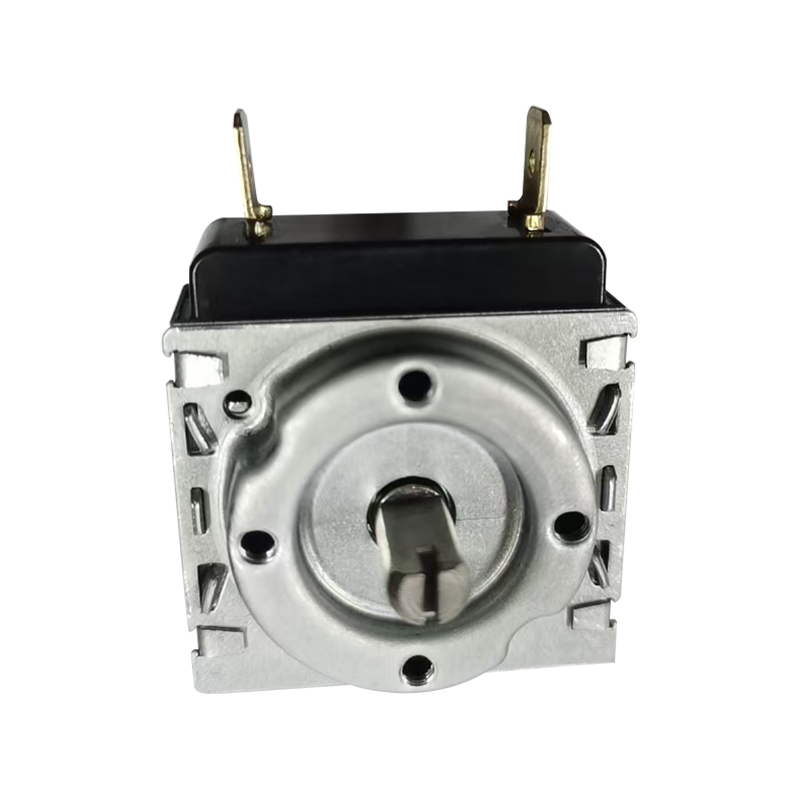 Wholesale Oven metal mechanical timer SLS 60min 90min with bell CE TUV DKJ ManufJiangsu Shalong is China OEM/ODM Oven metal mechanical timer SLS 60min 90min with bell CE TUV DKJ manufacturers and Oven metal mechanical...View Product →
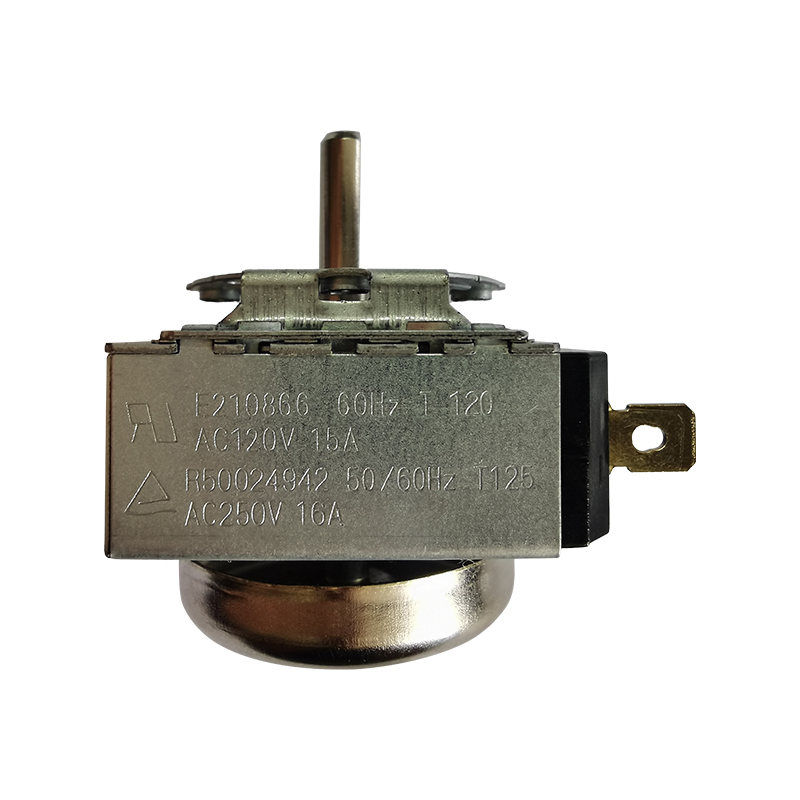 Wholesale Oven metal mechanical timers SL 60 90min without bell CE TUV ManufactuJiangsu Shalong is China OEM/ODM Oven metal mechanical timers SL 60 90min without bell CE TUV manufacturers and Oven metal mechanical tim...View Product →
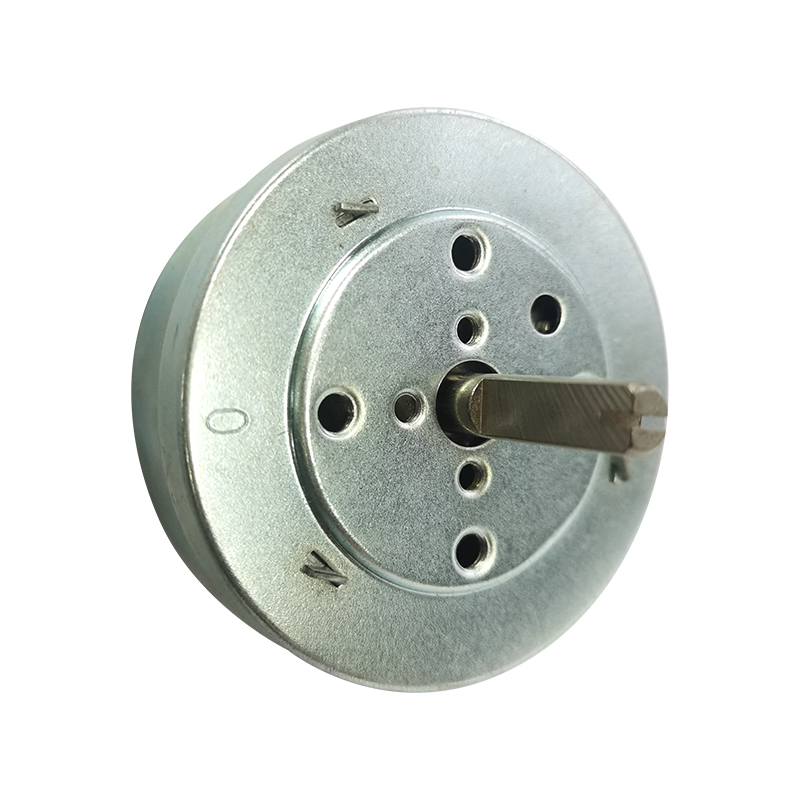 Wholesale 60min round oven mechanical timer for free standing ovens ManufacturerJiangsu Shalong is China OEM/ODM 60min round oven mechanical timer for free standing ovens manufacturers and 60min round oven mechanical ...View Product →
Typical appliance scenariosFreestanding and built-in ovens use 60- and 90-minute circular timers, with or without bell. Air fryers use 30- to 60-minute compact timers that fit tight panels. Electric steamers need long 180-minute runs with an audible finish signal. Electric pressure cookers operate on 100- to 120-minute cycles. Egg cookers and sterilizers use short 15- to 30-minute ranges because their heating processes are fast. |
What to check when selectingConfirm the timing range against the appliance heating profile. Decide whether the end signal must be audible or silent. Verify the high-temperature rating and metal construction for heat-exposed panels. Check the certification marks for the destination market. Measure the shaft length, dial diameter and mounting clip before approving the mechanical drawing. |
Purchasing teams that need a complete overview before issuing a request for quotation can browse the range of mechanical oven timer categories offered by the factory. Comparing series in one place makes it easier to see which models share common parts and which ones are unique, and that directly affects inventory planning and spare-part coverage.
Export-oriented appliance brands cannot sell finished goods in a new market if the components inside the machine do not carry the right approval marks. Timer certification is therefore a commercial question, not only a technical one. A product approved for the domestic market may require a different mark before the same oven can be shipped to North America or Europe.
| Mark | Typical market relevance | What it signals |
|---|---|---|
| UL | North America | Recognized safety testing for electrical components |
| CE | European Economic Area | Regulatory compliance for products sold in the EU |
| TUV | Germany and wider Europe | Independent third-party testing of safety and reliability |
| DKJ / SL | Asian appliance supply chains | Factory and project-level approval accepted by export clients |
UL and CE are the marks that procurement managers ask about first, because they control access to the two largest export markets. TUV adds a layer of independent verification that is often requested by premium appliance brands. DKJ and SL marks appear on multiple product pages in the SL-X series and are commonly referenced in Asian appliance supply chains, which means the factory already handles export documentation and batch traceability. When the destination market is defined, the timer model should carry the relevant mark on the drawing and on the part itself.
Certification is not a one-time effort. Renewals, factory audits and material changes all affect the status of the mark. A manufacturer with long experience in export production can advise which series already covers the target market and which one requires an additional test cycle. This shortens the approval phase for the appliance maker and reduces the risk of a customs rejection after the first container is shipped.
The most common field failure of a kitchen timer is not the movement itself but the supporting materials around it. Weak plastic gears, unstable spring steel and poor contact material create the majority of quality complaints. A carefully built metal mechanical timer, by contrast, can keep accurate timing for years because its wear surfaces are designed to age slowly and predictably.
Provides a clear audible end signal for ovens, steamers and other appliances where the user may leave the room.
Offers silent countdown for air fryers, disinfection cabinets and quiet environments where a bell is not desired.
Uses metal gear trains and heat-resistant parts for products with strong ambient heat near the control panel.
Lets the user wind and set the dial manually, with long ranges available for specialized equipment such as baiting machines.
The factory behind these series was established in 1991 and has developed its own small-modulus hobbing machines, high-speed continuous stamping dies and automated processing equipment. More than one thousand production, research and testing devices support daily output, which gives the company direct control over gear accuracy, spring stability and contact quality. For the buyer, vertical production depth means fewer third-party variables between the raw material and the finished timer.
Long-term accuracy is also supported by the self-stepping principle: the cam releases the switch at the end of the countdown with the same mechanical state every time, so the mechanism does not depend on the user pressing a separate button. Over thousands of cycles, this repeatable release keeps the failure rate low and the timing deviation small. An appliance brand that tests a certified sample over several hundred high-temperature cycles will see the same result that its customers experience after a year of normal cooking.
Appliance brands rarely buy timers as a retail component. They select a supplier, approve samples, agree on quality limits and then place repeating orders for years. This is why the capabilities of the factory matter as much as the specification of the timer itself. A strong supplier reduces development time, improves field reliability and keeps the supply chain predictable during demand peaks.
Jiangsu Shalong Mechanical & Electrical Technology Co., Ltd. operates a self-owned plant of more than 40,000 square meters in the Jingjiang Economic Development Zone, with over 800 employees and more than 80 engineering and technical staff. The company also participates in drafting industry standards for metal mechanical timers, which means its engineers are familiar with the expectations of both domestic appliance leaders and overseas importers. Production covers the SL-X regular series, the SLS-X small-size precision series and the circular timer series for ovens.
Customization is a normal part of the OEM process. Timing range, bell configuration, shaft length, dial printing and packaging can all be adjusted to the appliance design. Engineering teams share their control panel layout and the factory proposes a matching movement within its series platform. Once the drawing is approved, samples are produced and tested under the customer's target conditions, including high-temperature endurance and cycle count.
For wholesalers and volume buyers, a dedicated oven timer manufacturer also removes the middleman variance. Order quantities are produced on the same lines that serve major appliance brands, so batch-to-batch consistency is controlled by the same inspection standards. Procurement and engineering teams can discuss lead times, packaging and quality requirements directly with the factory through the contact page before the first order is placed.
Mechanical oven timers require very little attention, but the way they are installed and used strongly affects their service life. The user manual and the appliance design both influence whether the timer sees a comfortable environment or a punishing one. Clear guidance in the product documentation reduces unnecessary warranty claims.
Most of these symptoms trace back to either extreme environmental stress or physical abuse of the knob. Because the mechanism is mechanical, a faulty unit can usually be confirmed by a simple bench test and replaced as a modular part on the production line. A factory with strong process control will also keep spare parts and documented test methods available for its customers, which shortens the resolution time when a production batch shows an anomaly.
Are mechanical oven timers accurate enough for baking?Yes. A precision mechanical oven timer keeps the countdown stable through its gear train and governing mechanism. The accuracy is designed to match the needs of cooking, where variations of a few seconds are far less significant than the heat distribution of the cavity itself. |
Do mechanical oven timers need electricity to run?No. The timing function is powered by a spring, so the countdown continues even if the appliance loses power. The switch inside the timer only controls the electrical load of the heating circuit; the timing itself is completely independent of the power supply. |
Can a mechanical timer withstand the heat of an oven?Any timer must be installed in the control area rather than inside the hot cavity. High-temperature-resistant metal mechanical timers are designed for the elevated ambient heat that occurs inside a control panel behind an oven door. Direct flame contact or exposure above the rated temperature should always be avoided in the appliance layout. |
Which option is better: a timer with bell or without bell?It depends on the appliance and the expectation of the end user. Ovens, steamers and pressure cookers usually benefit from an audible end signal. Air fryers and disinfection cabinets are often supplied without a bell because their cooking programs do not require the user to return at the exact moment. |
What certifications are available on mechanical oven timers?The product series include models with UL, CE, TUV and DKJ / SL marks. The correct mark depends on the export destination. Buyers should specify the target market early so that the factory can confirm the certification status of the selected model. |
Can the timing range be customized for an OEM project?Yes. The standard series cover a wide band from 5 to 15 minutes for medical devices up to 180 minutes for electric steamers. Custom intervals can be developed by changing the gear set during the engineering review, but the lead time increases, so it is wise to discuss the range early in the project. |
How long does a mechanical oven timer last?Under normal household use and proper installation, a metal mechanical timer can operate reliably for years. The factory controls gear machining, spring quality and contact materials, which are the three areas that decide the cycle life. Long-cycle sample testing is the best way to confirm the expected life for a specific application. |
Whether the project is a freestanding oven, an air fryer or an electric steamer, the choice of a timer comes down to the same logic. Define the timing range, the audible signal, the heat resistance, the mounting and the required certification. Then evaluate the supplier on its ability to control gear precision, spring stability and contact quality at volume. A factory with in-house tooling, long industry experience and documented test capability will always deliver a more consistent component than a general assembler.
Mechanical oven timers continue to earn their place in modern appliances because they combine simplicity with reliability. They keep working when power disappears, they resist heat better than most electronic controls and their unit cost remains competitive at scale. Buyers who apply a structured selection process will find that the right mechanical timer is not a compromise; it is a genuine engineering advantage.
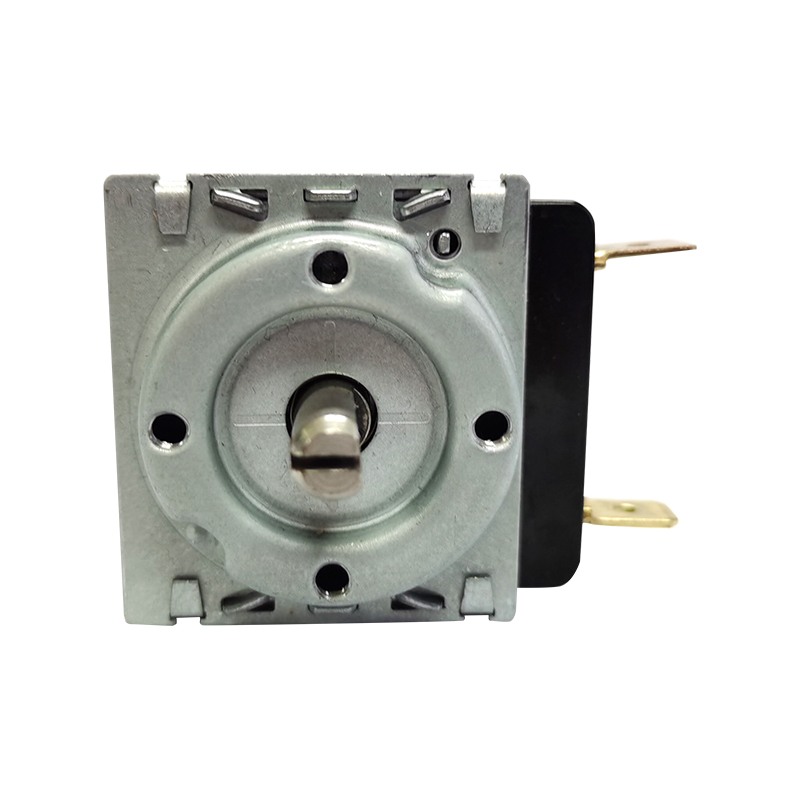
Time setting: 15', 20', 30', 60', 100',120', 180' or customized (1-180min timer range)Applicable: Microwave/Oven/Electric Pressure Cooker/Kitchen Mach...
See Details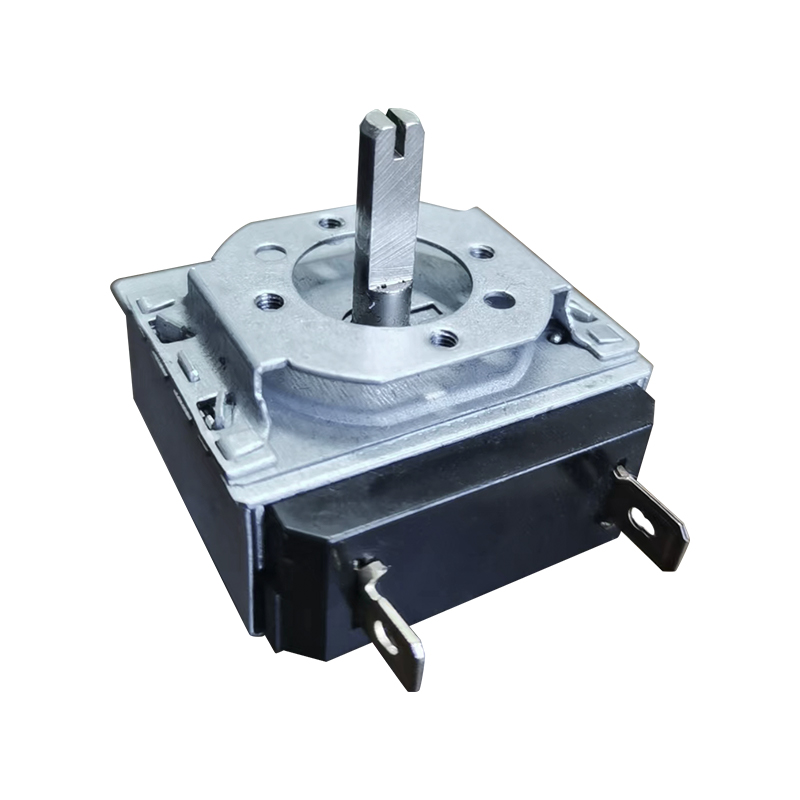
Time setting: 15', 20', 30', 60', 100',120', 180' or customized (1-180min timer range)Applicable: Microwave/Oven/Electric Pressure Cooker/Kitchen Mach...
See Details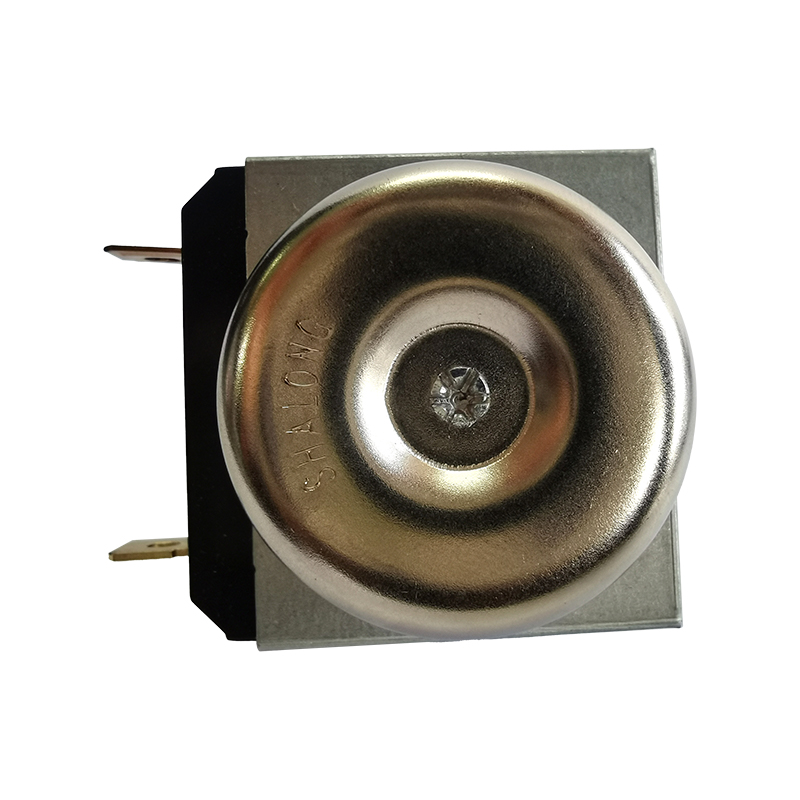
Time setting: 15', 20', 30', 60', 100',120', 180' or customized (1-180min timer range)Applicable: Microwave/Oven/Electric Pressure Cooker/Kitchen Mach...
See Details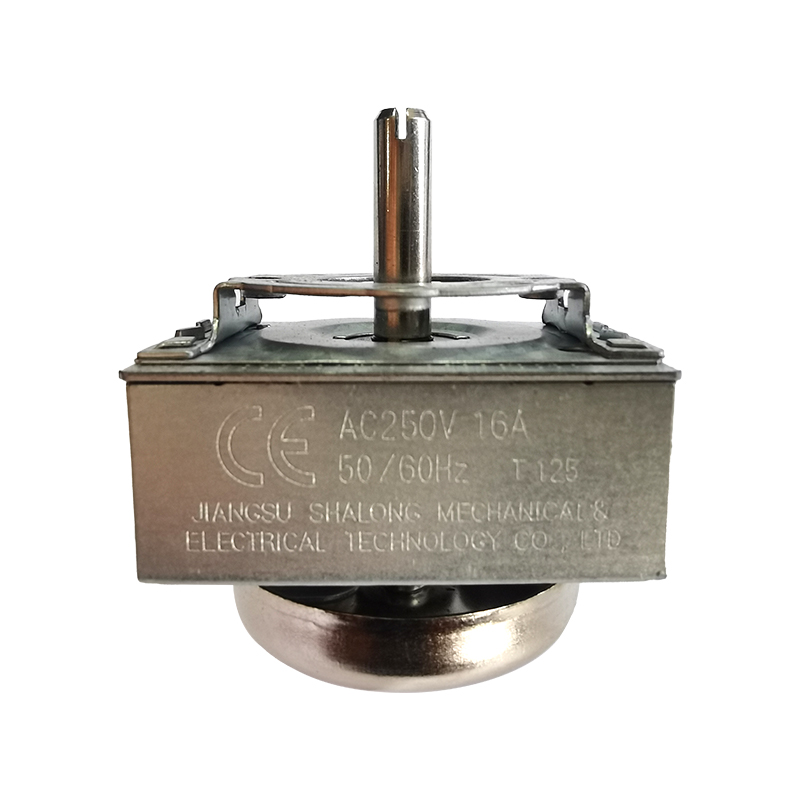
Time setting: 15', 20', 30', 60', 100',120', 180' or customized (1-180min timer range)Applicable: Microwave/Oven/Electric Pressure Cooker/Kitchen Mach...
See Details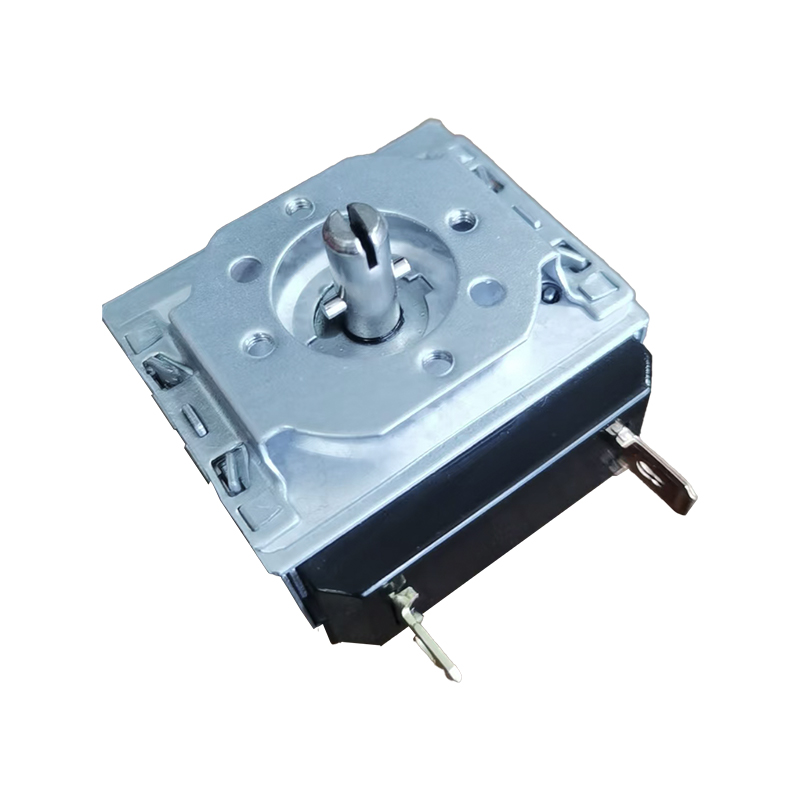
Time setting: 15', 20', 30', 60', 100',120', 180' or customized (1-180min timer range)Applicable: Microwave/Oven/Electric Pressure Cooker/Kitchen Mach...
See Details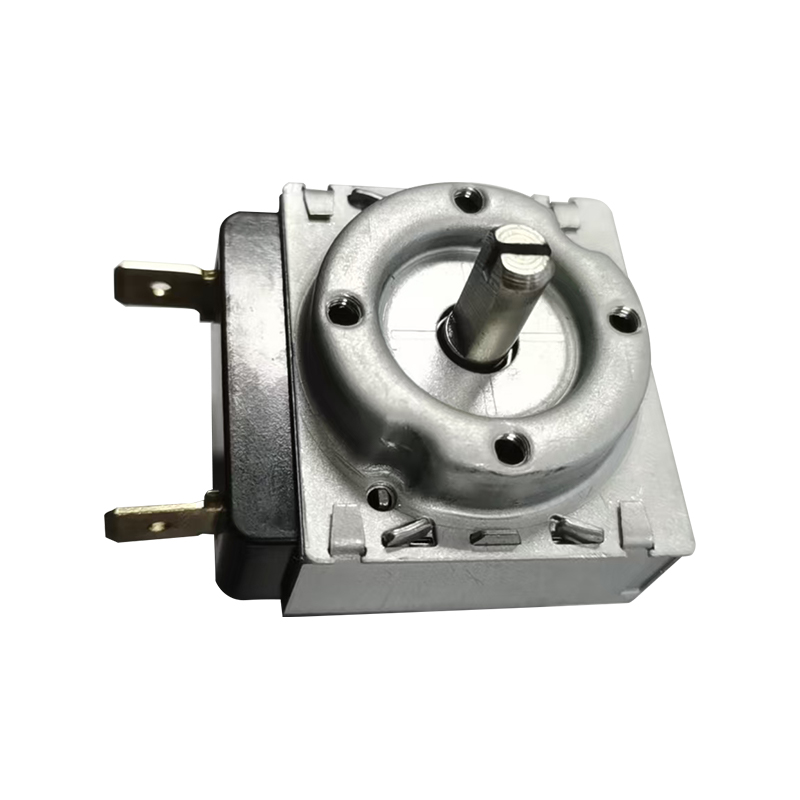
Time setting: 15', 20', 30', 60' or customized (such as 90 min)Applicable: Oven/Electric Pressure Cooker/Kitchen MachineContact capacity: AC 120V 15A;...
See Details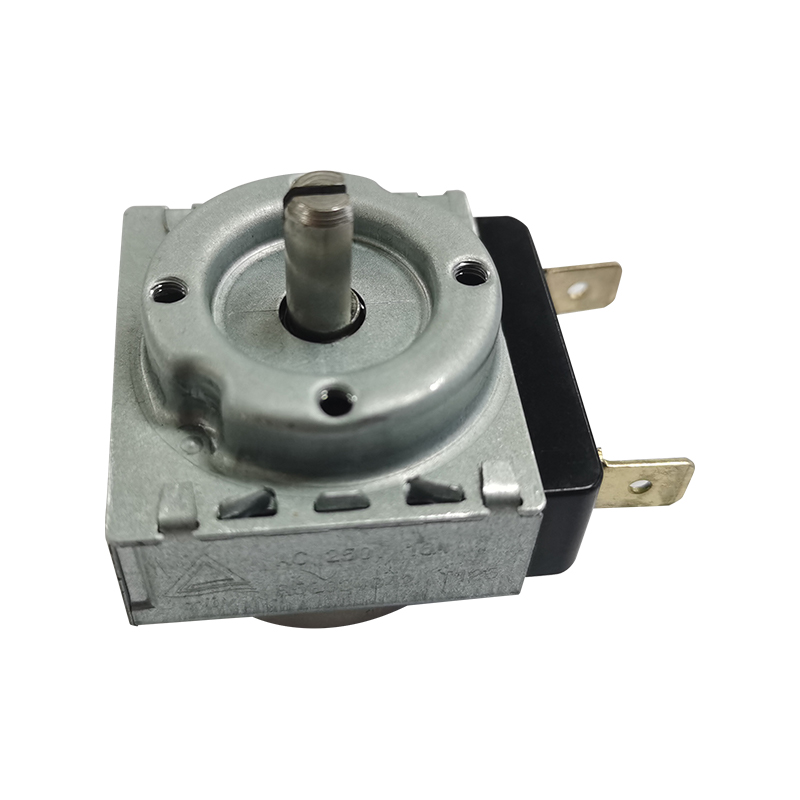
Time setting: 15', 20', 30', 60' or customized (such as 90 min)Applicable: Oven/Electric Pressure Cooker/Kitchen MachineContact capacity: AC 120V 15A;...
See Details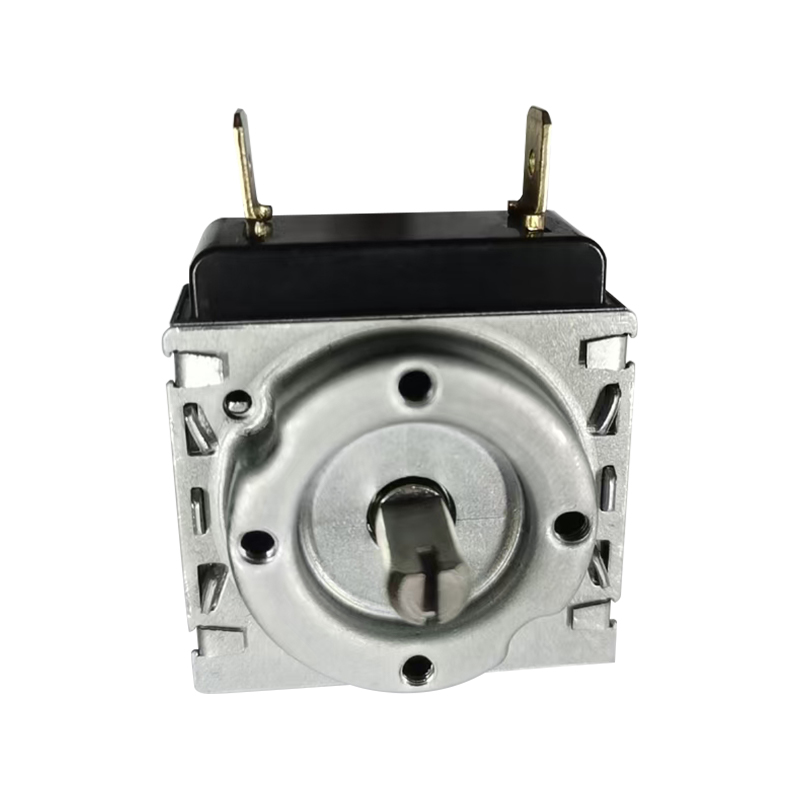
Time setting: 15', 20', 30', 60' or customized (such as 90 min)Applicable: Oven/Electric Pressure Cooker/Kitchen MachineContact capacity: AC 120V 15A;...
See DetailsCopyright ? JIANGSU SHALONG MECHANICAL & ELECTRICAL TECHNOLOGY CO.,LTD. All Rights Reserved.
Custom Metal Mechanical Timers Supplier