English
 中文简体
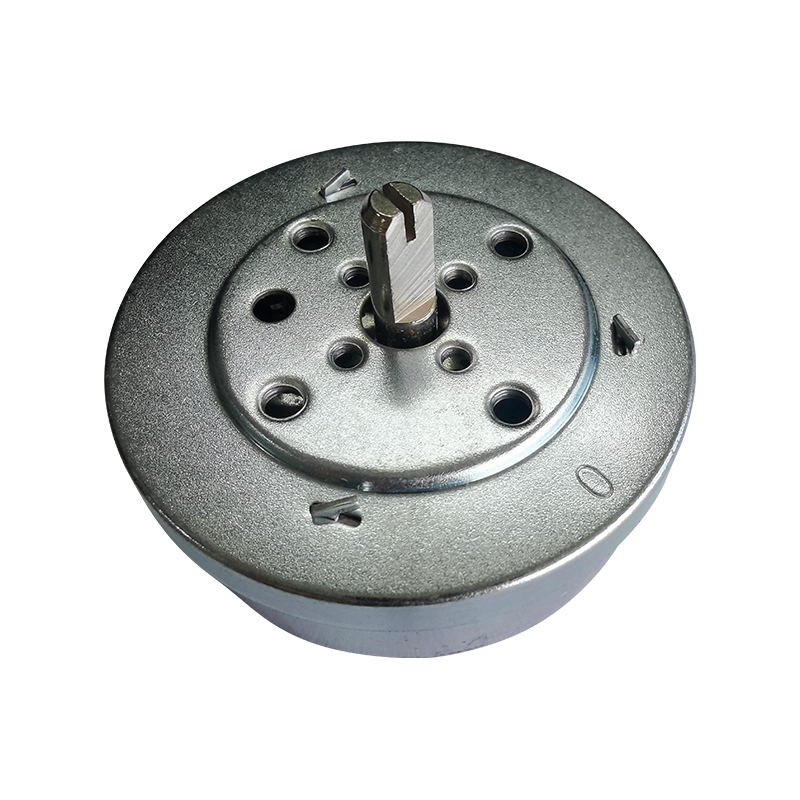
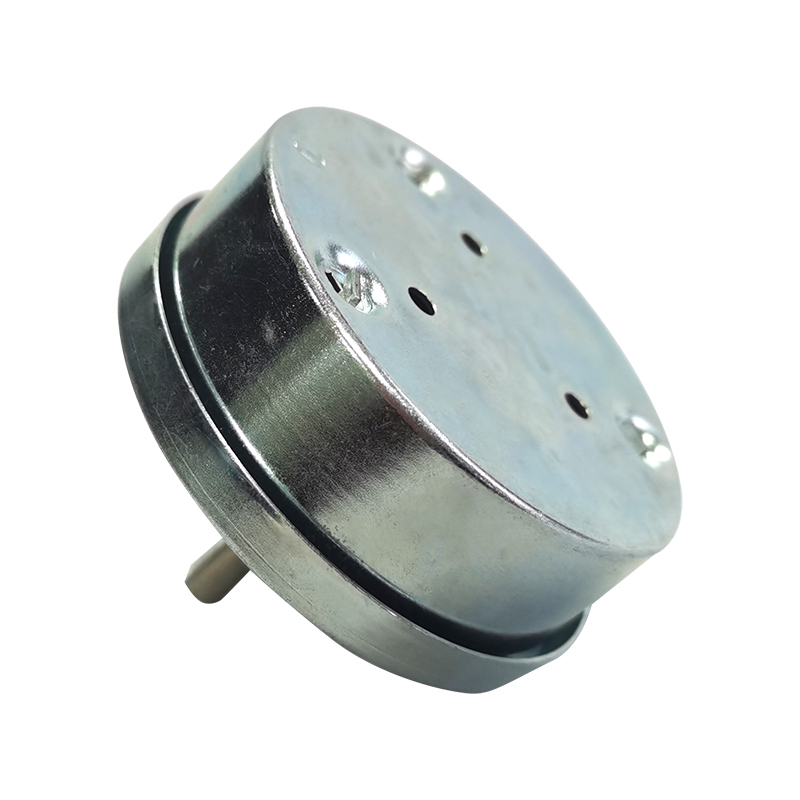
Metal mechanical timer by manual SL 1-120min CE
Cat:SL-X series regular timer
Time setting: 15', 20', 30', 60', 100',120', 180' or customized (1-180min timer range)Applicable: Microwave/Oven/Electric Pressure Cooker/Kitchen Mach...
See Details


Content
When an engineering team begins designing a 60-minute conventional oven, one of the first control decisions is how to manage the countdown. The timing component has to survive high temperatures near the cavity, stay accurate over tens of thousands of operating cycles, pass safety certification, and remain inexpensive enough for high-volume production. For most oven, air fryer, electric steamer and pressure cooker manufacturers, the answer is not a complex electronic module but a mechanical timer.
A mechanical timer is a self-contained timing device that uses a spring or a small synchronous motor to drive a gear train. When the user rotates the knob to set the time, the mechanism stores energy or starts the motor, and a set of cams and contacts switches the appliance circuit when the countdown reaches zero. It performs this function without firmware, display panels or standby power, which is exactly why it remains attractive to engineering and procurement teams in the kitchen appliance industry.
The decision to use a mechanical timer is usually driven by five practical benefits.
These advantages explain why household appliance manufacturers across China and export markets continue to source mechanical timers in large volumes for ovens, air fryers, deep fryers, disinfection cabinets and similar products. A mechanical timer is not an outdated component; it is a proven production part with decades of field data and well-established supply chains behind it.
Before selecting a mechanical timer, it is useful to understand its basic anatomy. Although models differ in shape, size and function, the working principle is consistent across the industry and across most timing ranges.
| Component | Function | Design consideration |
|---|---|---|
| Mainspring or synchronous motor | Supplies the driving force for the timing cycle | Spring drive is common in low-cost appliances; motor drive requires a power connection during timing |
| Gear train with small-modulus gears | Reduces high-speed input to a slow, controlled rotation | Gear tooth profile, material and surface finish determine timing consistency |
| Cam and contact assembly | Opens or closes the electrical circuit at the end of the countdown | Contact gap and material must handle the rated current and repeated switching |
| Bell or buzzer mechanism | Produces an audible signal when timing ends | Striker spring tension affects sound level and long-term durability |
| Retaining disc and mounting plate | Holds the movement in the appliance control panel | Mounting hole pattern and shaft length must match the appliance design |
The accuracy of a mechanical timer is largely defined by its self-stepping mechanism, which releases the gear train in controlled increments instead of allowing it to rotate freely. This stepping action keeps the timing curve stable even when the force of the mainspring changes as it unwinds.
In practice, the quality of the gear train matters more than any other single factor. A timer manufacturer that designs and machines its own small-modulus gears, and builds its own high-speed progressive stamping dies, usually achieves much better batch-to-batch consistency than a workshop that simply buys standard movements and reassembles them.
Mechanical timers are not a single product but a family of variations. Most manufacturers organize them by size, precision and target application. In a typical catalog, timers fall into three broad series: regular mechanical timers, small-size precision timers and circular timers for ovens.
Regular mechanical timers
Full-size movements with timing
ranges from 15 minutes to 180
minutes, available with or without
a bell. Commonly used in air
fryers, ovens, deep fryers,
pressure cookers and electric
steamers.
Small-size precision timers
Compact movements for
space-constrained panels.
Typical ranges run from 15
minutes to 190 minutes and
suit egg cookers, small air fryers
and control panels where depth
is limited.
Circular oven timers
Round form-factor timers built to
withstand high cavity
temperatures. Common ranges
are 60 minutes to 160 minutes,
often with a long ring signal for
kitchen use.
Within each series, specifications are varied in four ways: timing range, bell presence, high-temperature capability and certification. The table below summarizes the most common mechanical timer variants and their typical applications.
| Variant | Timing range | Bell option | Typical applications |
|---|---|---|---|
| Oven mechanical timer | 60 / 90 / 160 min | Optional | Free-standing ovens, built-in ovens |
| Air fryer mechanical timer | 30 / 60 min | Optional | Air fryers, countertop fryers |
| Electric steamer timer | 180 min | Yes | Electric steamers, food steamers |
| Electric pressure cooker timer | 100 / 120 min | Optional | Electric pressure cookers |
| Egg cooker timer | 15 min | No | Egg cookers, egg steamers |
| Disinfection cabinet timer | 30 / 60 min | Optional | Disinfection cabinets, sterilizers |
| Medical device timer | 5 / 15 min | Optional | Medical equipment with CE and UL requirements |
| High-temperature timer | 160 / 180 min | Optional | Ovens, deep fryers, baiting machines |
The diversity within a single supplier is worth studying. The same base movement can be fitted with different bells, cams, knobs and mounting brackets to serve different appliances. Buyers can often find an existing specification that matches their needs instead of paying for a completely new design.
The mechanical timer is one of the few components that appears in nearly every category of cooking appliance. Understanding which products use which timer configuration helps engineers and procurement teams move quickly from requirement to sample approval.
Ovens, air fryers, electric steamers, electric pressure cookers, deep fryers and egg cookers all rely on mechanical timers for simple countdown control. For example, a 60-minute round oven mechanical timer is a practical choice for free-standing ovens that need a reliable baking countdown with a compact panel footprint. For air fryer lines, manufacturers commonly specify a UL- and CE-certified air fryer mechanical timer in the 30-60 minute range, with or without a bell. Small appliances such as egg cookers usually take a 15-minute egg cooker mechanical timer, which keeps the design compact and the bill of materials low.
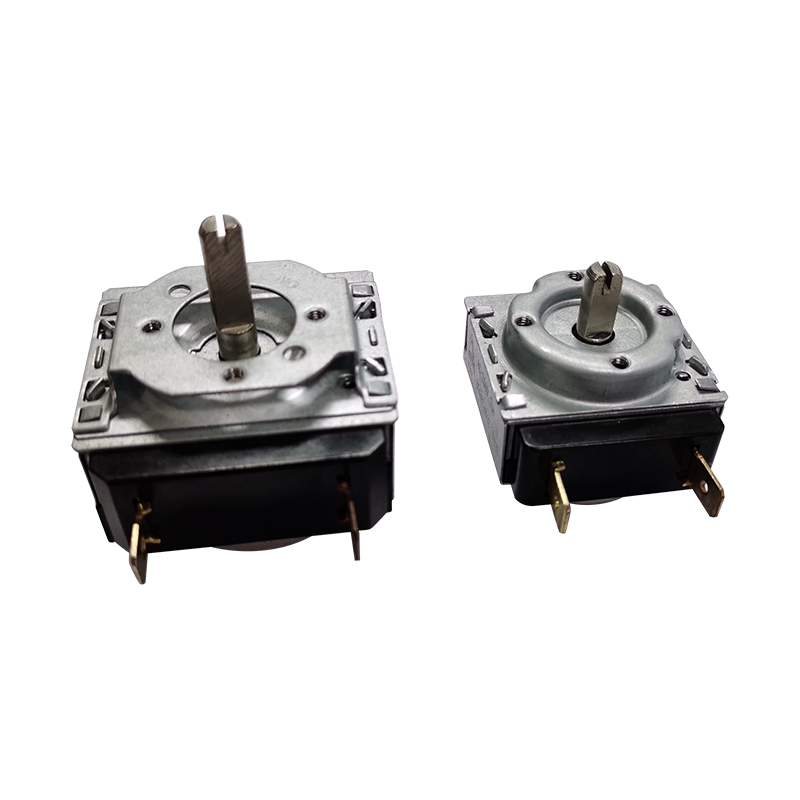 Wholesale Egg cooker metal mechanical timer SLS 15min without bell ManufacturersJiangsu Shalong is China OEM/ODM Egg cooker metal mechanical timer SLS 15min without bell manufacturers and Egg cooker metal mechanical t...View Product →
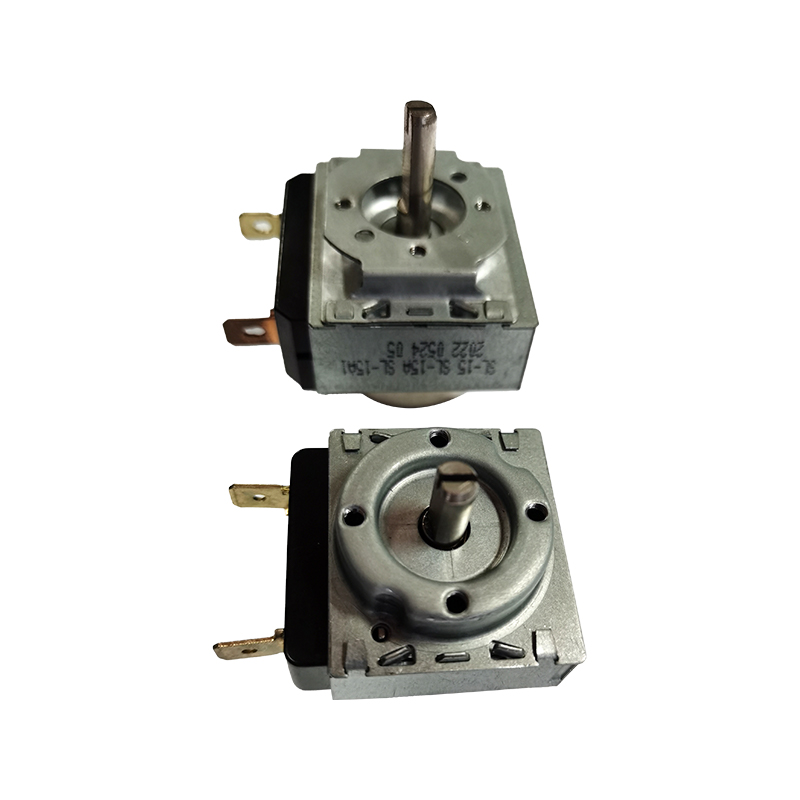 Wholesale Air fryer metal mechanical timer SLS 30 60min without bell UL CE ManufJiangsu Shalong is China OEM/ODM Air fryer metal mechanical timer SLS 30 60min without bell UL CE manufacturers and Air fryer metal mecha...View Product →
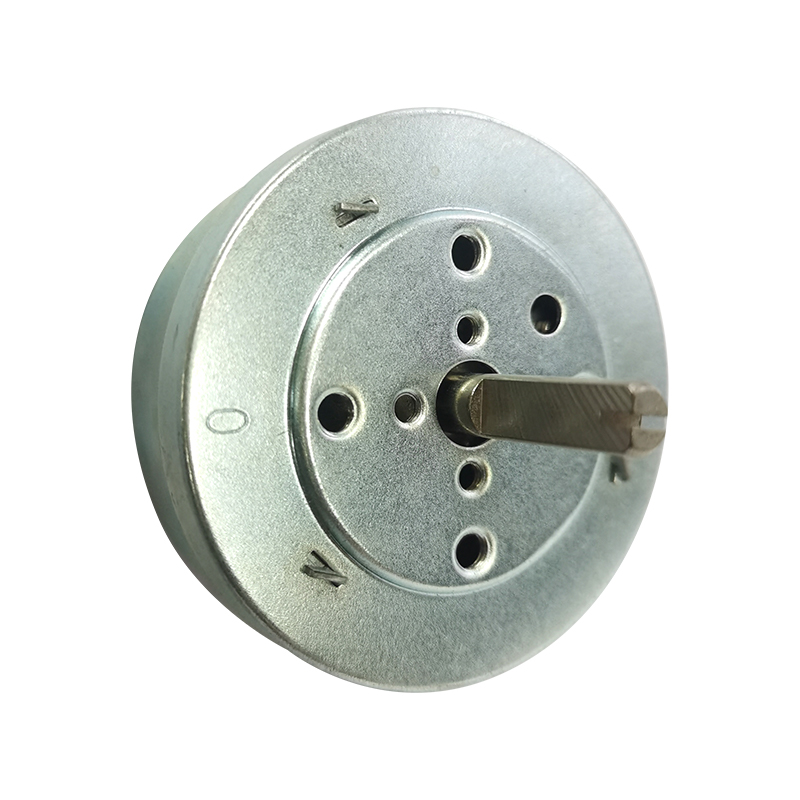 Wholesale 60min round oven mechanical timer for free standing ovens ManufacturerJiangsu Shalong is China OEM/ODM 60min round oven mechanical timer for free standing ovens manufacturers and 60min round oven mechanical ...View Product →
Beyond cooking, mechanical timers serve disinfection cabinets, sterilizers, medical devices and even baiting machines. These applications often demand stricter certification, such as CE or UL, and a narrower timing band. The fact that one manufacturer can offer a 5-15 minute medical device timer alongside a 180-minute baiting machine timer shows how the same platform can cover very different verticals with different compliance requirements.
To give buyers a clearer sense of how mechanical timer portfolios are structured, we reviewed the standard product variants in our catalog and grouped them by target application.
The chart below shows the number of mechanical timer variants available for each application category in this product family.
This information is useful because it reveals the supply pattern of the industry: most variants are concentrated around high-volume kitchen appliances, while specialty equipment is served by smaller but carefully certified product groups.
For a manufacturer looking for a single source, this kind of structure means that most timing requirements can be met with an existing product instead of a full custom design.
For a buyer with a niche application, it also helps identify which suppliers have genuine experience in that vertical, because the product line itself reflects the company's track record.
Finally, the data shows that product variety in mechanical timers is driven by application diversity, not by random specification combinations.
Mechanical timer product variants by application category
The product line is clearly led by oven and baking applications, which account for four standard variants. This is expected, because the oven mechanical timer has become a default component in conventional and free-standing ovens around the world. General-purpose home appliance timers and manual countdown timers each have three variants, which means a buyer can almost always find a neutral product that can be adapted with a custom knob, bracket or cam without changing the core movement.
Air fryers, egg cooking appliances and disinfection or sterilization equipment each have two variants. The air fryer mechanical timer category has grown quickly in recent years, because air fryer manufacturers value its simple user interface, low cost and quiet operation. The double presence of egg cooking and disinfection products highlights how a relatively inexpensive appliance can drive steady demand for a simple countdown timer with a well-defined specification.
Single-variant categories such as electric steaming, pressure cooking, deep frying, medical devices and baiting machines are smaller, but they are strategically important. The medical device timer, for example, carries CE and UL certification and demonstrates that the same mechanical design can be produced to a higher compliance standard. For procurement teams, this breadth is a practical advantage: instead of qualifying several suppliers for different appliance lines, a single mechanical timer manufacturer can cover the full portfolio with consistent quality.
Another conclusion from the data is that timing ranges cluster around a few standard values, mainly 15, 30, 60, 90, 120, 160 and 180 minutes. The overlap between categories shows that one base movement can generate many finished products through different bells, cams and mounting hardware. This is also why a mature manufacturer can keep lead times short and sample costs low: the tooling already exists for most standard variants.
For engineering teams, the practical takeaway is to review the catalog first before requesting a custom design. In most projects, an off-the-shelf mechanical timer with modified accessories will meet the specification, and it will be available from a supplier with existing production data and valid certification, reducing both risk and development time.
Engineers and procurement managers frequently ask when a mechanical timer is still the right choice compared with an electronic timer. The answer depends on the appliance function, the cost target and the operating environment, not on fashion or general preference.
| Comparison point | Mechanical timer | Electronic timer |
|---|---|---|
| Unit cost | Low, ideal for high-volume production | Higher, especially with display and control components |
| High-temperature resistance | Metal construction handles oven-level heat | Requires thermal management and component derating |
| Electromagnetic immunity | Inherent, no software to confuse | Needs shielding, filtering and careful layout |
| Timing accuracy | Good enough for cooking cycles | Very precise, with digital display feedback |
| Failure modes | Predictable and easy to diagnose | Can be affected by firmware bugs and power surges |
| Standby power consumption | Zero in the off state for spring-driven models | Consumes standby power in many configurations |
| Function complexity | Limited to countdown and switching | Supports programs, connectivity and multi-stage control |
Choose a mechanical timer when the appliance needs a simple countdown, a reliable switch action and a competitive price point. This is the case for most ovens, air fryers, steamers, pressure cookers and disinfection cabinets. Choose an electronic timer when the appliance needs multi-stage programs, a digital display, temperature feedback or connectivity features that a mechanical movement cannot provide.
The two technologies do not have to compete in every project. Many appliance brands use a mechanical timer as the primary countdown and safety device while adding a small electronic control board for other functions such as temperature regulation or pre-set menus. This hybrid approach keeps the critical timer function simple and uses electronics only where they are genuinely required.
For buyers, this comparison also affects the supply chain. A mechanical timer has fewer commodity components that can be affected by chip shortages, which is one more reason why procurement teams keep it as a strategic option for stable production planning.
Choosing the right mechanical timer manufacturer is as important as choosing the right timer model. A good supplier does more than deliver parts; it supports certification, sample validation and long-term quality stability across multiple product lines.
A genuine manufacturer should be able to explain how it produces the key components, especially the small-modulus gears that determine timing accuracy. Companies that design and build their own gear hobbing machines, automated processing equipment and high-speed progressive stamping dies usually deliver more consistent products than companies that only assemble purchased movements. Ask about in-house tooling capability, the number of engineers, the size of the production facility and the age of the company.
For export business, certification coverage is often the first filter. A mechanical timer with CE and UL markings saves the appliance manufacturer from separate component testing and shortens the overall product certification cycle. Suppliers that have already shipped to markets such as Turkey, Brazil, South Korea or Saudi Arabia usually know which documentation overseas customers expect.
|
Technical verification checklist
|
Commercial verification checklist
|
It is also worth checking whether the company participates in industry standard drafting. A manufacturer that works on the industry standard has a deeper understanding of test methods and compliance requirements, which reduces the risk of surprises during factory audits or market surveillance.
Once the shortlist is ready, request several samples from the same production batch, install them into real appliances, and run an accelerated life test. A reliable manufacturer will normally support this stage with technical data and honest feedback about the application. If the supplier is also willing to adjust the cam, bell, shaft or bracket for your specific panel design, that is a strong sign of a long-term partnership.
Although mechanical timers are durable, proper installation and basic maintenance extend their service life even further. The most important rule is to avoid overloading the switch contacts, because the contact assembly is the component most likely to fail under excessive current.
If a timer stops driving the gears, the usual causes are a broken mainspring, a jammed gear train or a failed motor coil. If the appliance still works but the countdown is inaccurate, inspect the self-stepping mechanism and the condition of the gear lubrication. If the bell is weak or silent, check the striker spring and the position of the bell. Most of these conditions are explainable and repairable with standard service procedures.
In high-temperature applications, the housing material and the quality of the heat treatment of the spring matter a great deal. A timer built with a metal housing and selected high-temperature materials will hold its timing curve far better than a general-purpose plastic movement when installed near an oven cavity. This is one area where the manufacturing capability of the supplier becomes directly visible in field performance.
How accurate is a mechanical timer?A well-made metal mechanical timer typically holds the set time within a few percent across its rated temperature range. This is sufficient for cooking cycles, where a small deviation is harmless compared with the overall process time. |
Can a mechanical timer be customized?Yes. Most mechanical timer manufacturers offer customization of the timing range, bell type, knob shape, shaft length and mounting brackets. The key is to start from an existing platform so that tooling costs and lead times stay reasonable. |
How long does a mechanical timer last?Under normal appliance use, a quality mechanical timer can last for many years because the spring and gears wear very slowly. The switch contacts and bell mechanism usually define the service life, which is another reason to choose a supplier with strong contact quality control. |
Does a mechanical timer need electricity or batteries?Spring-driven mechanical timers store energy from the knob during setting and need no external power for the timing function. Motor-driven timers use a small synchronous motor and do need a power connection while operating. Neither type uses a battery. |
What certifications should a mechanical timer manufacturer have?For export-oriented appliance projects, look for UL, CE, TUV or DKJ certification on the timer itself. A manufacturer that already holds these certifications for its standard range can significantly reduce the compliance work for the final appliance. |
Are mechanical timers cheaper than electronic timers?In most high-volume applications, yes. The cost difference comes from the absence of a processor, display and power supply circuit. For wholesalers and distributors, this makes mechanical timers an easy product to stock because the price point is stable and the field failure rate is low. |
If you are evaluating mechanical timers for a new appliance project, start with the application and the operating environment, then move to certification and supplier capability. The right combination of a proven product platform and a dependable manufacturing partner will save time in the prototyping stage and protect your product quality during mass production.
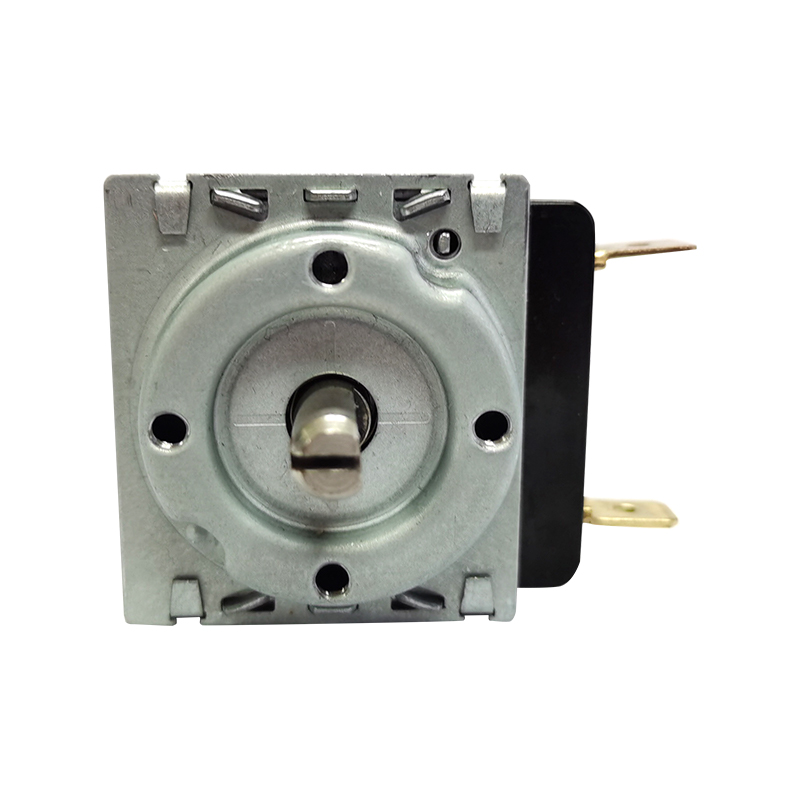
Time setting: 15', 20', 30', 60', 100',120', 180' or customized (1-180min timer range)Applicable: Microwave/Oven/Electric Pressure Cooker/Kitchen Mach...
See Details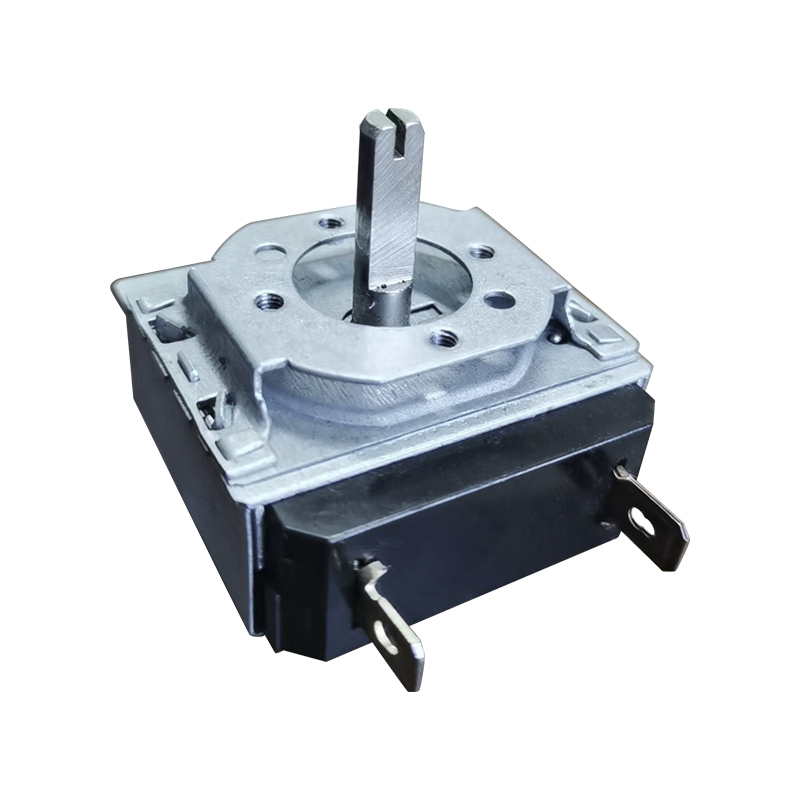
Time setting: 15', 20', 30', 60', 100',120', 180' or customized (1-180min timer range)Applicable: Microwave/Oven/Electric Pressure Cooker/Kitchen Mach...
See Details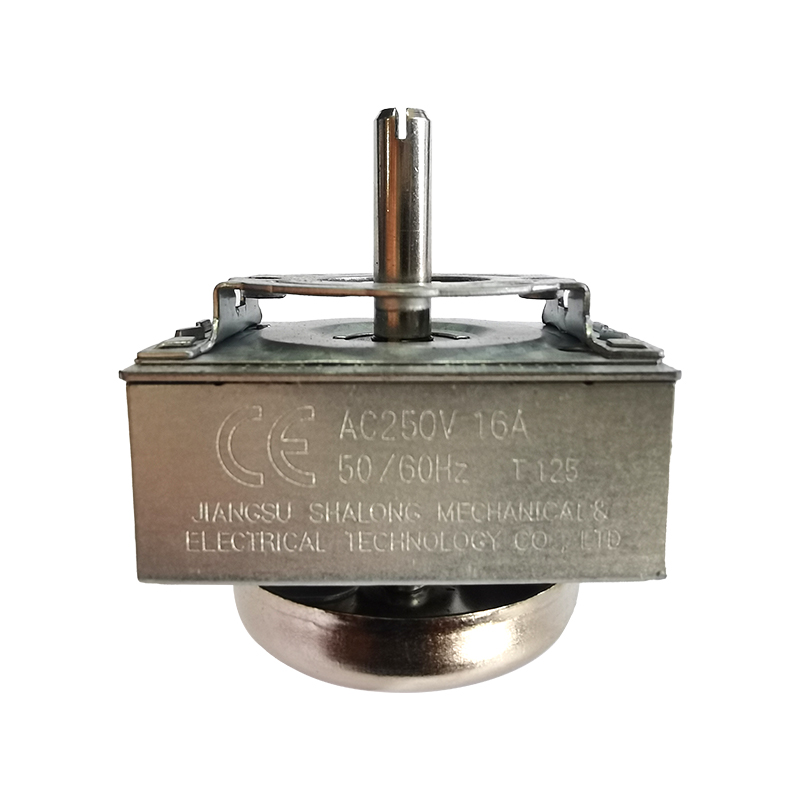
Time setting: 15', 20', 30', 60', 100',120', 180' or customized (1-180min timer range)Applicable: Microwave/Oven/Electric Pressure Cooker/Kitchen Mach...
See Details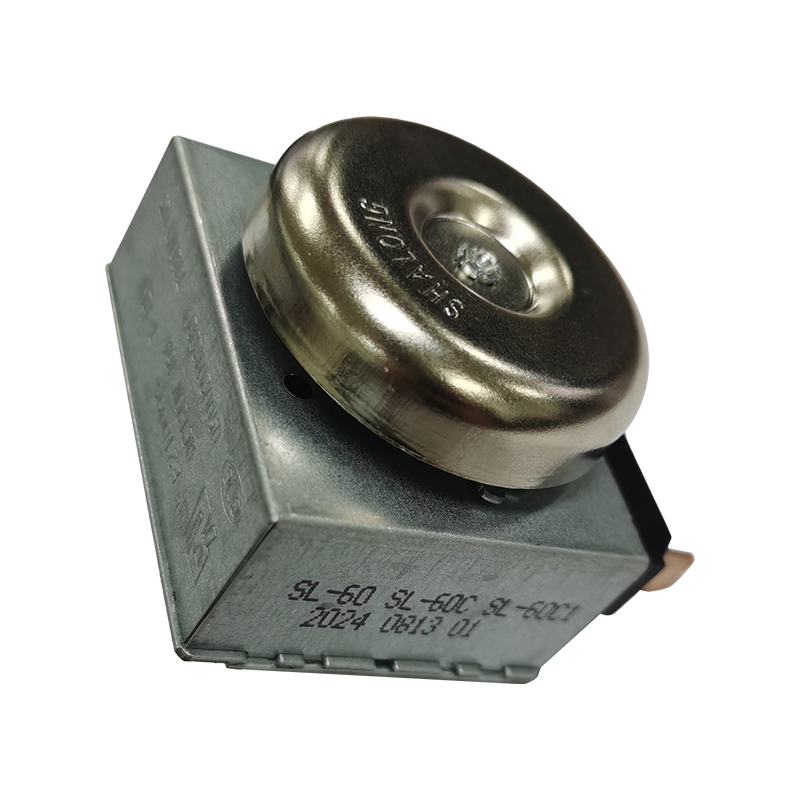
Time setting: 15', 20', 30', 60', 100',120', 180' or customized (1-180min timer range)Applicable: Microwave/Oven/Electric Pressure Cooker/Kitchen Mach...
See Details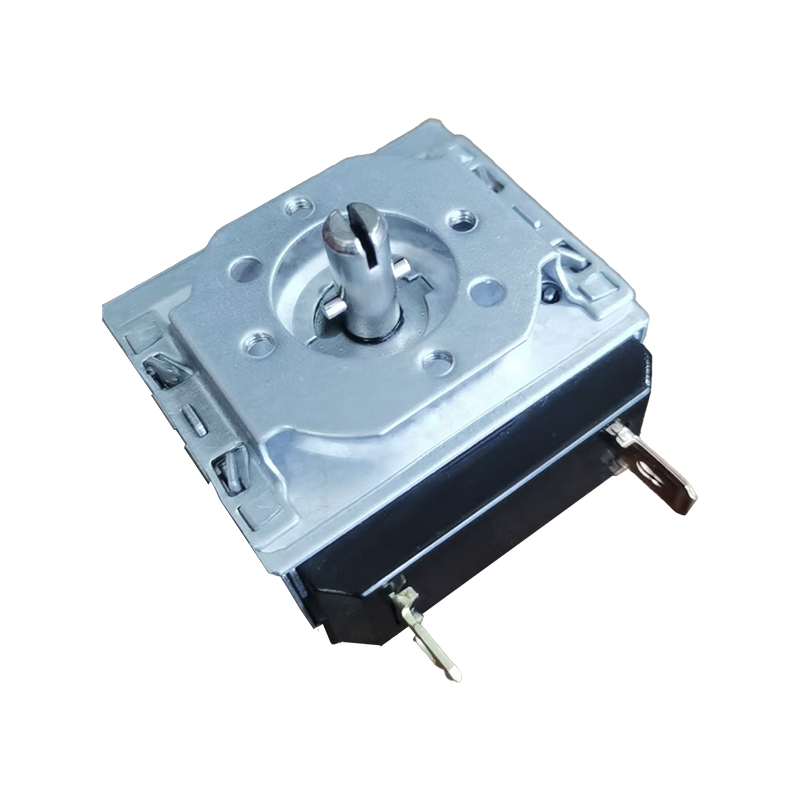
Time setting: 15', 20', 30', 60', 100',120', 180' or customized (1-180min timer range)Applicable: Microwave/Oven/Electric Pressure Cooker/Kitchen Mach...
See Details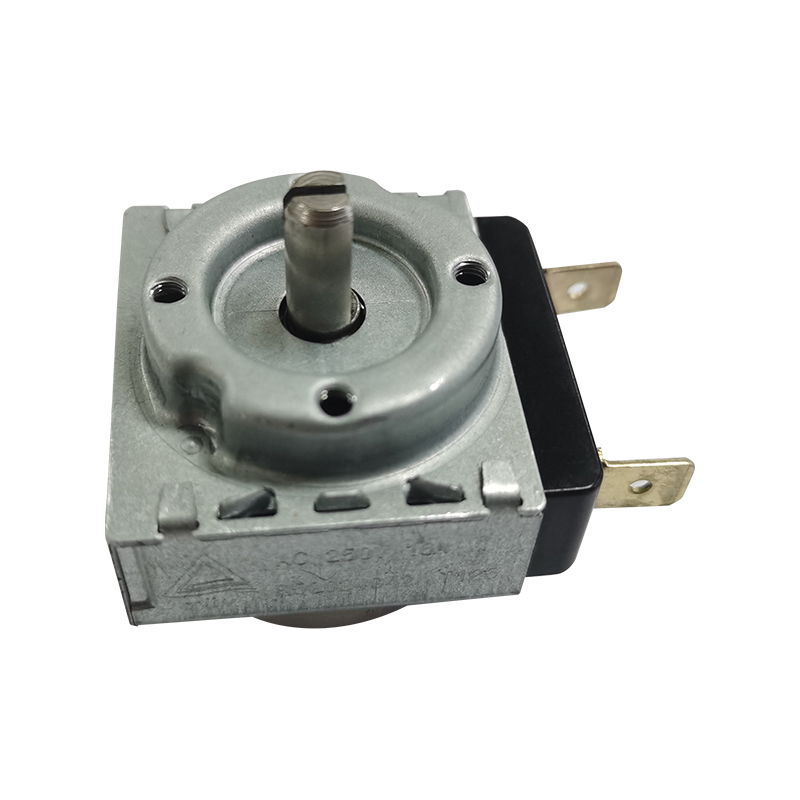
Time setting: 15', 20', 30', 60' or customized (such as 90 min)Applicable: Oven/Electric Pressure Cooker/Kitchen MachineContact capacity: AC 120V 15A;...
See Details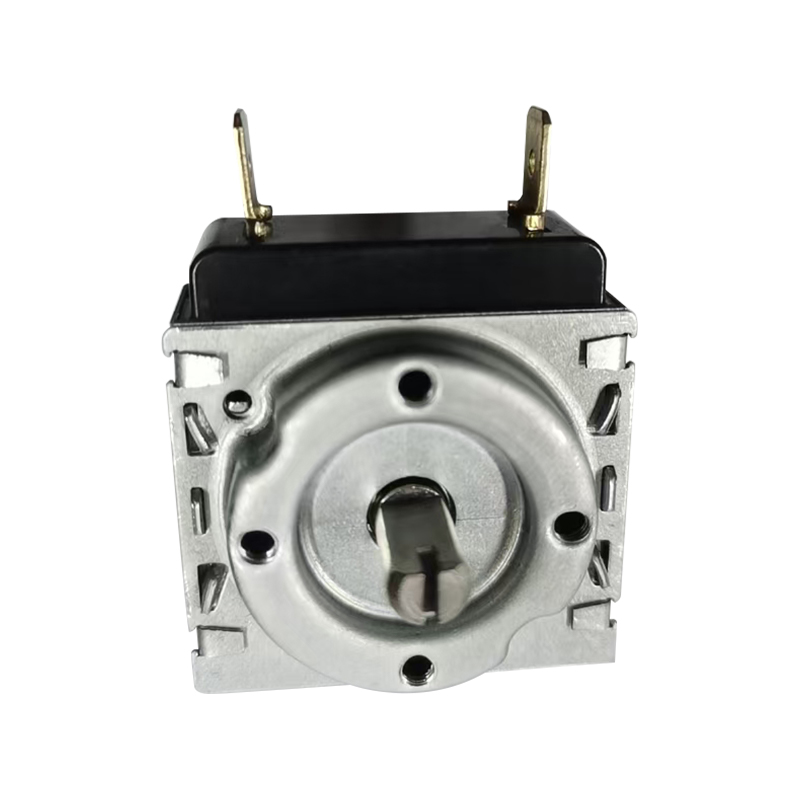
Time setting: 15', 20', 30', 60' or customized (such as 90 min)Applicable: Oven/Electric Pressure Cooker/Kitchen MachineContact capacity: AC 120V 15A;...
See Details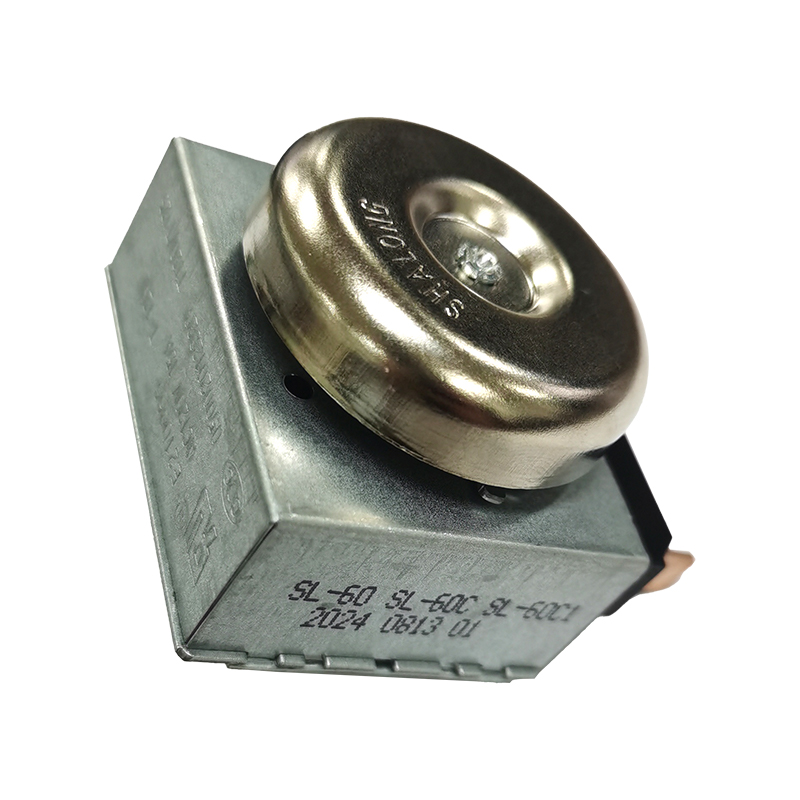
Time setting: 15', 20', 30', 60' or customized (such as 90 min)Applicable: Oven/Electric Pressure Cooker/Kitchen MachineContact capacity: AC 120V 15A;...
See DetailsCopyright ? JIANGSU SHALONG MECHANICAL & ELECTRICAL TECHNOLOGY CO.,LTD. All Rights Reserved.
Custom Metal Mechanical Timers Supplier