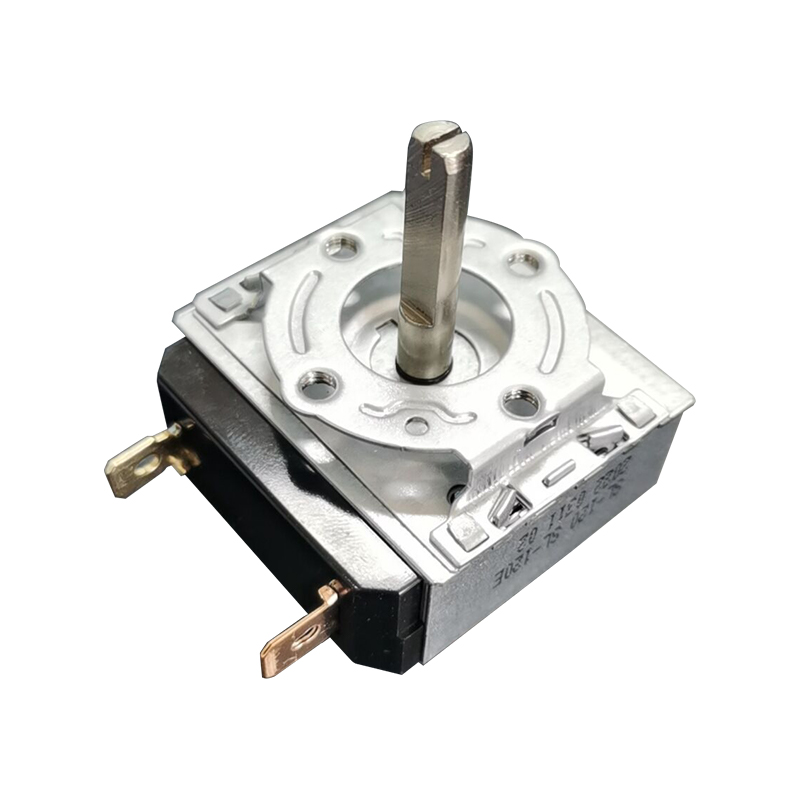
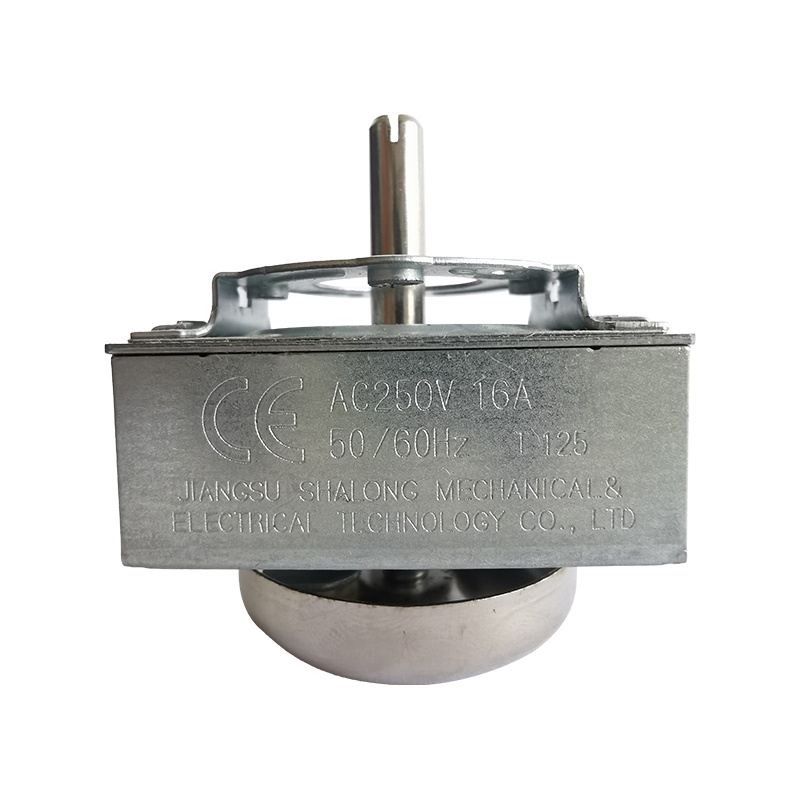
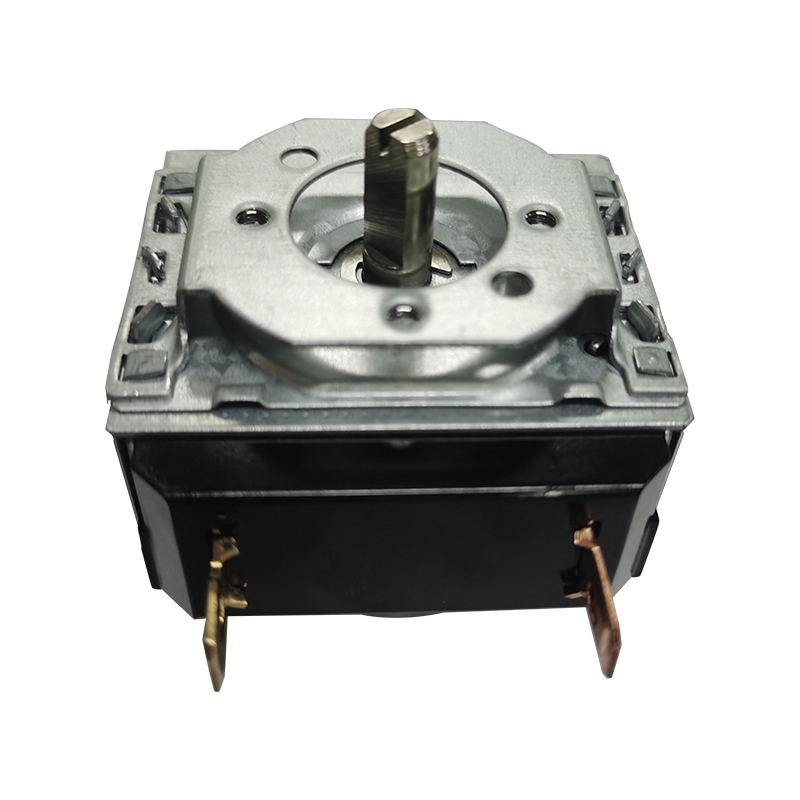
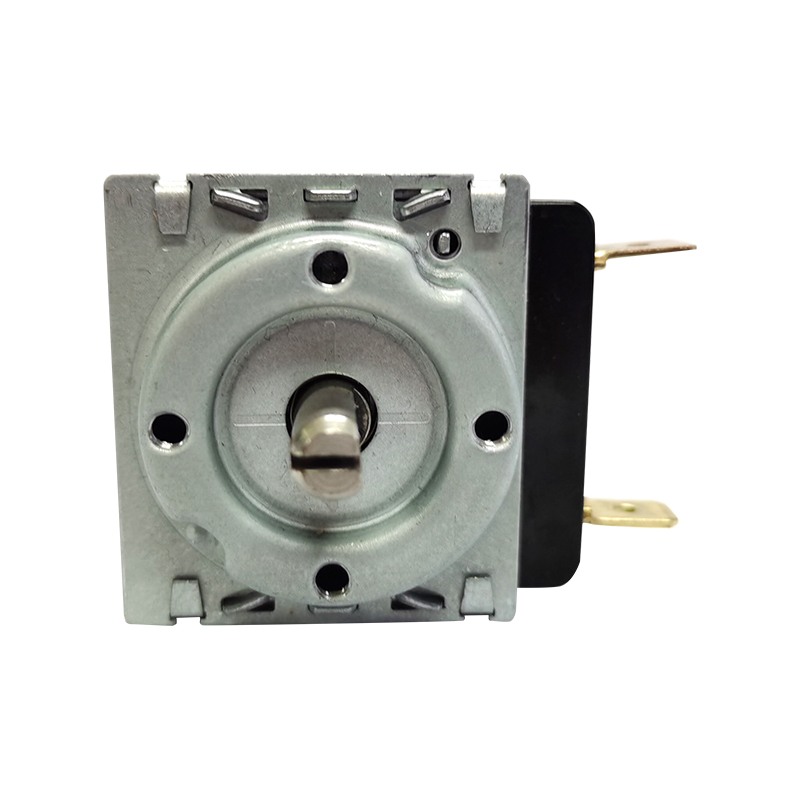
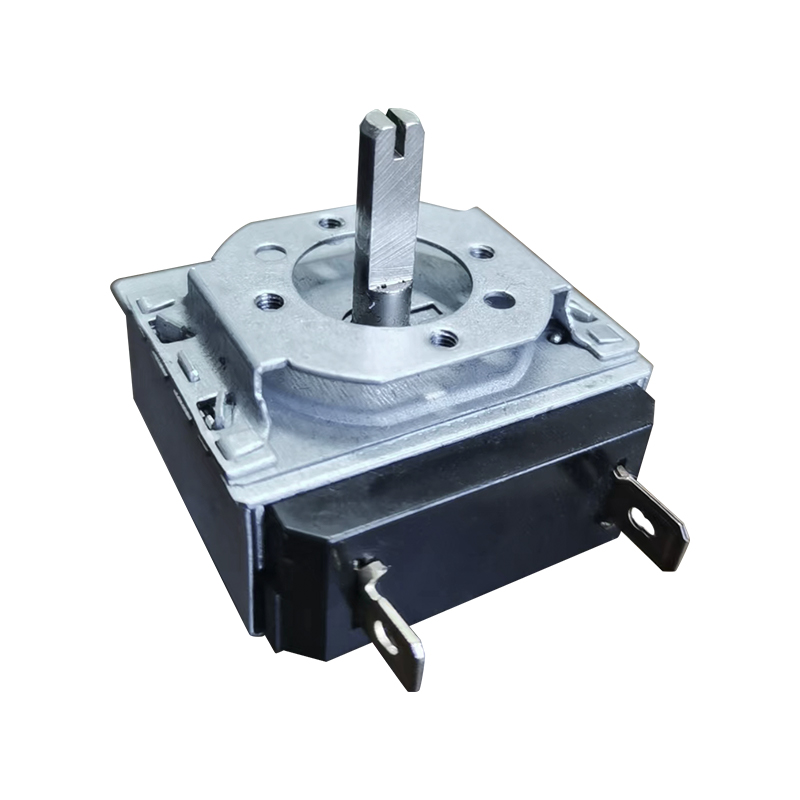
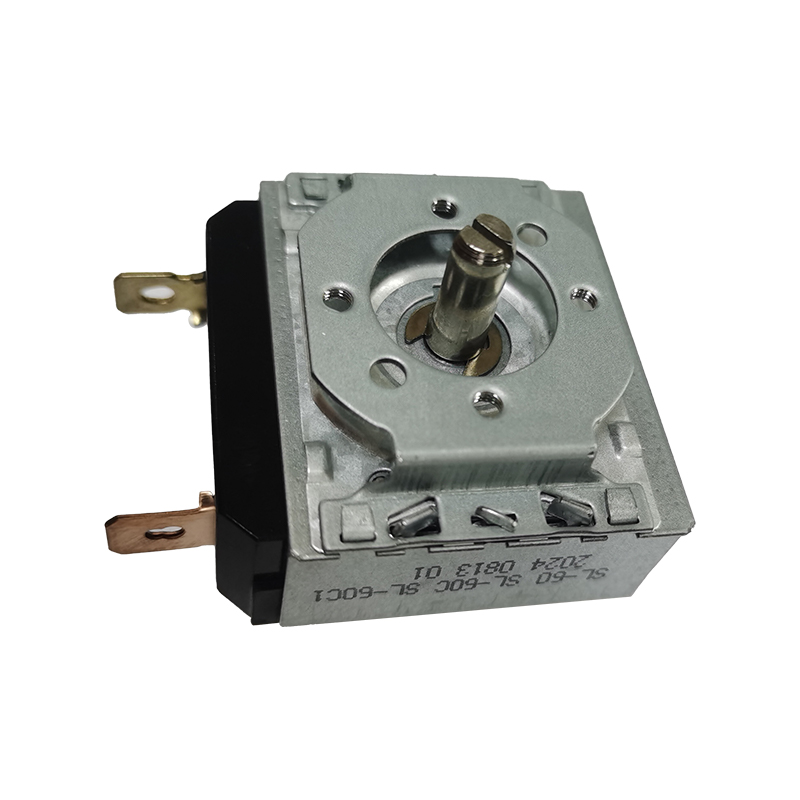
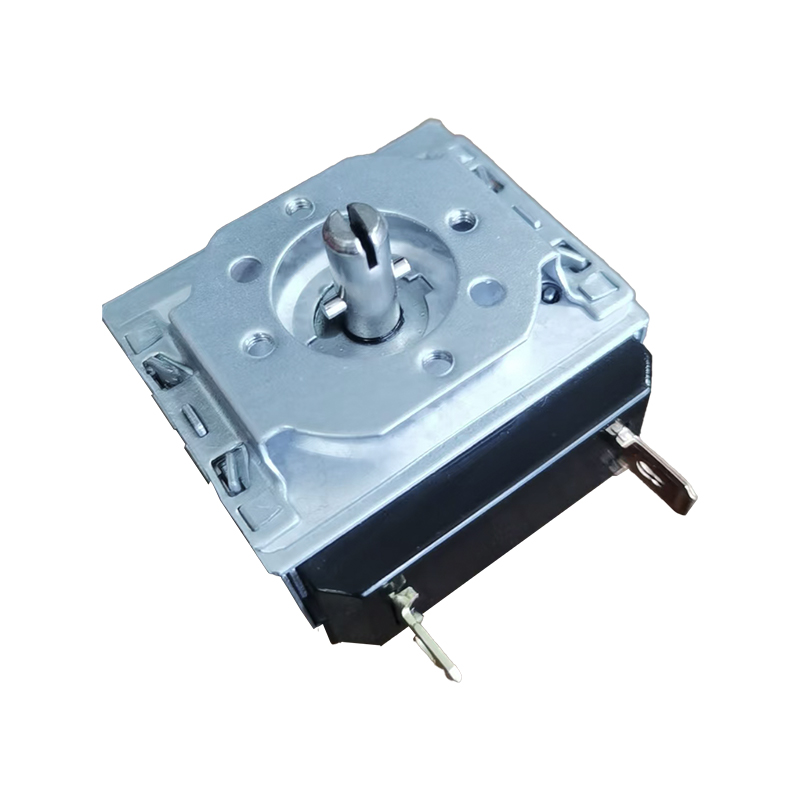
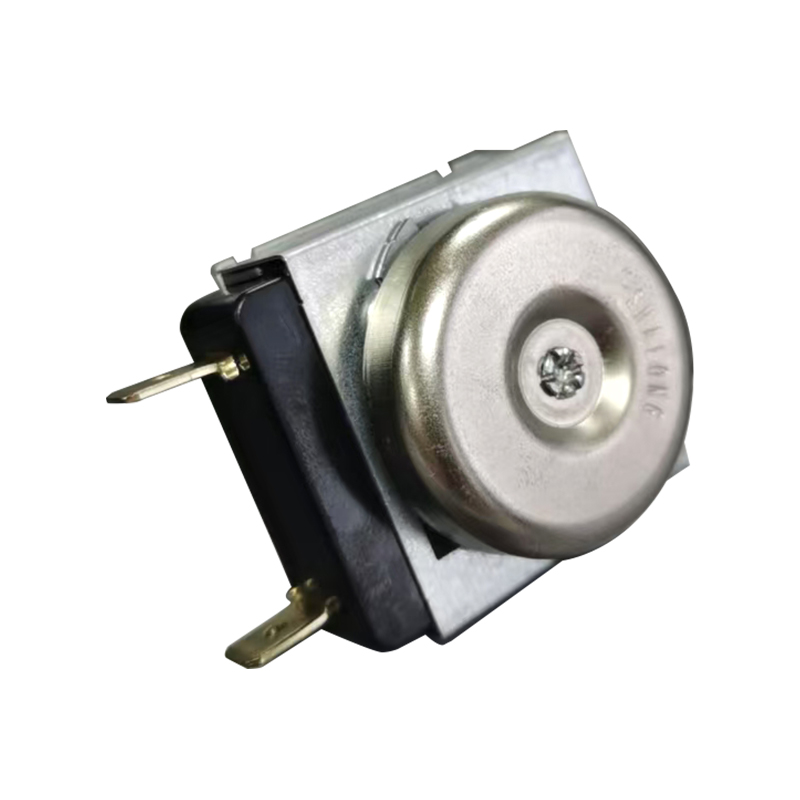
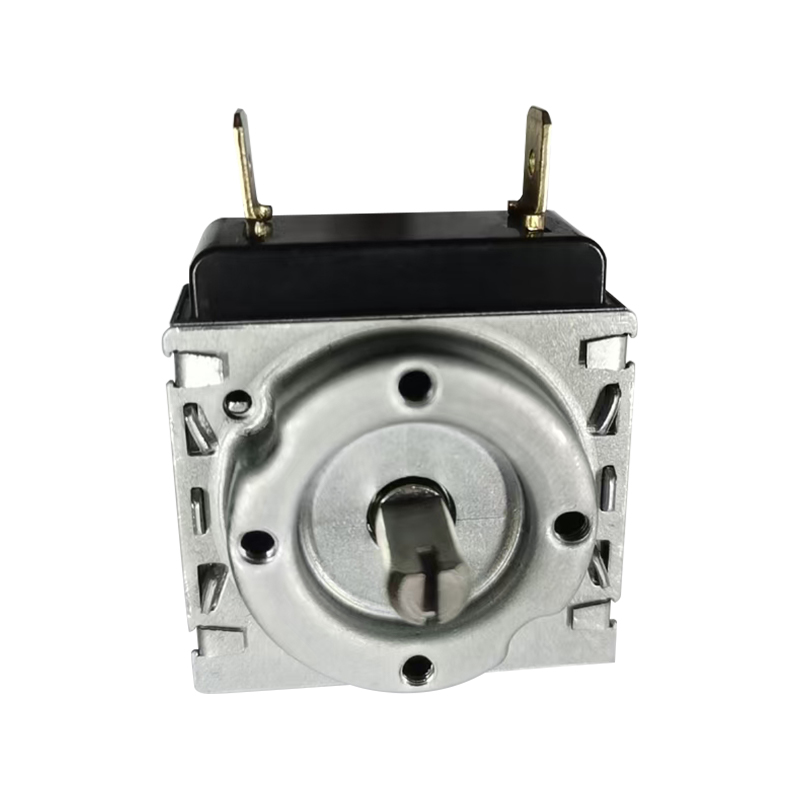
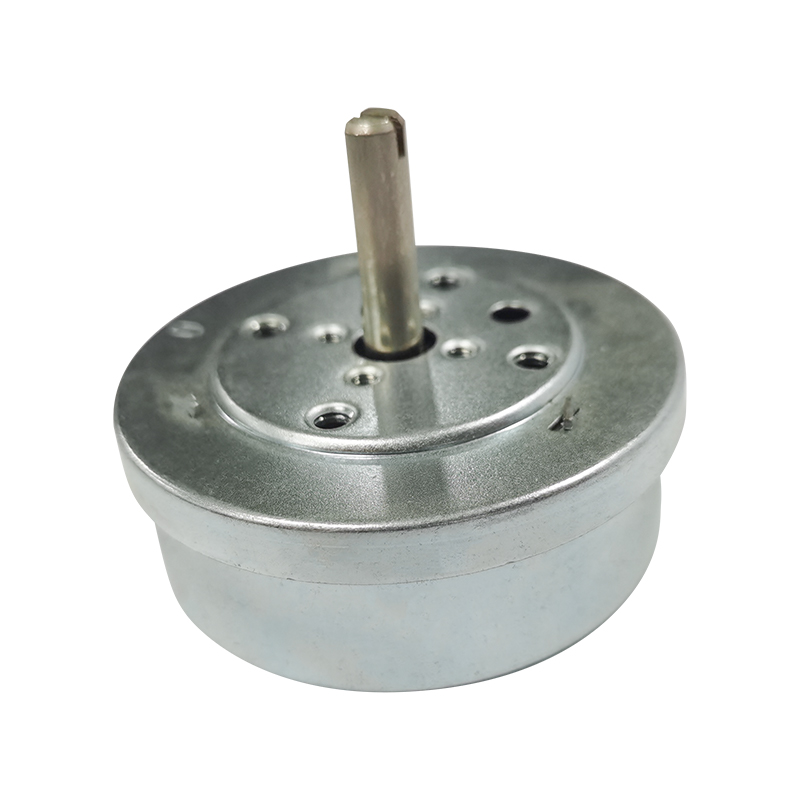
Testing a mechanical timer comes down to three core checks: timing accuracy, contact reliability, and mechanical consistency. A properly functioning mechanical timer should operate within ±5% of its rated time interval, complete reliable electrical contact at each cycle, and maintain consistent performance across repeated operations. Whether you are evaluating a defective unit or validating a new installation, this guide walks you through every method you need.
What Tools You Need Before You Start
Gathering the right equipment before testing saves time and ensures accurate results. You do not need highly specialized instruments — most tests can be performed with common tools found in any electrical workshop.
- A digital multimeter (DMM) capable of measuring resistance, voltage, and continuity
- A stopwatch or smartphone timer accurate to at least 0.1 seconds
- An appropriate AC or DC power supply matching the timer's rated voltage
- Insulated test leads and alligator clips
- The timer's datasheet or wiring diagram (when available)
- Safety gloves rated for the working voltage
If the timer operates at 120V or 240V AC, always work with the circuit de-energized when making or breaking connections, and only apply power during the live testing phase.
How to Perform a Visual and Mechanical Inspection First
Before applying any power, a thorough physical inspection often reveals obvious faults. Many timer failures are traceable to mechanical damage, corrosion, or worn-out components that are visible to the naked eye.
Check the Dial and Gear Assembly
Rotate the timer dial manually through its full range. The motion should feel smooth and consistent with no skipping, grinding, or sticking points. Any irregular resistance usually indicates worn gear teeth or a foreign object lodged in the mechanism.
Inspect the Contact Pins and Terminals
Look for signs of oxidation (a dull grey or green discoloration), pitting, or carbon deposits on the electrical contacts. Oxidized contacts increase contact resistance and can cause intermittent operation. Contacts with visible pitting deeper than approximately 0.5 mm should be considered for replacement rather than cleaning.
Examine the Spring Tension
For spring-wound timers, wind the mechanism to its maximum and confirm it holds tension without slipping. Then manually advance it to the zero position and listen for a clear audible click indicating the trip mechanism has engaged. A weak or absent click suggests spring fatigue.
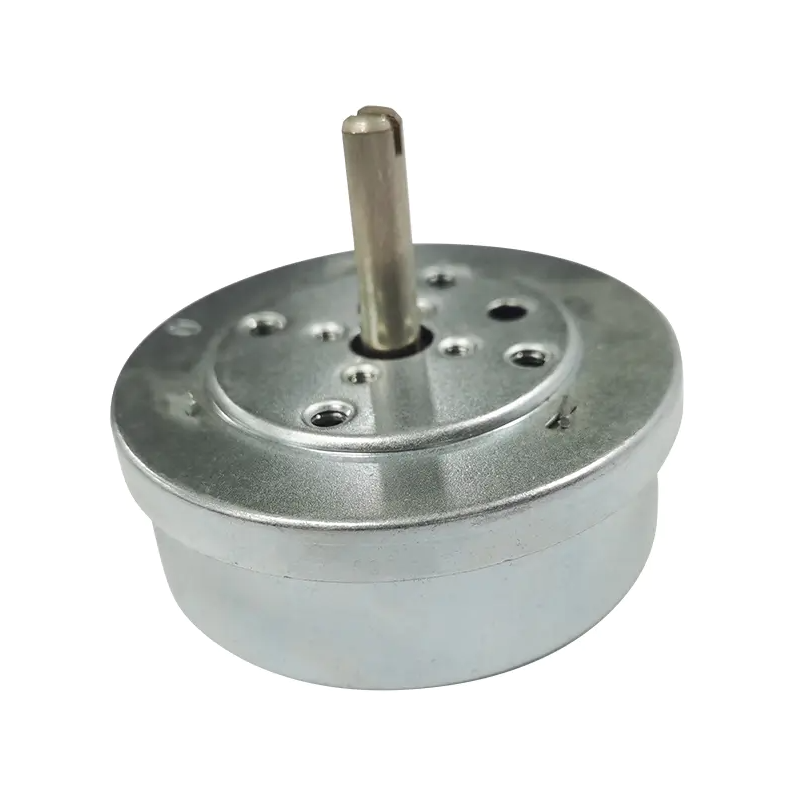
How to Test Contact Continuity with a Multimeter
Continuity testing confirms that the timer's internal switch contacts open and close correctly at the right positions. This is one of the most reliable diagnostic steps for identifying contact failures.
- Set the multimeter to continuity or resistance (Ω) mode.
- Identify the Common (COM), Normally Open (NO), and Normally Closed (NC) terminals using the wiring diagram.
- Connect the test leads between COM and NC. The meter should read near 0 Ω (closed circuit) when the timer is in its rest state.
- Connect the test leads between COM and NO. The meter should read OL or open circuit in the rest state.
- Manually advance the timer to its trip point. The readings should invert: NC opens (OL) and NO closes (near 0 Ω).
A healthy contact pair should read below 0.5 Ω when closed. Readings above 2 Ω when closed indicate contact degradation that may cause arcing or overheating under load.
How to Measure Timing Accuracy Under Power
Timing accuracy testing requires the timer to operate under its rated supply voltage. This is the most definitive test of overall performance.
Step-by-Step Powered Timing Test
- Set the timer to a known interval — for example, exactly 60 seconds on the dial scale.
- Apply the rated supply voltage and simultaneously start your reference stopwatch.
- Stop the stopwatch the moment the output contact switches (indicated by the continuity change or an audible click).
- Record the actual elapsed time and calculate the deviation from the set value.
- Repeat the test at least 5 times and average the results to account for mechanical variation.
Understanding Acceptable Tolerances
Mechanical timers are not precision instruments. The table below summarizes typical accuracy expectations by timer category:
| Timer Type |
Typical Accuracy Tolerance |
Acceptable Repeat Variance |
| Spring-wound mechanical |
±10% – ±15% |
±5% cycle-to-cycle |
| Synchronous motor-driven |
±1% – ±2% |
±0.5% cycle-to-cycle |
| Dashpot (pneumatic) timer |
±10% – ±20% |
±8% cycle-to-cycle |
| Cam-operated rotary timer |
±2% – ±5% |
±1% cycle-to-cycle |
Typical accuracy tolerances by mechanical timer type; values based on standard industry specifications at rated voltage and room temperature (20–25°C).
If measured deviations consistently exceed these ranges, the timer requires recalibration or replacement.
How to Test for Repeat Consistency Across Multiple Cycles
A single accurate timing result is not sufficient evidence of a healthy timer. Mechanical components wear in ways that cause progressive drift over repeated cycles, so consistency testing across a minimum of 10 cycles is strongly recommended.
Record the actual trip time for each cycle in a simple table. Calculate the standard deviation of the results. For synchronous motor-driven timers, a standard deviation greater than 1.5 seconds over a 60-second set point indicates a mechanical problem. For spring-wound timers, a deviation greater than 6 seconds over the same interval is the threshold for concern.
Increasing deviation over successive tests (for example, cycles drifting from 58s → 59s → 61s → 63s) is a strong indicator of spring fatigue or lubricant breakdown.
How to Test the Timer Under Load Conditions
Contact performance tested with a multimeter uses only micro-ampere probe currents. Real-world circuits impose significantly higher currents, which can reveal contact issues that bench testing misses.
Resistive Load Test
Connect a resistive load (such as an incandescent lamp or resistor bank) rated at approximately 50% of the timer's contact current rating. Operate the timer through 20 complete switching cycles. After the test, inspect the contacts for new discoloration or pitting. Measure contact resistance again. An increase of more than 0.3 Ω from the pre-load baseline indicates contact erosion.
Inductive Load Consideration
If the timer will control inductive loads such as motors or solenoids, the contact rating must be derated — typically to 40–60% of the resistive rating depending on the power factor of the load. Test with the actual intended load whenever possible, as inductive switching generates voltage spikes that accelerate contact wear.
Common Failure Modes and What They Indicate
Understanding what each failure pattern means helps to efficiently diagnose problems rather than replacing components at random.
- Timer runs but never trips: The cam or trip lever is worn, or the return spring is broken. Inspect the mechanism at the end of the timing cycle.
- Timer trips immediately after being set: The escapement mechanism is damaged or the spring tension is too high, bypassing the regulated release rate.
- Inconsistent timing between cycles: Dried or contaminated lubricant in the gear train is the most common cause. Cleaning and re-lubricating with an appropriate low-viscosity gear oil often resolves this.
- Contacts fail to switch under load: Contact welding from a previous overcurrent event. Contacts that appear physically closed but pass no current require replacement.
- Motor-driven timer stalls mid-cycle: Motor winding fault or seized bearing. Measure motor winding resistance; an open circuit or resistance more than 20% above the rated value confirms winding failure.
Mechanical timers are sensitive to ambient temperature. Most manufacturers specify accuracy at a reference temperature of 20°C. Testing outside this range introduces systematic error that should not be confused with timer malfunction.
For spring-wound timers, lubricant viscosity increases at lower temperatures, slowing the escapement and extending the measured time interval. At 0°C, a 60-second timer may read as much as 70–75 seconds — a deviation of over 15% — without the unit itself being defective. If installation conditions differ significantly from standard lab temperature, always test the timer at the expected operating temperature to obtain meaningful results.
Synchronous motor timers are far less affected by temperature since their timing is governed by the AC supply frequency (50 Hz or 60 Hz) rather than a mechanical release rate.
When to Calibrate vs. When to Replace
Not every out-of-tolerance timer needs replacement. Many mechanical timers include an adjustment screw or eccentric cam that allows field calibration within a limited range, typically ±15% of the set point.
Calibration is appropriate when: timing error is consistent and repeatable, cycle-to-cycle variance is within tolerance, contacts pass the continuity and load tests, and the mechanism shows no physical damage.
Replace the timer when: contact resistance exceeds 2 Ω in the closed position, cycle-to-cycle variance exceeds the acceptable threshold for the timer type, the timing error is non-linear (different errors at different dial settings), or physical damage to the gear train or cam is confirmed. Attempting to calibrate a mechanically degraded timer produces short-lived results and risks unexpected operation in service.



 English
 中文简体
中文简体