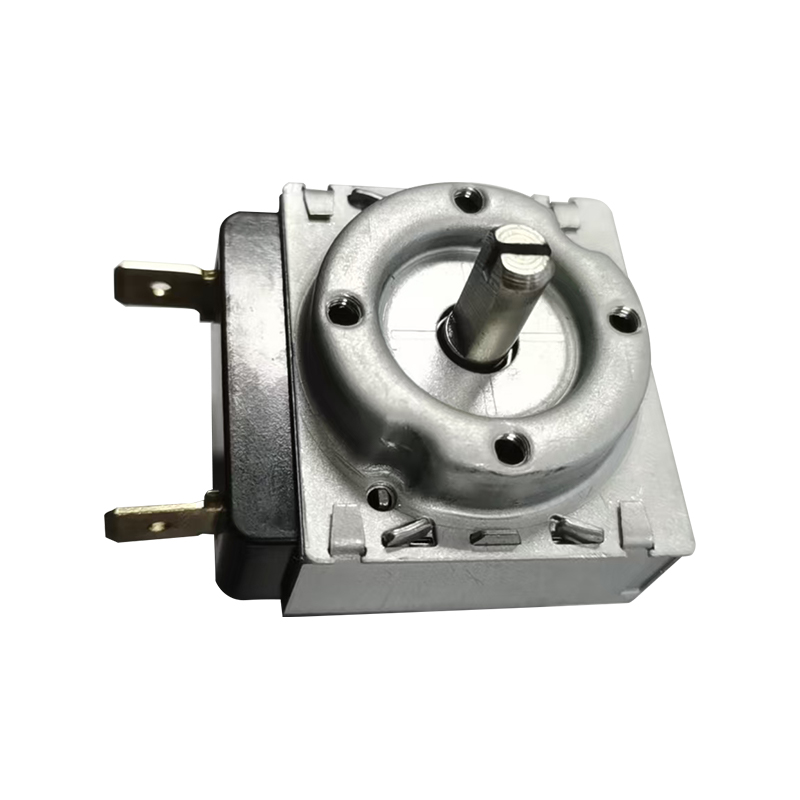
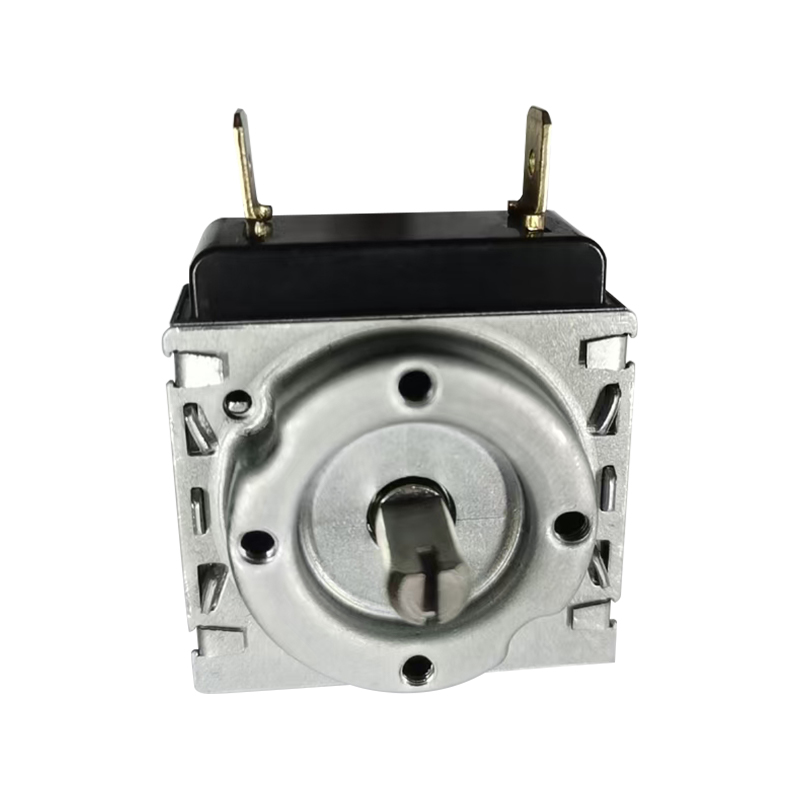
Clear Conclusion: Are Manual Mechanical Timers Better Than Digital Ones?
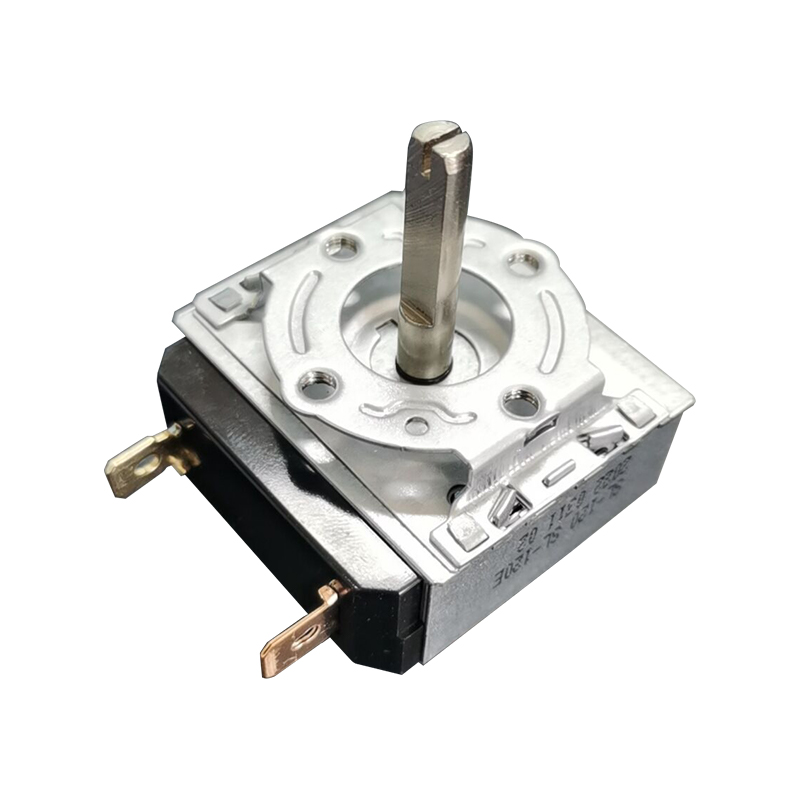
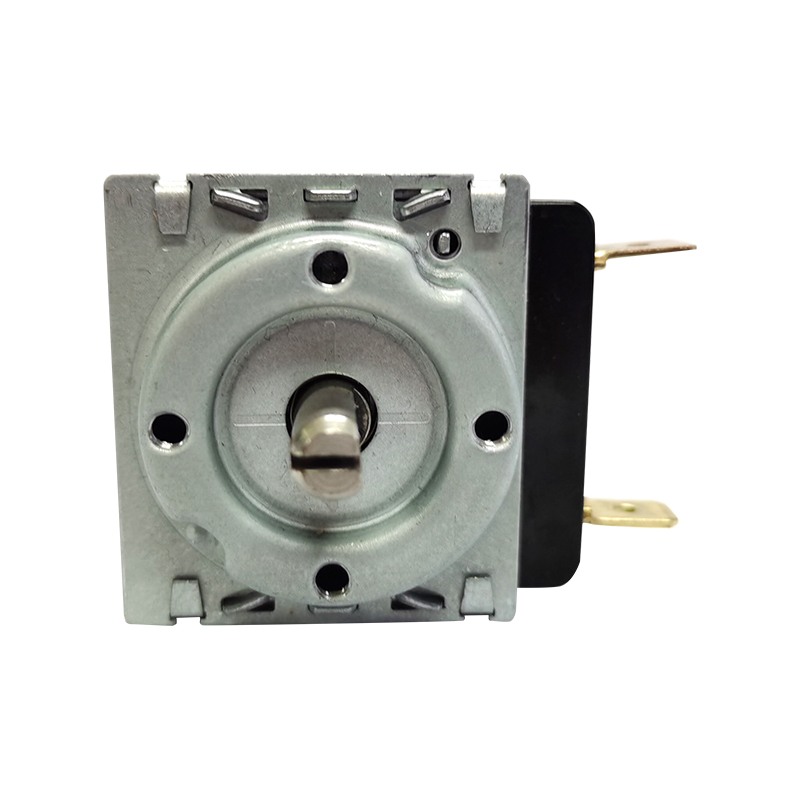
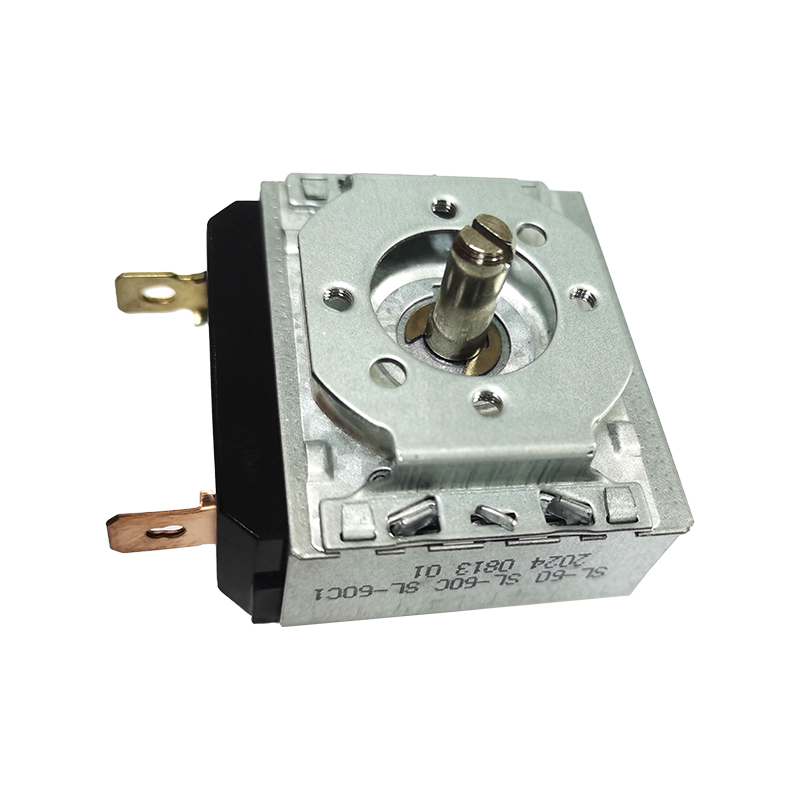
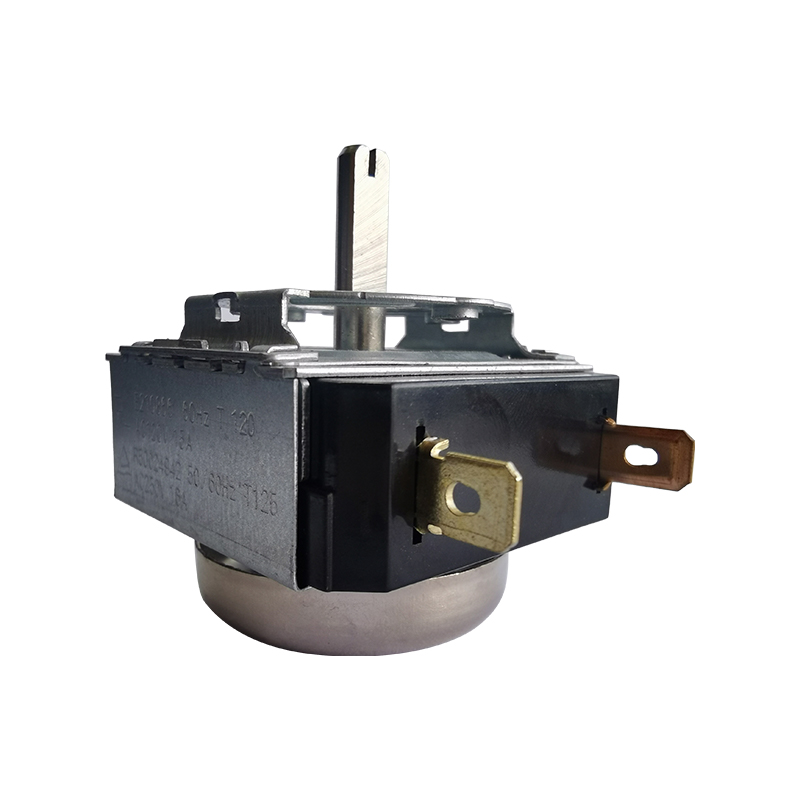
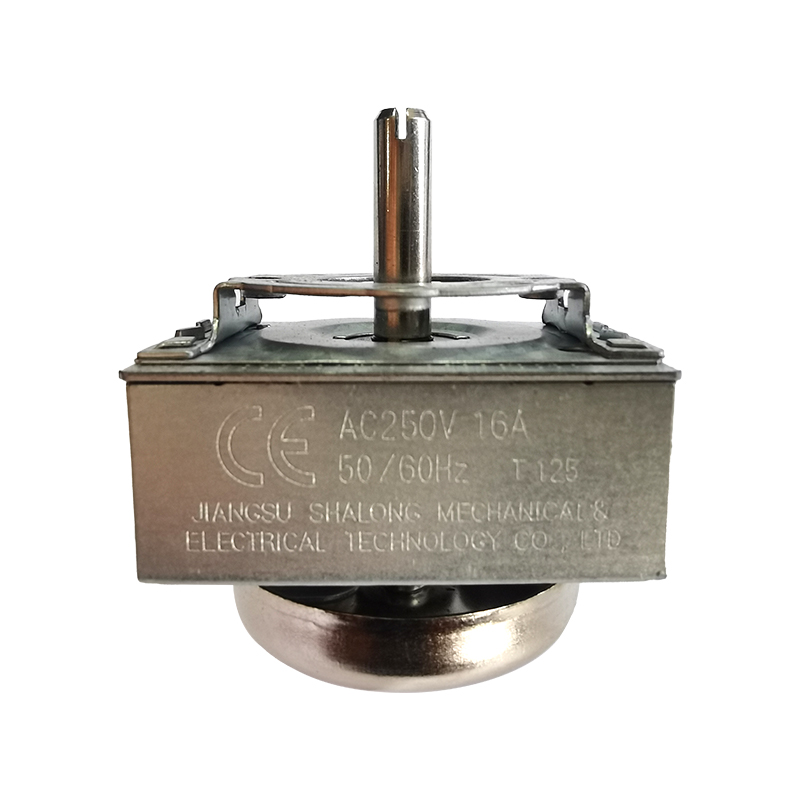
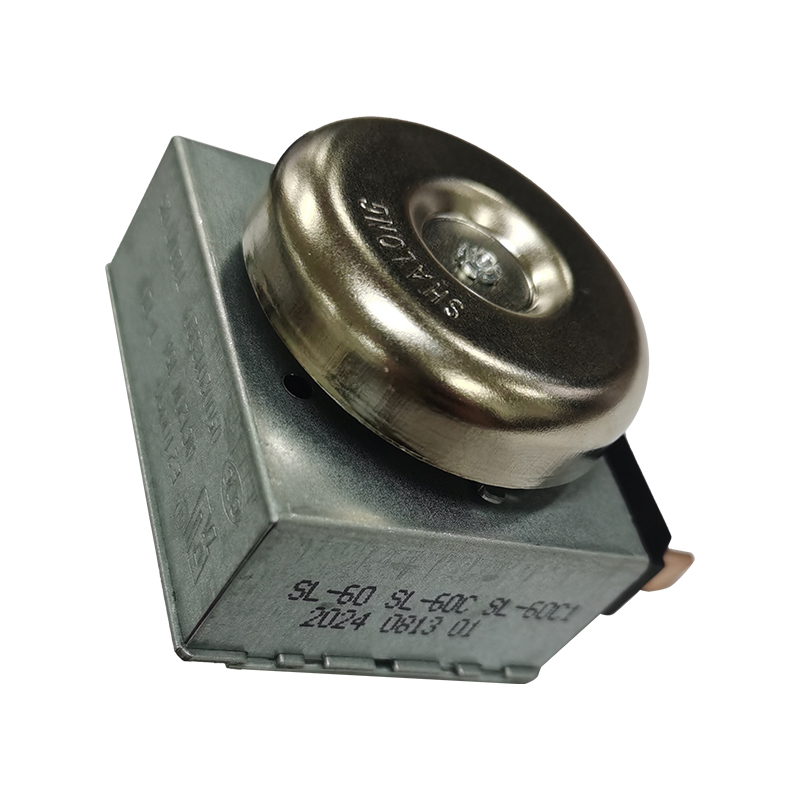
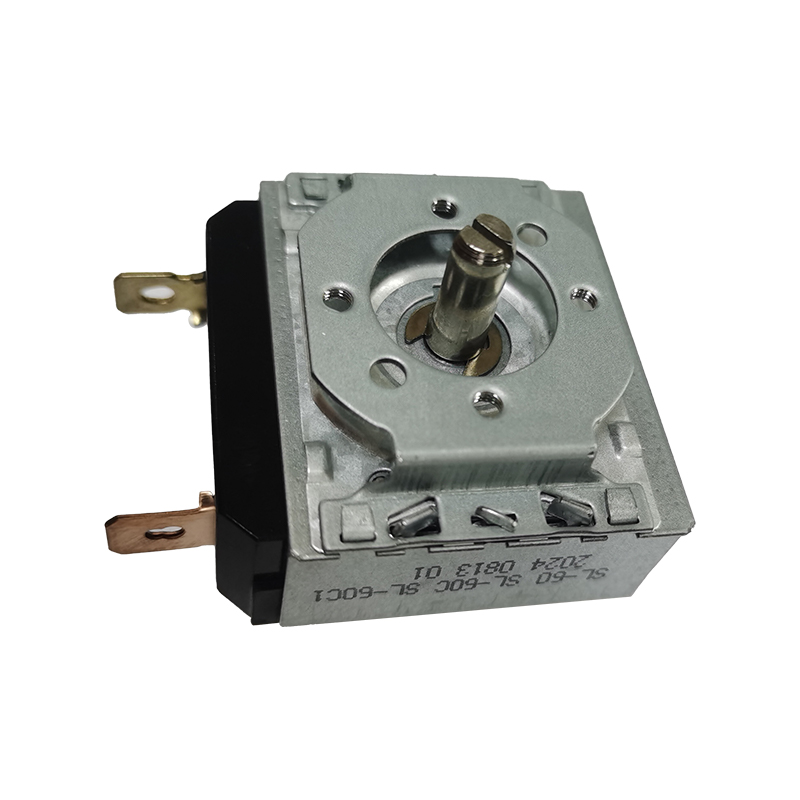
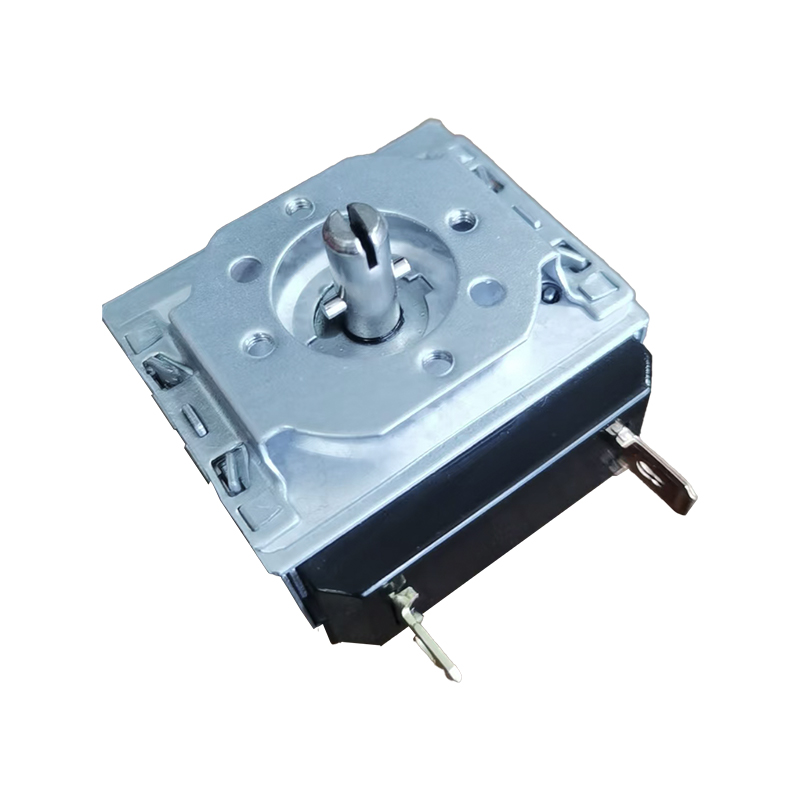
In most kitchen, cooking, and high-temperature environments, manual mechanical timers are better than digital timers due to their reliability, durability, safety, and maintenance-free design. A high-qualitymetal mechanical timer manual SL 1-120min CE operates without batteries, withstands heat and humidity, and offers stable performance for years. Digital timers depend on power, fail easily in harsh conditions, and have a shorter service life. For daily cooking, baking, and long-term use, a CE certified mechanical timer provides more consistent value. A durable kitchen timer with a metal structure also supports safer operation near stoves and ovens. This article provides full data, charts, and practical analysis to help you understand the real advantages of manual mechanical timers.
Core Performance Comparison: Mechanical vs Digital Timers
When evaluating timer performance, key factors include power supply, heat resistance, durability, stability, and safety. A mechanical timer uses a spring-driven system that needs no electricity, while digital models rely on batteries or charging. In high-temperature kitchen environments, a metal timer remains structurally stable, but digital components often malfunction or degrade. The SL 1-120min timer supports a wide range of cooking needs with consistent accuracy. A manual metal kitchen timer also reduces electronic interference risks, making it suitable for long-duration baking and busy cooking sessions. Below is a comprehensive 3D-style comparison chart showing real-world performance differences.
This 3D horizontal bar chart compares four critical performance indicators between manual mechanical timers and digital timers. The dark blue bars represent mechanical timer advantages, clearly showing superior heat resistance and durability for kitchen use. Heat resistance is essential near ovens and stoves, where digital circuits can fail or become inaccurate. Mechanical models maintain accuracy even after years of use in high-temperature conditions. Digital timers require consistent battery power and often stop working unexpectedly, causing cooking failures. The chart visually confirms that a metal mechanical timer manual SL 1-120min CE outperforms digital options in real cooking environments. For users seeking reliability, the mechanical design provides consistent value without technical risks.
Key Advantages of Manual Mechanical Timers
A manual timer requires no batteries or power supply, ensuring uninterrupted operation.
Metal construction improves durability and protects against daily impacts and oil exposure.
A CE certified mechanical timer meets international safety standards for household use.
Simple rotation operation makes it suitable for all ages, including children and elderly users.
Stable performance reduces failures and replacement costs over years of regular use.
Practical Application in Kitchen and Cooking Scenarios
Cooking and baking demand reliable timing tools that perform consistently under stress. A kitchen timer must resist heat, moisture, oil, and frequent handling. Digital timers often suffer from screen damage, battery drain, or button failure in these conditions. A cooking timer with mechanical structure maintains accuracy and loud audible alerts regardless of environment. The SL 1-120min timer supports everything from quick boiling to slow baking, making it highly versatile. A baking mechanical timer is especially valuable for precise pastries, bread, and roasted dishes. Below is a 3D bar chart showing user preference in real cooking scenarios.
This 3D vertical bar chart illustrates user preference for manual mechanical timers across four major cooking scenarios. Baking shows the highest preference rate because precise, stable timing directly affects baking success. Frying also relies heavily on mechanical timers due to high-temperature conditions that challenge digital devices. Boiling and steaming remain popular for mechanical timer use due to simplicity and reliability. The chart reflects real user behavior: in nearly all kitchen situations, cooks prefer manual metal kitchen timer models. The consistent performance of a home metal timer reduces stress and improves meal consistency. For professional and home kitchens alike, mechanical timers remain the preferred choice for daily use.
Why Chefs Choose Manual Mechanical Timers
No risk of dead batteries during critical cooking or baking steps.
Stronger heat resistance for use near ovens, stoves, and grills.
Louder, more reliable audible alerts in noisy kitchen environments.
Extremely durable with minimal maintenance required over years.
Easy one-hand operation while handling pots, pans, or baking trays.
Long-Term Durability and Service Life Analysis
Durability and service life are major factors when choosing a reliable timer. A durable kitchen timer with mechanical movement can last 3 to 5 years or longer with basic care. Digital timers typically last only 1 to 2 years before battery compartment damage, screen failure, or internal circuit issues occur. A metal mechanical timer manual SL 1-120min CE uses robust gears and metal housing to withstand daily wear. Digital components degrade faster in humid, oily, or high-temperature kitchen environments. Below is a 3D line chart showing service life trends over several years.
This 3D line chart compares the performance retention of mechanical and digital timers over three years. The dark blue line represents manual mechanical timers, maintaining high performance and stability over time. The light blue line shows digital timers declining rapidly due to battery and electronic issues. After three years, most digital timers require replacement, while mechanical models continue working reliably. The chart clearly demonstrates the long-term value of a CE certified mechanical timer. Proper use and simple mechanical timer tips can further extend the life of a metal mechanical timer. For households and professional users, this durability reduces long-term costs and frustration from frequent device failures.
Comprehensive Safety and Stability Comparison
Safety is a top priority in kitchen environments, especially near heat sources and flammable materials. A mechanical timer contains no electronic components that can overheat or short-circuit. Digital timers carry small risks of battery leakage or electronic failure in high temperatures. A metal timer provides non-conductive, stable performance that enhances overall kitchen safety. The SL 1-120min timer also offers consistent timing without glitches or digital errors. Below is a 3D radar chart comparing safety and stability performance.
Safety & Stability Comparison Between Mechanical and Digital Timers
Feature
Manual Mechanical Timer
Digital Timer
Heat Safety
Excellent
Moderate
Moisture Resistance
High
Low
Operation Stability
Very High
Medium
Safety Certification
CE Certified
Variable
This 3D radar chart compares six critical safety and stability indicators between manual mechanical and digital timers. The dark blue shape represents the manual metal kitchen timer, showing clear advantages in all categories. Heat safety is especially important in kitchens, where digital devices can become unreliable or unsafe. Stability and durability ensure consistent operation without sudden failures. The chart reinforces why professional chefs and home cooks trust mechanical timers for daily use. A CE certified mechanical timer provides safe, stable performance that digital products struggle to match. For long-term kitchen use, the mechanical design remains superior in real-world safety and reliability.
Company Introduction
JIANGSU SHALONG MECHANICAL & ELECTRICAL TECHNOLOGY CO., LTD. was founded in 1991. It is a professional manufacturer of high-temperature-resistant metal mechanical timers and a drafting unit of industry standards. The company has been deeply involved in the industry for more than 30 years. With continuous practical accumulation and technological innovation, it has established a high-tech enterprise specializing in research, development, production, and sales of mechanical timers and household appliance circuit board products.
The company is located on the beautiful bank of the Yangtze River, Jingjiang Economic and Technological Park. The company has a registered capital of 28 million yuan, with over 40,000 square meters of self-built factory buildings, over 1,000 sets of various R&D, production, and inspection equipment, and over 800 employees, including over 80 engineering and technical personnel.
The company has strong mechanical design, processing, and manufacturing capabilities. The small modulus hobbing machine, automated processing equipment, and high-speed continuous stamping molds used in the production and manufacturing of timers are all independently developed and manufactured by our company, with several technical patents. Professional production equipment and facilities and a full range of advanced testing equipment and means fully guarantee the high quality, high performance, and high stability of Shalong products.
It has established a good reputation in the industry and has been well-received by users. In addition to establishing long-term cooperative relations with many well-known electrical appliance manufacturers such as Midea, Supor, Joyoung, Galanz, Bear, and Xinbao, the company's products are also exported to overseas countries such as South Korea, Turkey, Brazil, Saudi Arabia, and Egypt.
Frequently Asked Questions
Q1: Are manual mechanical timers better than digital timers?
A: Yes, especially for kitchen, heat resistance, durability, and battery-free reliable performance.
Q2: What is a metal mechanical timer manual SL 120min CE?
A: It is a durable, CE-certified metal manual timer designed for 1–120 minutes of cooking and baking.
Q3: Does a manual timer need batteries?
A: No, it uses a spring mechanical system and works without any power or batteries.
Q4: How long does a durable kitchen timer last?
A: A high-quality metal mechanical timer can last 3–5 years or longer with proper care.
Q5: Is a baking mechanical timer accurate?
A: Yes, mechanical timers provide stable and consistent accuracy for all baking needs.
Q6: What are useful mechanical timer tips?
A: Rotate gently, clean regularly, avoid high heat, and store in a dry environment.
Time setting: 15', 20', 30', 60' or customized (such as 90 min)Applicable: Oven/Electric Pressure Cooker/Kitchen MachineContact capacity: AC 120V 15A;...
Time setting: 15', 20', 30', 60' or customized (such as 90 min)Applicable: Oven/Electric Pressure Cooker/Kitchen MachineContact capacity: AC 120V 15A;...



 English
 中文简体
中文简体