Clear Conclusion: Why You Need a Metal Mechanical Timer in Your Kitchen
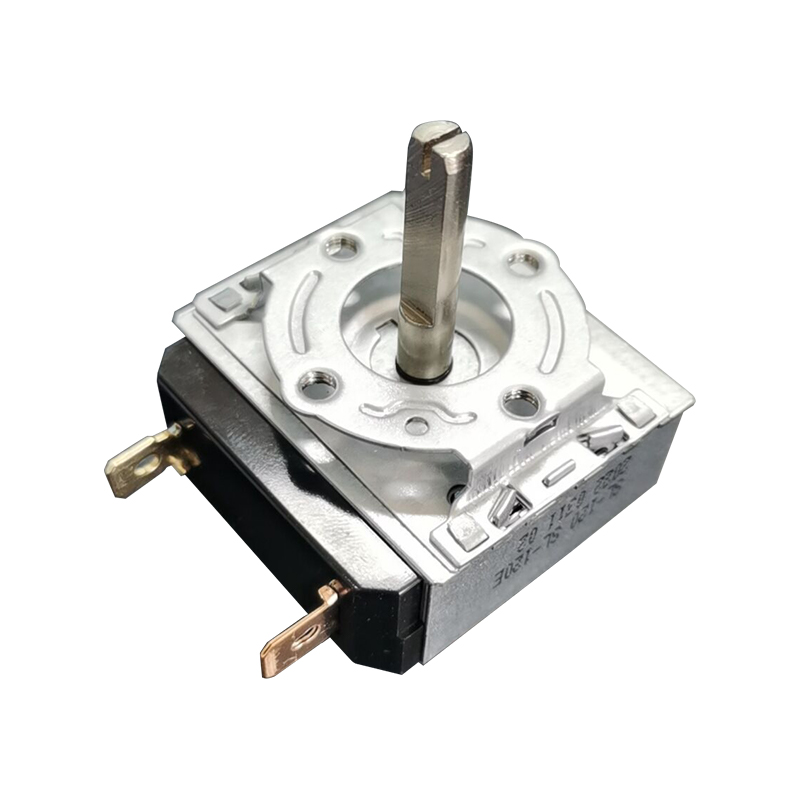
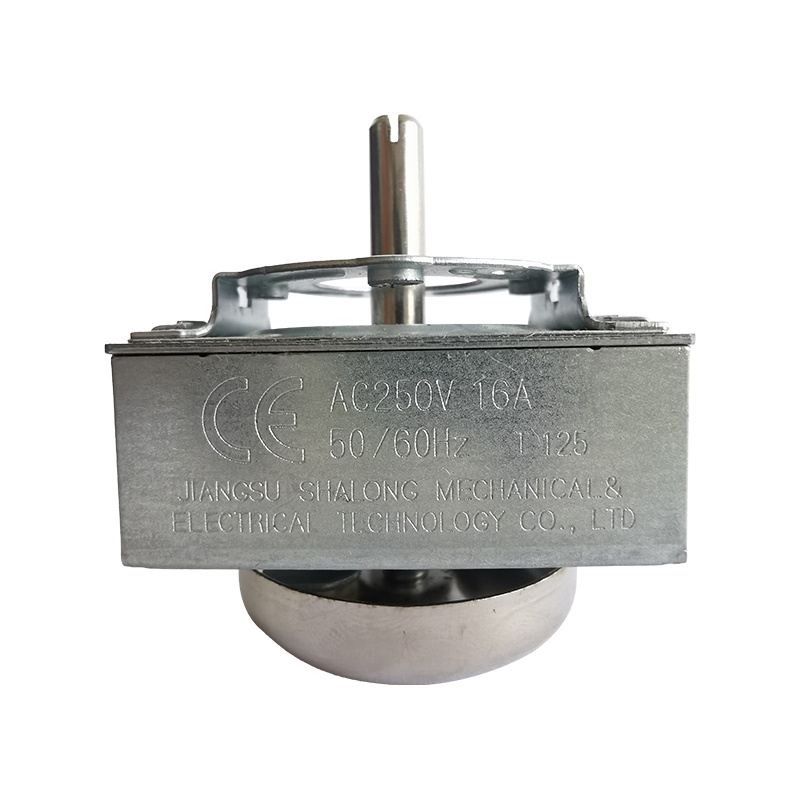
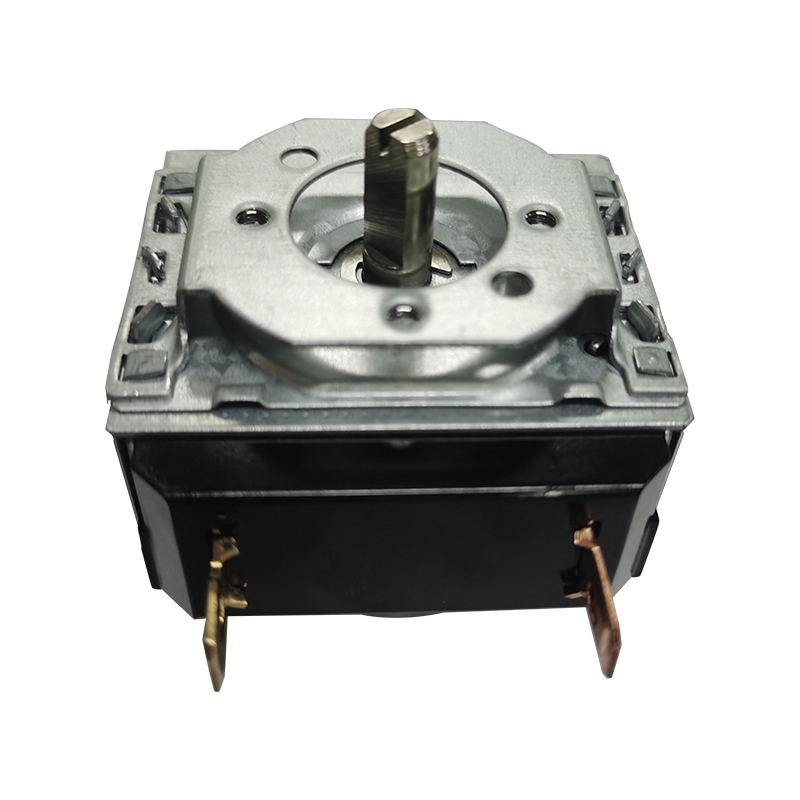
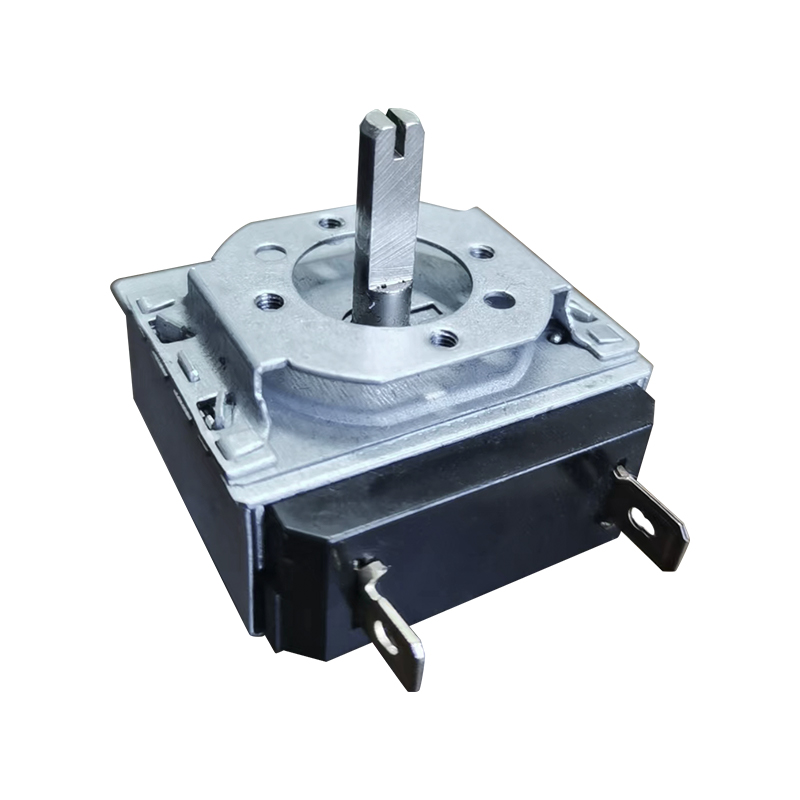
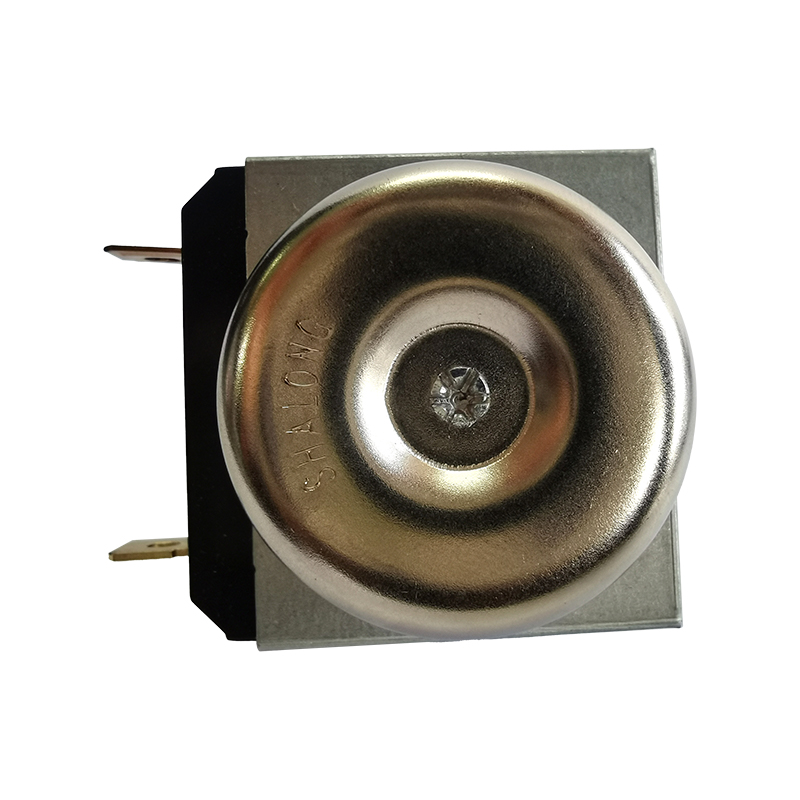
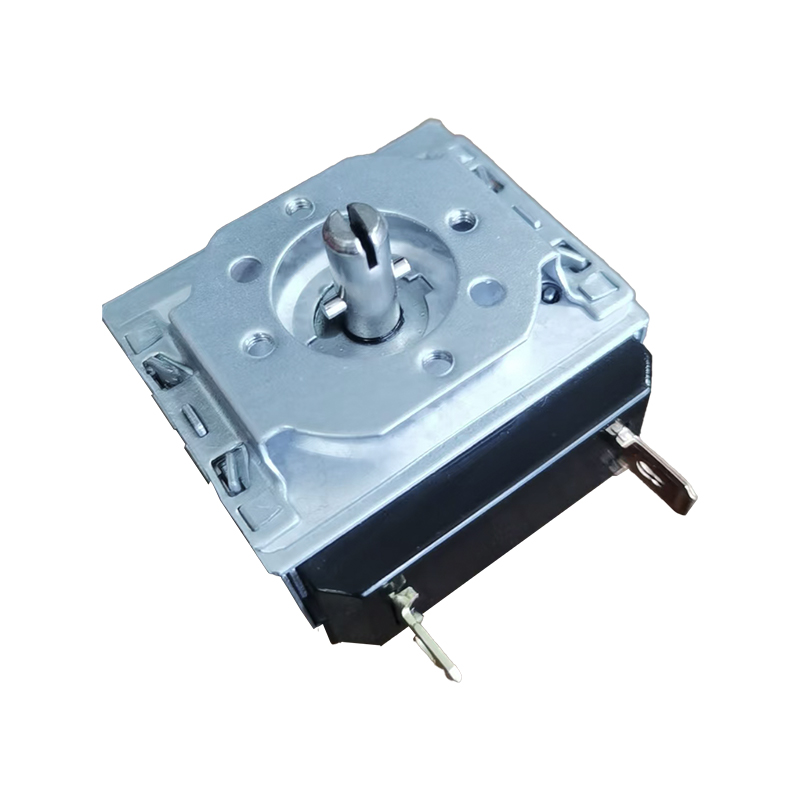
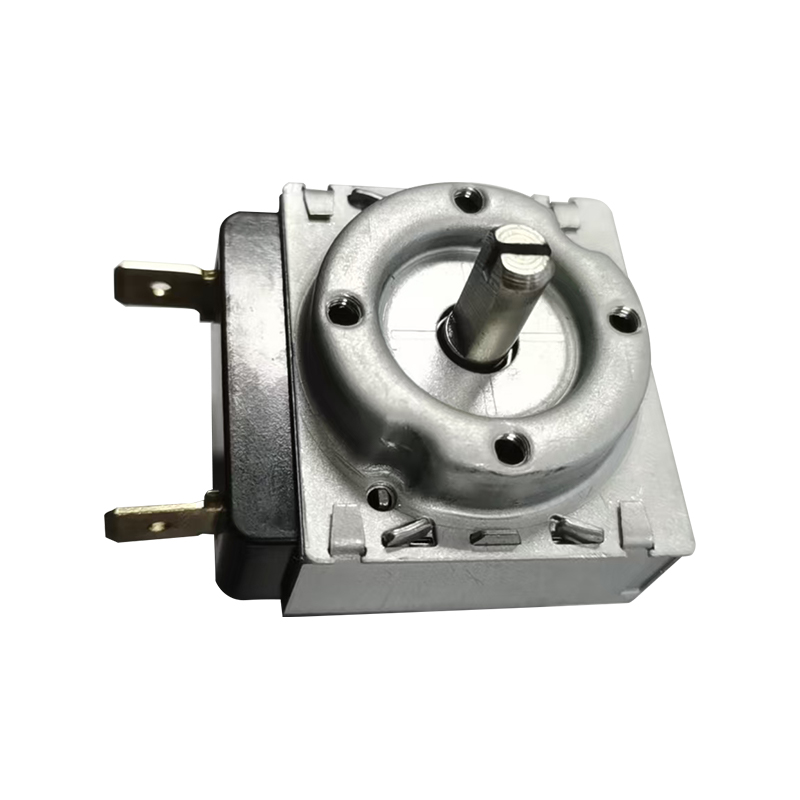
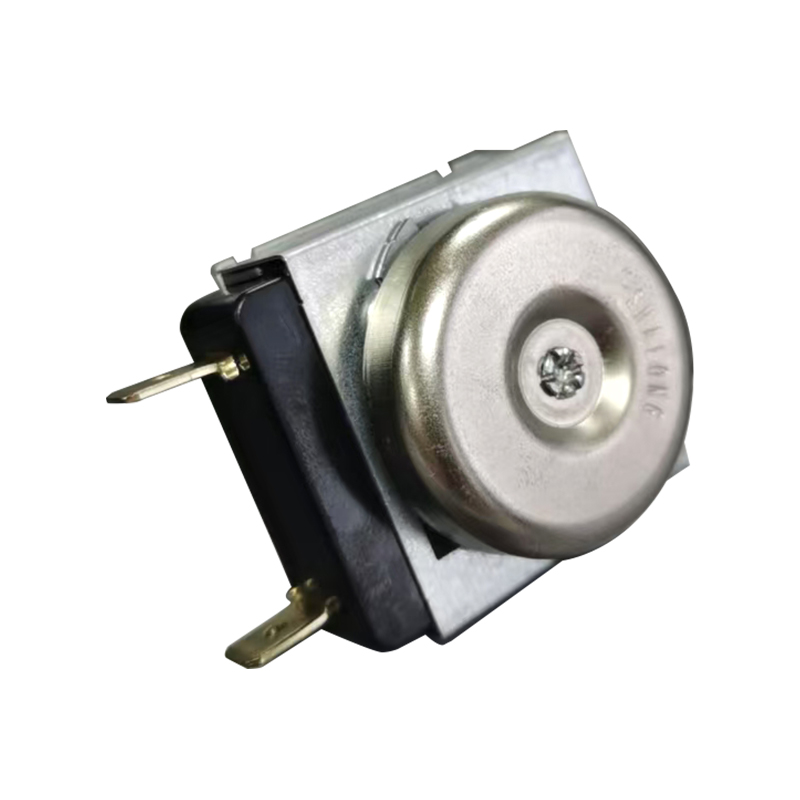
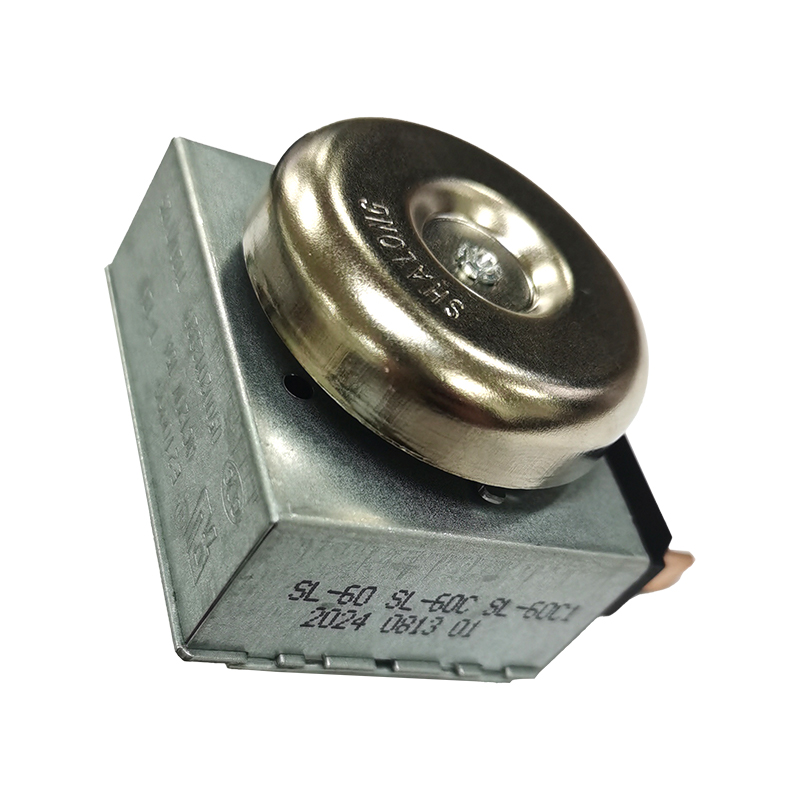
A metal mechanical timer brings reliable timing control, stable performance, and long service life for daily cooking. A high-quality metal mechanical timer manual SL 1-120min CE supports accurate time management within 1–120 minutes, avoids overcooking or undercooking, and improves safety in busy kitchens. As a CE certified mechanical timer, it meets international safety standards and works without batteries. A durable kitchen timer made of metal offers better heat resistance and structural stability than plastic timers. Whether for daily cooking, baking, frying, or steaming, a manual metal kitchen timer helps users maintain consistent food quality and reduces operational risks effectively. This article explains core values, usage advantages, data comparisons, and practical tips to help you understand the necessity of a reliable mechanical timer in modern kitchens.
Core Advantages of Metal Mechanical Timers in Kitchen Environments
Modern kitchens require stable, safe, and easy-to-use timing tools. A mechanical timer made of metal housing provides strong protection against daily collisions, high temperatures, and oil fumes. Unlike electronic timers, a manual timer does not rely on power or batteries, so it remains functional at all times. The SL 1-120min timer supports a wide time range suitable for most cooking scenarios, from quick boiling to slow baking. A metal timer offers better durability in humid and high-temperature kitchen conditions, maintaining accurate rotation and clear sound prompts for years. Using a cooking timer with metal structure improves overall kitchen efficiency and reduces human error during multi-task cooking.
This horizontal bar chart compares four key performance indicators between metal timers and plastic timers. The metal mechanical timer shows significantly higher durability, making it ideal for long-term kitchen use. Heat resistance is another strong advantage, as metal materials remain stable near stoves and ovens. Plastic timers have lower heat resistance and may deform or fade over time. The service life of a metal timer is much longer, reducing replacement frequency and improving cost efficiency. Overall, the chart clearly proves that a metal structure provides better adaptability to complex kitchen environments.
Key Benefits of Using a Metal Mechanical Timer
A CE certified mechanical timer ensures safe operation and meets global quality standards.
The SL 1-120min timer supports flexible timing for frying, boiling, baking, and steaming.
A durable kitchen timer with metal casing resists oil, moisture, and daily impact.
A manual metal kitchen timer requires no batteries and maintains consistent performance.
Clear audible alerts help users focus on other tasks without missing cooking deadlines.
Practical Value in Daily Cooking and Baking
Cooking success often depends on precise time control, especially in baking and professional catering. A baking mechanical timer helps maintain stable temperature and duration for pastries, bread, cakes, and roasts. Many home cooking failures are caused by inaccurate timing, such as overcooked vegetables, tough meat, or burnt crusts. Using a home metal timer creates a consistent cooking routine and improves the taste and texture of homemade meals. Even experienced chefs rely on mechanical timers to avoid mistakes during busy cooking sessions. The simple rotation operation of a kitchen timer allows all family members to use it easily without learning complex functions.
This bar chart displays the usage frequency of mechanical timers across four common cooking scenarios. Baking requires the highest timer usage because precise time control directly affects pastry quality and texture. Frying also relies heavily on timers to avoid overcooking or oil splashing risks. Boiling and steaming use timers at a slightly lower rate but still require consistent timing for ideal results. The chart reflects that a reliable cooking timer is essential for almost all daily cooking activities. With a metal mechanical timer manual SL 1-120min CE, users can handle every scenario with confidence and accuracy.
How Timer Improves Cooking Results
Set accurate time based on recipes to ensure ideal food texture and doneness.
Prevent overcooking, burning, or nutrient loss caused by overtime heating.
Allow users to handle multiple pots or pans without missing critical time points.
Improve cooking consistency for daily meals and professional baking.
Reduce stress and create a more relaxed and organized kitchen environment.
Performance Comparison: Mechanical vs Electronic Timers
Many users compare mechanical and electronic timers before choosing a kitchen tool. A mechanical timer offers unique advantages in durability, safety, and ease of use. Electronic timers often fail in high-temperature and humid environments, while a metal mechanical structure remains stable. A manual timer does not depend on batteries or charging, so it will never stop working unexpectedly. A CE certified mechanical timer also provides higher safety for long-term close-range use near heat sources. The following table and radar chart provide a comprehensive comparison to help you make the best choice.
Comparison between Mechanical and Electronic Kitchen Timers
Feature
Metal Mechanical Timer
Electronic Timer
Power Supply
No Battery Needed
Battery Required
Heat Resistance
High
Low
Service Life
Long (3–5 years+)
Short (1–2 years)
Safety Certification
CE Certified
Variable
Ease of Use
Very Easy
Moderate
This radar chart compares six core performance dimensions between mechanical and electronic timers. The metal mechanical timer shows clear advantages in durability, heat resistance, service life, safety, and stability. Electronic timers are only slightly better in certain digital functions but lack reliability in kitchen conditions. The chart visually proves that a durable kitchen timer with mechanical structure is more suitable for long-term kitchen use. For users seeking stable performance and low maintenance, the metal mechanical timer manual SL 1-120min CE is a more practical investment. The radar chart helps users understand why professional kitchens and households prefer mechanical timing solutions.
Useful Mechanical Timer Tips for Better Experience
Using a manual metal kitchen timer correctly can extend service life and improve accuracy. Simple daily maintenance ensures stable performance for years. Follow these practical mechanical timer tips to keep your timer in top condition. Proper operation also helps maintain consistent timing accuracy and clear sound alerts. Whether you are using a SL 1-120min timer or other mechanical models, these tips apply to most metal kitchen timers.
This line chart shows how proper maintenance affects the service life of a metal mechanical timer. The dark blue line represents timers with regular care, maintaining high performance over four years. The light blue line shows performance decline without maintenance, leading to early replacement. The chart illustrates that simple care habits significantly extend the life of a home metal timer. Regular wiping, avoiding high-temperature direct contact, and gentle rotation help preserve internal mechanical structures. Following mechanical timer tips ensures your CE certified mechanical timer remains accurate and reliable for a much longer period.
Recommended Maintenance and Operation Tips
Rotate the timer knob gently and avoid forced or rough operation.
Clean the surface regularly with a soft cloth to remove oil and dust.
Avoid placing the timer directly on hot surfaces or near open flames.
Store in a dry and cool place when not in use to prevent internal rust.
Follow full-range rotation occasionally to keep mechanical parts flexible.
Company Introduction
JIANGSU SHALONG MECHANICAL & ELECTRICAL TECHNOLOGY CO., LTD. was founded in 1991. It is a professional manufacturer of high-temperature-resistant metal mechanical timers and a drafting unit of industry standards. The company has been deeply involved in the industry for more than 30 years. With continuous practical accumulation and technological innovation, it has established a high-tech enterprise specializing in research, development, production, and sales of mechanical timers and household appliance circuit board products.
The company is located on the beautiful bank of the Yangtze River, Jingjiang Economic and Technological Park. The company has a registered capital of 28 million yuan, with over 40,000 square meters of self-built factory buildings, over 1,000 sets of various R&D, production, and inspection equipment, and over 800 employees, including over 80 engineering and technical personnel.
The company has strong mechanical design, processing, and manufacturing capabilities. The small modulus hobbing machine, automated processing equipment, and high-speed continuous stamping molds used in the production and manufacturing of timers are all independently developed and manufactured by our company, with several technical patents. Professional production equipment and facilities and a full range of advanced testing equipment and means fully guarantee the high quality, high performance, and high stability of Shalong products.
It has established a good reputation in the industry and has been well-received by users. In addition to establishing long-term cooperative relations with many well-known electrical appliance manufacturers such as Midea, Supor, Joyoung, Galanz, Bear, and Xinbao, the company's products are also exported to overseas countries such as South Korea, Turkey, Brazil, Saudi Arabia, and Egypt.
Frequently Asked Questions
Q1: What is a metal mechanical timer manual SL 1-120min CE?
A: It is a durable, CE-certified manual timer made of metal, supporting 1–120 minutes for kitchen cooking and baking.
Q2: Does a kitchen timer need batteries?
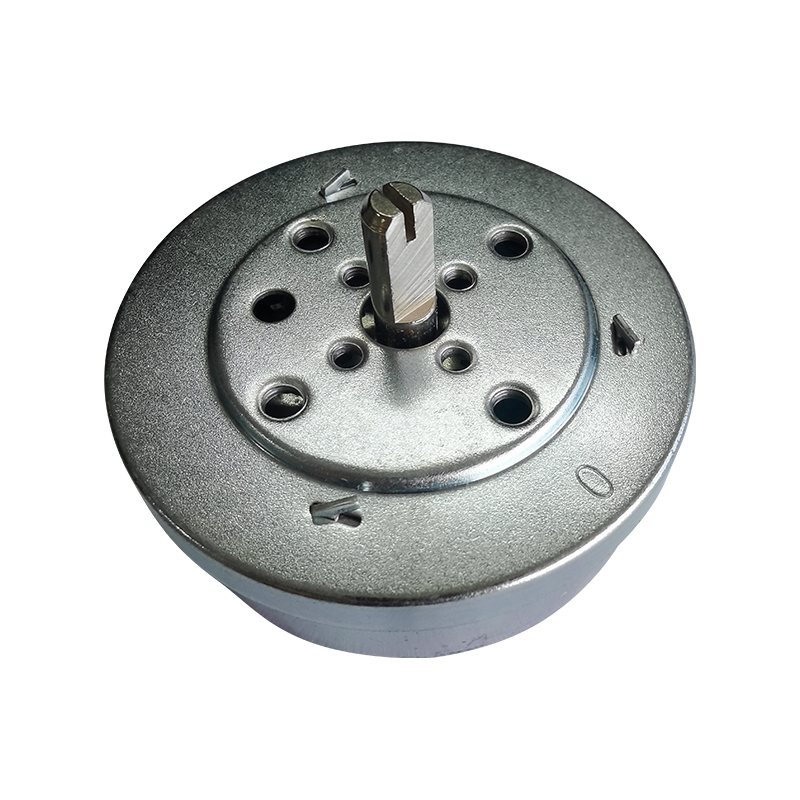
A: No, a mechanical timer uses spring-driven structure and requires no batteries or power supply.
Q3: Is a metal timer more durable than plastic?
A: Yes, metal housing offers higher heat resistance, impact resistance, and longer service life in kitchens.
Q4: Why choose a CE certified mechanical timer?
A: CE certification ensures product safety, quality stability, and compliance with international standards.
Q5: Can I use a baking mechanical timer for other cooking?
A: Yes, it is suitable for baking, frying, boiling, steaming, and other daily cooking activities.
Q6: What are useful mechanical timer tips?
A: Rotate gently, clean regularly, avoid high temperatures, and store in dry conditions for longer life.
Time setting: 15', 20', 30', 60' or customized (such as 90 min)Applicable: Oven/Electric Pressure Cooker/Kitchen MachineContact capacity: AC 120V 15A;...
Time setting: 15', 20', 30', 60' or customized (such as 90 min)Applicable: Oven/Electric Pressure Cooker/Kitchen MachineContact capacity: AC 120V 15A;...
Time setting: 15', 20', 30', 60' or customized (such as 90 min)Applicable: Oven/Electric Pressure Cooker/Kitchen MachineContact capacity: AC 120V 15A;...



 English
 中文简体
中文简体