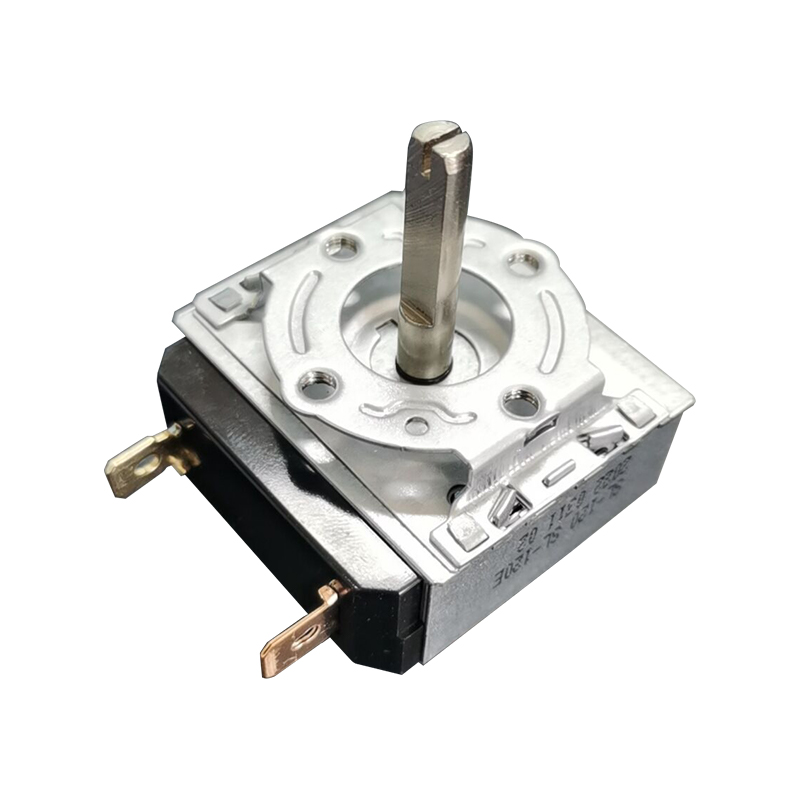
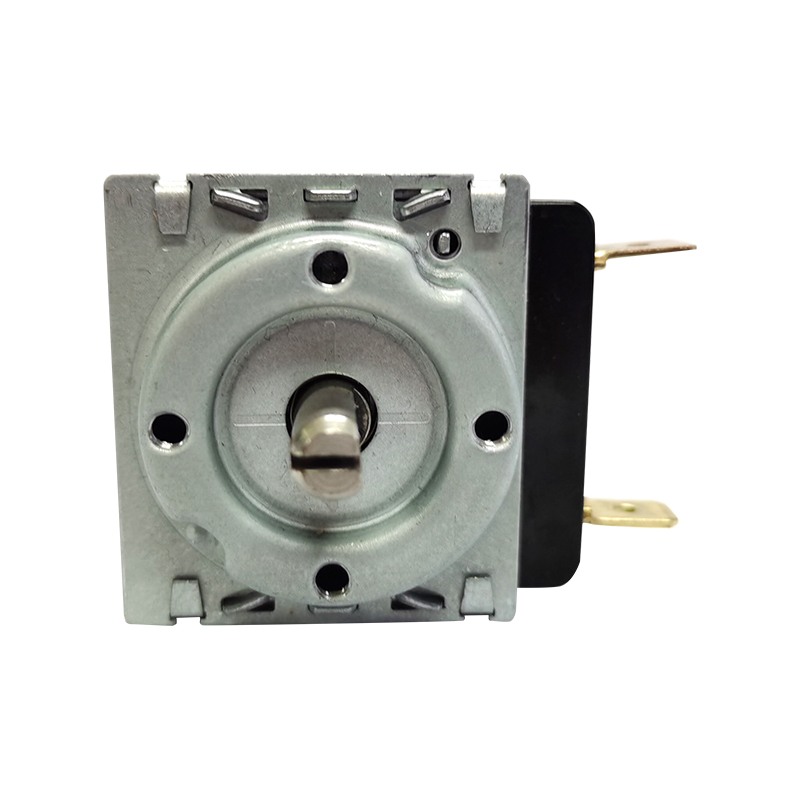
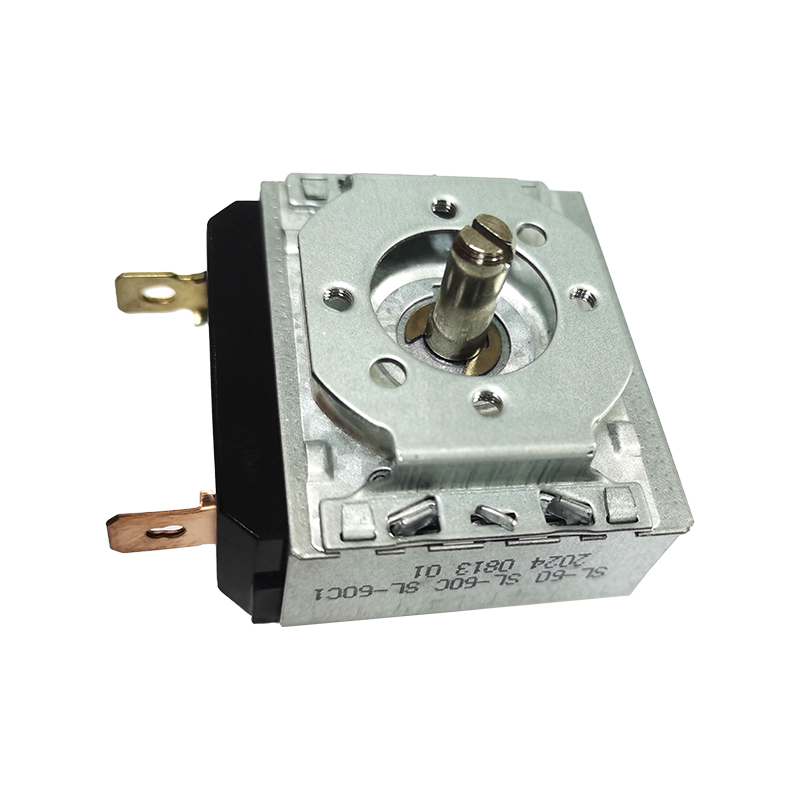
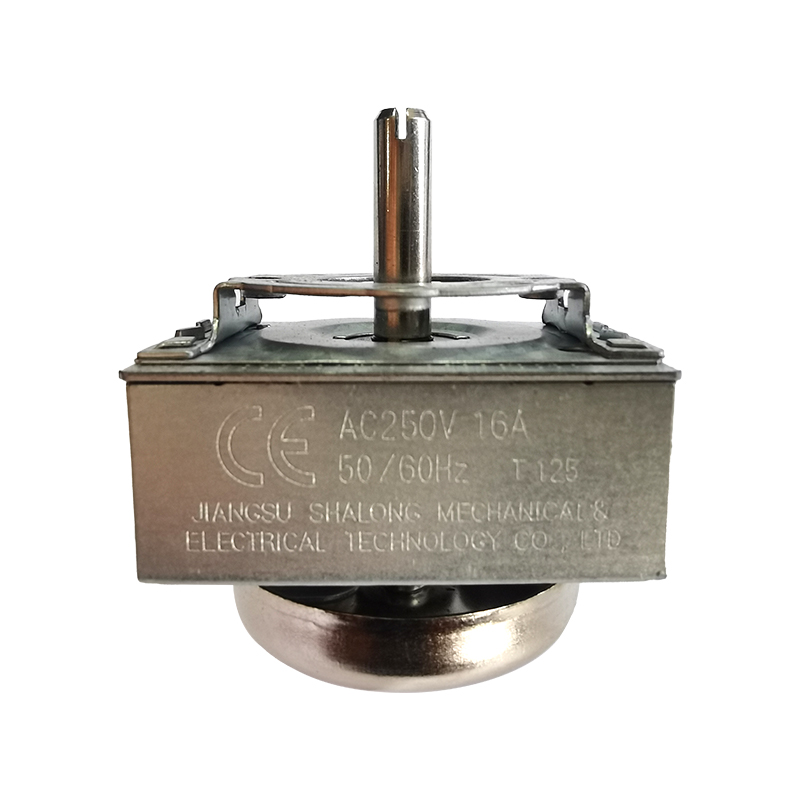
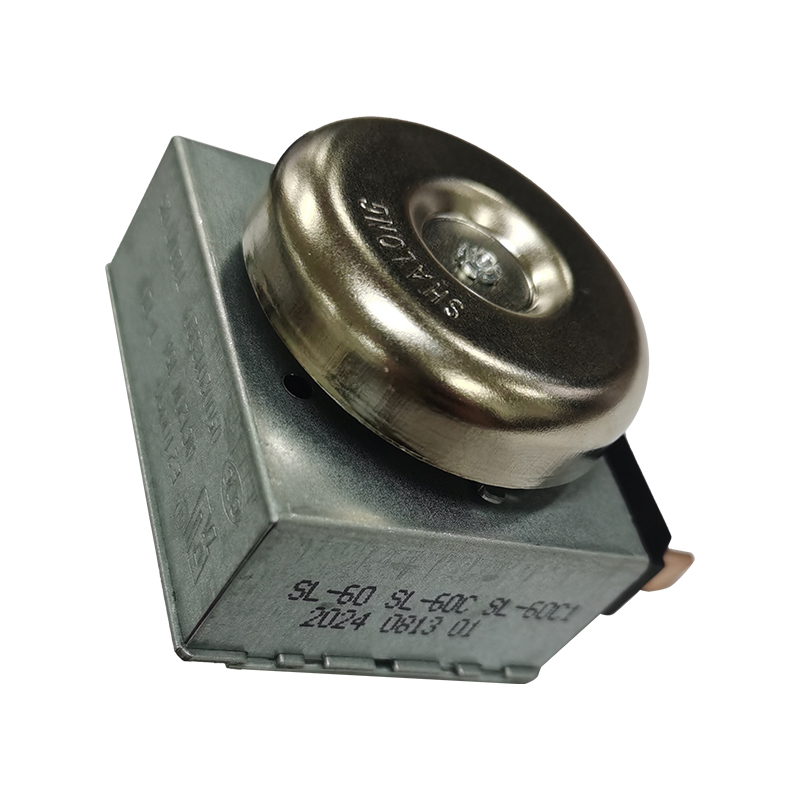
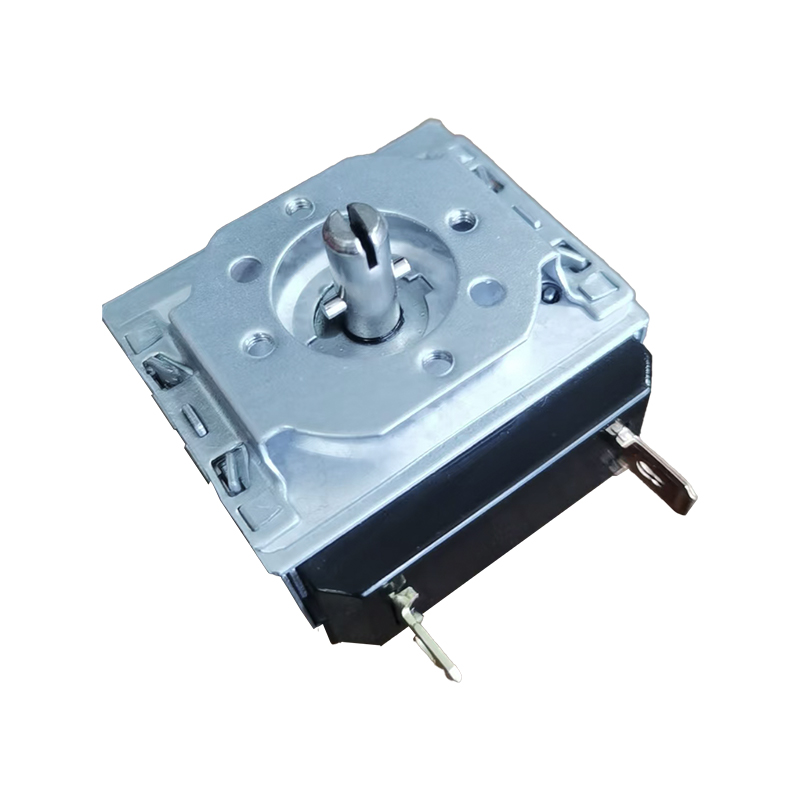
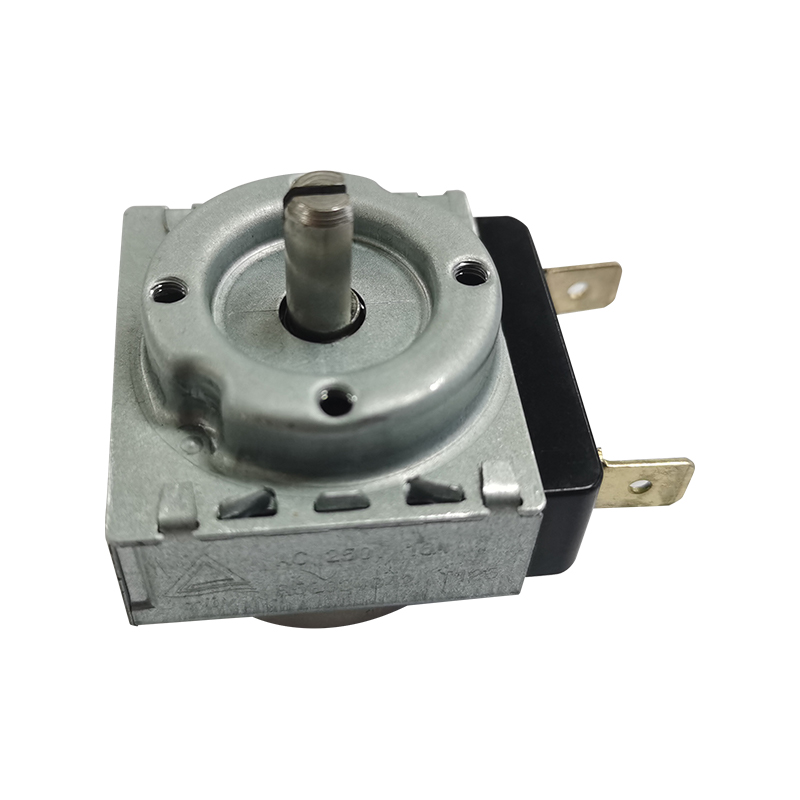
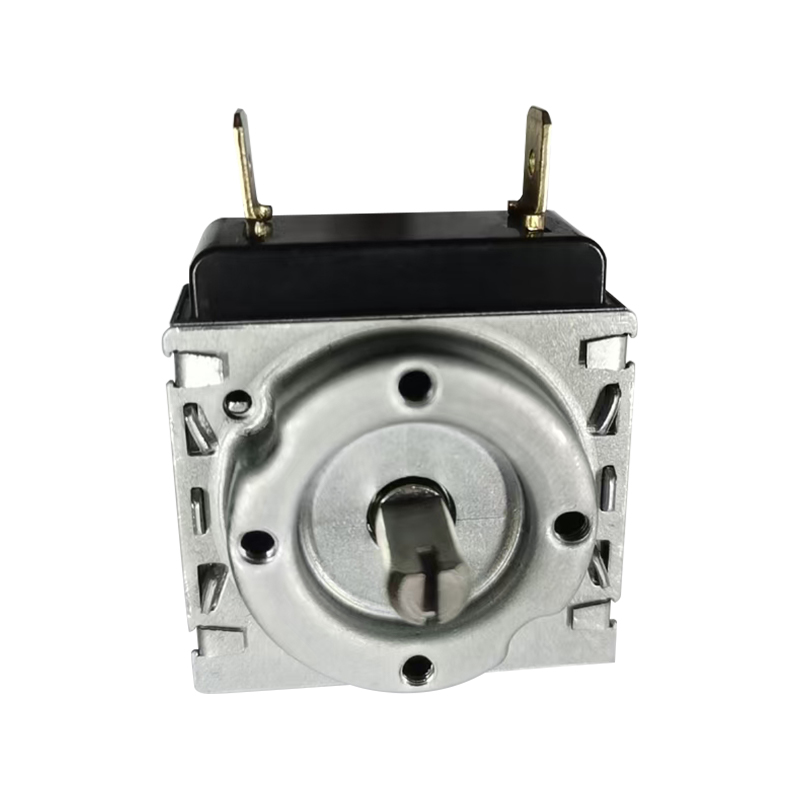
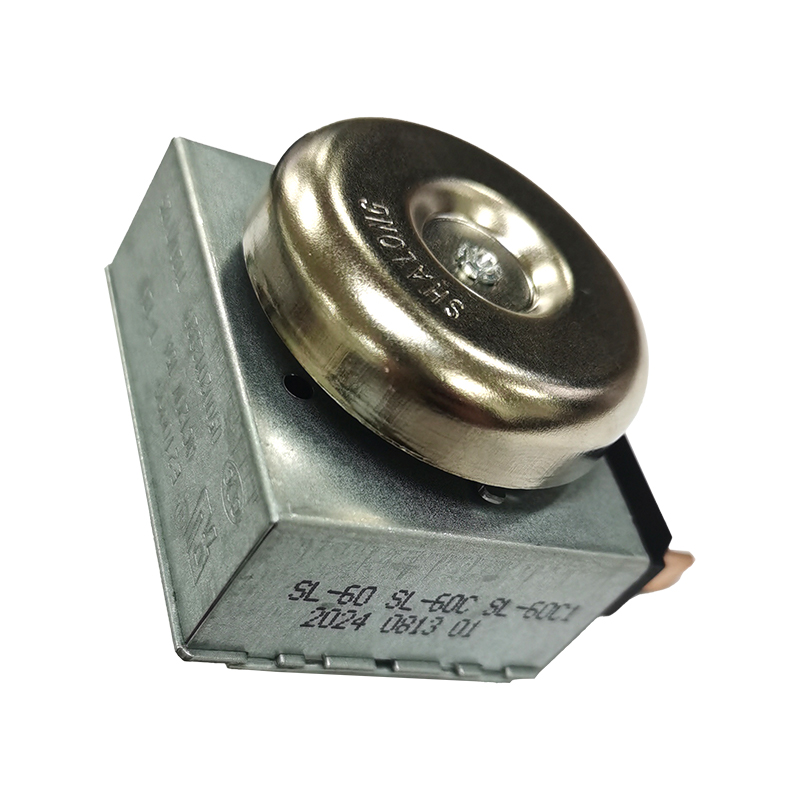
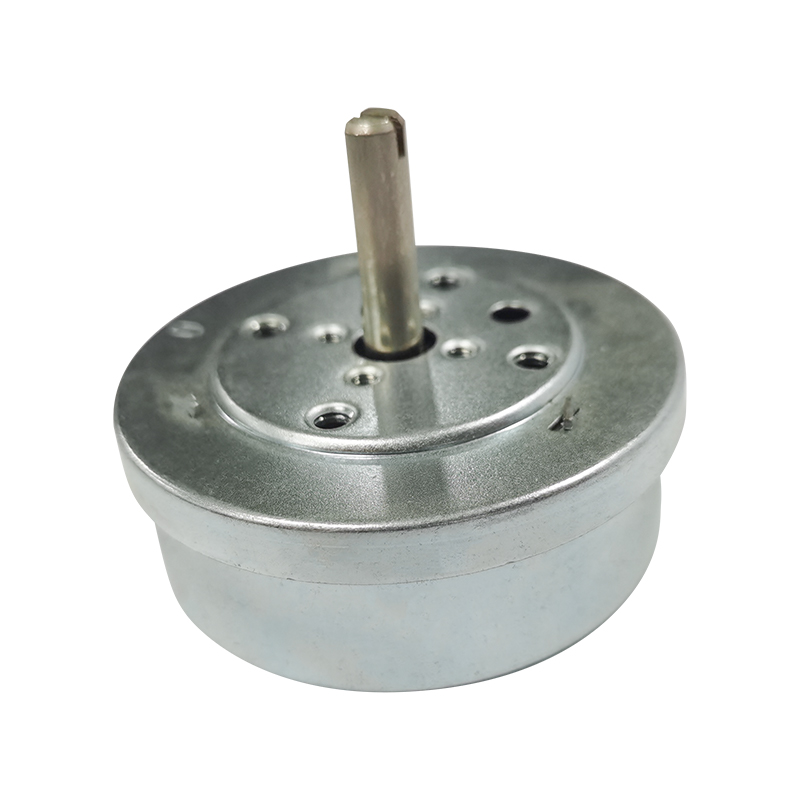
In daily life, we frequently rely on various timing devices to manage time, from baking in the kitchen to laboratory experiments. Mechanical timers are popular because they require no batteries and are intuitive to operate.
To understand a malfunction, we must first understand how it works. A typical mechanical timer (also known as a spring-driven timer) is powered primarily by a mainspring, which, through a series of gears and an escapement mechanism, controls the rate of energy release, thus achieving its timing function.
- Mainspring/Main Spring: This is the part that stores energy. When the user winds up the timer, the spring twists.
- Gear Train: Responsible for transmitting and changing motion.
- Escapement Mechanism: This is the "heart" of the mechanical timer. It ensures a uniform release of energy through regular vibrations (ticking), thus achieving accurate timing.
Four Common Reasons Why Mechanical Timers Stop Working
1. Internal Dirt and Grease Solidification (Related terms: maintenance, cleaning)
This is the most common and easily overlooked cause.
Problem Description: Over time, kitchen grease, dust, or food residue can enter the timer. Simultaneously, the lubricating oil added at the factory can dry out, solidify, or oxidize, becoming a sticky substance.
Consequences: This dirt and sticky grease increase friction between the gears and the mainspring. When this friction exceeds the driving force of the mainspring, the mechanical timer will jam and stop working.
Solution: Thorough disassembly, cleaning using a professional mechanical cleaner, and relubrication are key to restoring functionality.
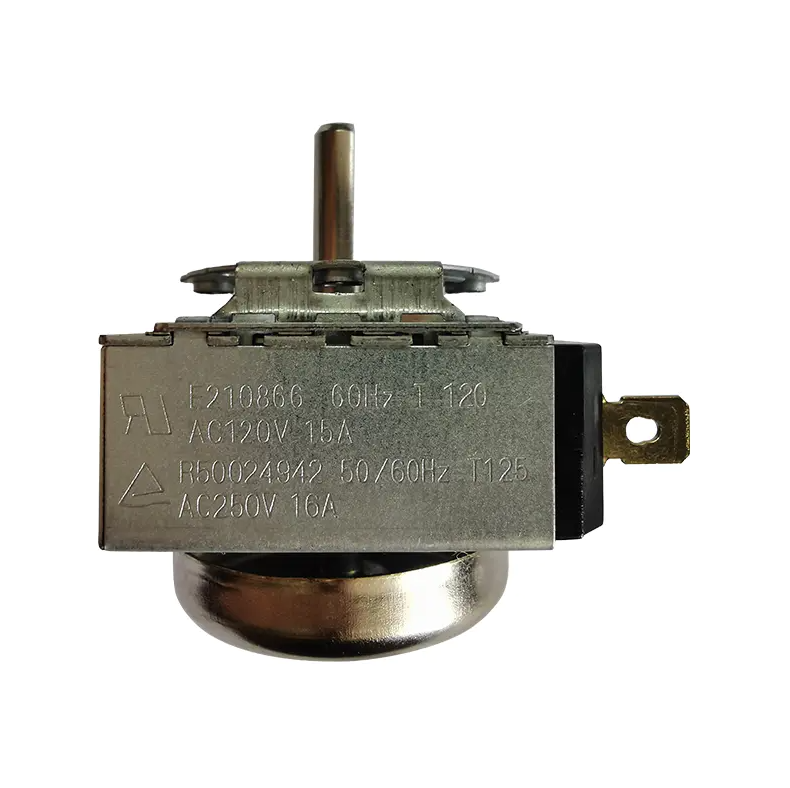
2. Spring or Gear Damage (Related terms: parts, internal structure)
The internal parts of a mechanical timer, while robust, are not indestructible.
Problem Description: Severe vibrations (e.g., accidental drops), improper winding (excessive force or reverse operation), or material fatigue can all lead to:
- Mainspring Breakage: Loss of power source.
- Broken Gear Teeth: Causes power transmission interruption.
- Bent/Worn Bearings: Cause gear misalignment and increased friction.
Solution: Damaged parts usually need replacement. For inexpensive timers, repair cost may exceed purchasing a new one.
3. Escapement Failure (Related terms: accuracy, timing)
The escapement mechanism is the core of controlling the accuracy of the timer.
Problem Description: Even if the mainspring has sufficient power, if the escapement mechanism (such as the balance wheel or hairspring) is stuck, deformed, or worn, it will not release power uniformly, resulting in unstable timing or complete stopping.
Solution: This is a delicate adjustment process and usually requires professional repair experience.
4. Improper Winding or Insufficient Minimum Setting (Related terms: operation, usage)
Some mechanical timers are designed with specific usage requirements.
Problem Description: Most mechanical timers must first be "fully wound" (rotated to the maximum time, such as 60 minutes) and then reset to the desired time. If you only set a 5-minute timer without fully winding it first, the power may be insufficient.
Solution: Strictly follow the correct timer operating procedures, ensuring the mainspring is fully wound before each use.
Maintenance Recommendations: How to extend the life of a mechanical timer?
- Avoid impacts: Keep it away from table edges to prevent drops and protect the internal delicate parts.
- Keep it dry and clean: Avoid using it in environments with excessive steam or dust.
- Proper winding: Always turn the timer to the maximum setting (usually 60 minutes) before adjusting it back to the desired time.
- Regular checks: If you notice the mechanical timer's ticking becoming weak or exhibiting timing deviations, it may need cleaning and lubrication.
By understanding why mechanical timers stop working, we can better maintain and use these classic timing tools. In most cases, a simple cleaning and lubrication will restore your mechanical timer to its former glory.



 English
 中文简体
中文简体