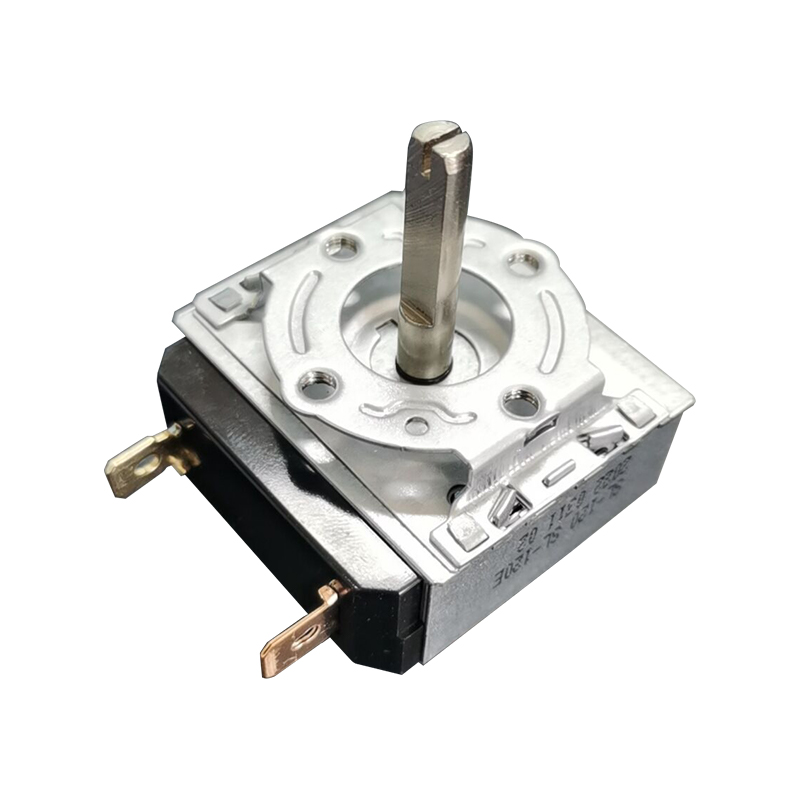
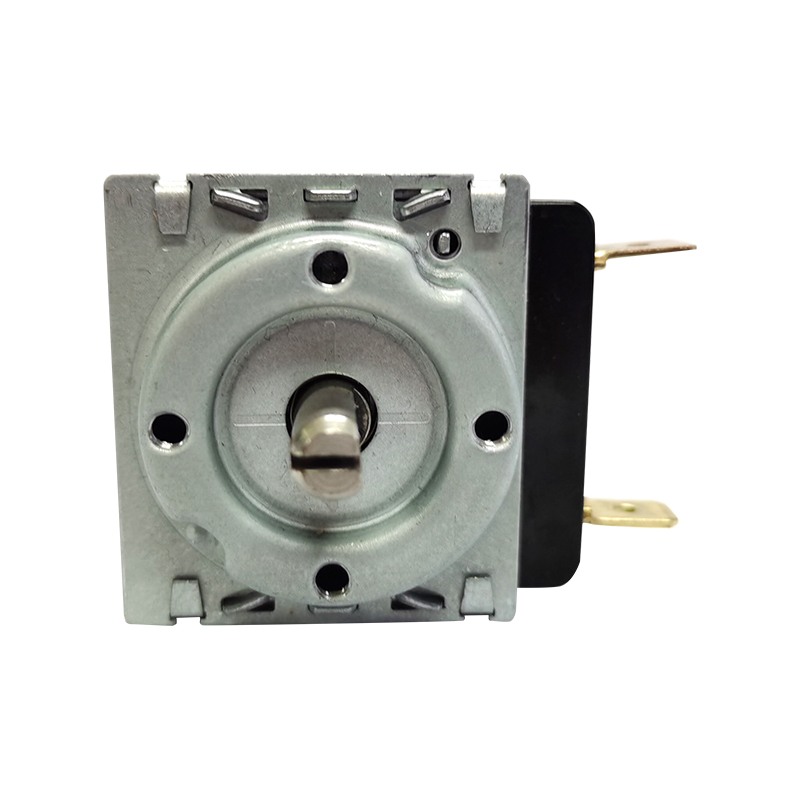
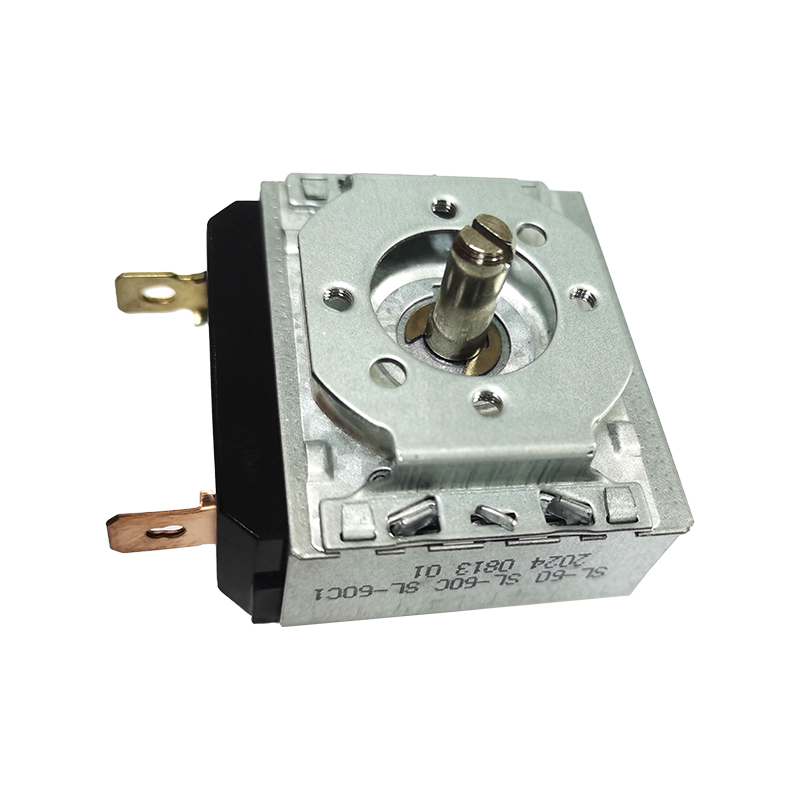
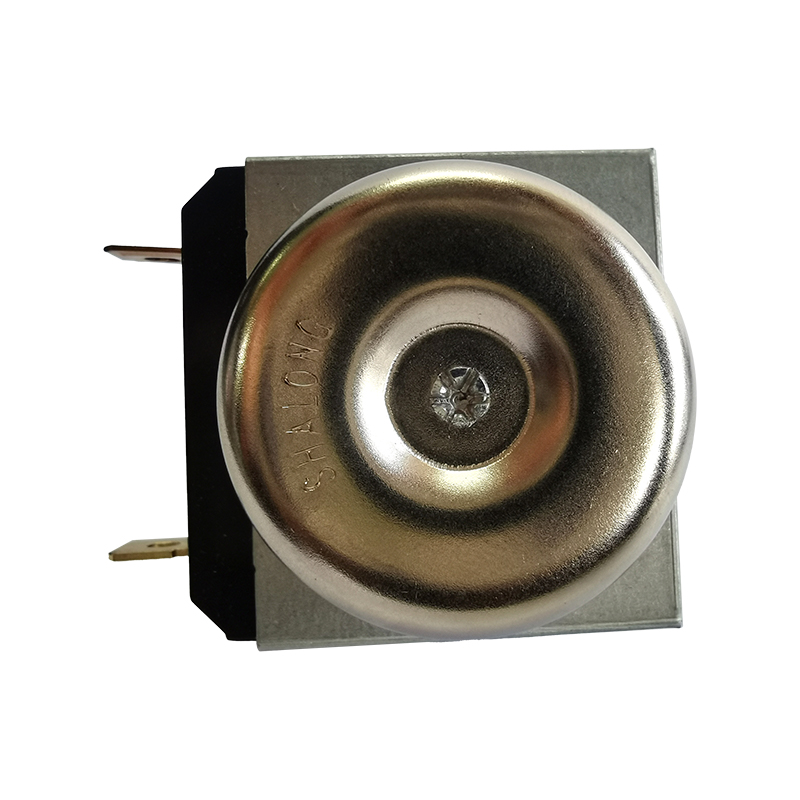
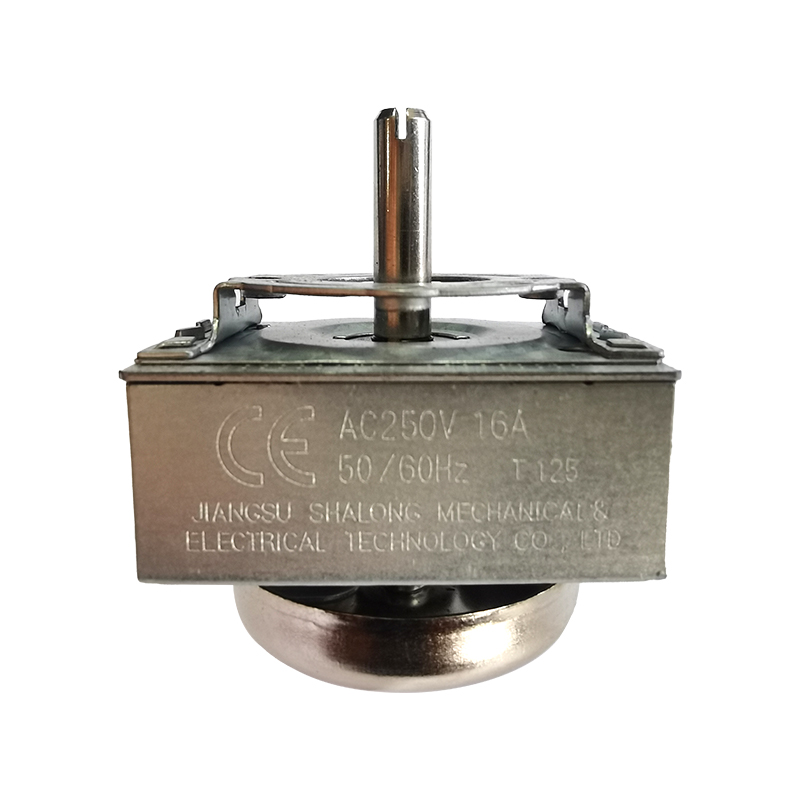
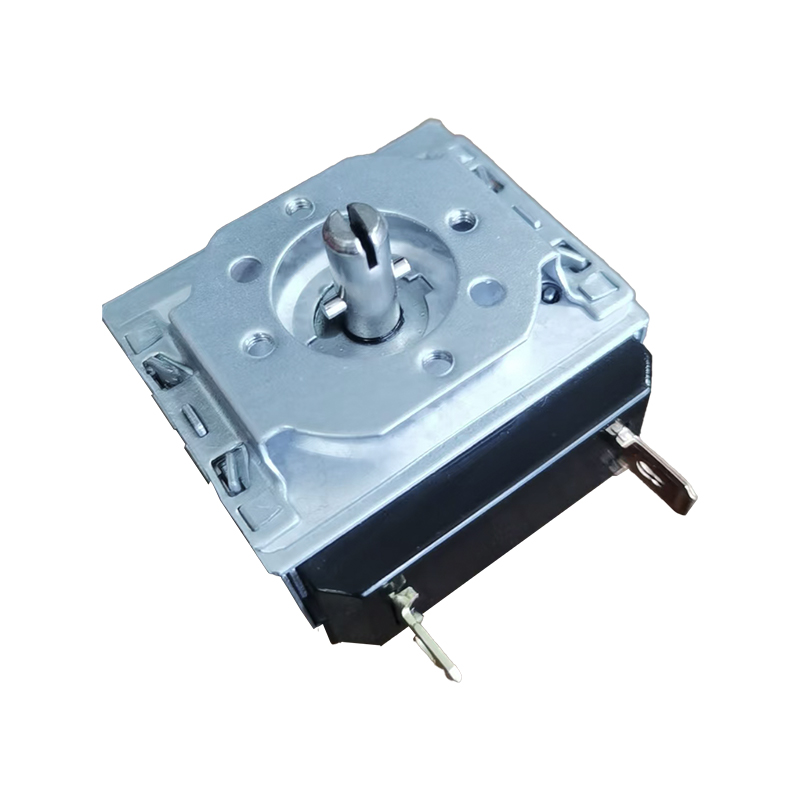
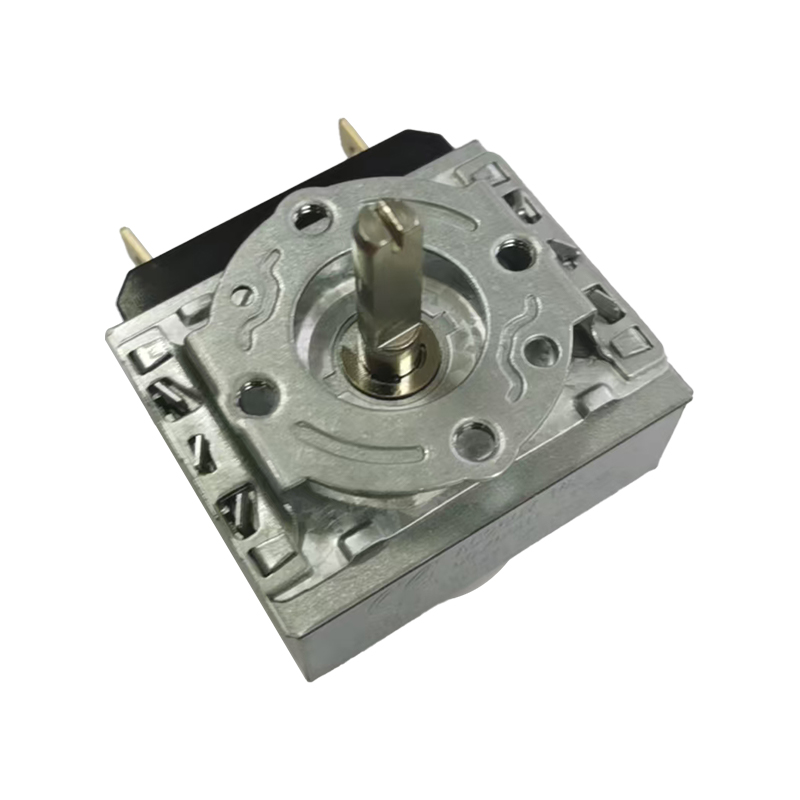
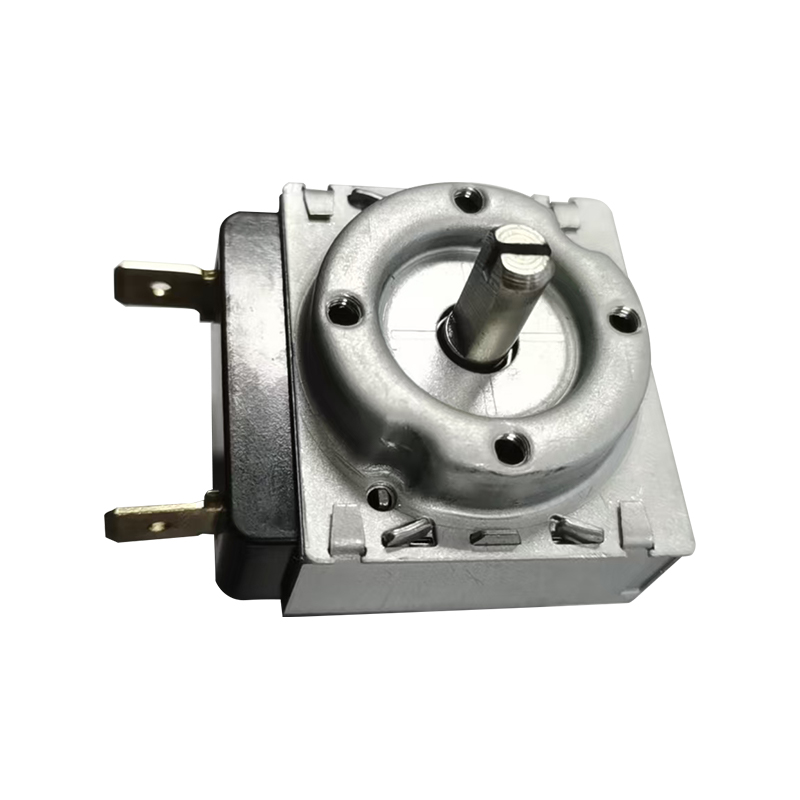
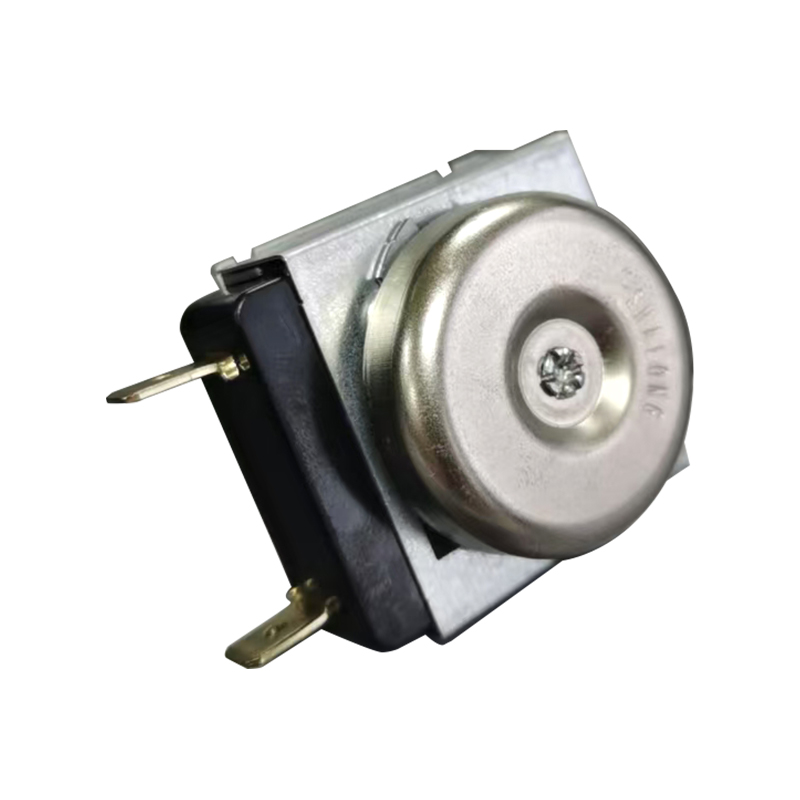
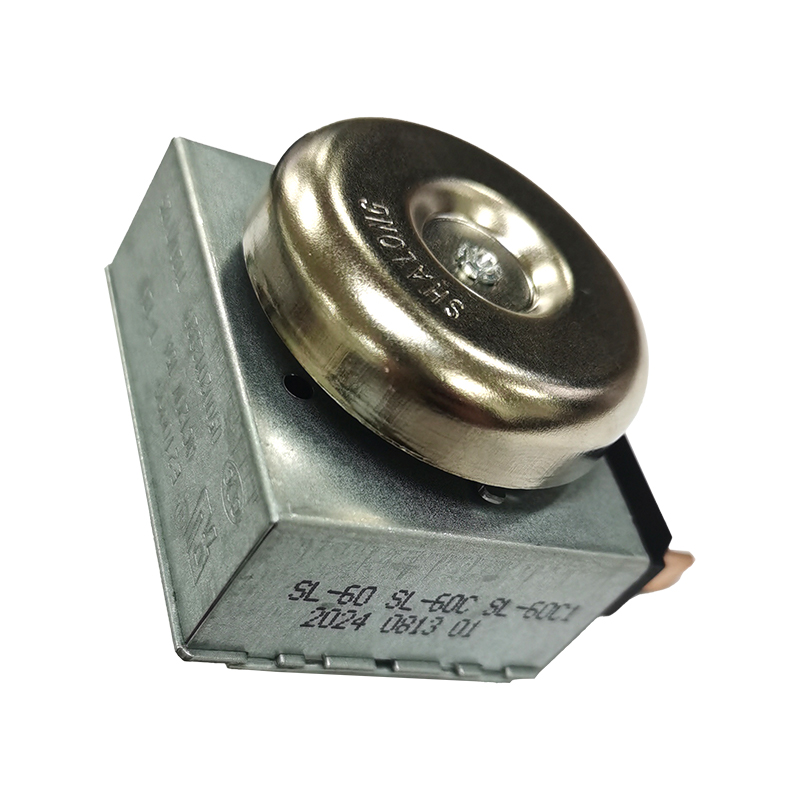
With the development of modern industrial and household appliances, timers have become an indispensable gadget in daily life. Among the many types of timers, mechanical timers have attracted considerable attention for their accuracy, reliability, and long lifespan.
Definition of a Mechanical Timer
A mechanical timer is a device that uses mechanical mechanisms to measure time. It uses mechanical structures such as gears, a spring, and a balance wheel to perform its timing function, without relying on electronic components or batteries. Compared to electronic timers, mechanical timers offer advantages such as ease of operation, durability, and the need for frequent power supply changes.
How a Mechanical Timer Works
The core principle of a mechanical timer is energy storage and release. After the user winds the spring, mechanical energy is slowly released through a gear system, causing the hands or mechanical switches to move or trigger according to the set time. It typically includes the following key components:
Spring
Stores the power source and generates mechanical energy through rotation and winding.
Gear transmission
Evenly transmits the spring's energy, enabling the timekeeping function.
Balance wheel or hairspring
Controls the speed of gear rotation to ensure accurate time.
Trigger mechanism
Activates a switch or alarm when the set time is reached.
This purely mechanical timing method allows mechanical timers to continue functioning even during power outages.
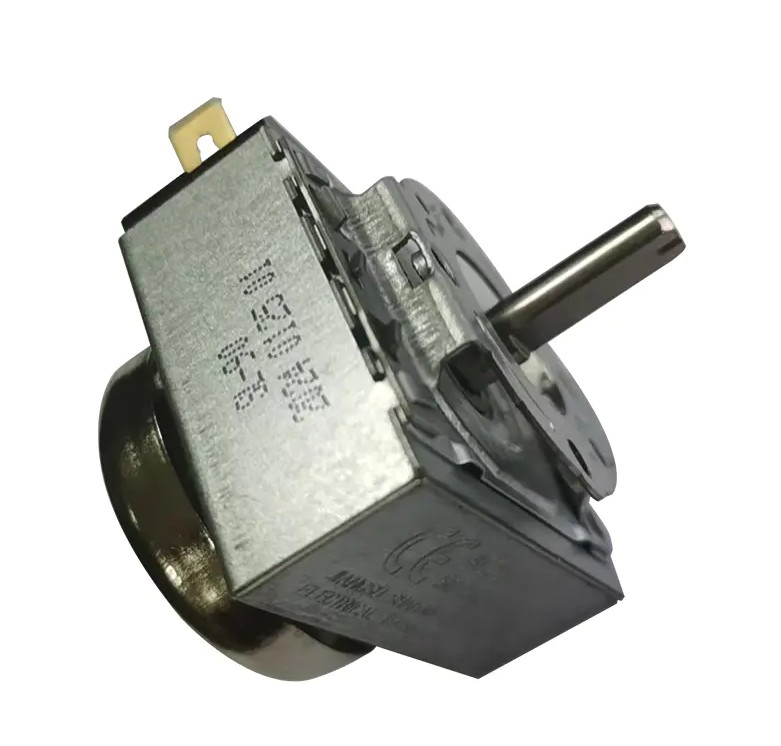
Applications of Mechanical Timers
Mechanical timers are widely used in industry, homes, and daily life, for example:
- Kitchen appliances: ovens, timed egg cookers, etc.
- Industrial production: production line timing control, equipment operation monitoring.
- Office and personal use: reminders, alarm clocks, mechanical timer switches, etc.
Mechanical timers are more stable and reliable than electronic timers, especially in environments with high temperature, high humidity, or strong electromagnetic interference.
Advantages and Precautions of Mechanical Timers
Advantages
- No power supply required, energy-saving and environmentally friendly.
- Long service life and simple maintenance.
- High accuracy, suitable for long-term timing control.
Precautions
- Avoid overwinding the spring to prevent damage to the mechanical structure.
- Regularly clean the gears and lubricants to maintain smooth operation.
- Avoid severe vibration or drops to extend the lifespan.
Mechanical timers are a classic and practical timing tool, achieving precise timing with a simple and efficient mechanical structure. Mechanical timers still play an important role in industrial production, family life and specific working environments.



 English
 中文简体
中文简体