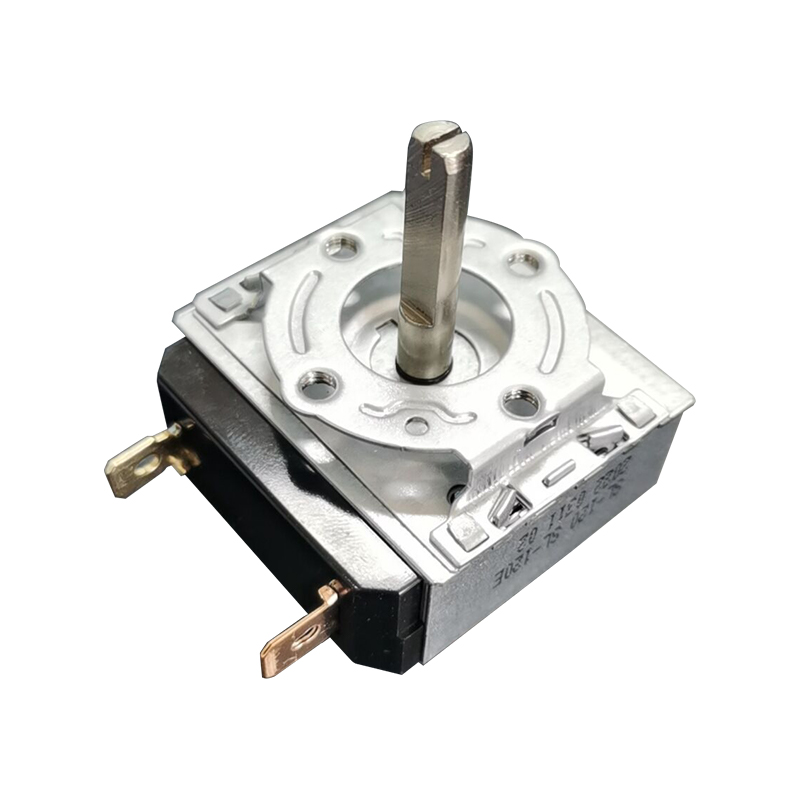
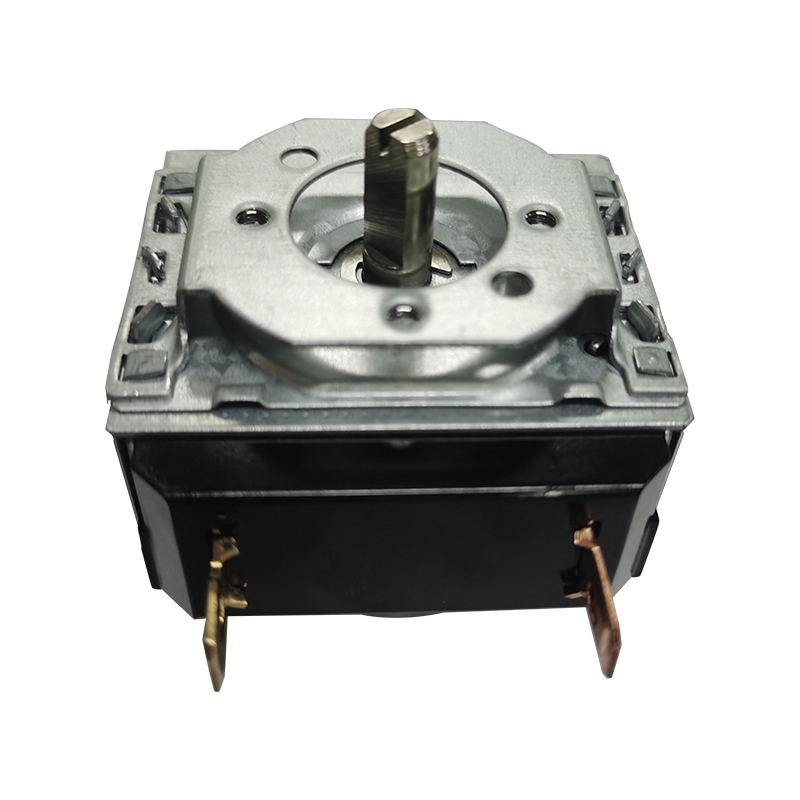
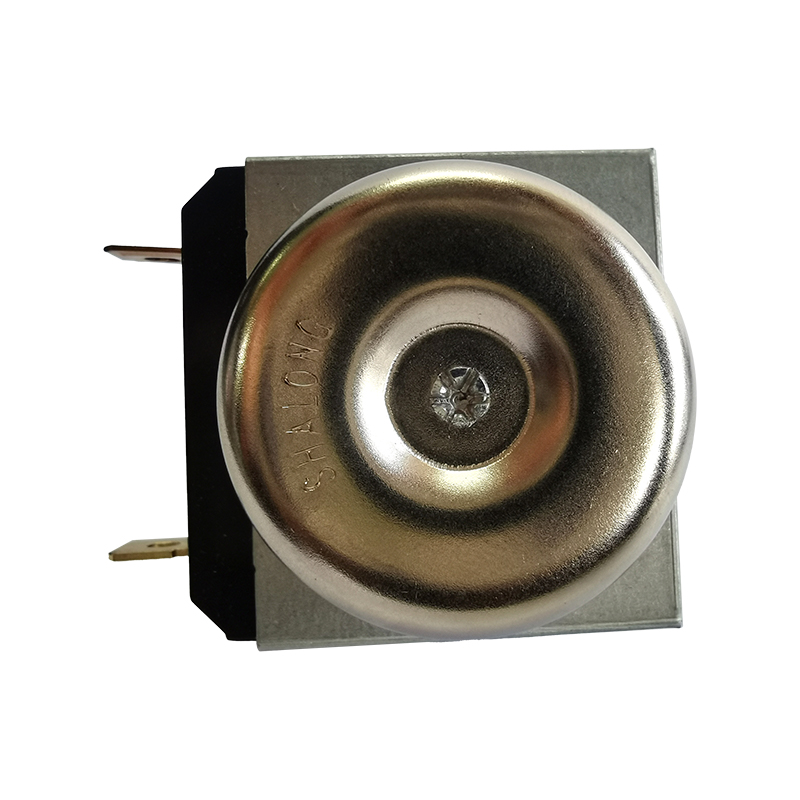
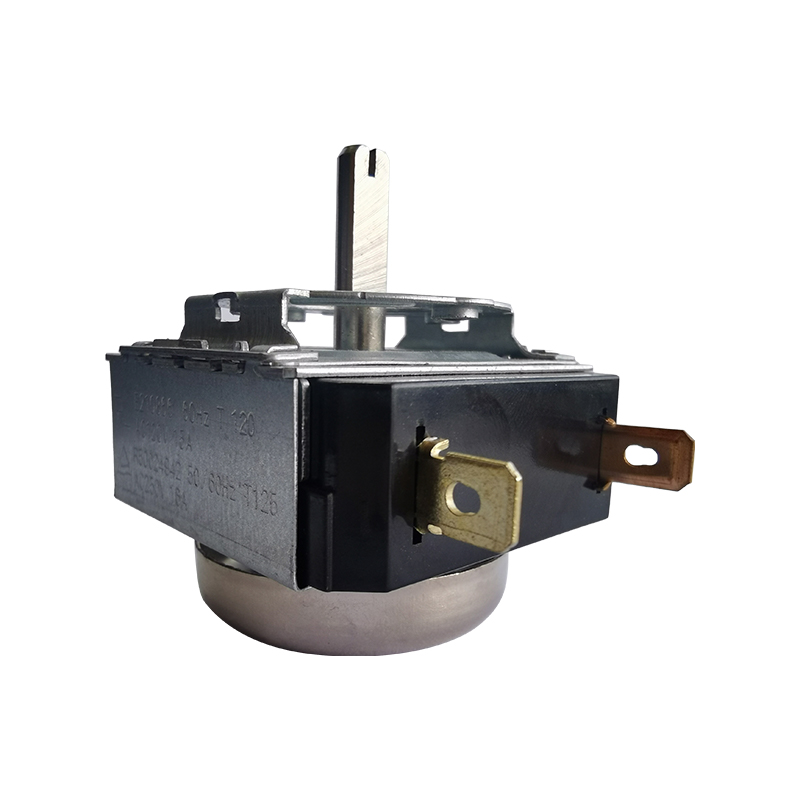
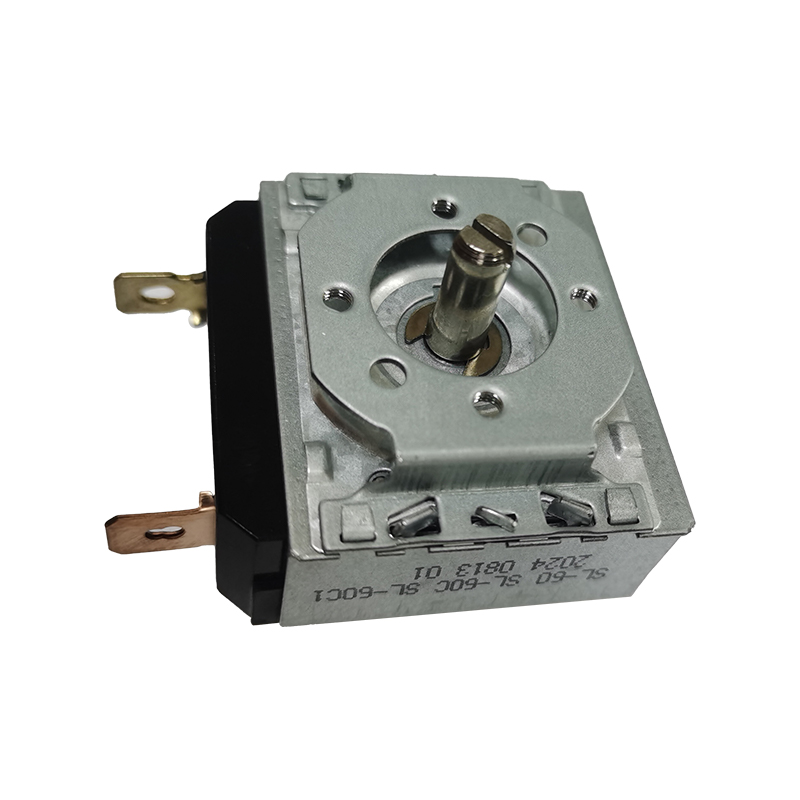
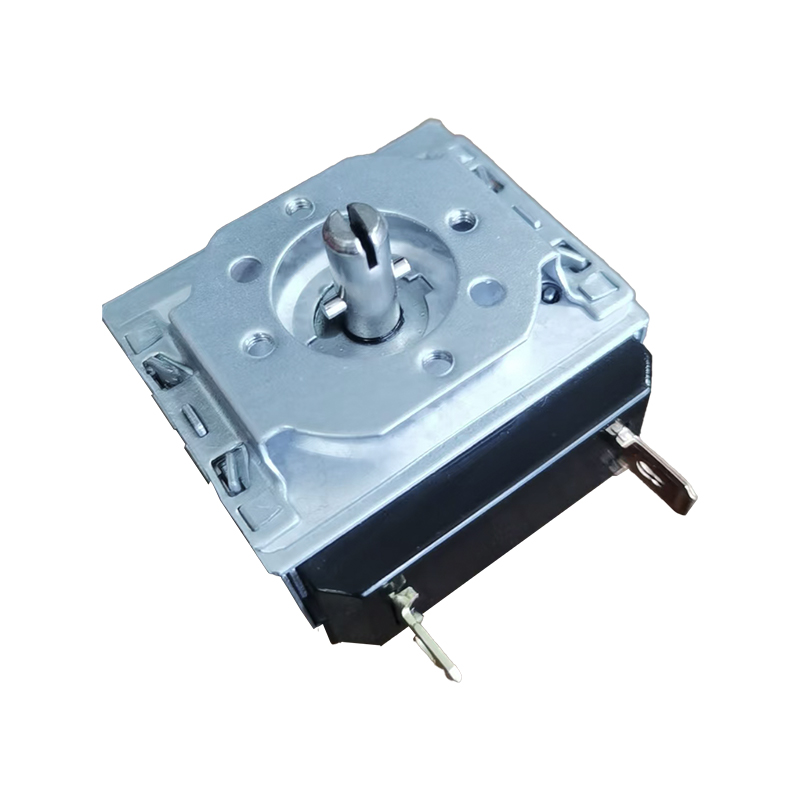
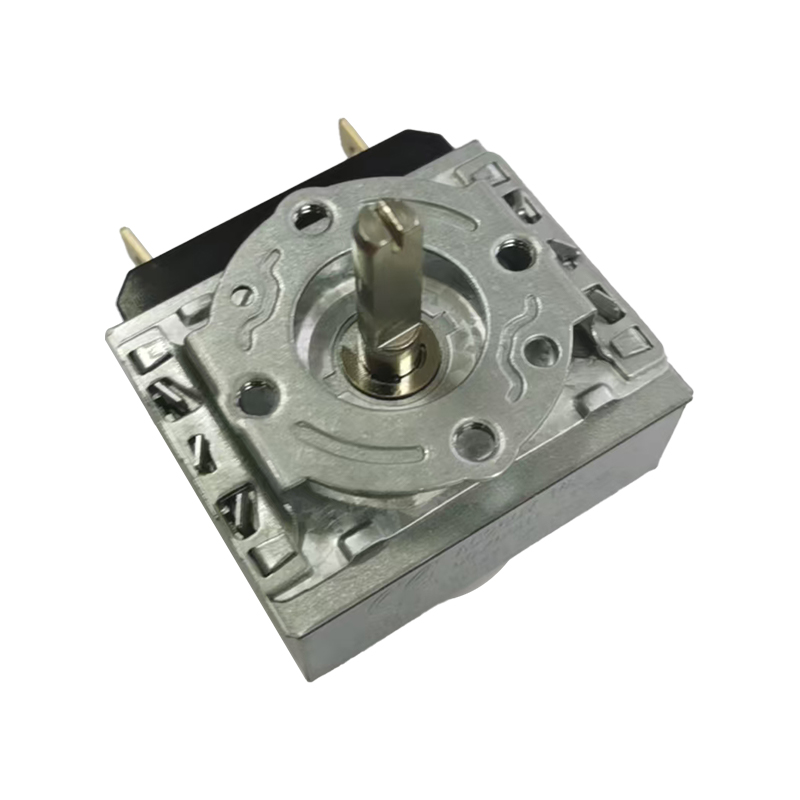
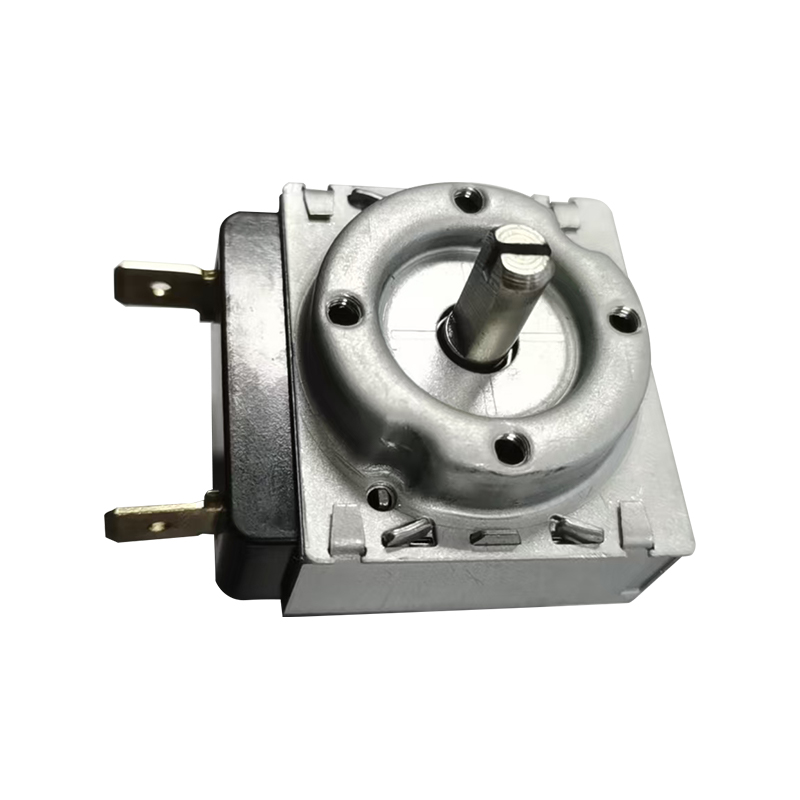
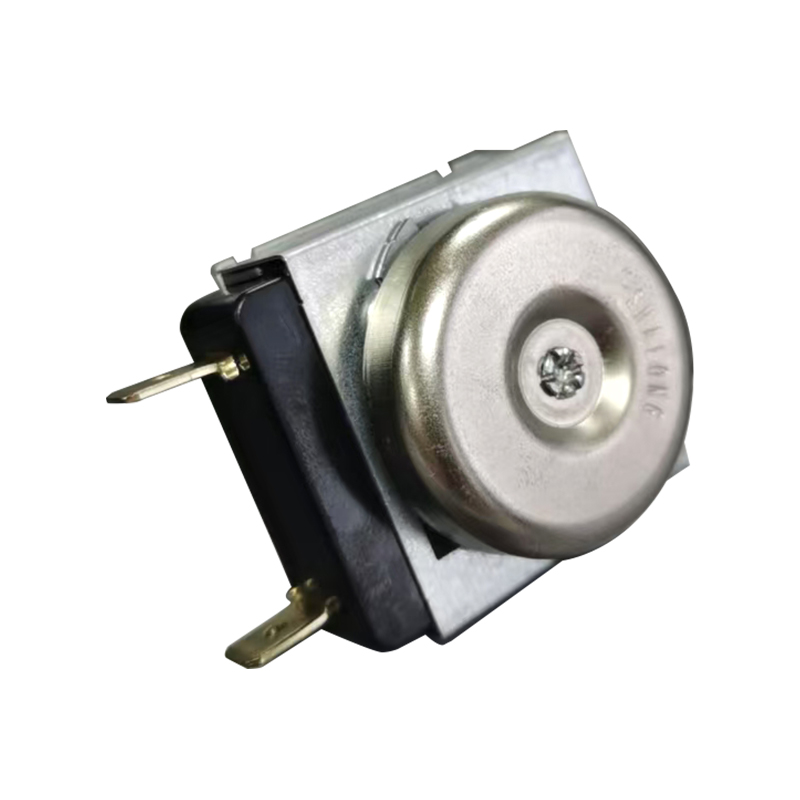
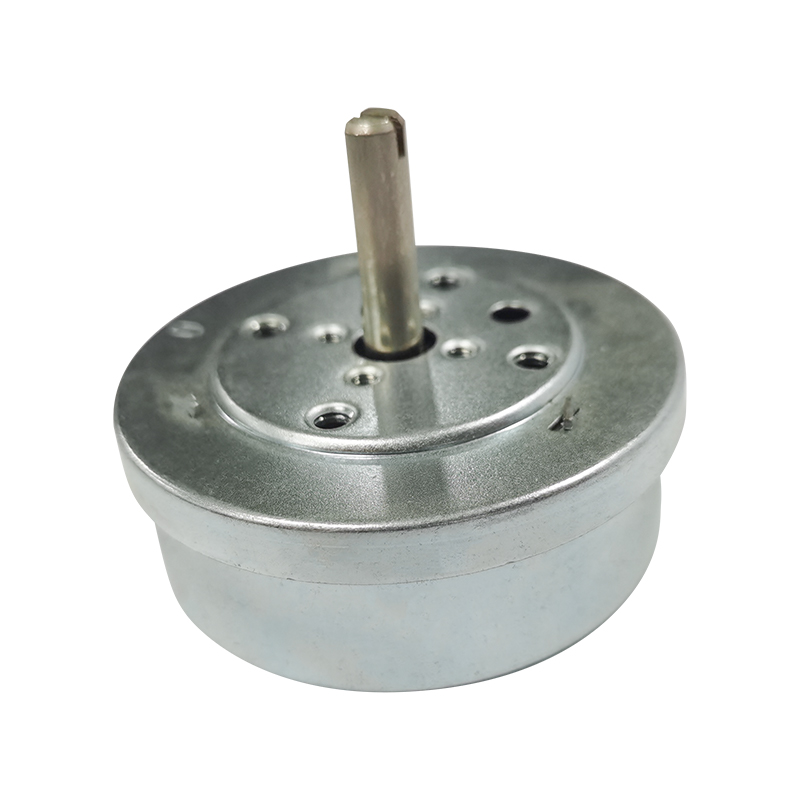
From baking in the kitchen to precise experiments in the laboratory, these ingenious timers perform their tasks without batteries or a power source. But how do these mechanical timer devices actually work?
At the Heart of a Mechanical Timer: Mainspring and Escapement
1. Energy Source: The Mainspring
Similar to a clock, the energy of a mechanical timer is stored in a mainspring. When you turn the dial of the timer to set the desired time, you are actually winding the mainspring. This wound-up mainspring stores mechanical energy, which drives the entire timer. The longer the time shown on the timer dial, the tighter the mainspring is wound, and the more energy is stored.
2. Precise Pulse: The Escapement
If a mechanical timer relied solely on the mainspring to release energy, its hands would rotate instantly, rendering it incapable of measuring time. This is where the escapement plays a crucial role, ensuring the precise passage of time.
How it Works: The escapement consists of an escape wheel and a pallet fork. It acts like a mechanical "metronome," constantly locking and releasing the escape wheel.
Timekeeping: The tension in the mainspring attempts to rapidly rotate the escape wheel, but the pallet fork resists its motion at fixed, extremely short intervals. Each "tick" is the pallet fork releasing one tooth of the escape wheel. It is this regular, controlled release that transforms the mainspring's stored mechanical energy into a slow, steady chronometric movement.
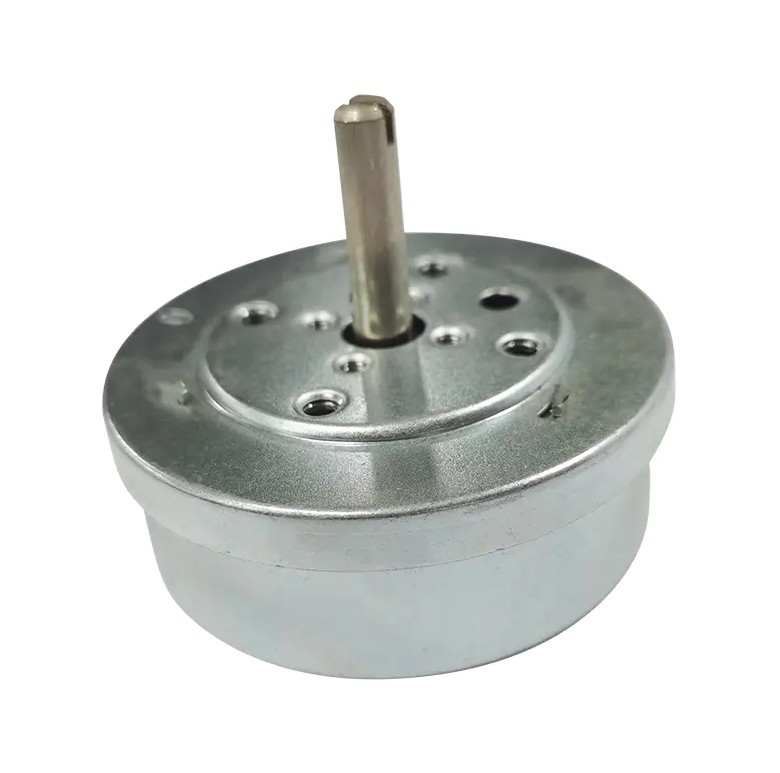
From Setting to Finishing: The Workflow of a Mechanical Timer
- Winding and Setting: The user winds the timer to its maximum length, aiming to store sufficient mechanical energy in the mainspring. Then, they wind it back to the desired time.
- Energy Release: The mainspring begins to slowly unwind, releasing its mechanical energy.
- Speed Control: The escapement system intervenes, transforming the mainspring's rapid motion into a steady, steady movement of the hands. The hands move from the set time to zero with precision.
- Alarm Trigger: When the timer's hands reach zero, a mechanical cam or structure connected to the main shaft releases a locking mechanism, allowing a separate, usually tighter, mainspring to momentarily unwind, driving a small hammer that strikes a bell, sounding a loud alarm.
Why Choose a Mechanical Timer?
While digital timers offer greater accuracy, mechanical timer still offer distinct advantages in many applications:
- No Power/Battery Required: Suitable for use in humid, hot, or other environments where electronic devices are inconvenient.
- Reliable and Durable: Rugged construction ensures easy maintenance and durability.
- Intuitive Operation: The knob-style setting allows for simple operation and provides a clear at-a-glance indication of the remaining time.
A mechanical timer is more than just a simple timekeeping tool; it is a work of exquisite mechanical art, demonstrating that precise timing can be achieved without complex circuitry, relying solely on ingenious gears and springs.



 English
 中文简体
中文简体