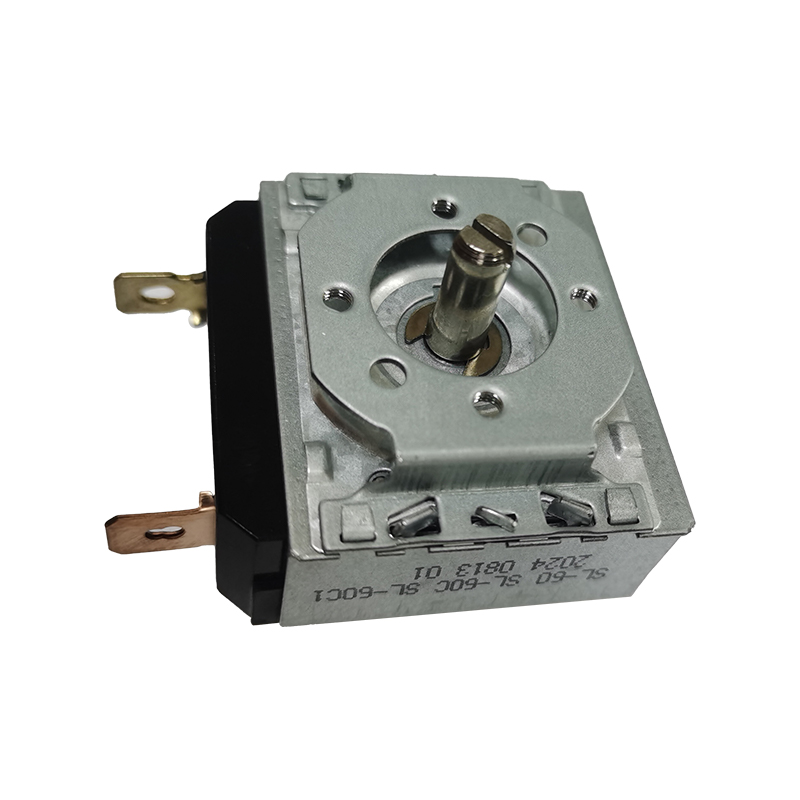
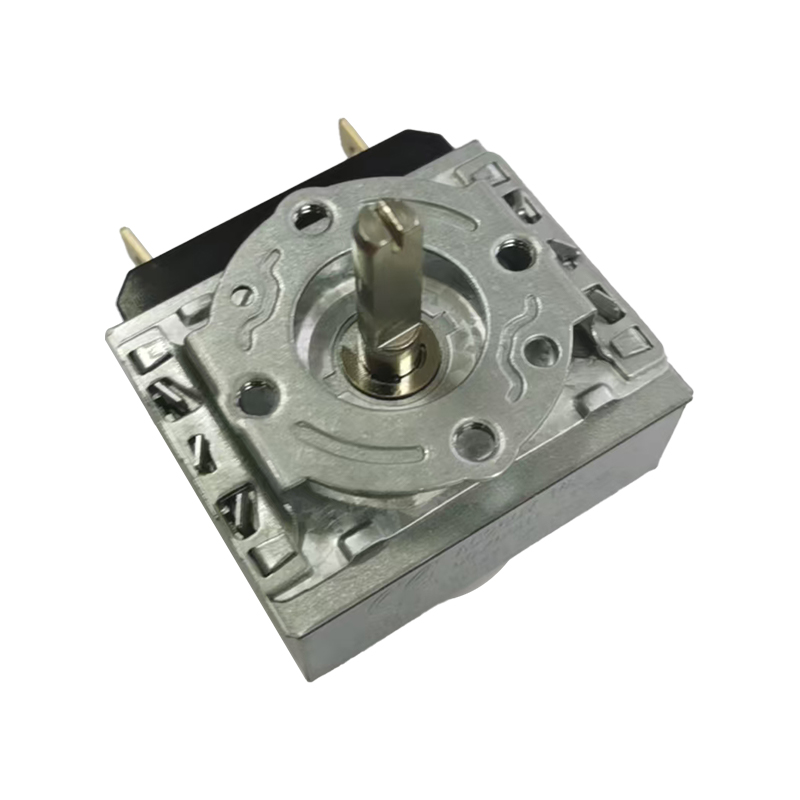
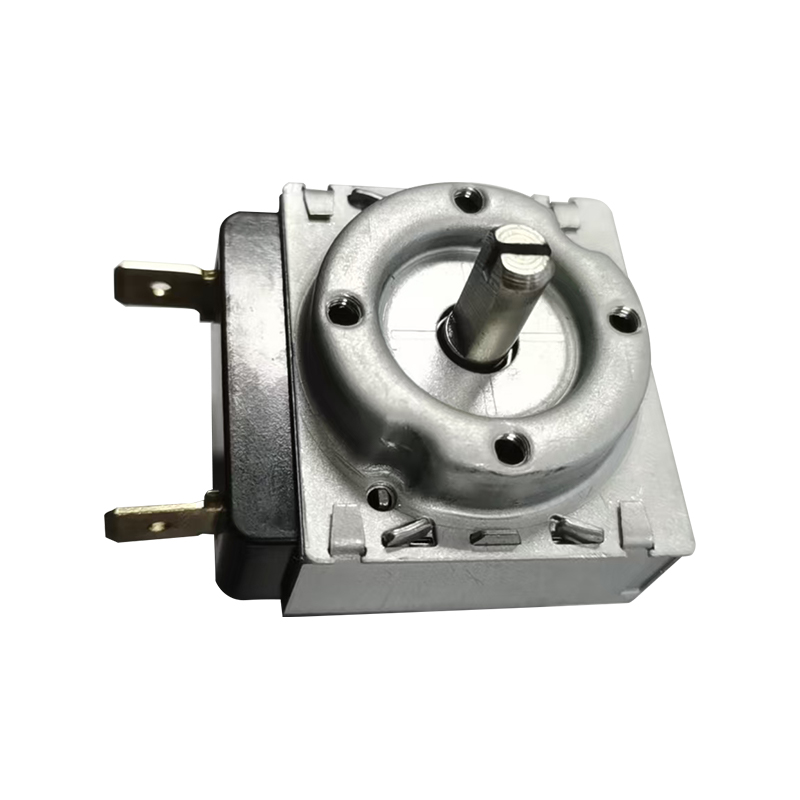
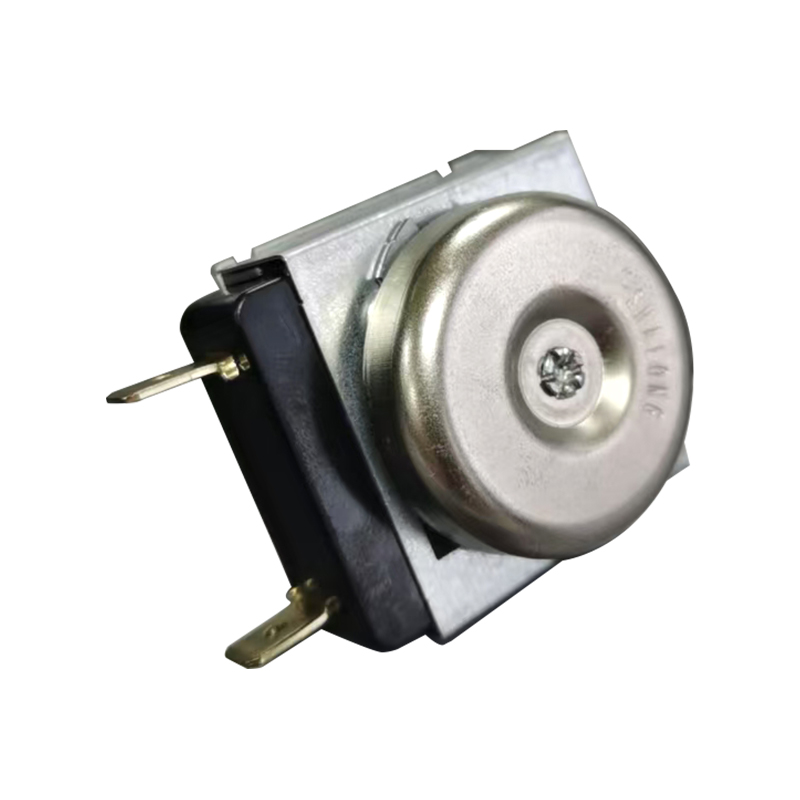
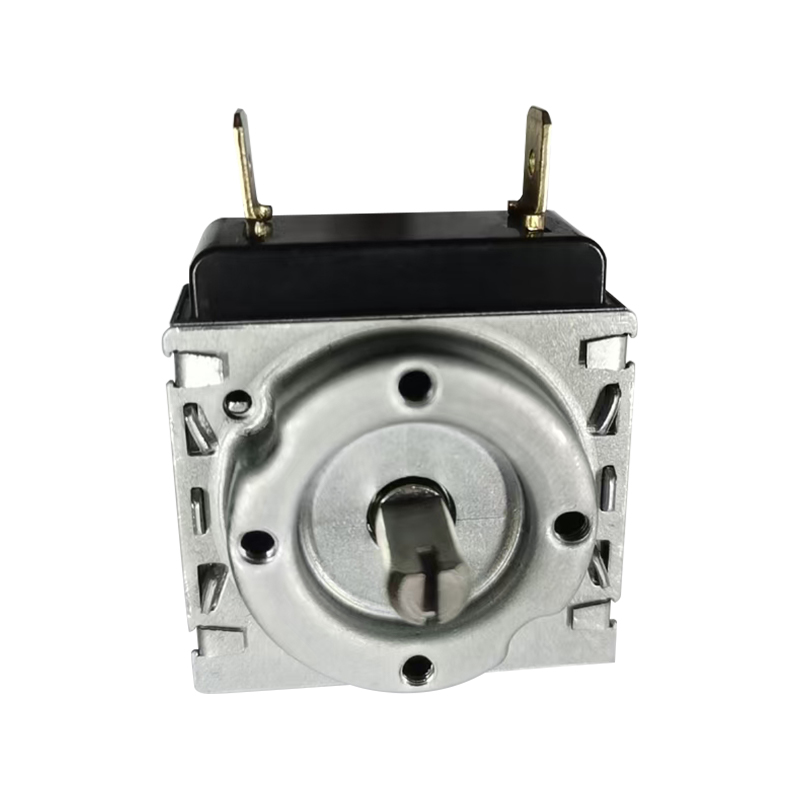
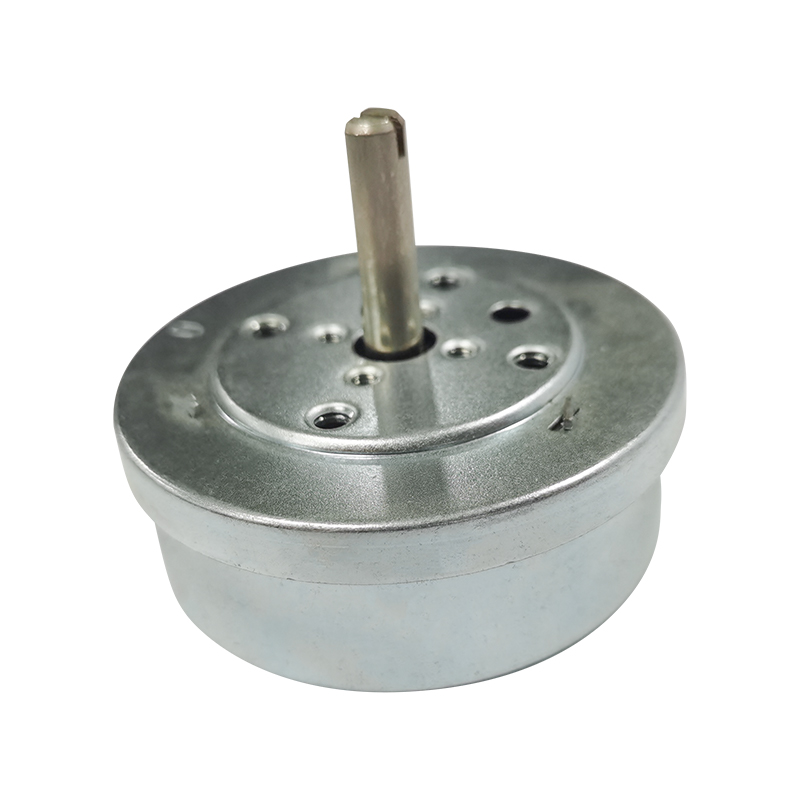
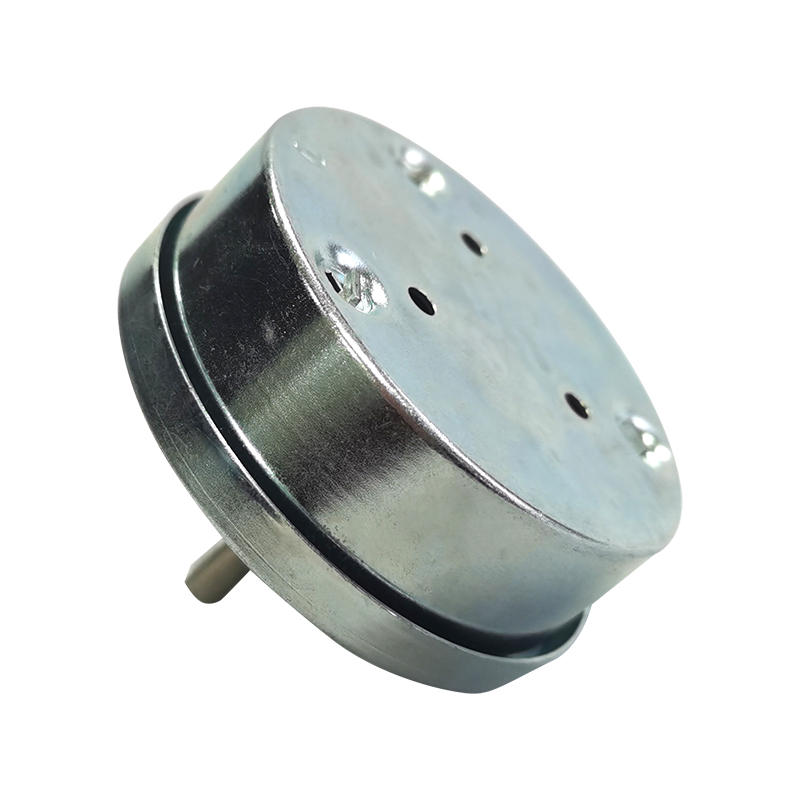
An oven mechanical timer typically stops ringing due to one of three common causes, a worn or broken bell striker mechanism inside the timer switch, a damaged internal spring that no longer drives the bell hammer through a full rotation, or a loose connection between the rotary dial and the internal timing gear train. According to general appliance repair references such as those published by Repair Clinic on timer switch troubleshooting, mechanical timer failures are most often mechanical rather than electrical, since the bell function depends on a physical cam and hammer assembly rather than a circuit.
For an oven control built around a rotary mechanical timer, the alarm is produced when the timer reaches zero and a small internal cam releases a spring loaded hammer that strikes a metal bell or resonant plate. If any part of this chain wears out, becomes misaligned, or accumulates debris over years of use, the timer will continue to count down silently without producing the audible signal, even though the kitchen timer still rotates and the underlying oven control still functions normally.
How a Mechanical Timer Bell Mechanism Works
A rotary mechanical timer relies on a wound spring that slowly unwinds at a controlled rate as a small gear train regulates its speed, similar in principle to a mechanical clock movement. As the dial rotates back toward zero, the internal cam profile changes shape, and at the final moment it releases a spring loaded striker that taps a metal bell housed inside the timer body. This mechanical sequence is why an oven mechanical timer wholesale buyer evaluating product quality should pay close attention to the precision of the cam and striker components, since these small parts determine long term reliability far more than the outer housing material.
Common internal causes of a silent oven mechanical timer and their general effect on operation
Internal Cause
Effect on the Bell
Timer Rotation
Worn striker hammer
Weak or absent strike
Continues normally
Broken release spring
No bell sound at all
Continues normally
Misaligned cam profile
Inconsistent or delayed strike
Continues normally
Worn gear train
May affect bell timing
Slow or uneven rotation
Comparing Timer Failure Points Across the Mechanism
When a kitchen timer switch is taken apart for inspection, technicians generally find that certain internal components wear out at different rates depending on how frequently the timer switch is used and how many full rotation cycles it has completed over its service life.
This horizontal bar chart presents a general comparison of relative wear frequency across the four main moving components found inside a typical mechanical timer assembly. The outer dial knob shows the lowest wear rate because it is the most accessible component and is often the easiest to inspect and clean during routine maintenance. The internal gear train shows moderate wear since it experiences continuous friction during every timing cycle, although well lubricated gears in a properly manufactured timer can operate reliably for an extended service life. The cam profile edge tends to wear at a higher rate because it makes repeated contact with the striker release mechanism on every single countdown, gradually rounding the precise edge needed for a clean release. The striker spring shows the highest relative wear because it undergoes constant tension and release cycling, which over time can reduce its rebound force and weaken the bell strike. This pattern of wear distribution is one reason why a rotary mechanical timer manufactured with hardened internal components and precision stamped parts tends to maintain consistent bell performance over a longer operating period compared to timers built with lower grade internal parts.
Manufacturing Precision and Long Term Timer Reliability
Industrial oven timer and commercial oven timer applications place far greater demand on internal components than light residential use, since commercial kitchen equipment may cycle through dozens of timing operations every single day. This makes the manufacturing tolerance of small modulus gears and stamped cam parts a meaningful factor in how long a mechanical oven timer replacement unit will continue to ring reliably before requiring further service.
This line chart represents a general engineering pattern describing how bell strike consistency tends to decline as a mechanical timer accumulates more total cycle counts, shown here across an illustrative range from ten thousand to one hundred thousand rotations. Early in a timer's service life, the cam profile and striker spring are still within their original manufactured tolerance, so the bell strike remains sharp and consistent across nearly every cycle. As cycle count increases toward the middle of the chart, gradual mechanical wear on the cam edge begins to introduce minor timing variation, which is a normal characteristic of any spring and cam based mechanism. The decline becomes more noticeable at higher cycle counts, which is why industrial oven timer applications with very high daily usage benefit from internally hardened components and tighter manufacturing tolerances. A timer built with higher grade stamped parts and a more durable spring will generally maintain a flatter curve for a longer period compared to a timer using lower tolerance components. This trend underscores why component quality, not just outer appliance design, plays the central role in how long a mechanical timer continues to ring clearly and on schedule.
Comparing Timer Switch Designs for Different Applications
Not every rotary mechanical timer is built the same way, and appliance manufacturers typically select between a few common design variations depending on whether the unit is intended for an air fryer, oven, or electric steamer, each of which has different bell requirements and time setting ranges.
This radar chart compares five practical attributes that engineers typically weigh when selecting a mechanical timer for a specific appliance category, illustrated here as a balanced design profile suited for general kitchen appliance use. Bell volume reflects how audible the strike mechanism is across a typical kitchen environment, which matters more for an electric steamer mechanical timer placed near a noisy exhaust fan than for a quiet countertop air fryer. Heat resistance becomes especially important for an oven control timer, since the unit is mounted close to a high temperature cavity and must continue operating without degradation of internal lubricants or plastic components. Maximum time range varies by product, with some air fryer metal mechanical timers offering settings up to sixty minutes while certain electric steamer timers extend to one hundred eighty minutes for longer cooking cycles. Precision describes how consistently the timer counts down across its full range, which depends heavily on gear train tolerance and cam machining quality. Compact size is often prioritized in space constrained appliance housings, which is why many oven timer and air fryer designs favor a smaller diameter rotary body without sacrificing mechanical durability.
Mechanical Timer Construction Layers
Understanding the internal layout of a mechanical timer switch helps explain why certain failures occur at specific points and not others. The isometric diagram below outlines a simplified construction of a typical rotary timer module used in oven control and air fryer applications.
This isometric style diagram illustrates a simplified layered structure typical of a metal mechanical timer used in household appliance circuit board products, beginning with the rotary dial knob at the top where the user sets the desired countdown time. Beneath the dial sits the gear train housing, which contains the small modulus gears responsible for regulating the speed at which the spring unwinds during the countdown period. The cam and striker module is positioned below the gear train, and this is the specific layer most directly responsible for producing the bell sound, since it converts rotational motion into the final spring release that strikes the bell. At the base of the assembly sits the terminal contact base, which connects the timer to the appliance circuit so that power is switched on or off according to the timer position rather than the bell function itself. This layered construction explains why a timer can continue rotating and switching power correctly while the bell mechanism fails independently, since the electrical switching layer and the mechanical bell layer operate as separate functional systems within the same housing.
Featured Mechanical Timer Product Range
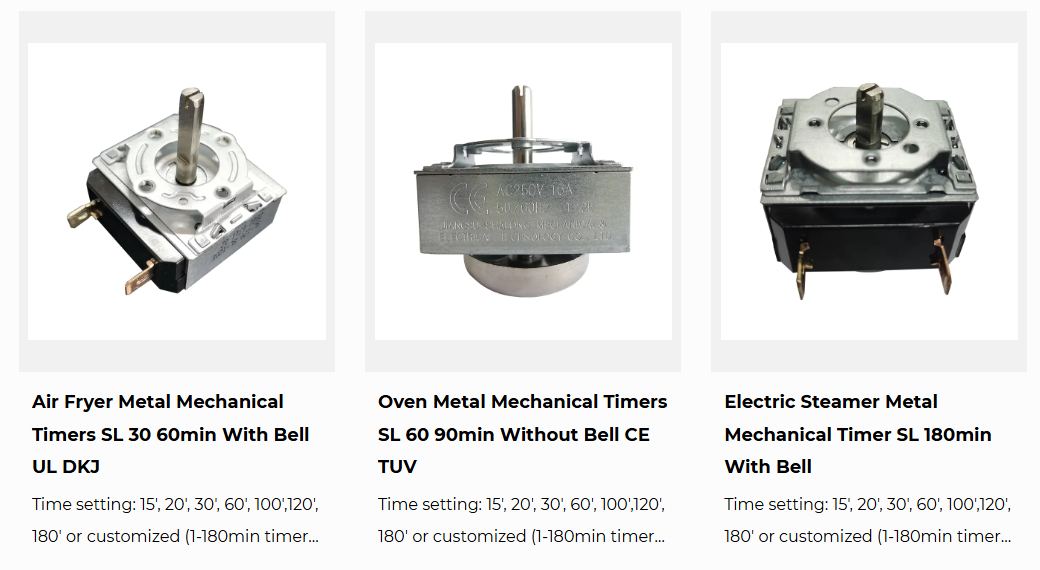
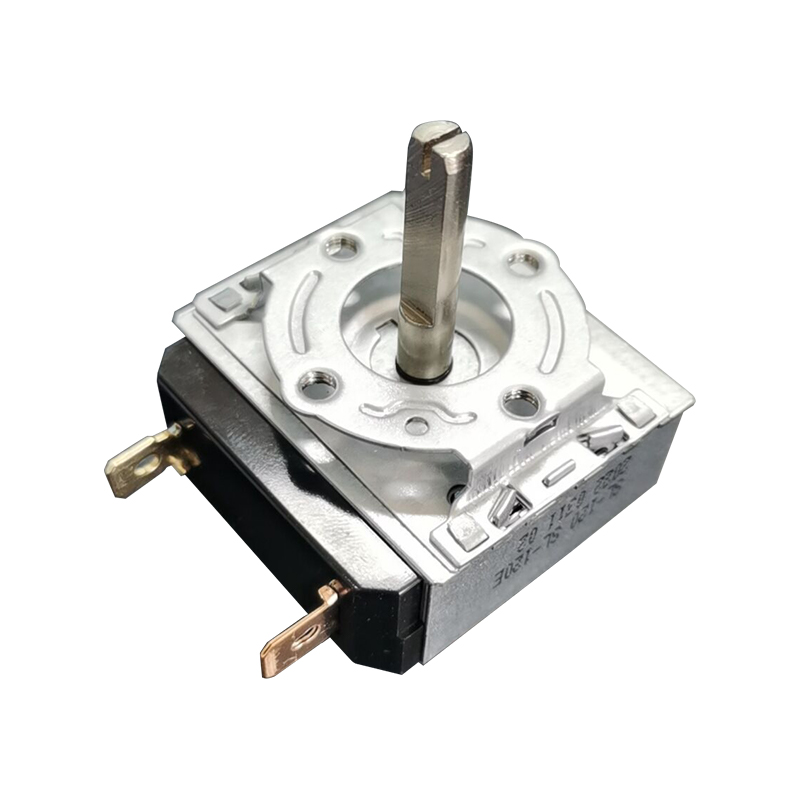
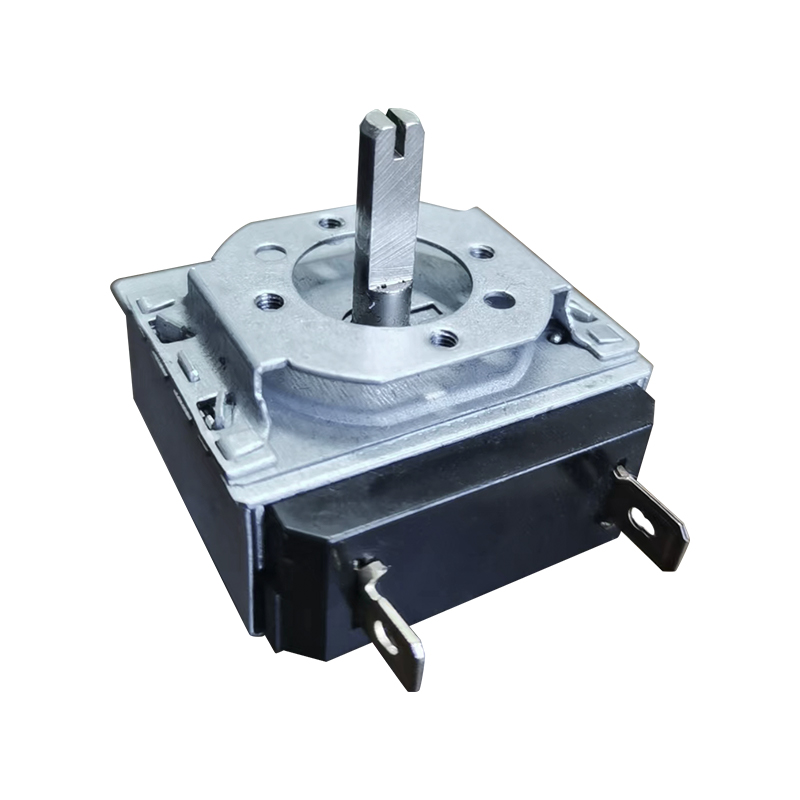
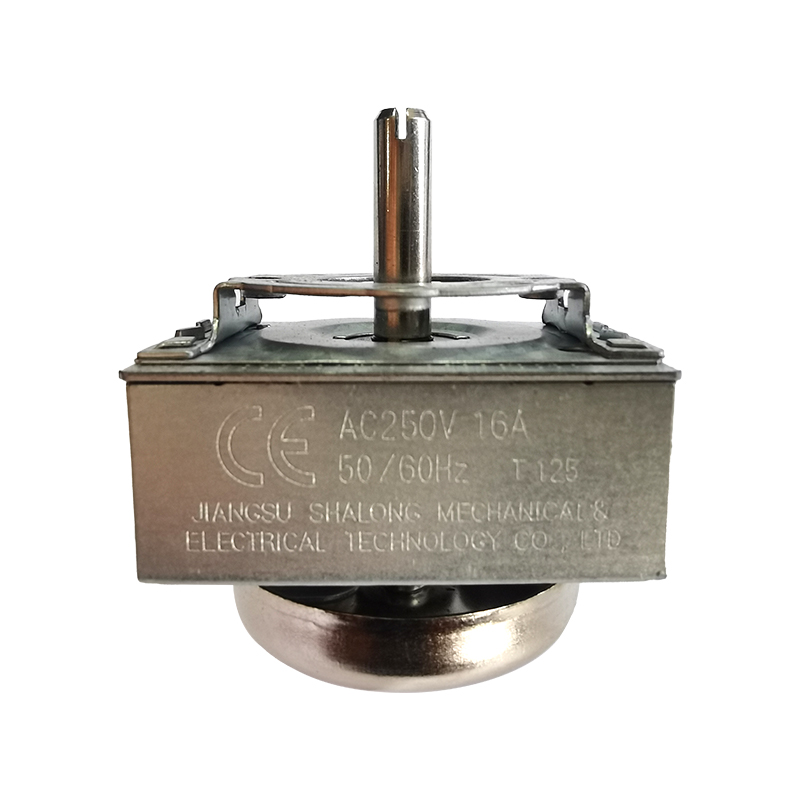
The image below shows a representative lineup of metal mechanical timers, including an air fryer metal mechanical timer with bell function, an oven metal mechanical timer without bell certified to CE and TUV standards, and an electric steamer mechanical timer with an extended one hundred eighty minute setting range. These timer switch designs reflect common configurations used across kitchen timer and oven control applications, with time settings typically available at 15, 20, 30, 60, 100, 120, and 180 minutes, or customized within a 1 to 180 minute range.
As shown in the product range above, the air fryer metal mechanical timer with bell function provides time settings of 15, 20, 30, 60, 100, 120, and 180 minutes, the oven metal mechanical timer without bell carries CE and TUV certification suitable for commercial oven timer applications, and the electric steamer mechanical timer supports the same flexible time setting range with a bell signal for cooking completion alerts.
When to Repair or Replace a Mechanical Timer Switch
For consumers and appliance technicians evaluating whether a silent oven mechanical timer needs a mechanical oven timer replacement, a few practical checkpoints help guide the decision.
Confirm the timer still rotates smoothly through a full cycle, which indicates the gear train and switching function remain intact.
Listen for a faint click at the zero position, which suggests the cam is still releasing but the striker spring may be weak.
Check whether the timer body or bell housing shows visible corrosion or physical damage from heat exposure near an oven control panel.
For commercial oven timer or industrial oven timer units with very high daily cycle counts, plan for periodic timer switch replacement as part of routine maintenance scheduling.
About Jiangsu Shalong Mechanical and Electrical Technology Co., Ltd.
Jiangsu Shalong Mechanical and Electrical Technology Co., Ltd. was founded in 1991 and is a professional manufacturer of high temperature resistant metal mechanical timers, recognized as a drafting unit of industry standards with more than 30 years of experience in the field. The company is located along the Yangtze River in the Jingjiang Economic and Technological Park, with a registered capital of 28 million yuan, over 40,000 square meters of self built factory buildings, more than 1,000 sets of research, production, and inspection equipment, and over 800 employees, including more than 80 engineering and technical personnel.
The company independently develops and manufactures its own small modulus hobbing machines, automated processing equipment, and high speed continuous stamping molds used in timer production, supported by several technical patents. This internal manufacturing capability, combined with a full range of advanced testing equipment, supports consistent quality across mechanical timer and household appliance circuit board products. Jiangsu Shalong has established long term cooperative relationships with well known electrical appliance manufacturers in China and exports products to overseas markets including South Korea, Turkey, Brazil, Saudi Arabia, and Egypt.
Frequently Asked Questions
Q1: What causes an oven mechanical timer to stop ringing? The bell usually stops due to a worn striker hammer, a broken release spring, or a misaligned cam, while the timer dial can continue rotating normally.
Q2: Can a kitchen timer switch keep working without the bell sound? Yes, since the electrical switching layer and the mechanical bell layer operate as separate systems within the same timer housing.
Q3: What time settings are common on a rotary mechanical timer? Common settings include 15, 20, 30, 60, 100, 120, and 180 minutes, with some models offering customized ranges from 1 to 180 minutes.
Q4: Is there a difference between an oven mechanical timer with bell and without bell? A timer with bell produces an audible alert at zero, while a timer without bell only switches the circuit without sound, which some oven control designs prefer.
Q5: Are industrial oven timer units built differently from household kitchen timers? Industrial and commercial oven timer units typically use more durable internal components to withstand much higher daily cycle counts than household appliances.
Time setting: 15', 20', 30', 60' or customized (such as 90 min)Applicable: Oven/Electric Pressure Cooker/Kitchen MachineContact capacity: AC 120V 15A;...
Time setting: 15', 20', 30', 60' or customized (such as 90 min)Applicable: Oven/Electric Pressure Cooker/Kitchen MachineContact capacity: AC 120V 15A;...
Time setting: 15', 20', 30', 60' or customized (such as 90 min)Applicable: Oven/Electric Pressure Cooker/Kitchen MachineContact capacity: AC 120V 15A;...



 English
 中文简体
中文简体