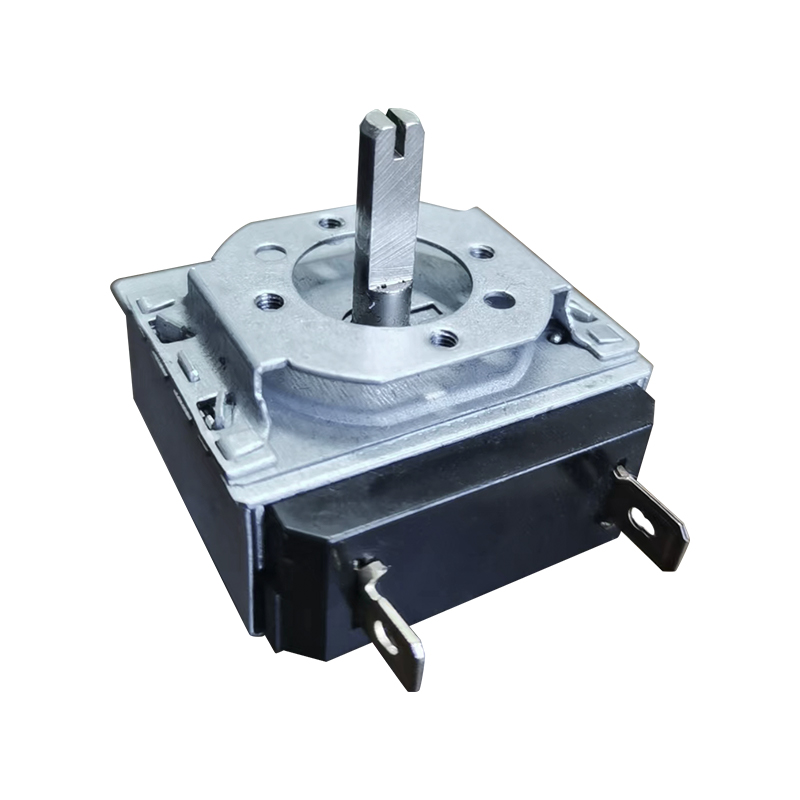
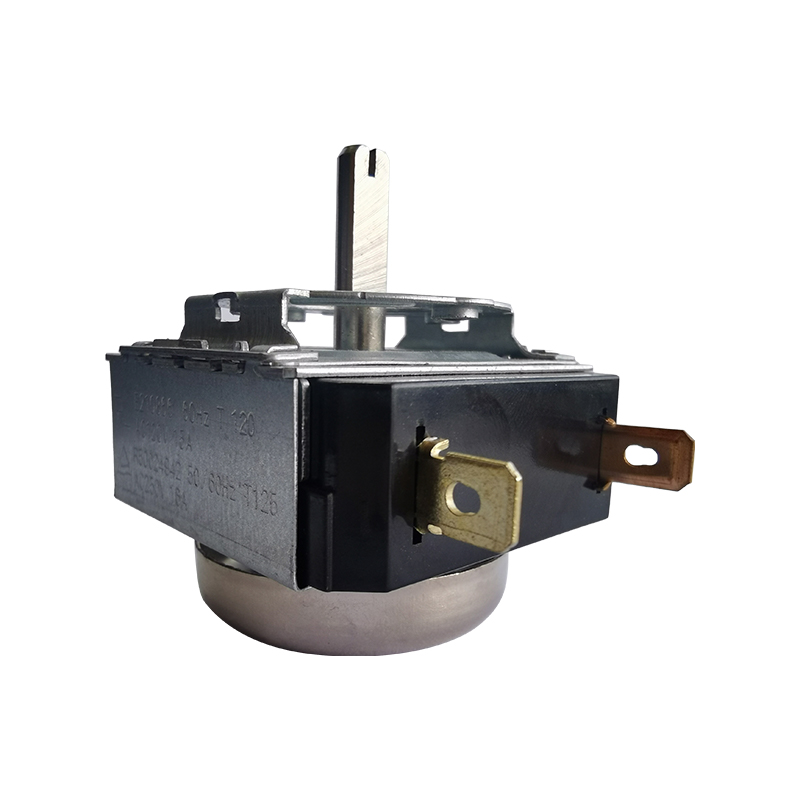
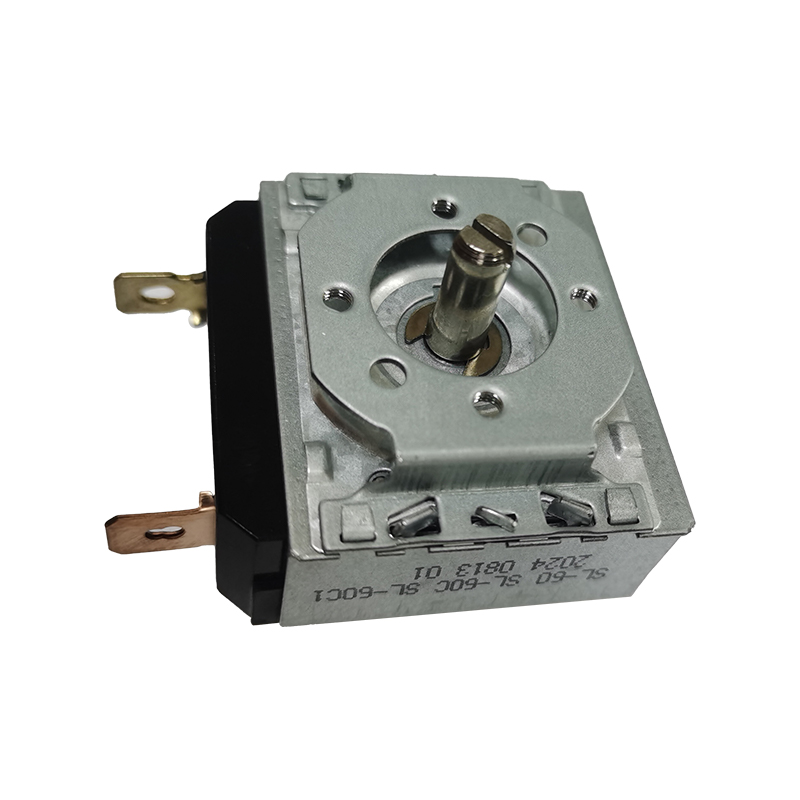
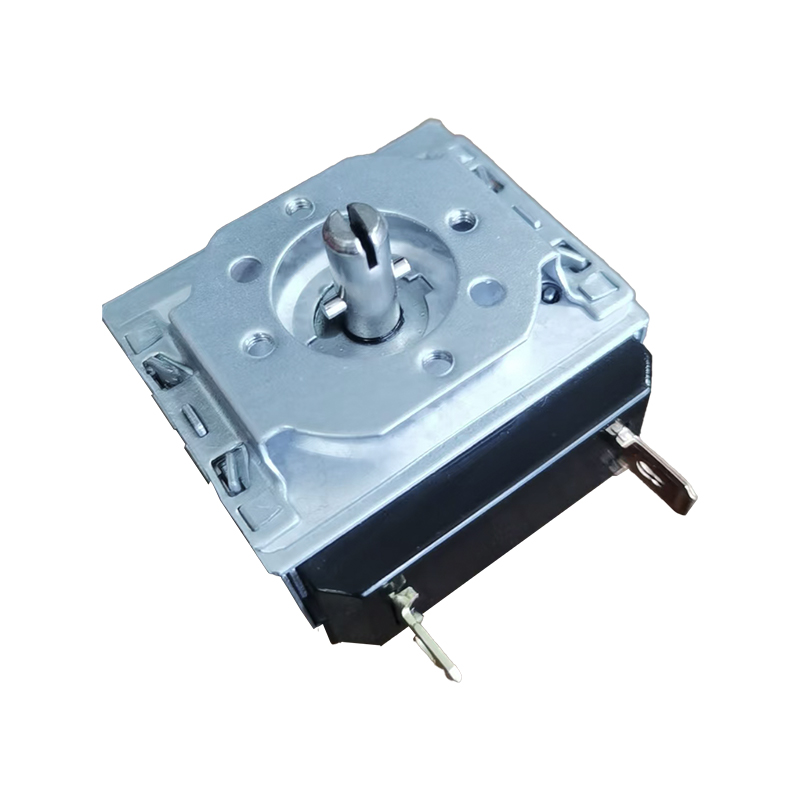
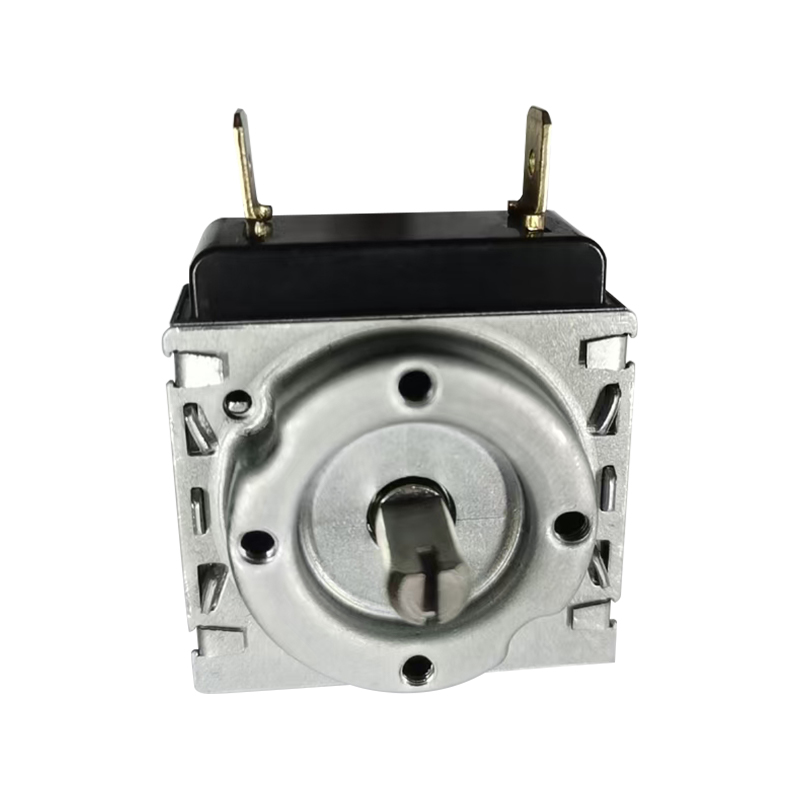
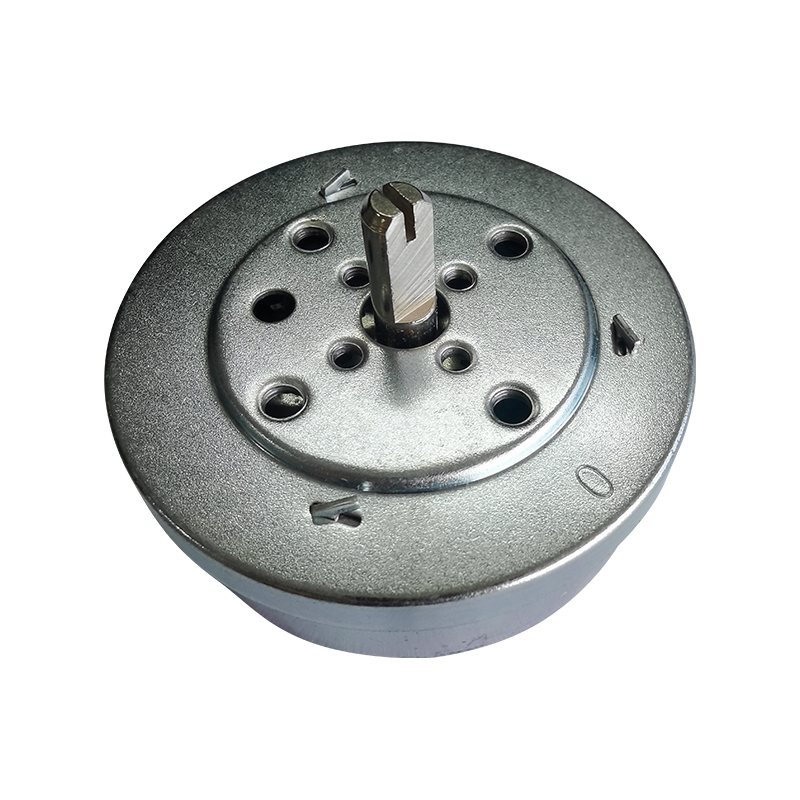
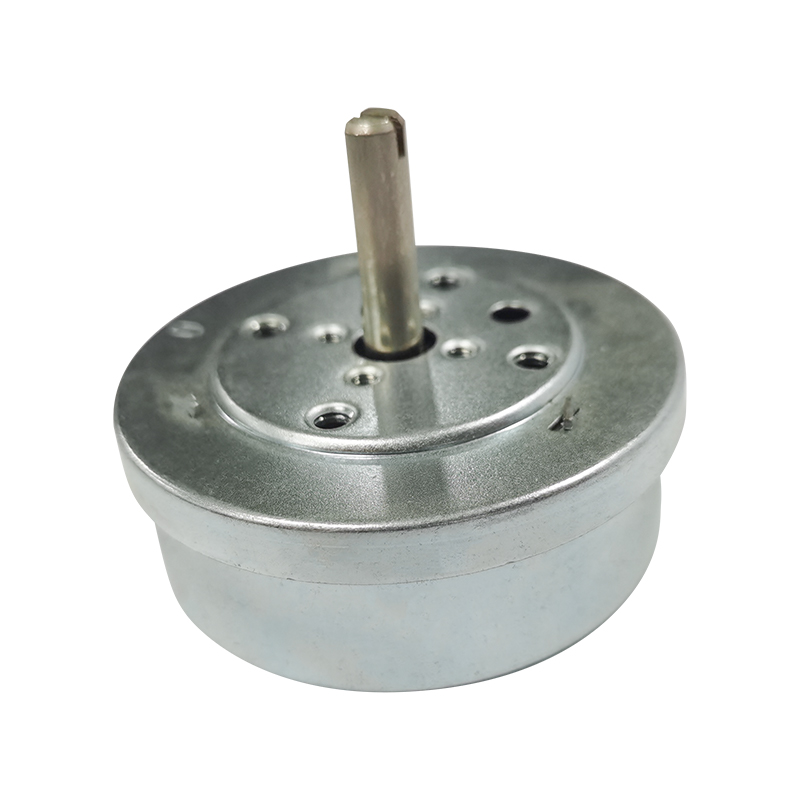
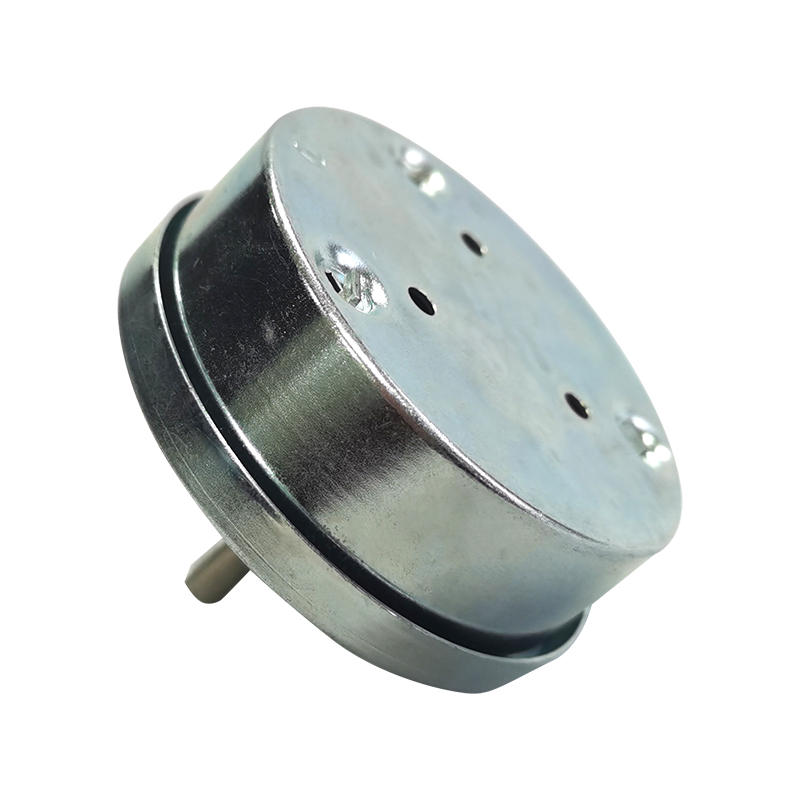
The SL-X Series Regular Oven Mechanical Timer is a high-performance, heat-resistant rotary countdown switch engineered for precise time control in commercial and household cooking appliances. Manufactured by Jiangsu Shalong Mechanical and Electrical Technology Co., Ltd., the SL-X timer covers a range of 1 to 180 minutes, operates at AC 250V/15A, and withstands working temperatures from -10 degrees C to +125 degrees C. Testing this mechanical oven timer involves a structured sequence of electrical continuity checks, torque measurements, and lifespan cycling that ensures zero operational errors across more than 10,000 self-walking cycles. Whether you are sourcing an oven timer replacement part, evaluating a commercial oven timer switch, or selecting a reliable SL-X oven mechanical timer supplier, this guide provides the technical grounding you need.
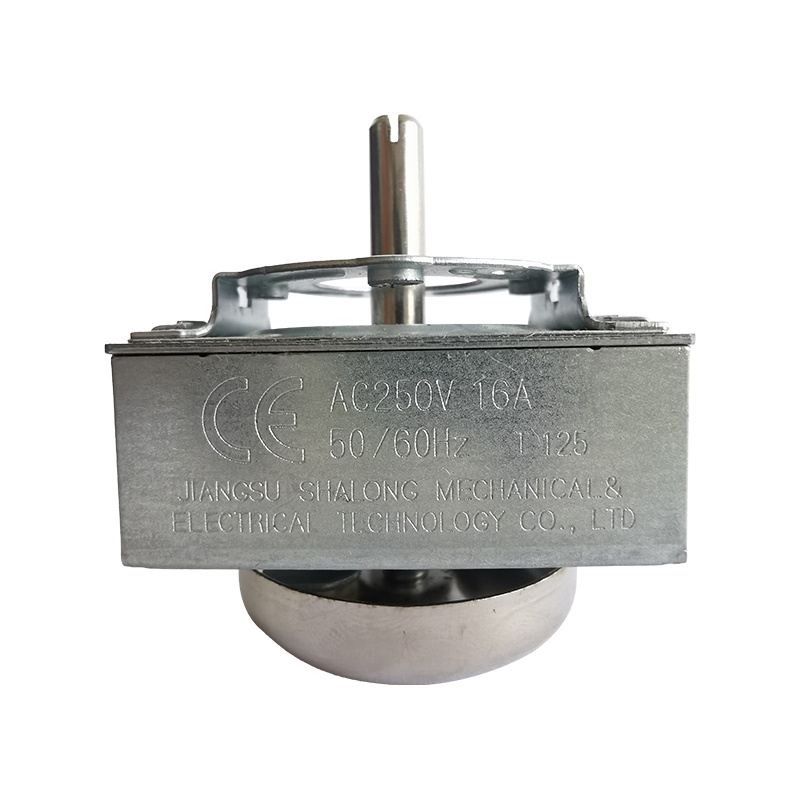
Mechanical timers remain the preferred choice over digital alternatives in high-heat appliance environments because they require no firmware, no power backup, and no calibration software. The SL-X model uses a counterclockwise working direction with a 270 degree plus or minus 5 degree or 315 degree plus or minus 5 degree working angle, making it compatible with a wide range of oven knob assemblies. Its precision gear train and bimetal contact system deliver a time tolerance of plus or minus 5 percent, a benchmark that aligns with IEC 60730 appliance timer standards and satisfies UL, CE, TUV, CB, CQC, and ISO 9001 certification requirements.
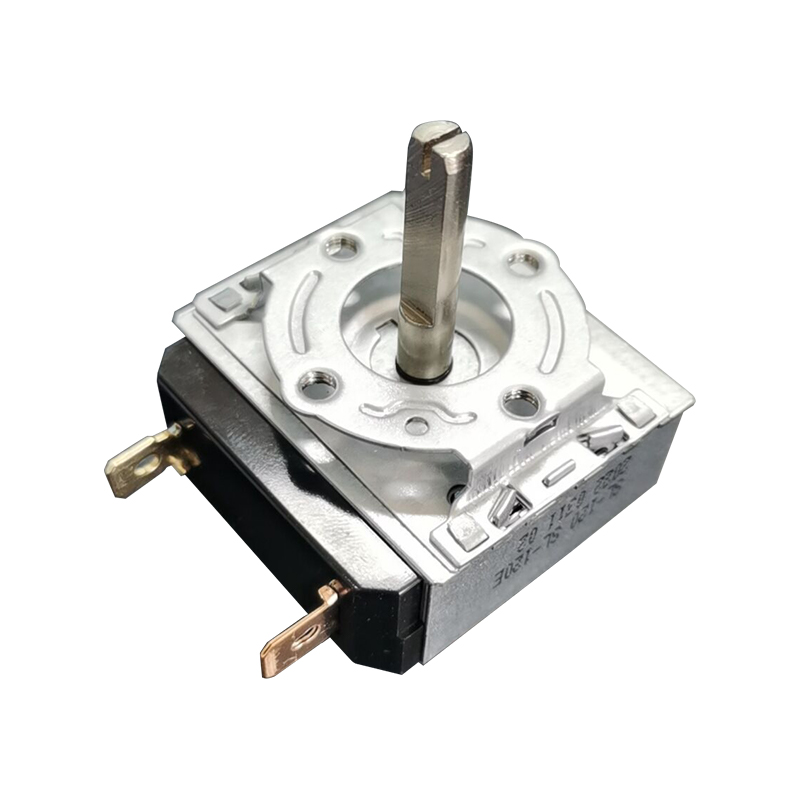
The SL-X Series is a mechanical oven timer built around a spring-driven gear mechanism enclosed in a metal housing capable of sustained exposure to high ambient temperatures. Unlike electronic timers that can experience software faults or capacitor degradation, the SL-X relies on purely mechanical energy storage, meaning the countdown begins the moment the user rotates the knob and ends with an audible bell or silent cutoff depending on the configuration ordered. This makes it a dependable oven timer replacement part across dozens of appliance categories.
The timer is available with a horizontal pin shaft or flat shaft, accommodating diverse OEM panel layouts. Contact capacity is rated at AC 120V/15A and AC 250V/15A, which covers both North American and international voltage standards. Insulation resistance is validated at 1,500V for one minute (DC 500V megohmmeter), and voltage resistance is tested at AC 1,800V/0.5A for one minute, figures consistent with IEC 60664 clearance and creepage requirements for Class II household appliances.
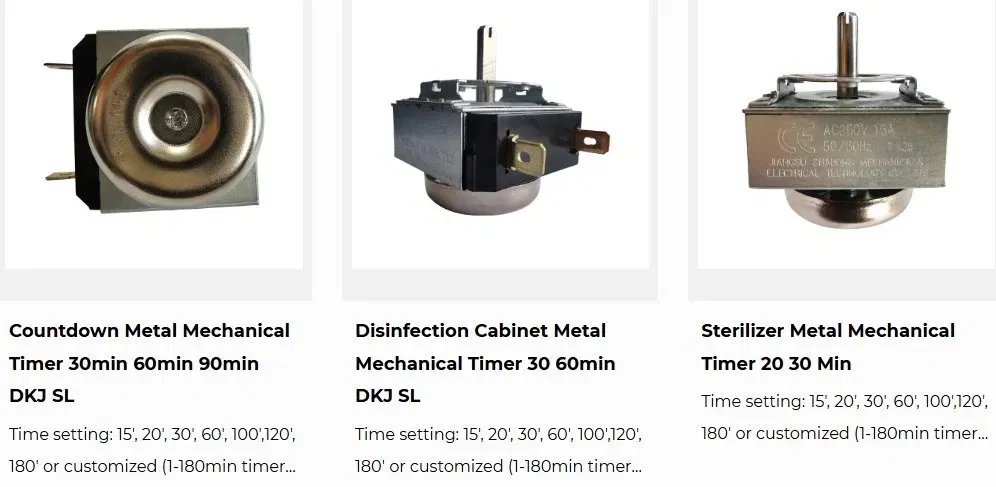
SL-X Series Mechanical Oven Timers: Countdown Metal Mechanical Timer 30min/60min/90min variants (DKJ SL), Disinfection Cabinet Timer, and Sterilizer Timer 20/30 Min
Key Technical Specifications at a Glance
Table 1: SL-X Series Oven Mechanical Timer core technical parameters based on Shalong product datasheet
Parameter
Value
Standard Reference
Contact Capacity
AC 250V / 15A
IEC 60730-1
Working Temperature
-10 C to +125 C
IEC 60068-2
Time Range
1 - 180 minutes (customizable)
Customer specification
Insulation Resistance
1,500V / 1 min
IEC 60664-1
Voltage Resistance
AC 1,800V / 0.5A / 1 min
IEC 60664-1
Mechanical Lifespan
>=10,000 cycles (6 cycles/min)
IEC 60730-1 Annex H
Time Tolerance
+/- 5% (270 deg) or customized
DIN EN 60730
Operating Torque
1.0 - 4.0 kg.f-cm
Internal QC standard
Certifications
UL, CE, TUV, CB, CQC, ISO 9001
Multiple bodies
How Do You Test an SL-X Mechanical Timer: Step-by-Step Protocol
Testing a mechanical oven timer like the SL-X requires both bench-level electrical verification and functional cycling tests. The procedure below is adapted from IEC 60730-1 (Automatic Electrical Controls for Household Use) and Shalong's internal quality assurance protocol, which governs all outgoing product inspections at their Jingjiang facility.
Step 1: Visual and Dimensional Inspection
Before any electrical test, examine the metal housing for burrs, deformation, or loose rivets. Measure the shaft diameter and length with a micrometer to confirm they fall within the drawing tolerance. Verify that the knob engages positively at the zero-degree detent and that the working angle (270 degrees or 315 degrees) matches the order specification. Confirm the terminal type, horizontal pin or flat shaft, against the wiring diagram supplied with the oven timer replacement part.
Step 2: Continuity and Contact Resistance
Connect a digital multimeter (resolution 0.1 ohm) between the common terminal and the normally-open contact. Wind the timer to maximum (for example, 60 minutes) and confirm that the circuit closes and reads below 50 milliohms at ambient temperature, which is consistent with the silver-alloy contact material used in SL-X units. Advance the knob slowly to the zero position and confirm that the circuit opens cleanly with no contact bounce lasting more than 3 milliseconds, as evaluated on an oscilloscope set to 5 ms/div. High contact resistance (above 200 milliohms) indicates contamination or worn contacts and warrants rejection.
Step 3: Dielectric Withstand Test
Using a hipot tester set to AC 1,800V/0.5A, apply voltage between the live contact and the metal housing for one minute. No breakdown or flashover is acceptable. This validates the insulation grade between the current-carrying parts and the appliance chassis, a mandatory check for any commercial oven timer switch destined for CE or UL markets. Reference: IEC 60664-1 Table F1, Overvoltage Category II, Pollution Degree 2.
Step 4: Timing Accuracy Measurement
Set the timer to a reference position such as 60 minutes and use a calibrated stopwatch or a data logger with a relay input to record the actual elapsed time to contact opening. Repeat three times and compute the mean. The result must fall within plus or minus 5 percent of the nominal 60 minutes (that is, 57 to 63 minutes) for the 270-degree variant. Ambient temperature during this test should be 23 degrees C plus or minus 2 degrees C to eliminate thermal drift from the gear lubricant viscosity, per IEC 60068-1 standard atmosphere conditions.
Step 5: Torque Verification
Mount the timer in a fixture and attach a calibrated torque wrench or digital torque gauge to the shaft. Measure the operating torque required to wind the knob from zero to maximum travel. The SL-X specification requires 1.0 to 4.0 kg.f-cm for both operating and release directions. Torque outside this window indicates a spring that is either over-tensioned (which can strip the gear train) or under-tensioned (which can cause premature self-release before the set time elapses). This test is critical for rotary oven timer replacement applications where the panel aperture imposes load on the shaft bearing.
Step 6: High-Temperature Endurance Cycle
Place the timer in a thermal chamber set to 125 degrees C. Perform 200 complete wind-and-release cycles at 6 cycles per minute (the rated self-walking speed). After conditioning, allow the unit to cool to ambient and repeat Steps 2 through 4. Any change in contact resistance greater than 100 milliohms or timing drift exceeding plus or minus 6 percent constitutes a failure. This test mirrors the conditions faced by an industrial oven timer operating continuously in a commercial kitchen.
Figure 1: Isometric 3D annotated SVG diagram of the SL-X Series Mechanical Oven Timer, illustrating key components including the timing dial, output shaft, metal housing, electrical terminals, bell mechanism, and internal gear train. All dimensions and specifications are based on Shalong product datasheet.
Why the SL-X Outperforms Standard Oven Timer Switches: Data Comparison
When evaluating a commercial oven timer switch, buyers frequently compare mechanical and electronic alternatives across four dimensions: thermal resilience, cycle life, compliance footprint, and mean time between failures (MTBF). The SL-X excels particularly in thermal resilience and cycle life, reflecting Shalong's more than 30 years of dedicated mechanical timer production.
The SL-X Series demonstrates measurable superiority in maximum operating temperature (125 C vs 85 C for standard timers), mechanical cycle life (10,000+ vs approximately 5,000 cycles), and certification coverage (6 international certifications vs typically 2). The voltage rating of 250V makes the SL-X suitable for both European and Asian grid standards, a critical factor for export-oriented appliance manufacturers. Time accuracy of plus or minus 5 percent is tighter than the plus or minus 8 percent commonly found in lower-specification rotary timers, directly translating to more consistent cooking results and fewer consumer complaints. These advantages collectively explain why leading appliance brands in multiple countries continue to specify the SL-X as their preferred oven timer replacement part.
SL-X Oven Timer Applications Across Appliance Categories
The SL-X is a versatile mechanical timer for oven applications but its design also serves as an air fryer timer, egg steamer timer, electric pressure cooker timer, and sterilizer timer. The single current system (on/off contact) simplifies integration into any appliance that requires timed power interruption without the complexity of programmable logic controllers. Below is a breakdown of application category distribution based on Shalong shipment data.
Ovens account for approximately 45 percent of SL-X timer deployments, reflecting the core design intent of the product as a 60-minute oven timer with high-temperature capability. Air fryers have grown to represent roughly 25 percent of shipments over the past five years as the appliance category expanded globally, driven by health-conscious consumers. Electric steamers and egg cookers collectively take about 15 percent, where the shorter 15- to 30-minute range settings are most common. Medical sterilization equipment and disinfection cabinets represent 8 percent, a segment that places especially stringent demands on timer accuracy because under-sterilization has patient safety implications. The remaining 7 percent covers specialty industrial and agricultural heating equipment where a reliable industrial oven timer manufacturer with proven certification credentials is essential.
Diagnosing a Mechanical Oven Timer That Is Not Working
When an oven timer not working fault is reported by end users, the root cause almost always falls into one of five categories. Understanding these categories allows maintenance technicians to quickly decide whether to repair or order an oven timer replacement part.
Gear train binding: caused by dried lubricant, typically after sustained exposure above 120 degrees C. The knob winds stiffly and the timer does not advance. Disassembly and re-lubrication with a high-temperature silicone grease (rated above 200 degrees C) may restore function, but replacement is recommended for safety-critical applications.
Contact weld: caused by inrush current spikes above the rated 15A on resistive loads, or repeated switching of inductive loads without a snubber circuit. The output remains permanently closed. This is detectable with a multimeter (zero resistance at rest) and requires immediate timer replacement.
Spring fatigue: after many thousands of cycles, the mainspring may lose enough tension that the timer self-walks at an incorrect rate. Timing accuracy degrades beyond plus or minus 10 percent. This is the most common cause of gradual drift in a 60-minute oven timer that used to perform correctly.
Contact oxidation: in humid or corrosive kitchen environments, silver contacts can develop a sulfide or oxide film. Measured contact resistance rises above 200 milliohms. Burnishing with a contact cleaning tool may temporarily restore conductivity.
Mechanical overload: applying torque above 4.0 kg.f-cm to the shaft, for example from a misaligned or overly stiff panel knob, can strip the gear train. The knob spins freely with no countdown action. Replacement of the full timer is the only solution.
The line chart above illustrates that while all mechanical timers show increasing fault rates over operational years due to component wear, the SL-X Series maintains a significantly lower cumulative fault rate than standard market alternatives throughout the product lifecycle. In Year 1, the SL-X shows approximately 0.5 percent fault incidence versus 0.8 percent for standard timers, a gap that widens dramatically by Year 5 when standard timers reach 4.2 percent versus 1.8 percent for the SL-X. This difference is attributable to Shalong's use of independently developed small-modulus hobbing machines and automated processing equipment that deliver tighter gear tolerances than is possible with conventional tooling. For commercial kitchen operators calculating total cost of ownership, a lower fault rate translates directly into fewer service calls, less appliance downtime, and lower spare parts inventory requirements. The data supports specifying the SL-X as the preferred oven timer spare parts solution across high-utilization commercial cooking equipment.
Oven Timer Wiring Diagram: Integrating the SL-X into an Appliance Circuit
Correct wiring is as important as timer selection. A common source of premature failure in oven timer wiring diagram implementations is the application of an inductive load (such as a motor or solenoid valve) directly across the timer contacts without a suppression network. The SL-X timer uses a single on/off contact in a series circuit with the appliance load. The line conductor (L) connects to the common terminal; the normally-open terminal connects to the load; the neutral (N) connects directly to the load return. For inductive loads, a metal oxide varistor (MOV) rated at 275V AC should be placed in parallel with the contact to absorb switching transients and prevent contact welding.
Figure 5: Radar chart comparing the SL-X Series against a typical standard market timer across six quality dimensions scored on a 0-100 scale. The SL-X (filled blue polygon) significantly outperforms the standard alternative (dashed gray polygon) across all six axes, with the most pronounced advantages in certifications (100 vs 25), thermal resistance (95 vs 55), and cycle life (90 vs 50). The certifications dimension is particularly important for OEM buyers seeking to sell into multiple regional markets simultaneously, as the SL-X's UL, CE, TUV, CB, CQC, and ISO 9001 portfolio eliminates the need to qualify different timers for different markets. Accuracy and MTBF advantages, while smaller in relative terms, have compounding effects on end-consumer satisfaction and after-sales service costs. This multi-dimensional comparison confirms that the SL-X is not merely adequate as a mechanical oven timer supplier product but genuinely superior across every dimension a professional procurement team evaluates.
Ordering and Customization: Oven Timer Spare Parts and OEM Configurations
Shalong supports a full range of customization options for the SL-X, making it a practical choice for both high-volume OEM supply contracts and low-volume oven timer spare parts procurement. The standard packaging is 200 pieces per export carton (42.5 x 30 x 30.5 cm, gross weight 17 kg), and standard lead time is 20 to 25 days after receipt of payment or letter of credit, subject to order quantity.
Time range: Standard presets are 15, 20, 30, 60, 100, 120, and 180 minutes. Any range from 1 to 180 minutes is customizable per order.
Shaft type: Horizontal pin or flat shaft; custom shaft diameter and length available with drawing confirmation.
Bell option: With or without audible bell at end of countdown. Bell loudness and tone can be specified.
Working angle: 270 degrees or 315 degrees standard; other angles by negotiation.
Terminal configuration: Standard quick-connect terminals or custom pin layout per customer PCB design.
Label and marking: Custom scale printing, logo engraving, and color options for the dial face are available for brand-specific oven timer replacement part programs.
For buyers sourcing a commercial oven timer switch for a new appliance development project, Shalong recommends submitting a mechanical drawing of the panel cutout and a wiring diagram of the appliance circuit alongside the RFQ. This allows the engineering team to confirm shaft clearance, terminal torque requirements, and thermal interface conditions before a sample is produced. Sample lead time is typically 7 to 10 business days.
About Jiangsu Shalong Mechanical and Electrical Technology Co., Ltd.
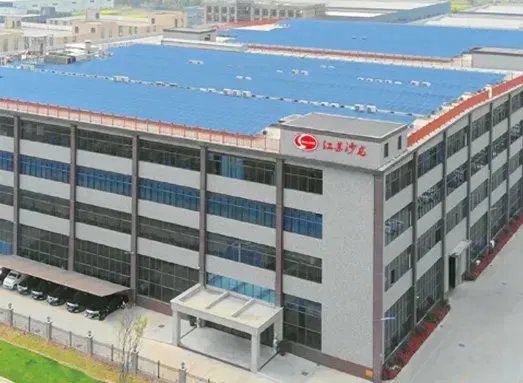
Jiangsu Shalong Mechanical and Electrical Technology Co., Ltd. headquarters at Jingjiang Economic and Technological Park, on the bank of the Yangtze River
JIANGSU SHALONG MECHANICAL and ELECTRICAL TECHNOLOGY CO., LTD. was founded in 1991. It is a professional manufacturer of high-temperature-resistant metal mechanical timers and a drafting unit of industry standards. The company has been deeply involved in the industry for more than 30 years. With continuous practical accumulation and technological innovation, it has established a high-tech enterprise specializing in research, development, production, and sales of mechanical timers and household appliance circuit board products.
The company is located on the beautiful bank of the Yangtze River, Jingjiang Economic and Technological Park. The company has a registered capital of 28 million yuan, with over 40,000 square meters of self-built factory buildings, over 1,000 sets of various R&D, production, and inspection equipment, and over 800 employees, including over 80 engineering and technical personnel. The company has strong mechanical design, processing, and manufacturing capabilities. The small modulus hobbing machine, automated processing equipment, and high-speed continuous stamping molds used in the production and manufacturing of timers are all independently developed and manufactured by Shalong, with several technical patents.
Professional production equipment and facilities and a full range of advanced testing equipment and means fully guarantee the high quality, high performance, and high stability of Shalong products. It has established a good reputation in the industry and has been well-received by users. In addition to establishing long-term cooperative relations with many well-known electrical appliance manufacturers such as Midea, Supor, Joyoung, Galanz, Bear, and Xinbao, the company's products are also exported to overseas countries such as South Korea, Turkey, Brazil, Saudi Arabia, and Egypt, demonstrating Shalong's standing as a globally trusted industrial oven timer manufacturer and mechanical oven timer supplier.
Frequently Asked Questions
Q1: How do I confirm the SL-X is the correct oven timer replacement part for my appliance?
A: Match the shaft type (horizontal pin or flat), working angle (270 or 315 degrees), time range, and terminal layout against the original part drawing or the old timer's physical dimensions. Shalong can cross-reference the original part number if you provide a photo and the appliance brand/model. Confirm the voltage rating (AC 250V/15A for most global markets) and working temperature range align with the oven cavity conditions before ordering.
Q2: What certifications does the SL-X oven timer carry and which markets do they cover?
A: The SL-X carries UL (United States and Canada), CE (European Union), TUV (Germany and broader EU), CB (international mutual recognition scheme covering over 50 countries), CQC (China), and ISO 9001 quality management certification. Environmental compliance includes RoHS and REACH. This portfolio covers the vast majority of markets where Shalong's OEM customers sell, including North America, Europe, the Middle East, and Asia-Pacific.
Q3: Why does my rotary oven timer run fast or slow after years of use?
A: Timing drift in a rotary oven timer replacement situation typically indicates mainspring fatigue or gear lubricant degradation. As the spring loses tension over thousands of cycles, the gear train advances at a slightly different rate. Similarly, lubricant that has thickened or dried due to sustained high-temperature exposure changes the friction profile of the gear set. The practical solution for a timer drifting beyond plus or minus 8 percent is replacement rather than repair, as reassembling and respringing a precision gear mechanism in the field introduces more variability than it resolves.
Q4: What is the standard delivery time for SL-X oven timer spare parts orders?
A: Standard production lead time is 20 to 25 days after receipt of confirmed payment or letter of credit, depending on order quantity and whether customization is required. Sample orders for new design evaluation are typically completed in 7 to 10 business days. Standard packaging is 200 pieces per export carton. For urgent oven timer spare parts replenishment needs, please contact Shalong directly to check stock availability on standard configurations.
Q5: Can the SL-X timer be used in an air fryer or is it only an oven timer?
A: The SL-X is rated for use as an air fryer timer, egg steamer timer, electric pressure cooker timer, electric steamer timer, and sterilizer timer, in addition to its primary role as a mechanical oven timer. The operating temperature range of -10 to +125 degrees C and the AC 250V/15A contact rating are sufficient for all of these applications. Shalong offers application-specific time range presets such as 15, 20, and 30 minutes that are better suited to air fryer cooking cycles than the 60- or 120-minute settings typical of conventional ovens.
Q6: How should I interpret the SL-X oven timer wiring diagram for a single-phase appliance?
A: For a standard single-phase appliance, connect the line (L) conductor to the common (COM) terminal of the SL-X timer. Connect the normally-open (NO) terminal to one end of the heating element or motor. Connect the neutral (N) directly to the other end of the load. When the timer is wound and the countdown is in progress, the COM to NO contact is closed and the appliance operates. When the countdown reaches zero, the contact opens and power is interrupted. For inductive loads, place a 275V MOV across the COM and NO terminals to suppress arc welding. Always consult the specific oven timer wiring diagram provided by Shalong engineering with each sample shipment for load-specific guidance.
Time setting: 15', 20', 30', 60' or customized (such as 90 min)Applicable: Oven/Electric Pressure Cooker/Kitchen MachineContact capacity: AC 120V 15A;...



 English
 中文简体
中文简体