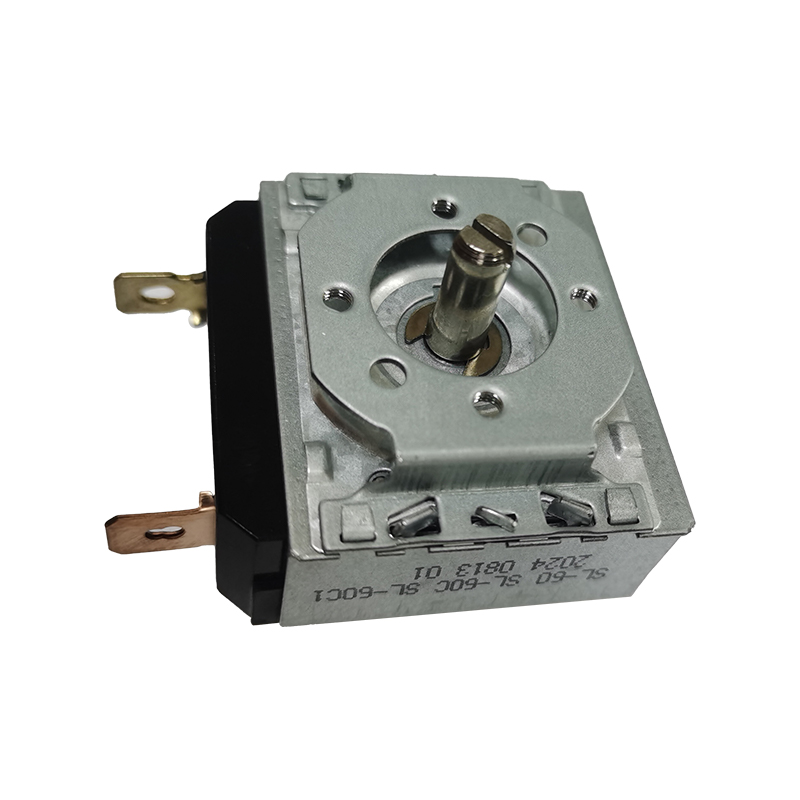
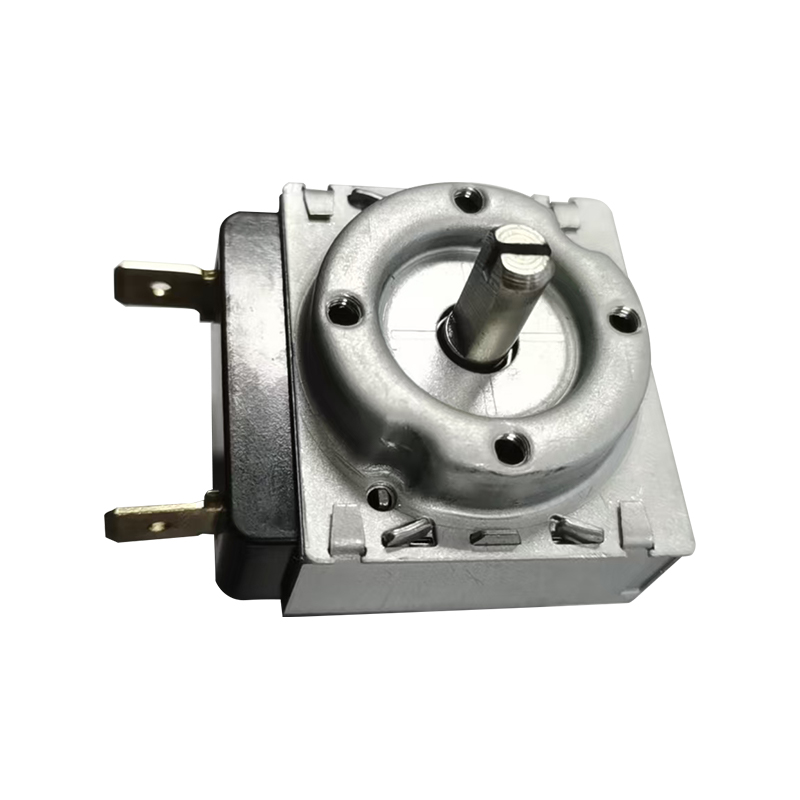
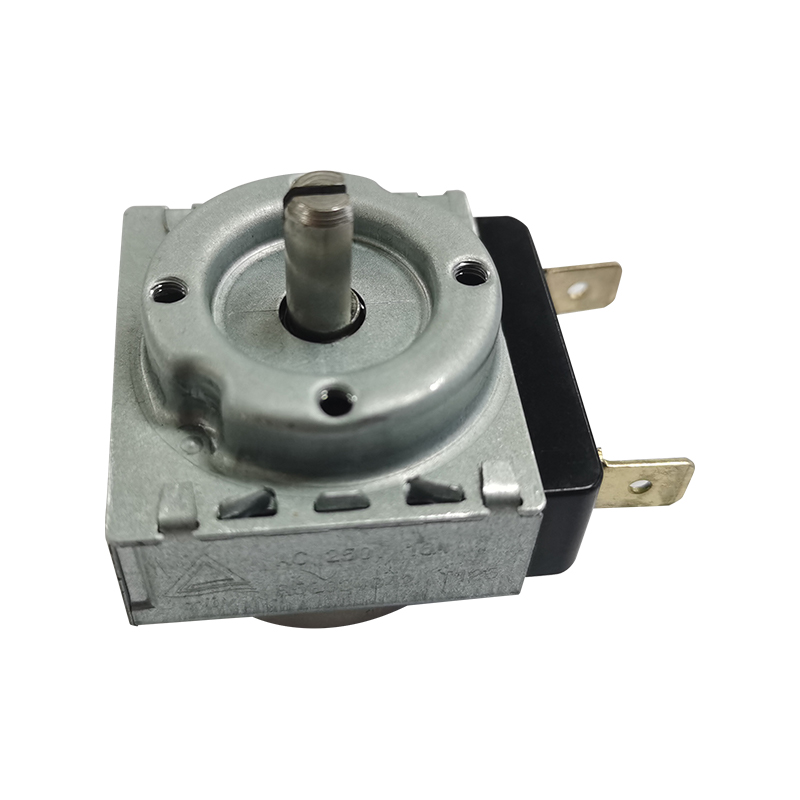
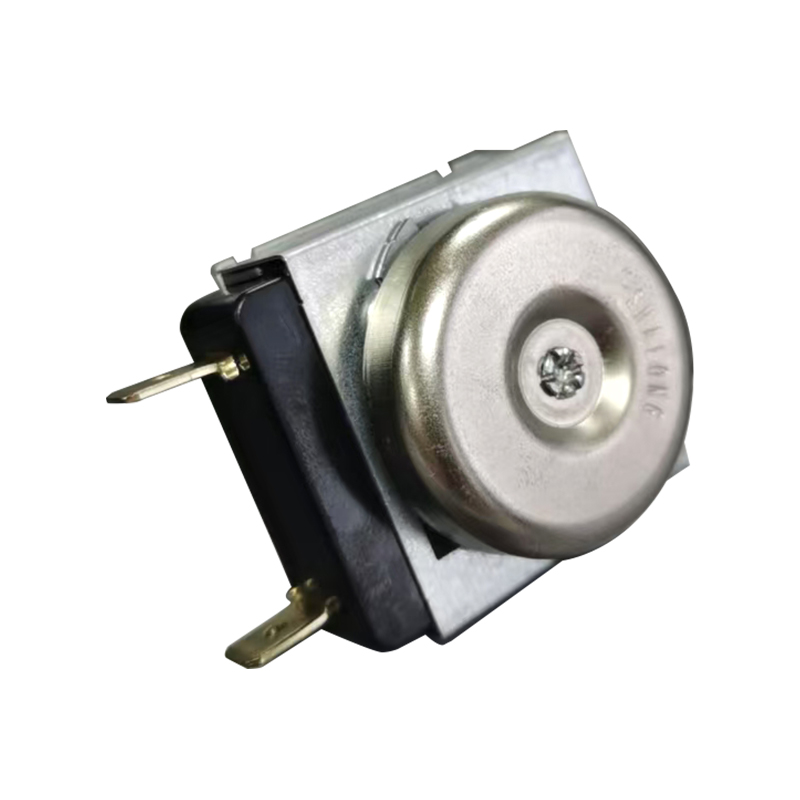
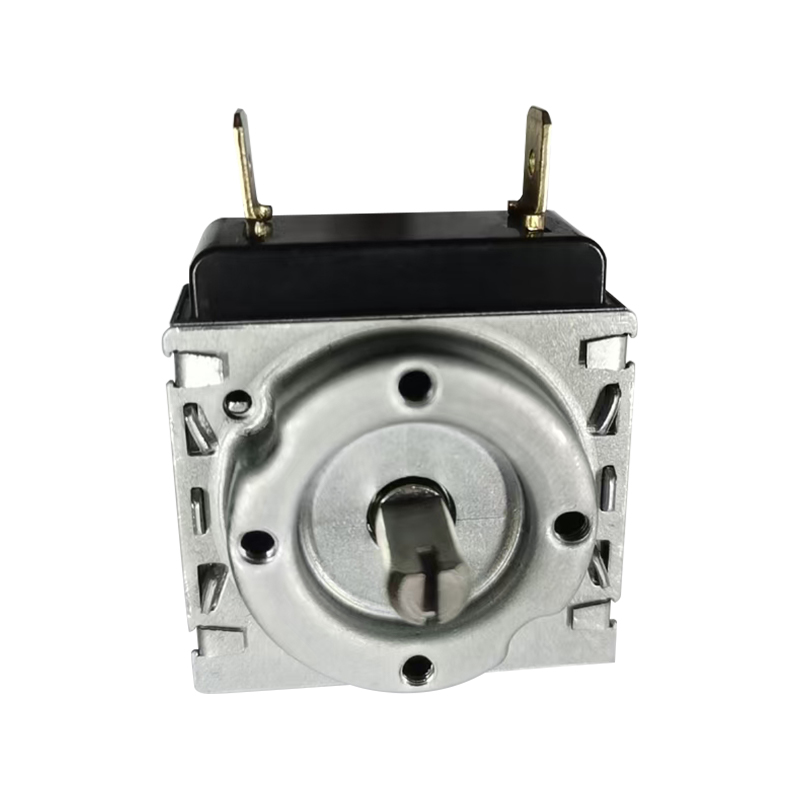
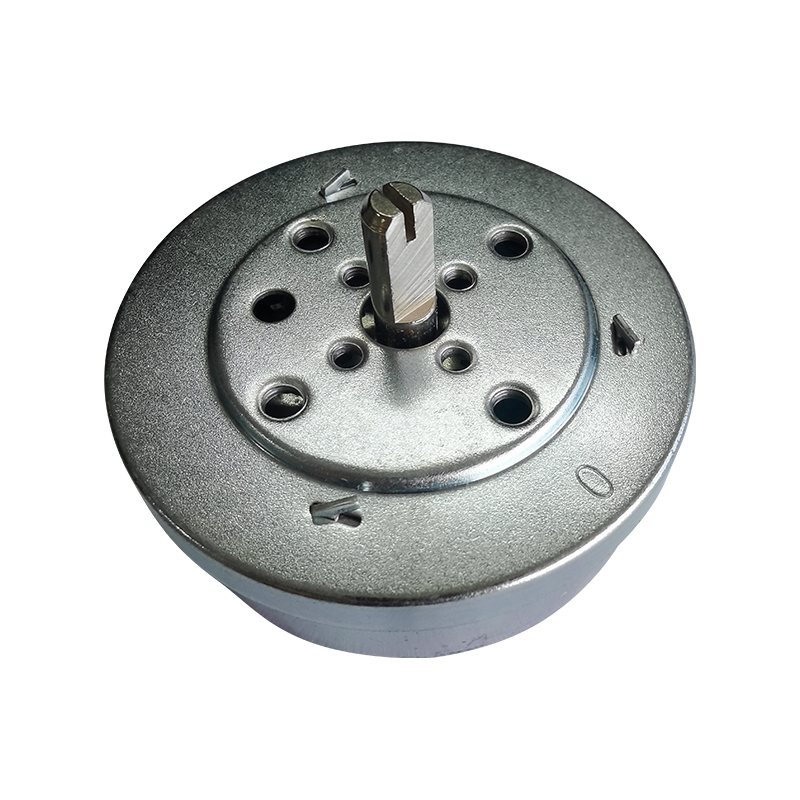
When a product engineer opens the control panel of a new oven, the precision timer is often the component that determines whether the appliance earns trust or generates warranty claims. A timer that drifts by a few seconds each cycle may not seem serious, but a timer that sticks at the end of a cooking cycle is a safety problem. Precision timers, especially metal mechanical timers, solve this by giving manufacturers a repeatable way to interrupt power to a heating element or alert the user. This article explains how precision mechanical timers work, where they are used, and what to examine when choosing a mechanical timer manufacturer, supplier, or wholesaler.
Key takeaway: Precision timers are a safety-related component, not just a countdown device, so the selection process should be based on materials, tolerances, and proven cycle life.
What Are Precision Timers and Why Accuracy Matters
A precision timer is a timing device that keeps its set duration within a narrow tolerance under normal operating conditions. In the appliance industry, the term applies most often to mechanical timers with a metal gear train, a synchronous motor or spring drive, and a cam-operated switch. Accuracy here means three things: repeatability from cycle to cycle, stability over the product's service life, and predictable performance under heat, vibration, and voltage variations.
The mechanism behind a precision mechanical timer
Mechanical precision timers use a small motor or a spring-driven movement to rotate a cam. The cam profile controls the switch contacts and defines the off point. The self-stepping function, a key technology in metal mechanical timers, advances the contacts in small increments instead of letting them rub continuously. This reduces contact wear and keeps the switching angle stable. For this reason, a timer rated for 60 minutes should switch at almost the same point after thousands of cycles as it did on the first cycle.
- Timing range: from 5 minutes for medical devices to 180 minutes for steam cooking and baiting machines.
- Tolerance: a well-built mechanical design can hold within a few seconds per 60-minute cycle at normal room temperature.
- Temperature resistance: the housing, gears, and lubricant must survive the heat inside an oven or air fryer.
- Contact rating: the switch must handle the current of the heating element or the relay it controls.
Key takeaway: Accuracy in a mechanical timer is determined by the gear train, contact design, and material stability, not by the scale printed on the dial.
Precision Timer Types and Applications in Home Appliances
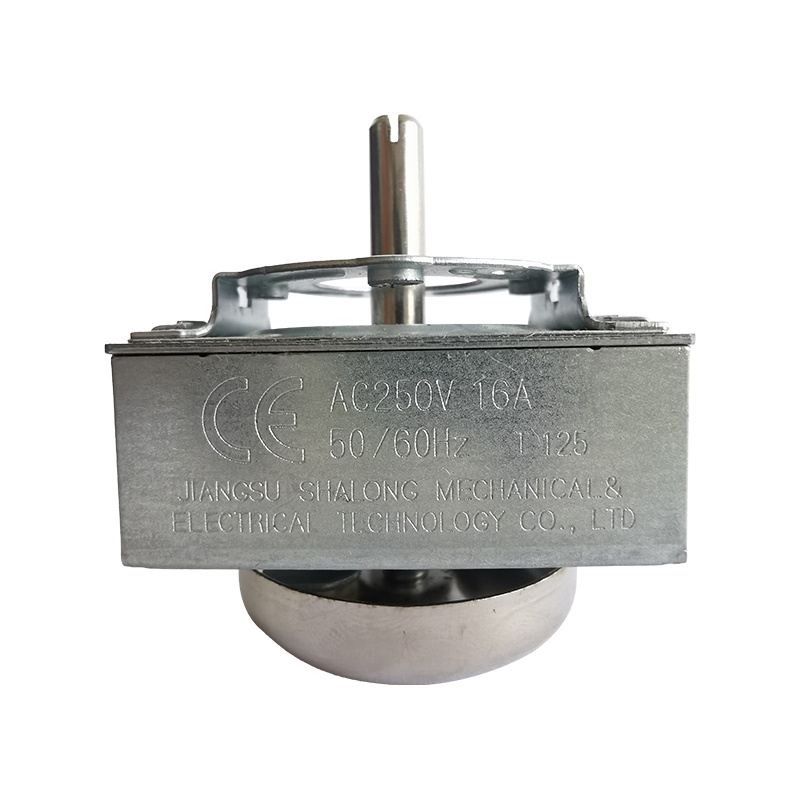
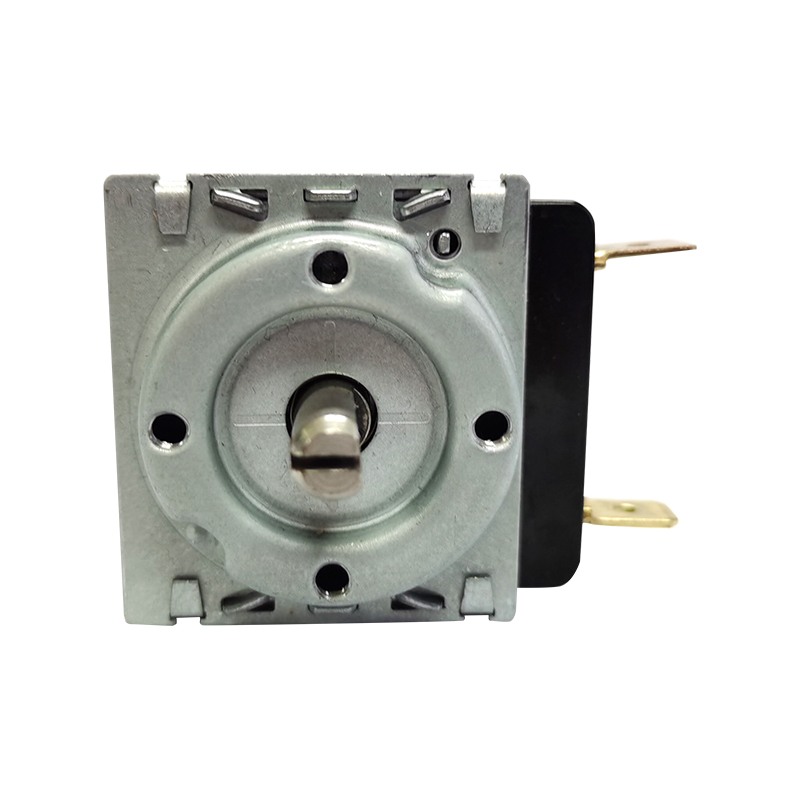
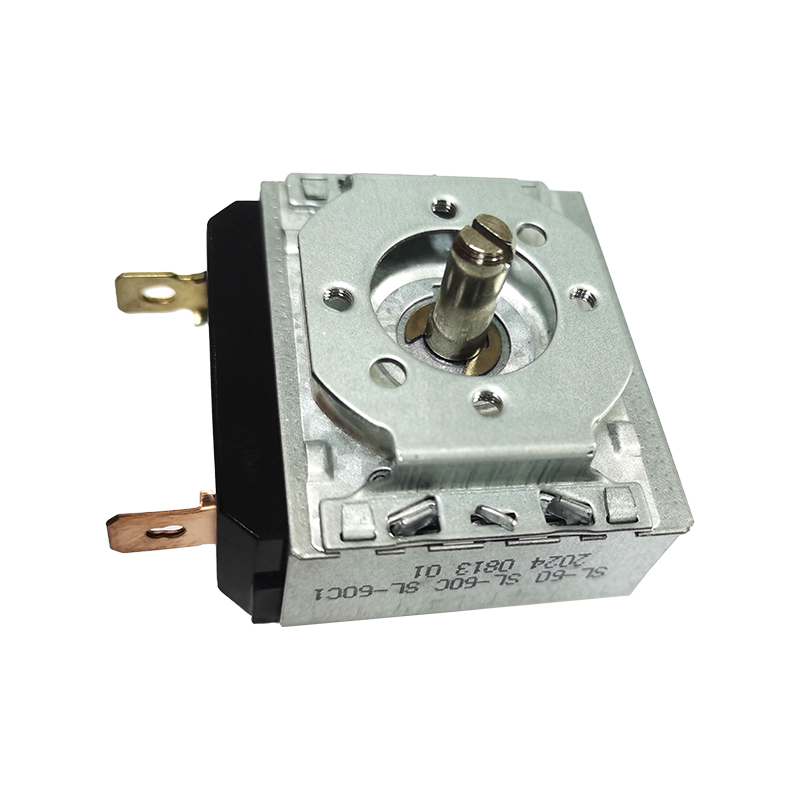
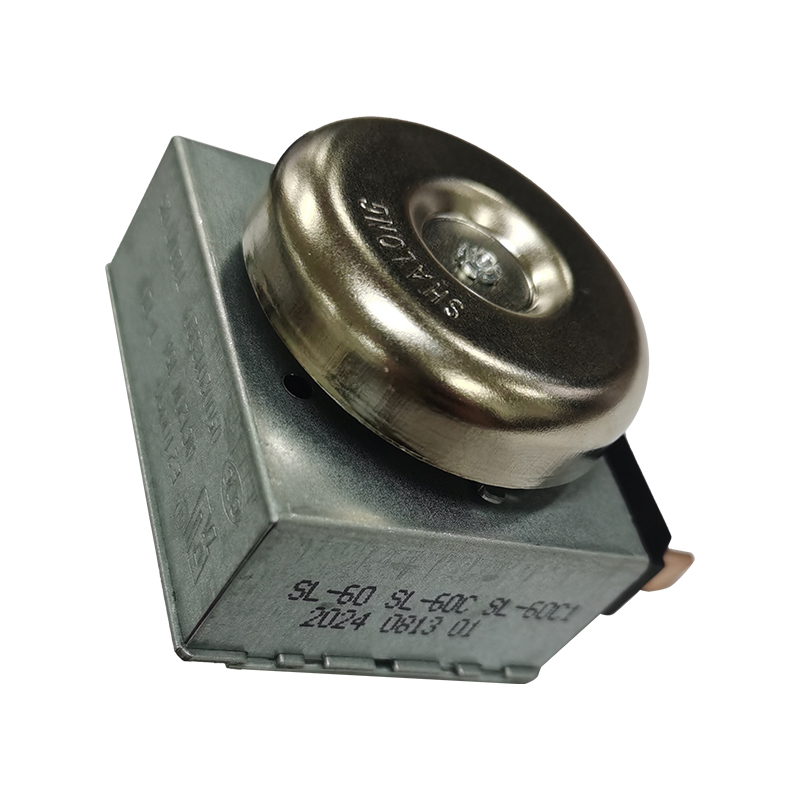
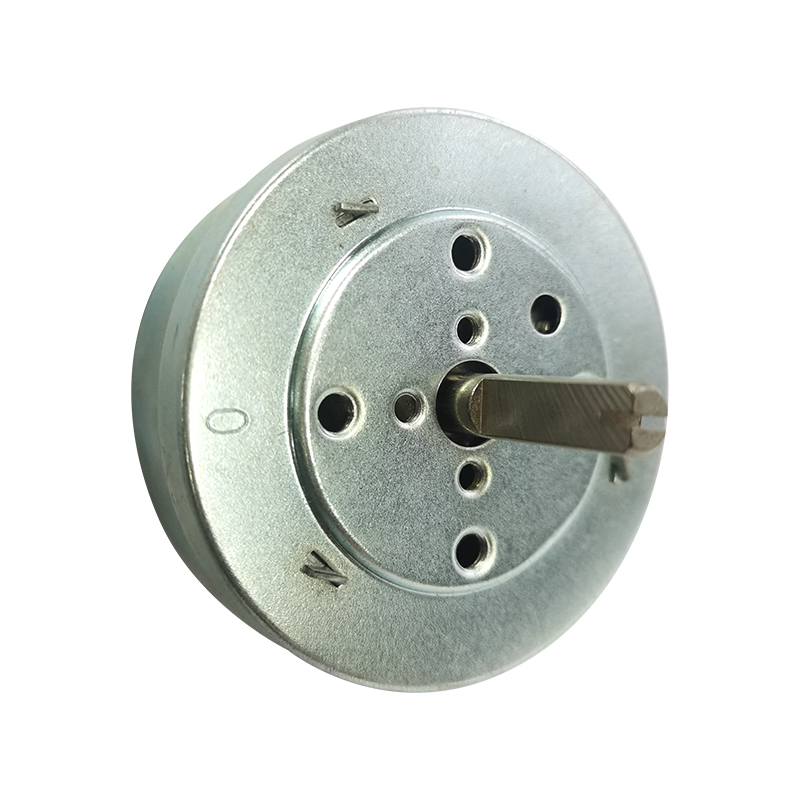 Round Metal Mechanical Timer for Freestanding OvensA durable round timer rated up to 60 minutes with a sturdy shaft and large dial, designed for free-standing oven controls. Its self-stepping mechanism ensures consistent switching over thousands of cycles, making it a reliable choice for precision timing.View Product →
Timer selection usually starts with the end appliance rather than a generic component. A free-standing oven needs a round timer with a sturdy shaft and a large dial. A compact air fryer may need a smaller body without a bell to fit a crowded control panel. The table below summarizes the main precision timer families found in kitchen appliances.
Common precision timer families and their typical appliance uses
| Timer family |
Typical timing range |
Common appliances |
Selection notes |
| Regular timer (SL-X series) |
15 to 180 minutes |
Air fryers, deep fryers, steamers, pressure cookers |
Available with or without bell; good for high-volume production. |
| Small-size precision timer (SLS-X series) |
15 to 190 minutes |
Compact air fryers, egg cookers, built-in ovens |
Smaller footprint helps fit dense control panels. |
| Circular oven timer |
60 to 160 minutes |
Free-standing ovens, home appliances |
Round metal case, long ring option, suitable for high heat. |
An air fryer timer, for example, is often rated for 30 or 60 minutes and must survive hot-air cycling near the heating chamber. An oven timer may need a 60 or 90 minute range with a bell to signal the end of a bake cycle. In high-temperature applications, materials and lubrication matter more than the basic timekeeping mechanism.
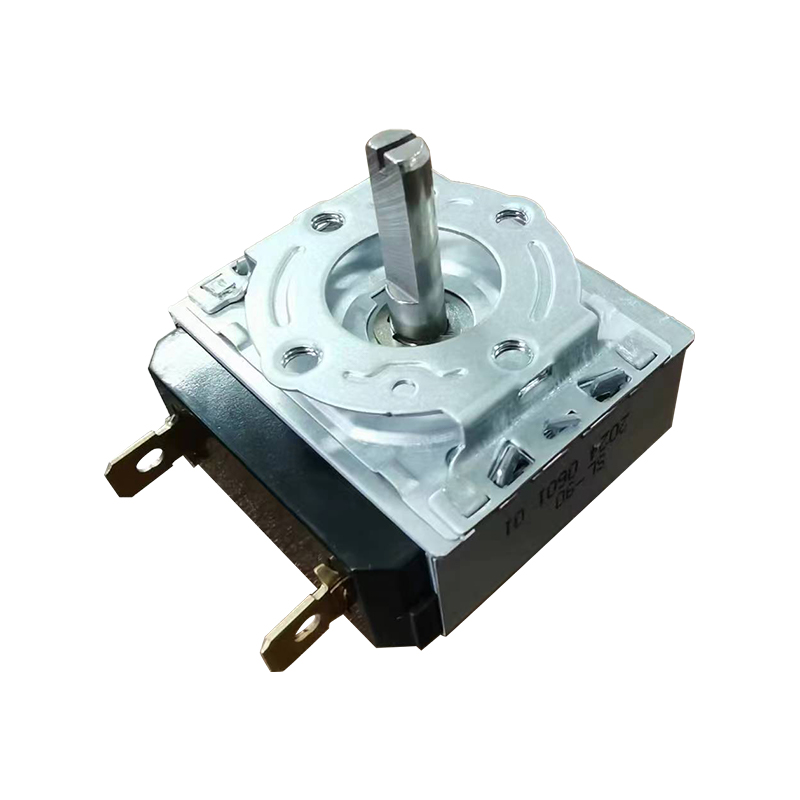 Air Fryer Metal Mechanical Timer with BellA 30/60-minute metal mechanical timer with bell, engineered to withstand hot-air cycling near the heating chamber. UL and DKJ certified, it offers stable switching and clear end-of-cycle signaling for compact air fryer control panels.View Product →
Selecting the right type
- For ovens: choose a circular timer with a metal shaft, clear dial, and certifications such as CE or TUV.
- For air fryers: look for a compact body, high-temperature approval, and UL listing where the destination market requires it.
- For steamers and pressure cookers: select a longer range of 120 to 180 minutes with a reliable end signal.
- For medical devices: use a 5 to 15 minute timer with documented tolerance checks and traceable production records.
Key takeaway: The best precision timer for an appliance is the one matched to the appliance's thermal load, panel space, and required certifications.
Mechanical vs. Electronic Precision Timers: What Buyers Should Know
Design teams sometimes ask whether a mechanical timer can still compete with an electronic timer. For precision timers in cooking appliances, the answer depends on the intended user, the price point, and the thermal environment. Mechanical timers are simple, familiar, and do not require a power supply for the control circuit. Electronic timers offer digital setting and programmability, but they bring additional components that need thermal management and firmware validation.
Comparison of mechanical and electronic timer characteristics for appliance manufacturing
| Criterion |
Mechanical precision timer |
Electronic timer |
| Thermal resistance |
Can be designed for oven environments with high-temperature grease and metal gears. |
Depends on PCB, capacitors, and display materials; usually placed away from heat. |
| User interface |
Large dial, simple rotation, no menu. |
Digital buttons and display, more setting options. |
| Failure complexity |
Fewer components, easier fault analysis. |
More components, possible firmware issues. |
| Long-term availability |
Mechanical tooling supports long production runs. |
Electronic components may change quickly. |
Quick guidance for timer selection
Choose a mechanical type when:
The appliance needs a simple, reliable countdown, the panel is located in a hot zone, or the buyer wants a proven BOM cost without software development. |
Consider an electronic design when:
The product requires multiple cooking programs, a digital display, or data connectivity that cannot be achieved with a mechanical switching profile. |
Key takeaway: For single-function cooking appliances, a mechanical precision timer often delivers better thermal endurance and simpler supply-chain management than an electronic module.
Accuracy Retention: Cycle-Life Data That Matters
One of the most common questions from appliance manufacturers is whether a metal mechanical timer will still be accurate after years of use. The answer depends on the quality of the gear train and the contact mechanism. The following chart illustrates the change in timing deviation for a 60-minute precision timer with a self-stepping metal movement. These numbers are based on typical accelerated life-test observations, not on a single batch sample. They are intended to help you ask the right questions when you review a supplier's test report.
Timing deviation after repeated 60-minute cycles
Scale: 0 to 20 seconds deviation. Lower is better.
The data shows that a precision timer with a self-stepping contact system still keeps a 60-minute count inside a practical acceptance band after 100,000 cycles. That level of stability is the main reason appliance brands continue to use metal mechanical timers in daily-use products. The visible drift in this example comes from three sources: gear wear, lubricant aging, and contact erosion. A self-stepping mechanism helps because it makes the contacts open and close quickly instead of rubbing across each other. A stable metallic gear material also reduces wear over time. High-temperature kitchen environments accelerate lubricant breakdown, so the grease specification is just as important as the gear geometry. The measurement method matters as well: a timer should be tested with the same load, voltage, and ambient temperature as in the final appliance. Incoming inspection at an OEM rarely reproduces a full heat soak, which is why supplier aging data is a valuable procurement tool. The practical conclusion is that asking for cycle-life evidence is more useful than accepting a single calibration certificate. For buyers, long-term precision is determined by the design and materials, not by the initial measurement.
Key takeaway: A well-designed mechanical precision timer can retain useful accuracy for more than 100,000 cycles, making it suitable for domestic appliances that run daily.
How to Qualify a Precision Timer Manufacturer or Supplier
Buyers often focus on price and lead time, but the qualification process should also evaluate design capability, manufacturing control, and quality systems. The right time to do this is before the product is tooled, not after a field failure appears.
- In-house tooling: A manufacturer that builds its own molds, gear-cutting machines, and stamping dies can control tolerances and react faster to design changes.
- Material verification: Ask for evidence of high-temperature grease, metal shaft hardness, and flame-retardant housing materials.
- Certifications and standards: UL, CE, TUV, and DKJ marks are not all the same; map each one to your target markets.
- Cycle-life test data: Request SPC and aging test reports that show timing drift over many cycles.
- Production consistency: Check how the supplier controls torque, operating angle, contact resistance, and bell operation during mass production.
For overseas brands buying in volume, working with a precision timer wholesaler that is also the original manufacturer shortens communication and protects the design. A supplier that has participated in industry standard drafting also brings a level of engineering context that a trading company cannot offer.
Key takeaway: A reliable manufacturer will show you test methods, tolerance controls, and material choices, not just a working sample.
Maintenance, Troubleshooting, and Installation Guidance
Precision timers are generally maintenance-free, but the way they are installed and stored has a direct effect on their life. During assembly, avoid bending the shaft or forcing the knob onto the timer. The terminals should be positioned so that they are not in direct line with hot air vents unless the design is approved for that temperature.
- Do not exceed the rated contact current.
- Leave enough clearance around the dial so that it rotates without rubbing the front panel.
- Use a lock washer or a suitable bracket in appliances that vibrate during operation.
- Store timers in a dry, temperature-controlled warehouse before installation.
If a timer stops working, the first checks are usually the knob, the shaft coupling, and the terminal connections. Mechanical timers rarely fail without a visible cause, so a stuck knob or a burned terminal usually points to an assembly or usage problem.
Key takeaway: Correct installation and storage protect the lubricants and mechanical alignment that keep precision timers accurate.
Precision Timer Resources: Samples, Data, and Technical Reading
Use these two resources to move from general selection criteria to concrete product decisions.
Where to continue your precision timer research
| Request samples and test data
Send your application details, target timing range, and required certifications to the manufacturer's contact page. The team can provide drawings, samples, and QC documentation for evaluation.
Contact the manufacturer |
Understand self-stepping technology
Read the technical article on the self-stepping function to see why it improves the long-term accuracy of metal mechanical timers.
Read the self-stepping article |
Key takeaway: Combine supplier samples with documented test data before you create a final approved vendor list.
Frequently Asked Questions About Precision Timers
Common questions from appliance OEM engineers and procurement teams
What is the difference between precision timers and ordinary mechanical timers?
Precision timers are designed with tighter tolerances, better materials, and more stable contact systems. An ordinary timer may be accurate when new but drift quickly under heat; a precision mechanical timer is built to hold its timing point over many cycles.
|
Can mechanical precision timers work in high-temperature ovens?
Yes, when they are built with a metal gear train, heat-resistant housing, high-temperature grease, and proper approvals. The timer must be specified for the actual heat exposure inside the oven cavity or near the heating element.
|
How long does a precision mechanical timer last in a home appliance?
In typical cooking appliances, a quality mechanical timer is expected to operate reliably for more than 100,000 cycles. Actual life depends on duty cycle, ambient temperature, load current, and installation quality.
|
Is it better to buy from a wholesaler or directly from a manufacturer?
For custom timer specifications, direct cooperation with a manufacturer is better because engineering changes, certifications, and quality data are easier to manage. A manufacturer that also supplies wholesale volumes can support both project-based and contract-based purchasing.
|
Can I customize the timer range, bell function, or shaft length?
Yes. Appliance timer manufacturers commonly offer different timing ranges, bell or no-bell configurations, shaft lengths, terminal directions, and mounting brackets to match the customer's assembly line.
|
Key takeaway: Ask targeted questions about cycle life, temperature, and certifications before you approve a sample.
Selecting precision timers is ultimately about reducing risk in a product that people touch and trust every day. Timers are among the few components that can be tested quickly but can create field issues if chosen poorly. A credible manufacturer will not only show you a shiny sample but also share its test methods, tolerances, and quality data.
When you compare quotes, remember that the lowest price usually comes with less engineering support. The goal is a timer that matches the appliance's heat profile, panel design, and market approvals. That is how precision timers stop being a commodity and start being a competitive advantage.
Final takeaway: Start with the operating environment and certification matrix, then validate cycle-life data with the supplier before you approve a precision timer for production.



 English
 中文简体
中文简体