Home / News / Industry News / Metal Mechanical Timers for Home Appliance Parts and Accessories
Metal Mechanical Timers for Home Appliance Parts and Accessories
Metal mechanical timers remain one of the most dependable control components used across home appliance parts and home appliance accessories today, and the reason is straightforward: they provide accurate, repeatable timing control in environments where heat, moisture, and mechanical vibration would cause many electronic alternatives to degrade faster. For manufacturers and appliance assemblers sourcing home appliance parts, a well engineered metal mechanical timer offers a combination of long mechanical life, stable performance under repeated switching cycles, and resistance to high operating temperatures that is difficult to match with lower cost substitutes. This article provides a detailed look at the core performance data behind metal mechanical timers, how demand for these home appliance accessories has developed over time, how timers are distributed across different appliance categories, what failure modes appliance manufacturers should watch for, how to select and maintain timer components correctly, and how a mature manufacturing process supports consistent quality at scale.
Because metal mechanical timers sit at the intersection of mechanical engineering and household appliance design, understanding their performance profile in depth is useful not only for appliance manufacturers evaluating home appliance parts suppliers, but also for procurement teams responsible for long term quality assurance of household appliance accessories. The sections below walk through this information in a structured way, starting with a definition of what a metal mechanical timer actually is and ending with a practical FAQ section covering the most common sourcing questions.
What Are Metal Mechanical Timers and Why They Matter in Home Appliance Parts
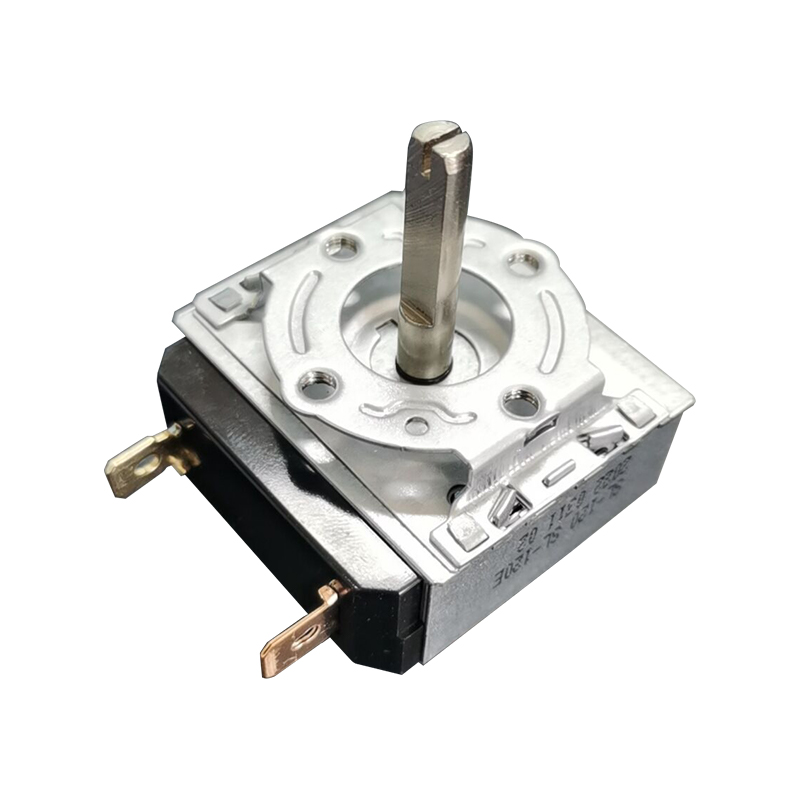
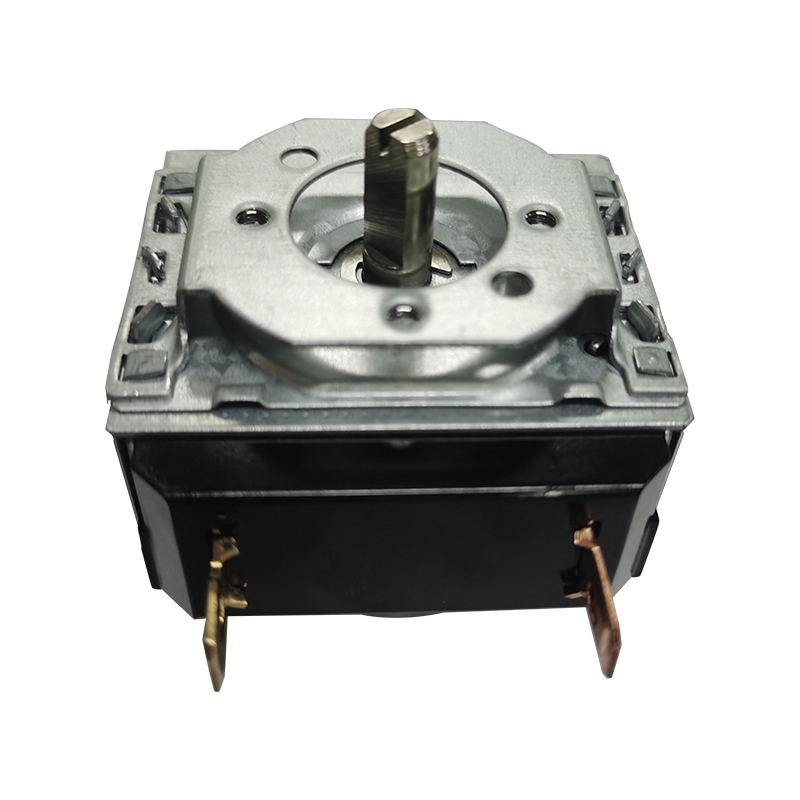
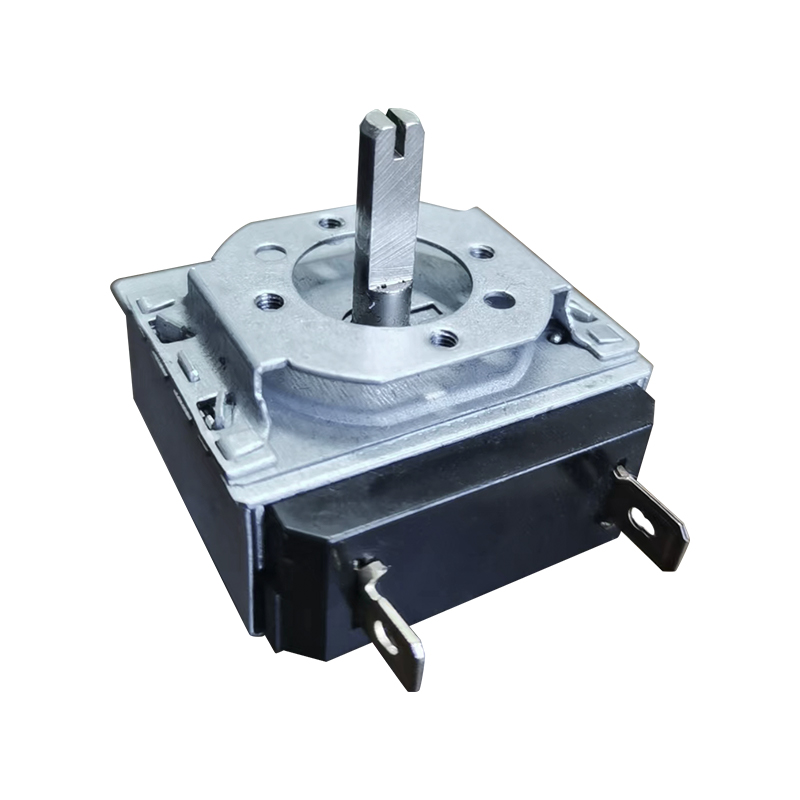
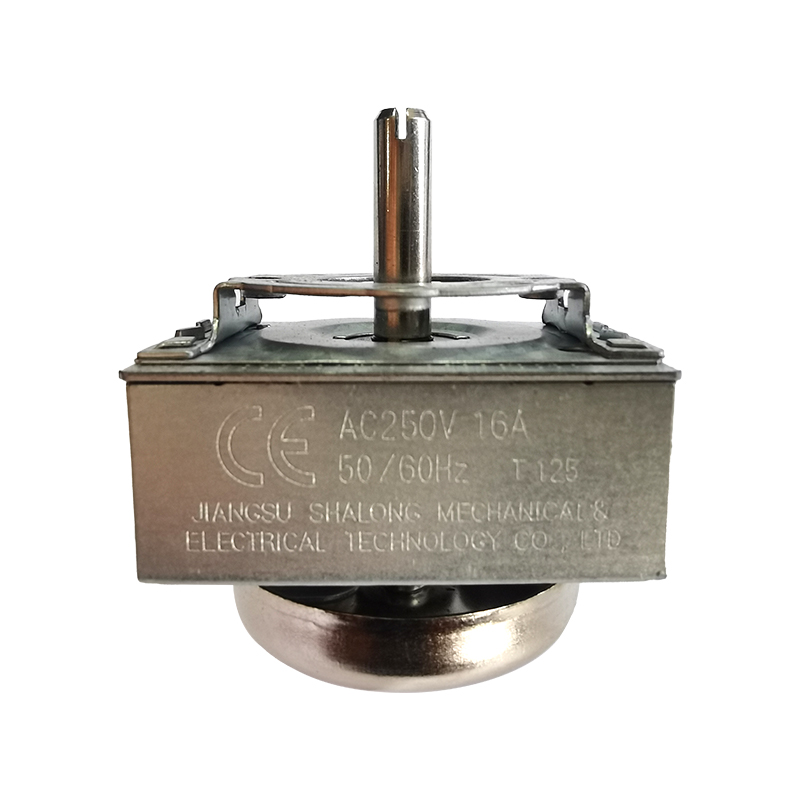
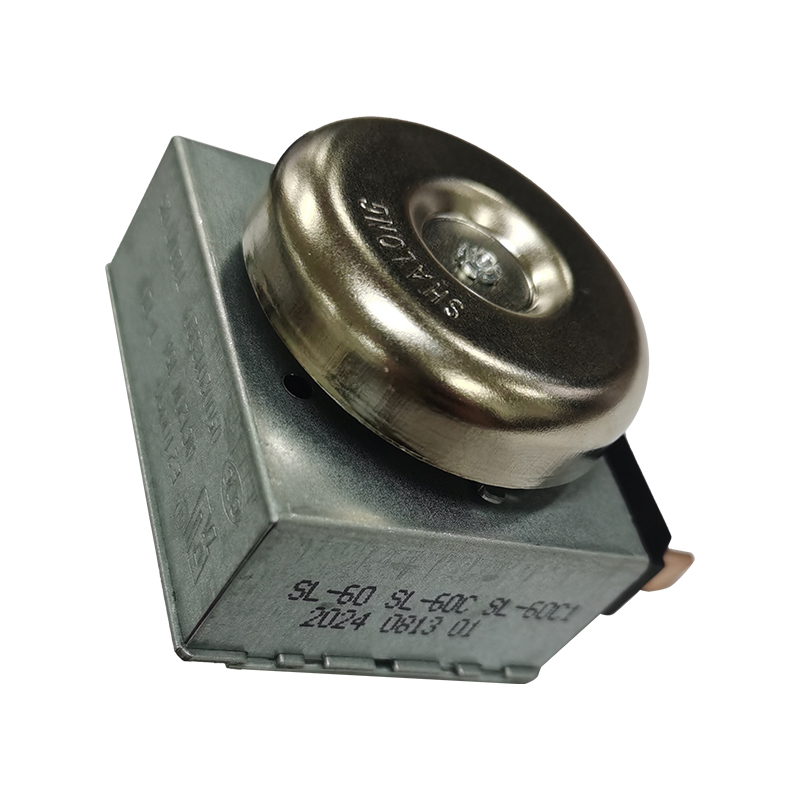
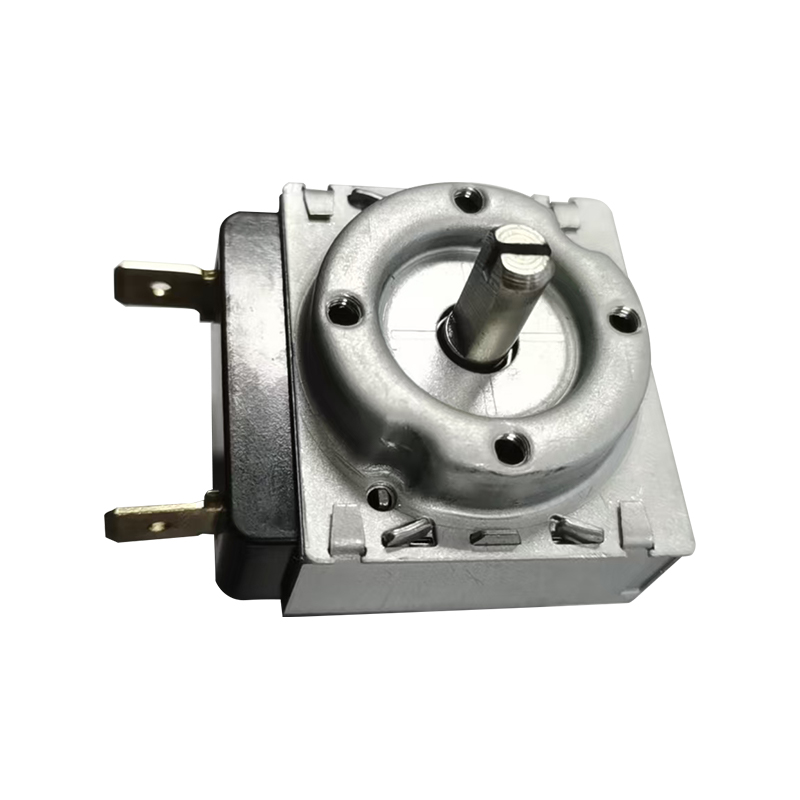
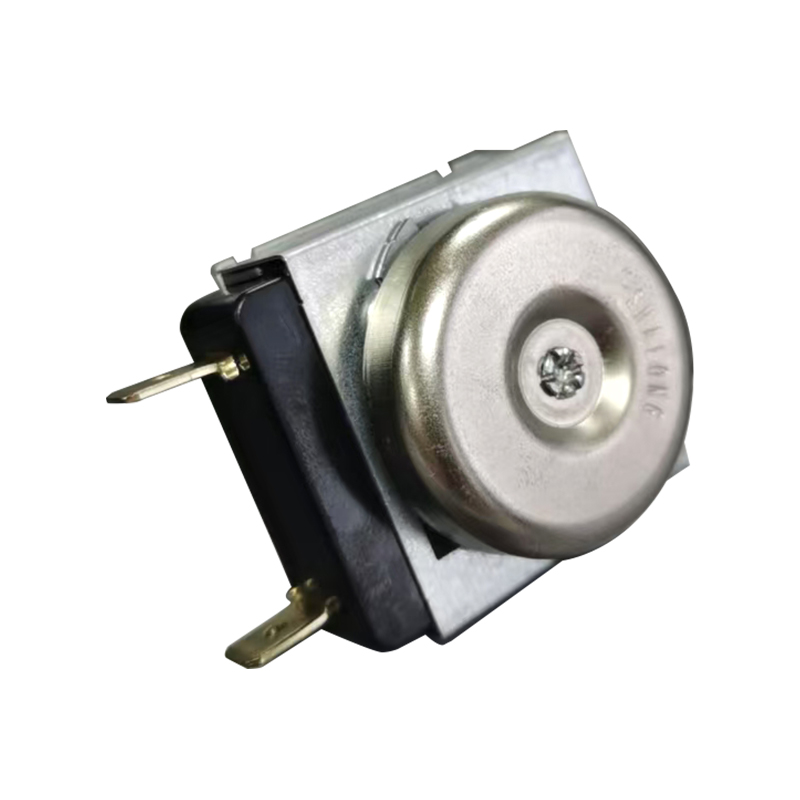
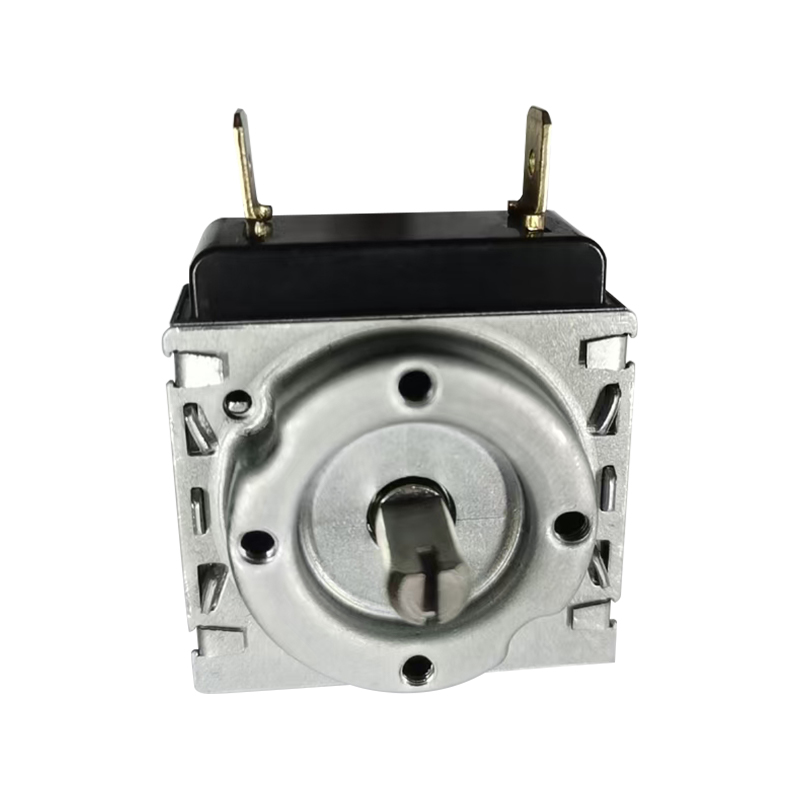
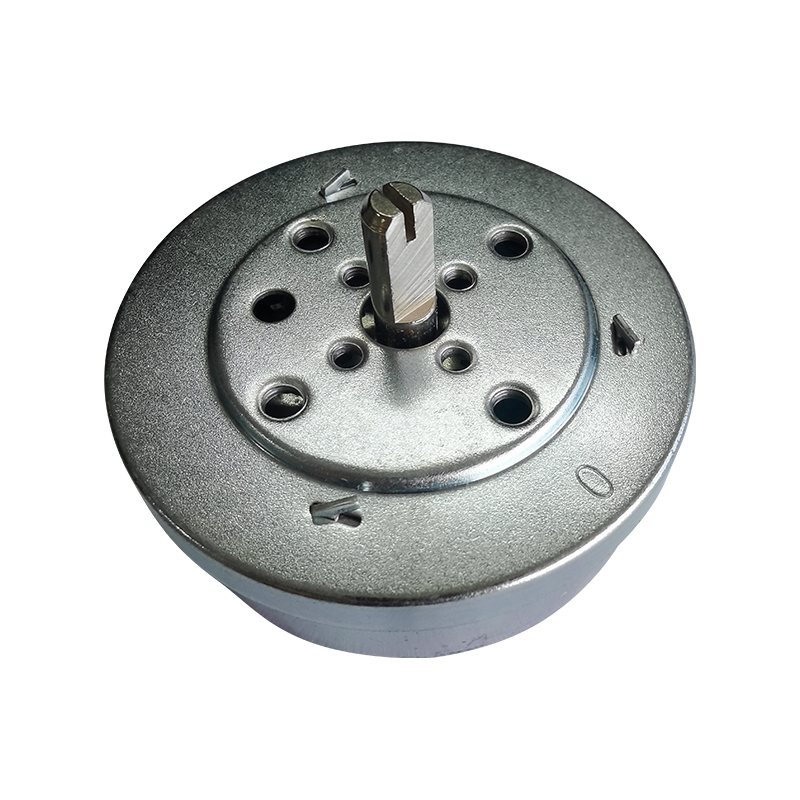
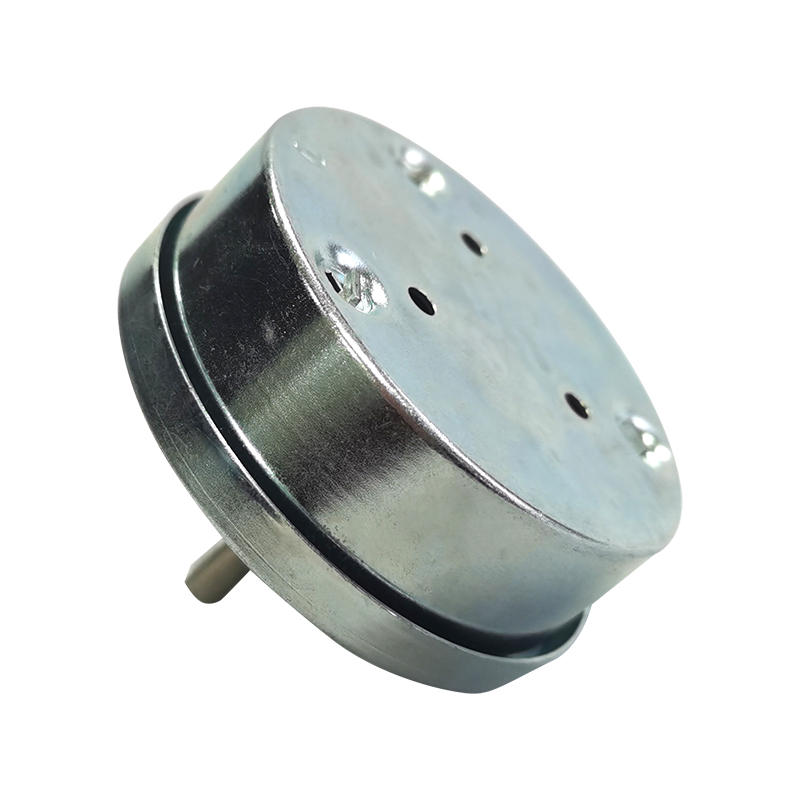
A metal mechanical timer is a switching device built around a metal gear train, a wound spring or motor driven mechanism, and a set of electrical contacts that open or close a circuit after a preset interval. Unlike purely electronic timing modules, metal mechanical timers do not rely on semiconductor components that can be sensitive to heat buildup, humidity, or voltage spikes, which is why they are widely used as home appliance parts in categories such as rice cookers, electric kettles, microwave ovens, air fryers, and small water heaters. The metal housing and gear structure allow these timers to operate reliably in high-temperature zones near heating elements, a condition where many plastic-bodied electronic timers would need additional heat shielding.
Because household appliance accessories are produced at high volumes and are expected to function for years without failure, appliance manufacturers generally evaluate timer components on three dimensions: mechanical life measured in switching cycles, temperature tolerance under continuous operation, and dimensional consistency across production batches. Metal mechanical timers that are designed and tested against industry standards tend to perform consistently across all three dimensions, which is one reason they remain a preferred choice for home appliance parts manufacturers who need predictable long-term performance rather than components that only perform well in short-term testing.
Another reason metal mechanical timers remain relevant is their mechanical simplicity. A gear driven timer mechanism has fewer failure points than a circuit board populated with multiple soldered components, and it does not require a stable power supply to keep time accurately once it has been wound or started. This makes metal mechanical timers particularly well suited to home appliance accessories that are used in regions with less consistent electrical grid quality, where voltage fluctuations could otherwise disrupt electronic timing circuits.
Core Performance Metrics of Metal Mechanical Timers
The chart below compares four core performance metrics commonly used to evaluate metal mechanical timers intended for home appliance accessories: rated switching cycles, maximum continuous operating temperature, contact load capacity, and timing accuracy tolerance. These metrics are typically drawn from internal reliability testing programs and are consistent with the general benchmarks referenced in household appliance component standards used across the industry.
This bar chart illustrates that a well built metal mechanical timer can withstand roughly one hundred thousand switching cycles before performance begins to drift outside tolerance, which translates into many years of daily use in a typical household appliance. The operating temperature bar shows that quality metal mechanical timers are commonly rated for continuous exposure near one hundred forty degrees Celsius, a level of heat resistance that matters directly for appliances such as rice cookers and water heaters where the timer sits close to a heating chamber. Contact load capacity, shown in amperes, indicates how much electrical current the timer contacts can safely switch without arcing or premature wear, which is especially relevant for home appliance accessories that control higher wattage heating elements. Timing accuracy close to ninety eight percent means the interval set by the user is reproduced consistently across repeated cycles, which is important for cooking appliances where a few minutes of drift can affect food preparation results. Taken together, these four metrics explain why metal mechanical timers continue to be specified as core home appliance parts rather than being fully replaced by electronic alternatives in cost sensitive, high heat, or high vibration product categories.
Industry Growth Trends for Home Appliance Parts and Accessories
According to general trend data published by industry associations that track household appliance component manufacturing, demand for home appliance parts including mechanical timing components has grown steadily over the past several years, supported by rising small appliance ownership and continued export activity from Chinese manufacturing regions. The area chart below presents an illustrative view of this growth pattern across a six year period.
The upward slope of this area chart reflects a broad industry pattern in which demand for home appliance parts, including timer components used in small kitchen and water heating appliances, has expanded year over year rather than remaining flat. This growth is generally attributed to increasing household ownership of small electric appliances in both domestic and export markets, combined with replacement demand as older appliances reach end of life. For manufacturers of home appliance accessories, this steady growth pattern means that component reliability becomes even more important, since a higher volume of units in the field increases the total exposure to potential timer failures if quality is inconsistent. The relatively smooth upward curve, rather than a sharp spike, also suggests that this is a durable long term trend rather than a short lived surge tied to a single event. This trend supports continued investment in mechanical timer research and production capacity, which is consistent with how established manufacturers of metal mechanical timers have expanded their facilities over time to keep pace with rising demand for home appliance parts.
Application Distribution of Metal Mechanical Timers Across Appliance Categories
Metal mechanical timers are not used in a single appliance type; they are distributed across a range of home appliance accessories, each with different heat, humidity, and duty cycle requirements. The donut chart below shows an approximate distribution of where metal mechanical timers are most commonly applied.
This donut chart shows that rice cookers represent the single largest application category for metal mechanical timers, which makes sense given how central timed cooking cycles are to that product category and how long these appliances typically remain in active household use. Water heaters form the second largest segment, reflecting the need for accurate, heat tolerant timing components in appliances that operate near hot water and steam for extended periods. Microwave ovens and air fryers each represent a meaningful share, since both categories rely on precise timing to control cooking duration and avoid overheating of food or components. The remaining share, grouped as other small appliances, includes a variety of household appliance accessories where timing control supports safe and predictable operation. This distribution highlights why a single metal mechanical timer design cannot serve every appliance category equally well, and why manufacturers typically offer multiple timer variants tailored to different temperature, load, and duty cycle requirements across their range of home appliance parts.
Reliability Comparison Across Timer Performance Dimensions
Reliability is rarely a single number; it is better understood as a profile across several performance dimensions. The radar chart below compares a standard metal mechanical timer across five dimensions commonly used in household appliance accessory testing: heat resistance, mechanical durability, timing precision, moisture resistance, and vibration tolerance.
The radar chart shows a relatively balanced reliability profile, with heat resistance and mechanical durability extending furthest from the center, indicating that these two dimensions tend to be the strongest characteristics of a well built metal mechanical timer. Timing precision and moisture resistance sit slightly closer to the center, which reflects the reality that precision timing under humid conditions is a harder engineering problem, though still within acceptable tolerance for household appliance accessories. Vibration tolerance is also strong, which matters for appliances that experience physical movement during operation, such as being lifted, tilted, or placed on uneven surfaces. A balanced profile like this, rather than one with a single very high spike and several very low points, generally indicates a more dependable component overall, since appliances are rarely exposed to only one type of stress in real world use. This kind of multi-dimension testing approach is consistent with the way reliability engineering is typically documented in appliance component industry standards, where no single metric is treated as sufficient on its own when evaluating home appliance parts.
Common Failure Modes in Timer Components and How Metal Mechanical Timers Reduce Them
Understanding common failure modes helps explain why metal mechanical timers remain a trusted choice for home appliance parts. The most frequently reported issues in timing components across the appliance industry include contact wear from repeated arcing, gear train fatigue after extended cycling, housing deformation under sustained heat exposure, and moisture ingress that leads to corrosion of internal metal parts. Each of these failure modes can shorten the effective service life of a household appliance accessory if the underlying timer is not designed with sufficient margin.
Metal mechanical timers address contact wear through the use of durable contact alloys and mechanical designs that reduce arcing during switching, which extends the practical cycle life well beyond the point where lower quality components would begin to fail. Gear train fatigue is minimized through the use of hardened metal gears produced on precision hobbing equipment, since dimensional consistency in the gear teeth directly affects how evenly load is distributed during each rotation. Housing deformation is addressed by selecting metal housing materials rated for the specific temperature range of the target appliance, rather than using a generic housing across all home appliance parts regardless of application. Moisture related corrosion is reduced through protective plating or coating processes applied to internal metal components, which is particularly important for home appliance accessories used in water heaters or humid kitchen environments.
Appliance manufacturers evaluating a new timer supplier should ask specifically how each of these four failure modes is addressed in the supplier's design and testing process, rather than accepting general reliability claims without supporting detail. A supplier able to describe concrete engineering measures against contact wear, gear fatigue, heat related deformation, and moisture ingress is generally better positioned to deliver consistent metal mechanical timers across large production volumes of home appliance parts.
Maintenance and Handling Best Practices for Timer Components in Home Appliance Accessories
Although metal mechanical timers are designed for long service life with minimal maintenance, proper handling during assembly and storage still affects overall performance once the timer becomes part of a finished household appliance. Appliance assembly teams should avoid applying excessive torque when mounting a timer into an appliance chassis, since over-tightening can distort the housing and interfere with smooth gear rotation. Timers should also be stored in dry conditions prior to assembly, since prolonged exposure to high humidity before installation can affect internal lubrication and contact surfaces even before the appliance reaches the end user.
Store metal mechanical timers in a dry, temperature stable environment prior to installation.
Avoid dropping or applying sudden impact to timer housings during handling.
Follow the recommended mounting torque specification provided by the timer manufacturer.
Perform a functional test of the timer after installation, before final appliance assembly is completed.
Keep a record of batch numbers for installed timers to support traceability if a quality issue arises later.
Following these handling practices helps ensure that the reliability built into a metal mechanical timer during manufacturing is preserved through to the finished home appliance part, rather than being compromised during assembly. This is particularly relevant for appliance manufacturers producing home appliance accessories at high volume, where small handling errors repeated across thousands of units can meaningfully affect overall product reliability.
How to Select the Right Metal Mechanical Timer for Home Appliance Parts
Selecting the right metal mechanical timer for a specific home appliance part involves matching the timer specification to the actual operating conditions of the appliance rather than choosing based on a single headline number. The table below outlines the main selection criteria that appliance manufacturers typically review before finalizing a timer component for household appliance accessories.
Table 1: Key selection criteria for metal mechanical timers in home appliance parts
Criteria
Why It Matters
Typical Requirement
Operating Temperature
Prevents gear and contact degradation near heating elements
Above 120 C for cooking appliances
Switching Cycle Life
Determines expected service life of the appliance
60,000 to 100,000 cycles
Contact Load Rating
Ensures safe switching of heating element current
10 to 16 amperes
Housing Material
Affects corrosion resistance in humid environments
Corrosion resistant metal alloy
Mounting Dimensions
Ensures compatibility with existing appliance chassis
Standardized panel cutout sizes
Beyond the table above, appliance manufacturers should also request sample testing data from the timer supplier, including cycle life test reports and temperature endurance test results, rather than relying only on catalog specifications. Requesting third party or internal lab verification of switching cycle life is one of the most effective ways to avoid premature field failures in household appliance accessories. It is also worth confirming whether the timer manufacturer produces its own tooling and precision components in house, since suppliers that control their own gear cutting and stamping processes generally have tighter dimensional consistency across production batches, which directly affects long term reliability of home appliance parts.
Confirm the rated operating temperature range against the appliance internal thermal profile.
Verify switching cycle life through documented lab test reports.
Match contact load rating to the actual current draw of the heating element.
Check housing material for corrosion resistance if the appliance operates in humid conditions.
Confirm mounting dimensions match the existing appliance chassis design.
Manufacturing Standards and Quality Control for Metal Mechanical Timers
Consistent quality in metal mechanical timers depends heavily on the manufacturing process used to produce the gear train, spring mechanism, and metal housing components. Manufacturers that operate their own precision tooling, including small modulus hobbing machines and high speed stamping molds, are generally able to maintain tighter tolerances across large production batches compared to manufacturers that outsource these core processes. In-house tooling also allows faster iteration when an appliance manufacturer requires a modified timer design for a new home appliance part, since tooling changes do not depend on a third party supplier's production schedule.
Quality control for metal mechanical timers typically includes multiple stages of inspection: incoming raw material verification, in-process dimensional checks during gear cutting and stamping, functional testing of assembled timers under simulated operating temperature, and final batch sampling before shipment. Timers that pass through documented multi-stage inspection processes tend to show significantly lower field failure rates compared to components that rely only on final assembly testing. For appliance manufacturers sourcing home appliance accessories at scale, requesting documentation of a supplier's quality control process, including inspection equipment and testing protocols, is a practical step toward reducing long term warranty and service costs.
Standards drafting participation is another useful indicator when evaluating a metal mechanical timer supplier. Manufacturers that contribute to the drafting of industry technical standards for timer components generally maintain internal testing and documentation practices that meet or exceed the requirements set out in those standards, since the drafting process itself requires detailed technical justification for each specified parameter. This level of involvement is a meaningful signal of technical depth for buyers sourcing home appliance parts at an industrial scale.
Export Markets and Global Application of Home Appliance Parts
Metal mechanical timers produced in China are widely exported to support household appliance accessory production and aftermarket replacement demand in many regions around the world. Export destinations for this category of home appliance parts commonly include markets in the Middle East, South America, Southeast Asia, and parts of Europe, where climate conditions such as high ambient temperature or humidity make the heat and moisture resistance of metal mechanical timers particularly valuable. Manufacturers supplying these export markets typically need to demonstrate compliance with relevant international safety and performance testing requirements before their home appliance accessories can be certified for sale in a given region.
For appliance brands operating across multiple export markets, sourcing metal mechanical timers from a supplier with established export experience can reduce certification friction, since the supplier is more likely to already understand the documentation and testing expectations of different regional markets. This is one reason why appliance manufacturers often prefer to work with timer suppliers that have a demonstrated track record of shipping home appliance parts internationally, rather than suppliers whose experience is limited to a single domestic market.
About Jiangsu Shalong Mechanical and Electrical Technology Co., Ltd.
Jiangsu Shalong Mechanical and Electrical Technology Co., Ltd. was founded in 1991 and is a professional manufacturer of high-temperature-resistant metal mechanical timers, as well as a drafting unit of industry standards for this product category. The company has been deeply involved in this industry for more than thirty years, and through continuous practical accumulation and technological innovation, it has established itself as a high-tech enterprise specializing in the research, development, production, and sales of mechanical timers and household appliance circuit board products.
The company is located in the Jingjiang Economic and Technological Development Park along the Yangtze River, with a registered capital of 28 million yuan, over 40,000 square meters of self-built factory buildings, more than 1,000 sets of research, production, and inspection equipment, and over 800 employees, including more than 80 engineering and technical personnel. The company independently develops and manufactures its own small modulus hobbing machines, automated processing equipment, and high-speed continuous stamping molds used in timer production, and holds several related technical patents. This level of in-house capability supports the high quality, high performance, and high stability that has helped the company build long-term cooperative relationships with well known electrical appliance manufacturers, while its products are also exported to markets including South Korea, Turkey, Brazil, Saudi Arabia, and Egypt.
Frequently Asked Questions About Metal Mechanical Timers
Q1: What makes metal mechanical timers different from electronic timer modules?
Metal mechanical timers use a gear and spring based switching mechanism rather than semiconductor circuitry, which allows them to tolerate higher temperatures and more physical vibration without loss of accuracy over their rated switching cycle life.
Q2: Which home appliance parts commonly use metal mechanical timers?
Metal mechanical timers are commonly used in rice cookers, water heaters, microwave ovens, air fryers, and various other small household appliances that require reliable timed switching of heating elements or motors.
Q3: How long does a typical metal mechanical timer last under normal use?
A well built metal mechanical timer is generally rated for tens of thousands of switching cycles, which under typical household appliance usage patterns can translate into several years of reliable daily operation.
Q4: What operating temperature can metal mechanical timers withstand?
High-temperature-resistant metal mechanical timers are commonly rated for continuous operation near one hundred forty degrees Celsius, which supports use in appliances where the timer is positioned close to a heating chamber.
Q5: How should appliance manufacturers verify timer reliability before sourcing?
Manufacturers should request documented cycle life test reports, temperature endurance test data, and information on the supplier's in-house quality control process rather than relying only on catalog specifications.
Q6: Can metal mechanical timer designs be customized for specific home appliance accessories?
Yes, manufacturers with in-house tooling capability, including precision gear cutting and stamping equipment, can typically adjust timer dimensions, mounting configurations, and switching parameters to match a specific appliance chassis design.
Q7: What handling precautions protect metal mechanical timers during assembly?
Timers should be stored in dry conditions, mounted using the recommended torque specification, and functionally tested after installation to preserve the reliability built into the component during manufacturing.
Q8: Are metal mechanical timers suitable for export to humid or high temperature regions?
Yes, metal mechanical timers with corrosion resistant housing and high temperature ratings are well suited to export markets with humid or hot climates, provided the specific product model matches the target region's environmental conditions.
Time setting: 15', 20', 30', 60' or customized (such as 90 min)Applicable: Oven/Electric Pressure Cooker/Kitchen MachineContact capacity: AC 120V 15A;...
Time setting: 15', 20', 30', 60' or customized (such as 90 min)Applicable: Oven/Electric Pressure Cooker/Kitchen MachineContact capacity: AC 120V 15A;...
Time setting: 15', 20', 30', 60' or customized (such as 90 min)Applicable: Oven/Electric Pressure Cooker/Kitchen MachineContact capacity: AC 120V 15A;...



 English
 中文简体
中文简体