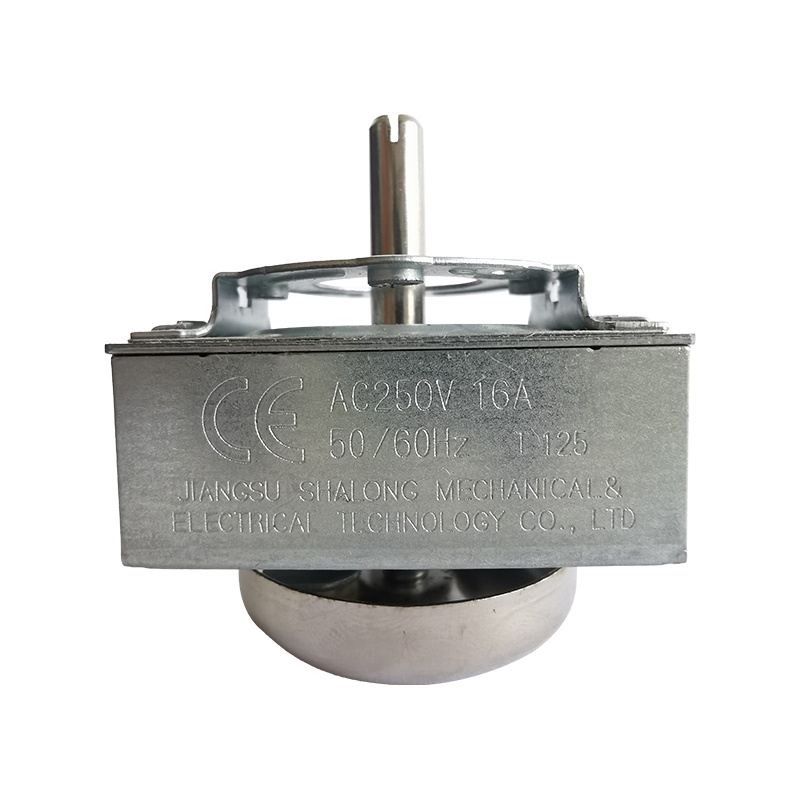
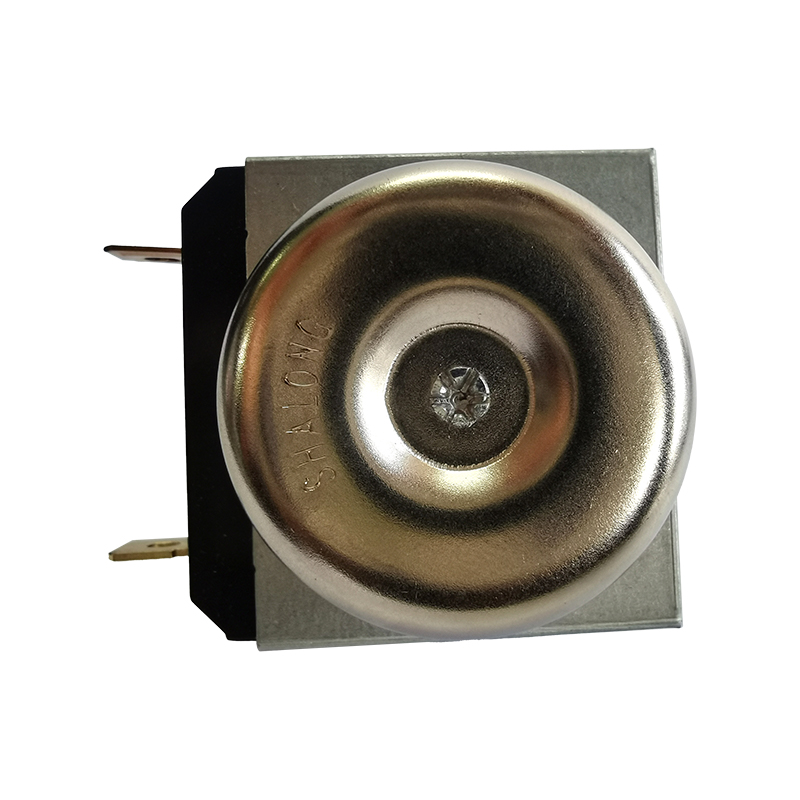
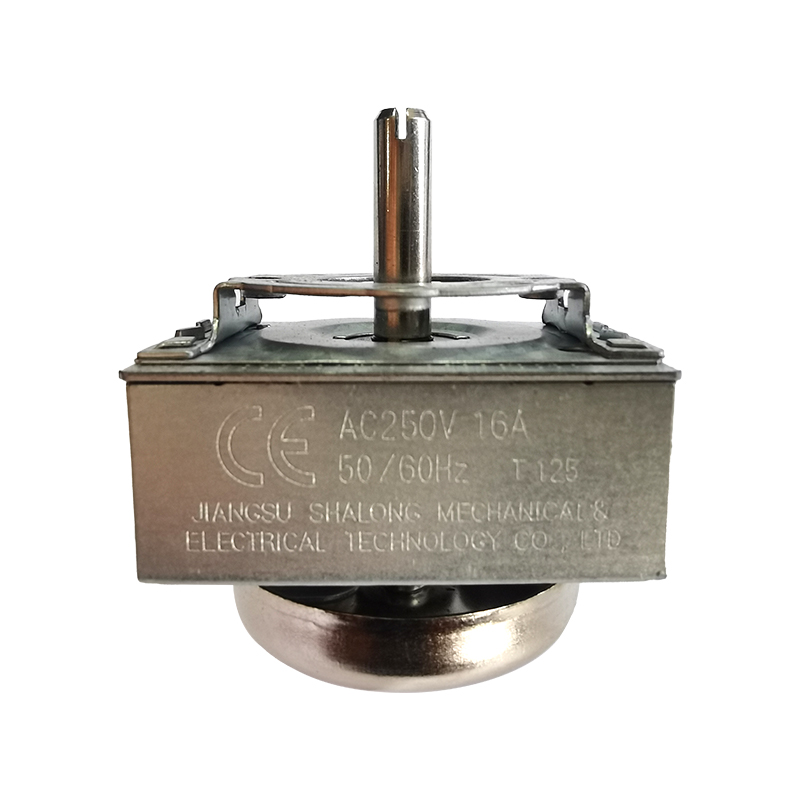
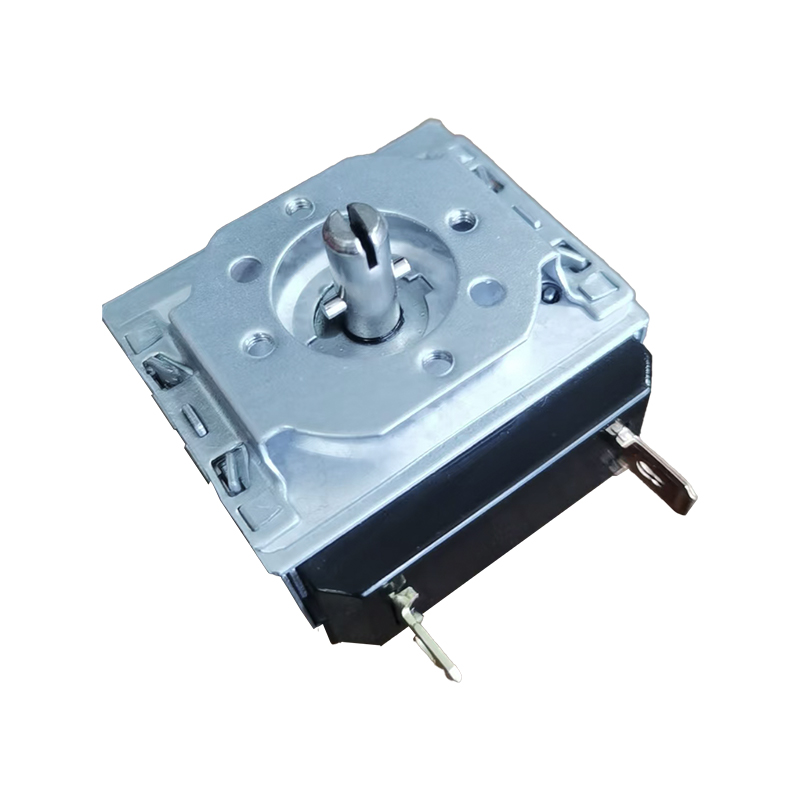
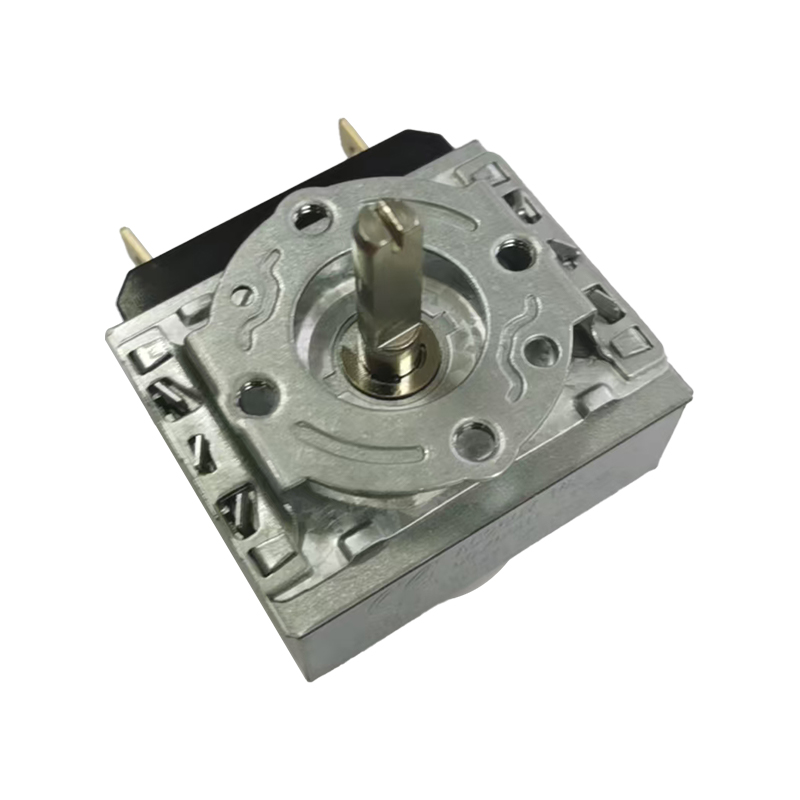
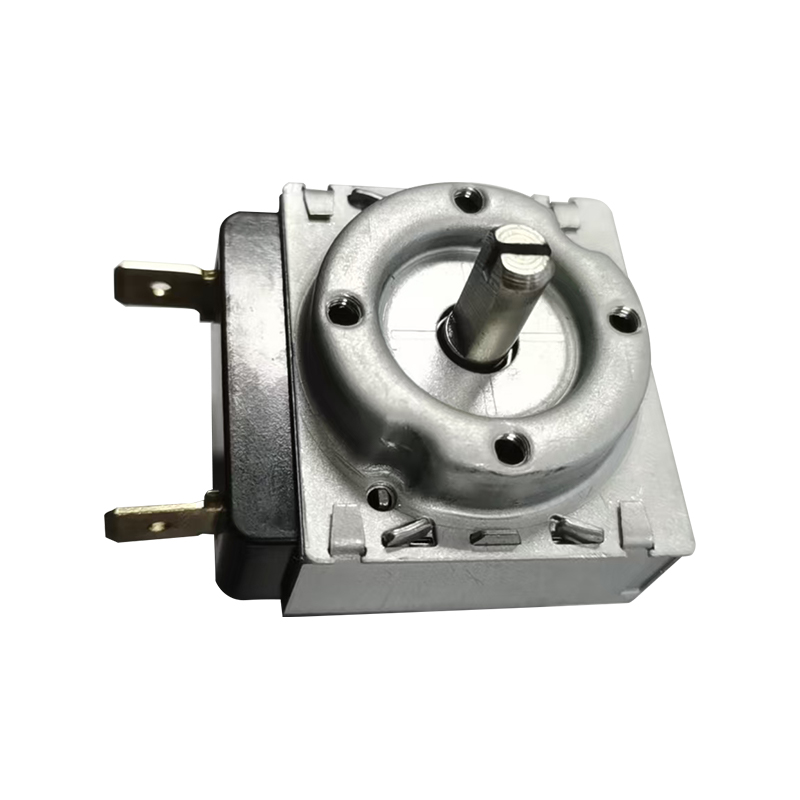
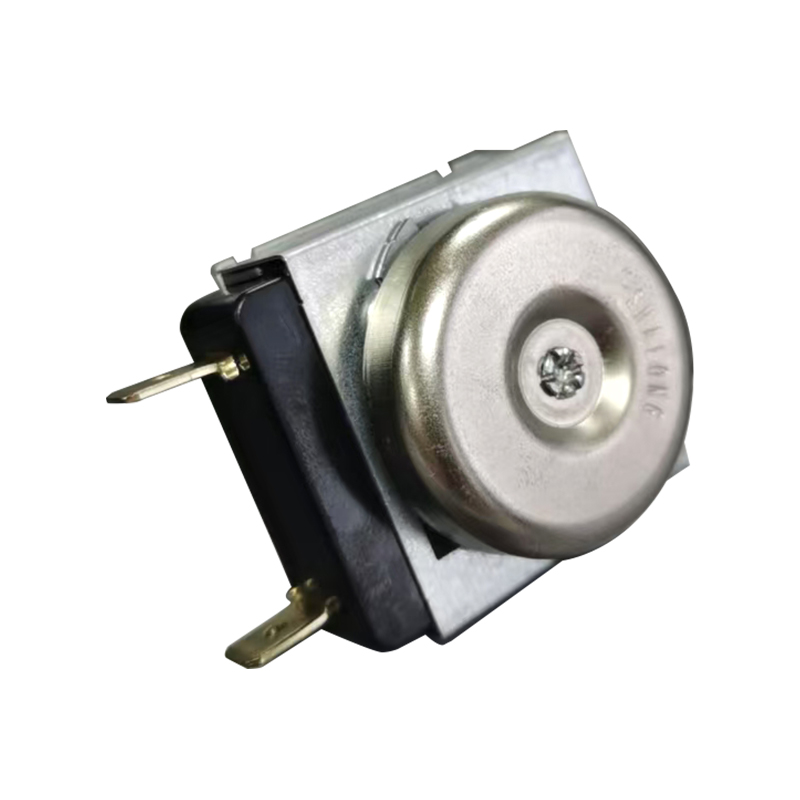
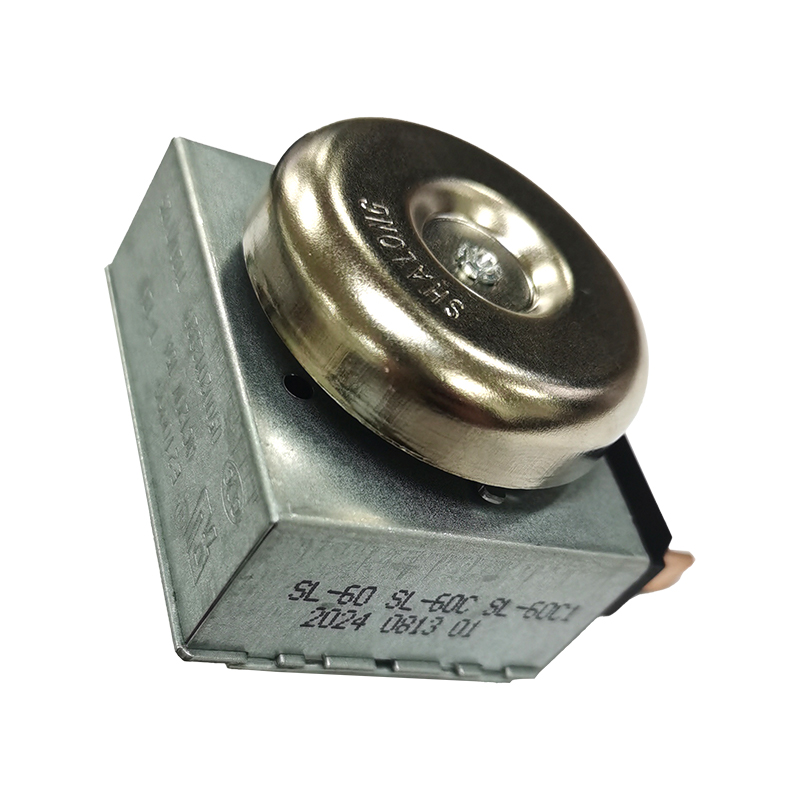
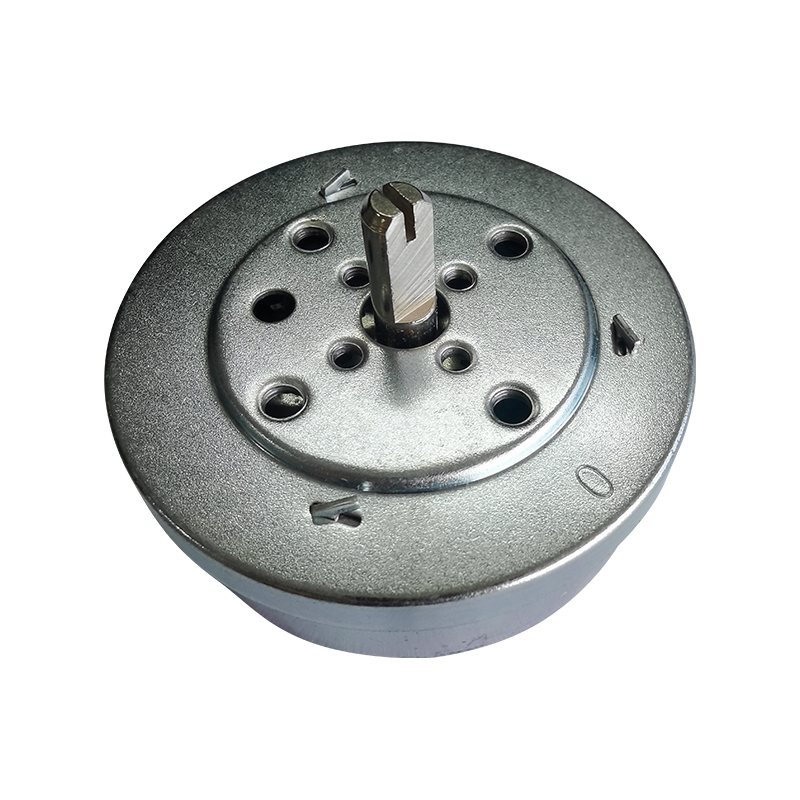
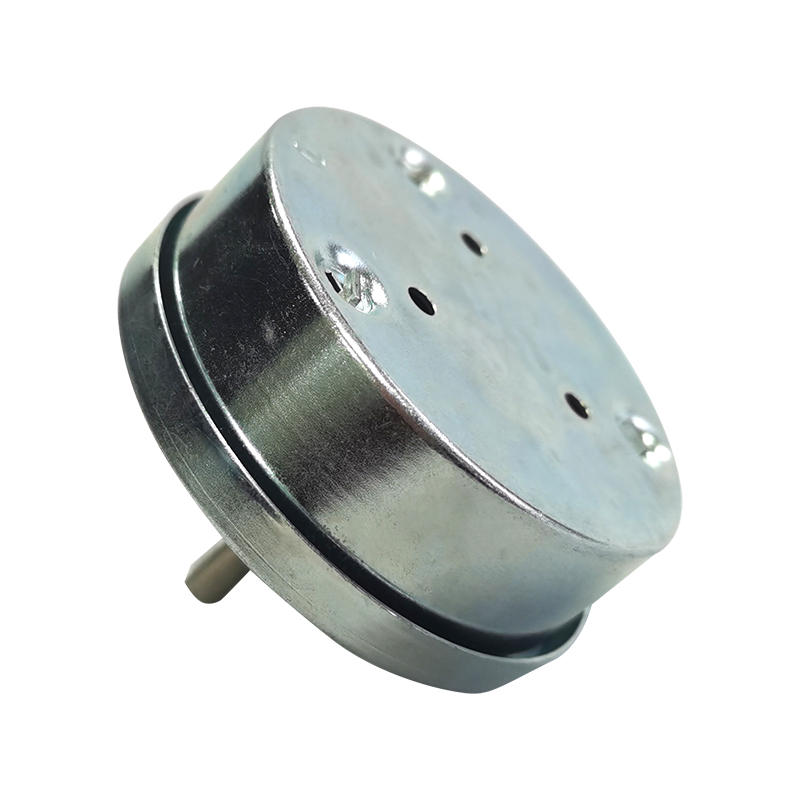
The selection of a Small Size Precision Mechanical Timer directly affects the timing accuracy and operational safety of the equipment. Different application environments have varying requirements for timer precision, load capacity, mounting method, and durability. Proper selection can effectively prevent equipment failure and reduce maintenance costs.
Timing Accuracy and Time Range Matching
When choosing a Small Size Precision Mechanical Timer, first clarify the required timing accuracy and time range: Short-time control (1 second to 10 minutes): suitable for small laboratory equipment or household appliances. Medium-time control (10 minutes to several hours): suitable for industrial automation equipment or mechanical cyclic operations. High-precision requirement (±1%): for precision laboratory instruments or metering devices.
Example: Laboratory centrifuges usually require ±1% accuracy, while household fans or kitchen timers can tolerate ±5% error.
Working Voltage and Load Type Adaptation
The timer must match the device’s power supply: AC (alternating current) or DC (direct current). Load type also affects timer selection: resistive, inductive, or motor loads have different requirements. Overloading can cause contact burning or timing errors.
| Load Type |
Suitable Scenario |
Recommended Timer Feature |
| Resistive |
Electric heating equipment |
Standard contacts |
| Inductive |
Motors, relays |
Reinforced contacts, high impact resistance |
| Motor load |
Small machinery |
High-durability spiral gear design |
Size and Mounting Method
The timer’s dimensions must match the available device space: Mounting options include screw fixing or snap-in installation. Operation methods can include knobs, buttons, or sliders. Small Size Precision Mechanical Timers generally have a thickness ≤30mm for panel embedding.
Example: Desktop laboratory instruments use knob-type embedded installation to save space and allow precise adjustment.
Durability, Environmental Adaptability, and Lifespan
The lifespan of a precision mechanical timer depends on contact material and gear design: High-quality models can withstand over 300,000 operation cycles. Environmental factors such as high temperature, high humidity, or vibration accelerate wear.
Reference: Industrial-grade small mechanical timers typically have a contact-rated lifespan of 3–5 years under normal daily use.
Environmental adaptability and safety design include: Dustproof, moisture-proof, and anti-vibration structures for long-term stability; Heat-resistant materials and sealed structures for high-temperature environments; Corrosion and electromagnetic interference protection for industrial environments; Basic protection for household environments to reduce cost.
Additional Functions and Operational Convenience
Additional functions include: Fine-tuning knobs for precise second- or minute-level control; Cycle/delay functions for continuous operation or delayed start; NO (normally open) / NC (normally closed) contact design; Indicator lights or alarm signals for easy status monitoring.
Example: An automatic stirring device uses a Small Size Precision Mechanical Timer to start operation after a 3-minute delay, improving operational safety.
Practical Selection Reference Table
| Selection Parameter |
Recommended Standard |
Application Description |
| Timing Accuracy |
±1%~±5% |
Choose ±1% for high-precision equipment |
| Time Range |
1 second to several hours |
Select according to operational needs |
| Voltage Type |
AC 110–240V / DC 12–24V |
Match with equipment |
| Load Type |
Resistive / Inductive / Motor |
Confirm rated current |
| Mounting Method |
Screw / Embedded / Snap-in |
Based on panel size |
| Durability |
≥300,000 operations |
Ensure long-term reliability |
| Additional Functions |
Cycle, Delay, Indicator |
Improve operational convenience |
Selection of a Small Size Precision Mechanical Timer should focus on: accuracy, load, voltage, durability, and environmental adaptability. Correct selection ensures precise timing, extends service life, reduces maintenance costs, and provides reliable performance in industrial automation, household appliances, and laboratory research. Choosing a high-quality Small Size Precision Mechanical Timer is essential for efficient, stable, and safe equipment operation.



 English
 中文简体
中文简体