Home / News / Industry News / How Do You Choose a Reliable Circular Mechanical Timer For Oven?
How Do You Choose a Reliable Circular Mechanical Timer For Oven?
A Circular Mechanical Timer For Oven Suppliershould be selected based on in-house tooling capability, documented testing procedures, and the ability to supply clear technical drawings, rather than on price alone. In short, the reliability of a circular mechanical oven timer depends far more on gear precision, cam design, and factory calibration than on any single external certification, which is why buyers evaluating a new source of supply should ask to see the manufacturer's actual production process before placing an order. This article walks through how circular mechanical oven timers work, how to approach a circular mechanical timer for oven replacement, how to read a circular mechanical timer for oven manual, and what separates a capable supplier from one that simply resells generic components, supported by data visualizations and a labeled technical diagram.
What a Circular Mechanical Timer For Oven Actually Does
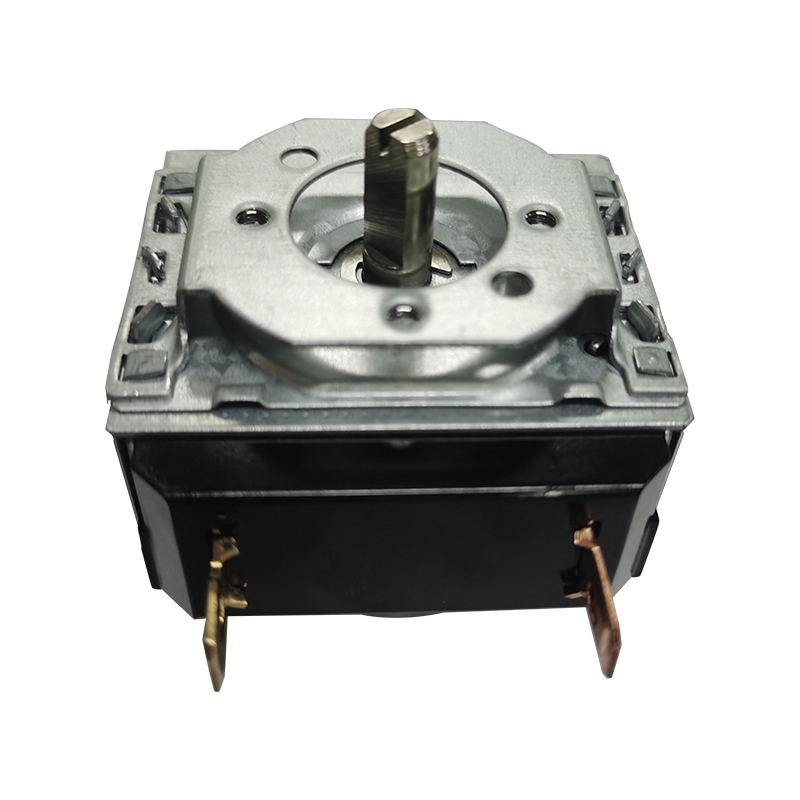
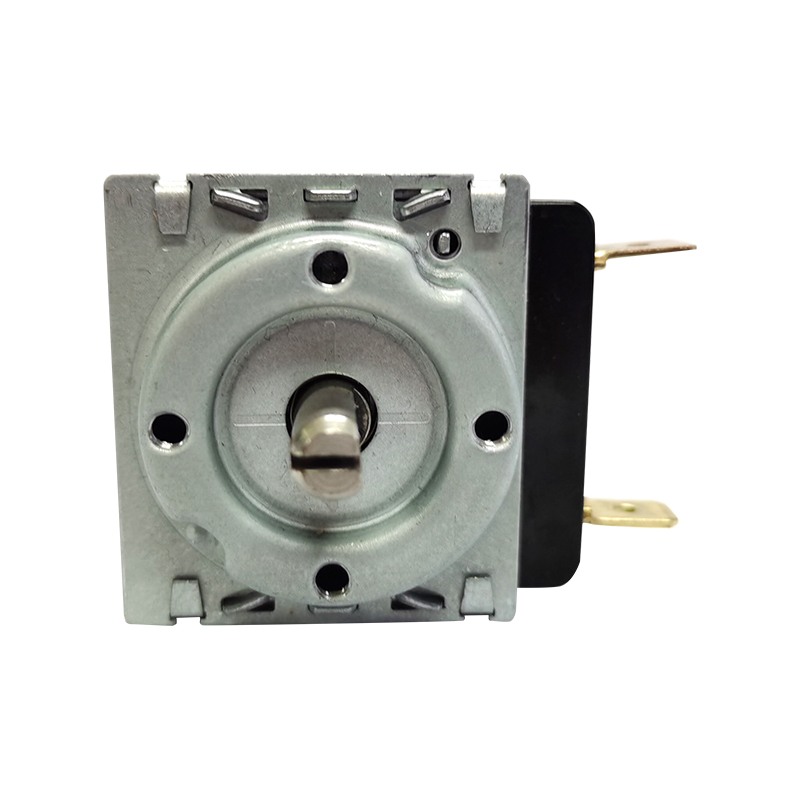
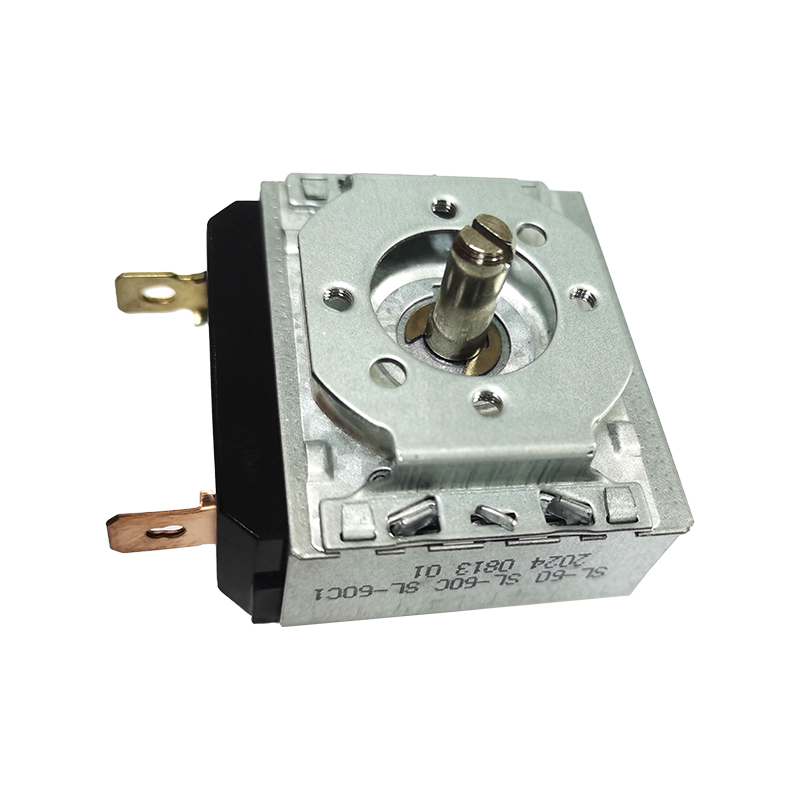
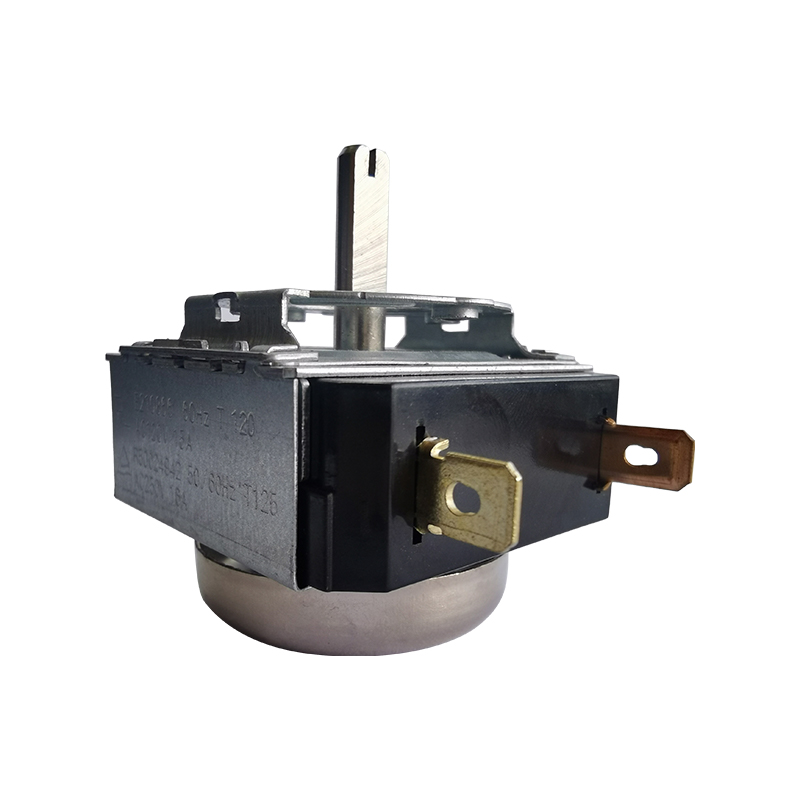
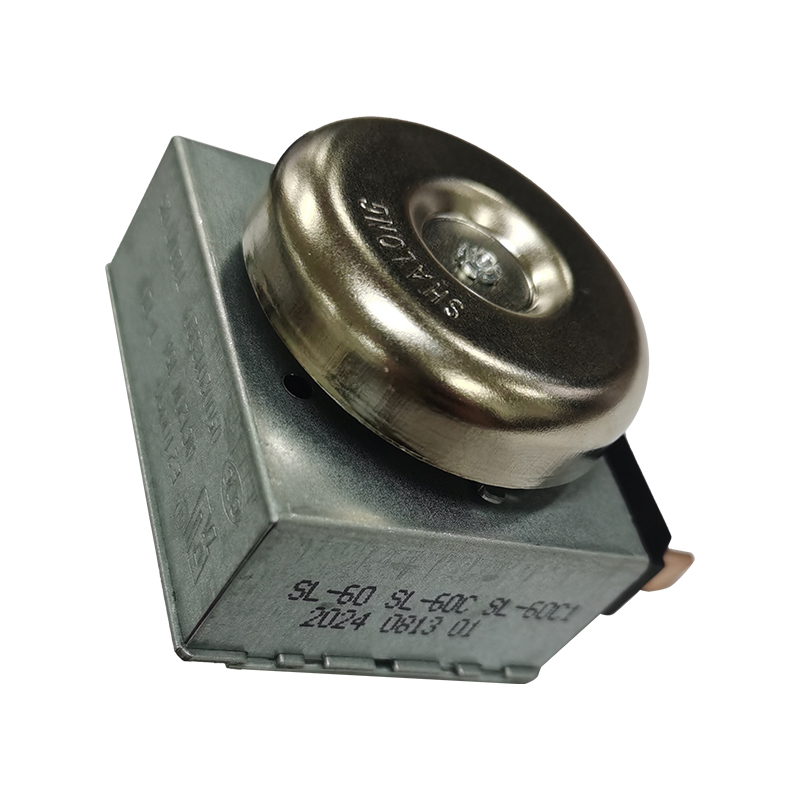
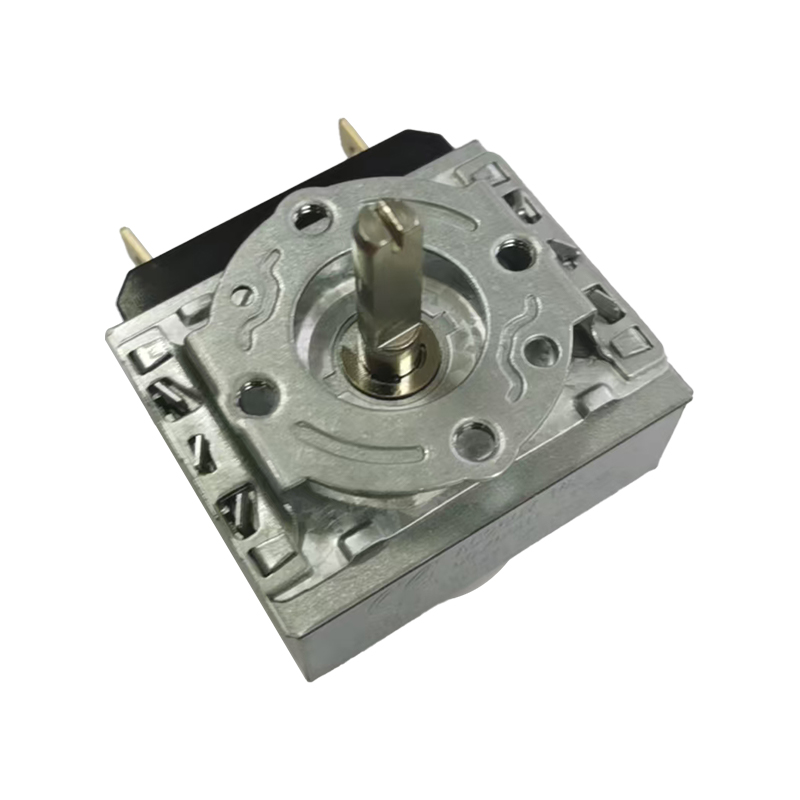
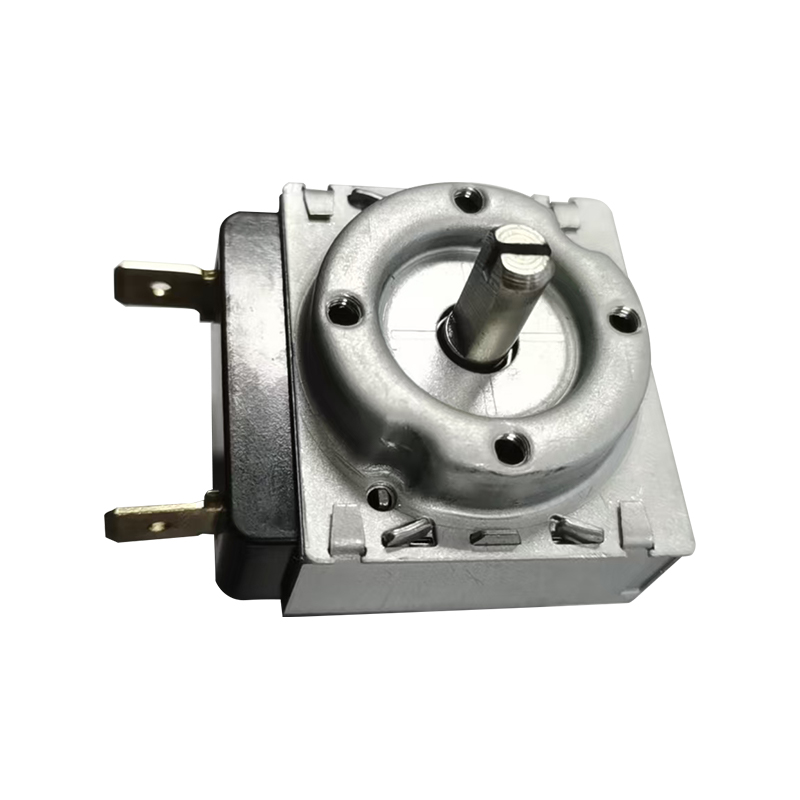
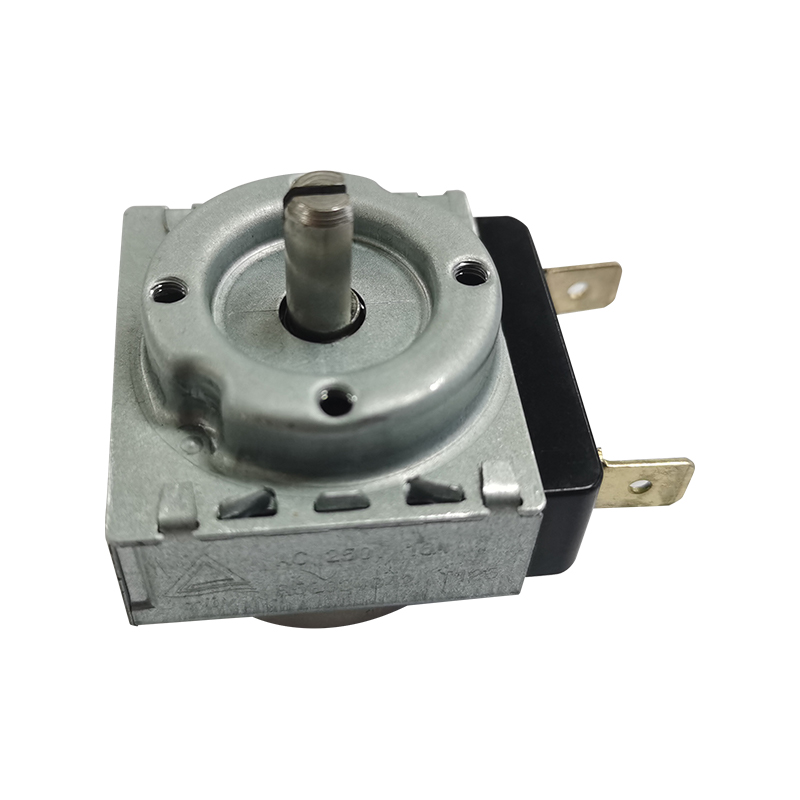
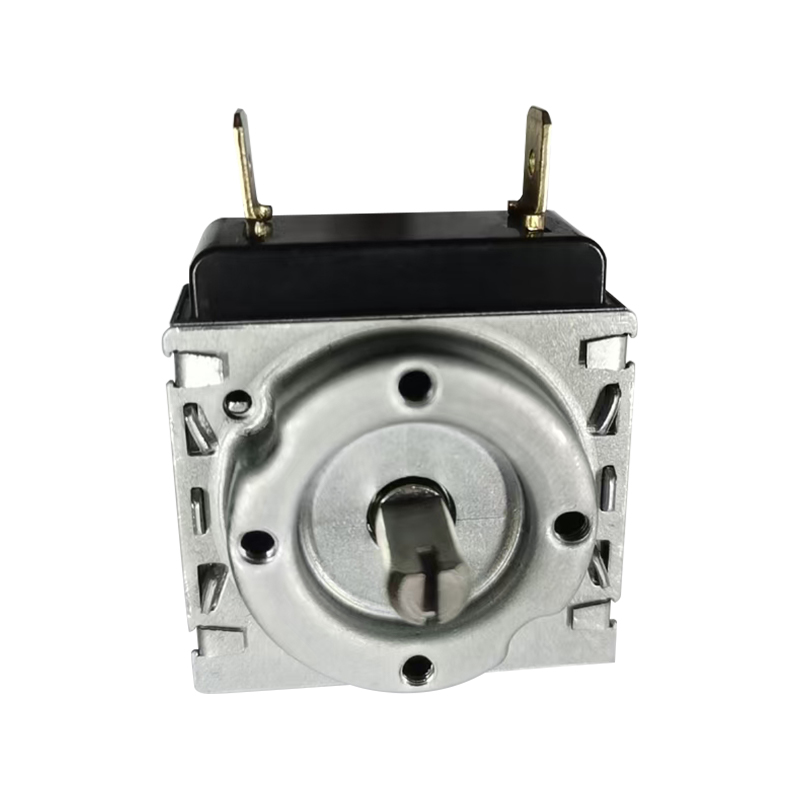
A circular mechanical timer for oven applications is a round-dial, spring or synchronous motor driven component that controls the cooking duration of an oven, range, or similar cooking appliance without relying on digital control logic. The circular dial format allows the user to rotate the knob to a desired position on a 360-degree scale, after which an internal cam gradually returns to the zero position, physically opening the switch contact and cutting power, or triggering an audible signal, at the end of the set interval. This mechanism has remained popular in oven design for decades because it is intuitive to operate, easy to visually confirm from across a kitchen, and tolerant of the heat and vibration present near a cooking cavity.
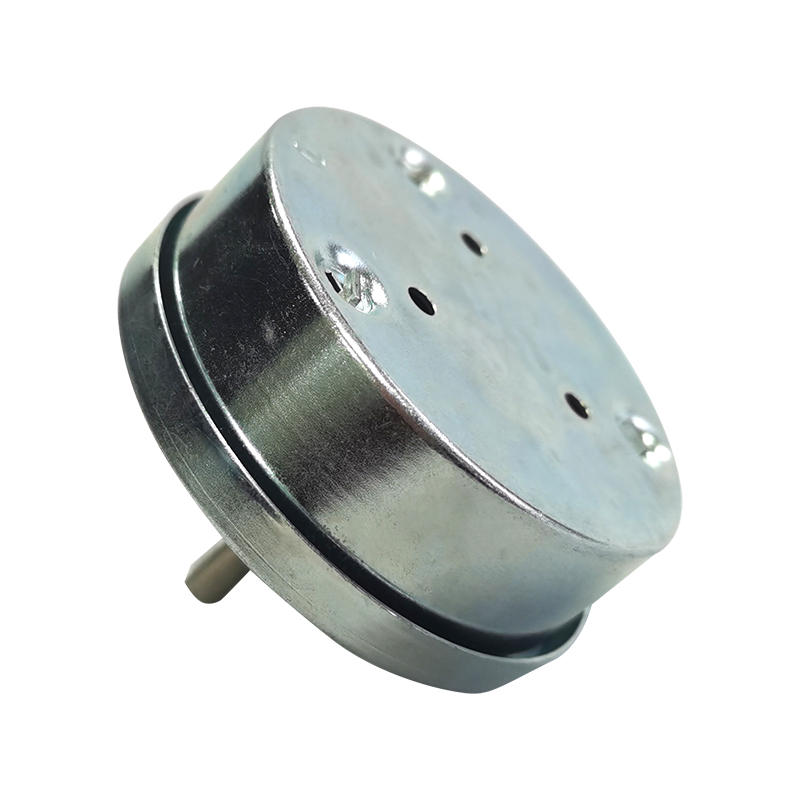
Because ovens generate sustained heat during operation, the internal components of a circular mechanical timer for oven use are typically built from metal gears and heat-tolerant housings rather than standard plastic components used in lower-temperature appliances. Analog Timers of this circular format are also frequently required to fit specific panel cutout dimensions, since they are most often installed as a direct replacement into an existing control panel opening. The table below outlines the general functional differences between circular dial timers and linear slide-style timers sometimes used in other appliance categories.
General comparison of circular dial and linear slide timer formats
Characteristic
Circular Mechanical Timer
Linear Slide Timer
Dial travel
360-degree rotation
Fixed linear track
Common placement
Oven and range control panels
Compact small appliances
Visual readability
High, full-circle scale
Moderate, shorter scale
Typical construction
Metal gear train, heat-tolerant housing
Varies by application
Common Signs That Point Toward Oven Timer Replacement
Before reviewing the chart below, it helps to understand which symptoms typically drive a circular mechanical timer for oven replacement decision, since recognizing these signs early can prevent a larger appliance failure later on. Repair technicians commonly report that oven timers reach end of life gradually, showing intermittent symptoms before failing completely, which gives installers and appliance service teams a window to plan a replacement in advance. Kitchen appliance repair resources note that many mechanical timers can be identified as faulty through a combination of inaccurate timing, unresponsive dials, or a complete loss of switching function. This pattern recognition is useful both for end users deciding whether to repair or replace a unit, and for original equipment manufacturers planning spare part inventory. The chart below presents an illustrative breakdown of the general categories of failure signs described across appliance repair documentation, rather than a single statistically weighted study.
Inaccurate timing, where the oven shuts off earlier or later than the dial setting suggests, is described as one of the most frequently reported symptoms in appliance repair guidance and often signals wear in the internal gear train or cam mechanism. A second common pattern involves the timer failing to switch off power at the zero position, which can leave the oven running continuously and represents a more urgent reason to pursue a circular mechanical timer for oven replacement rather than delaying the repair. Dial resistance or a sticking sensation when rotating the knob is typically an earlier warning sign, often appearing before a full functional failure occurs, and can sometimes be temporarily addressed through cleaning before a full replacement becomes necessary. Complete power loss, where the timer no longer activates the oven at all, tends to appear less frequently as an initial symptom and is more often the final stage of a gradual failure pattern that began with one of the other symptoms. Appliance repair documentation also notes that in cases where an exact replacement timer is no longer available, some timers can be rebuilt or repaired by specialized service providers rather than discarded, a process that industry sources describe as typically taking between one and two weeks to complete. This detail is useful context for original equipment manufacturers and suppliers, since it highlights an ongoing demand for circular mechanical timer for oven replacement parts even for older or discontinued appliance models. Recognizing these patterns also helps buyers evaluating a circular mechanical timer for oven supplier understand what failure modes their sourced components need to be engineered to resist, particularly around gear durability and cam wear resistance. For manufacturers, this reinforces the importance of testing new timer designs against realistic duty cycles rather than only short-term bench tests. The overall pattern shown here should be read as a general illustration of common failure themes rather than a precise statistical distribution across all oven brands and models. Readers making a sourcing or repair decision should still consult the specific documentation for their appliance model before proceeding.
How to Approach a Circular Mechanical Timer For Oven Replacement
Replacing a circular mechanical timer for oven use generally follows a consistent sequence, whether the work is being performed by a repair technician, an appliance manufacturer's service team, or an OEM engineer integrating a new component into a production run. Having a clear outline of this sequence in advance makes it easier to plan the work and avoid wiring mistakes that could damage the new timer or the surrounding circuit.
Disconnect power to the appliance completely before accessing the control panel or removing the existing timer.
Record the wiring terminal positions on the old timer, ideally with a photograph, before disconnecting any wires.
Confirm that the panel cutout diameter and mounting hole spacing of the replacement circular mechanical timer for oven match the original unit.
Match wire terminals according to the wiring diagram in the circular mechanical timer for oven manual rather than assuming the layout is identical to the old unit.
Secure the new timer to the panel and reattach the dial knob, checking that it rotates smoothly across its full range.
Restore power and test the timer on a short interval before closing up the appliance housing.
Appliance repair resources consistently note that the terminal layout and dial orientation between different manufacturers is not always interchangeable, even when the physical dimensions appear similar, which is why confirming the wiring diagram against the specific replacement part remains an important step. When an exact match is not readily available, some repair providers offer rebuilding services for older mechanical timers, restoring worn gears and switch contacts rather than sourcing a full replacement, which industry documentation describes as a practical option for discontinued appliance models. For OEM buyers and appliance manufacturers planning a production run, working with a circular mechanical timer for oven supplier that can confirm exact dimensional compatibility and provide a complete wiring diagram in advance significantly reduces the risk of integration delays.
Reading the Circular Mechanical Timer For Oven Manual
A well-prepared circular mechanical timer for oven manual generally covers four core areas: electrical ratings, wiring terminal identification, mounting dimensions, and maintenance guidance. Electrical ratings specify the voltage and current the switch contacts are designed to handle, which must match or exceed the load of the connected oven heating element or control circuit. Wiring terminal identification uses labeled diagrams to show which terminals correspond to the common, normally open, and normally closed contacts, since incorrect wiring can cause the timer to fail to switch as expected or, in more serious cases, create a safety hazard. Mounting dimensions describe the panel cutout diameter, screw spacing, and overall depth of the timer body, all of which must be confirmed against the appliance's existing panel opening before ordering a replacement part.
Maintenance guidance in a typical manual also addresses how to handle the dial mechanism over time, since repeated manual rotation is the primary source of mechanical wear in this component category. Many manuals recommend avoiding forceful rotation past the mechanical stop point at either end of the dial travel, since this is a common cause of premature gear damage. Buyers evaluating a circular mechanical timer for oven supplier should specifically request a copy of this documentation before finalizing a sourcing decision, since the completeness and clarity of a manual is often a reliable indicator of the manufacturer's broader engineering discipline and quality control standards.
Long-Term Demand Trend for Mechanical Timer Components
Understanding the broader demand trend for mechanical and electromechanical timer components helps explain why a circular mechanical timer for oven supplier continues to invest in tooling and production capacity rather than treating this as a declining product category. Industry research covering the mechanical timer market has reported continued growth driven substantially by demand from kitchen appliance applications, which directly includes oven and range control components. This trend is relevant to appliance manufacturers because a growing component category typically supports more stable long-term sourcing, continued spare part availability, and ongoing manufacturer investment in quality control. The line chart below illustrates the general upward trend reported for this market segment through 2031, based on a publicly reported compound annual growth rate rather than a precise year-by-year dataset.
According to industry market research covering the mechanical timer category, the global market has been projected to grow at a compound annual growth rate near 5.2 percent between 2024 and 2031, with the report specifically citing kitchen appliance demand as one of the primary growth drivers. This steady upward pattern indicates that oven-related timer components are not being phased out of production planning, even as some appliance segments introduce digital control alternatives. The gradual, consistent shape of the trend line is generally a more reassuring signal for long-term component sourcing than a sharp short-term spike would be, since it points to durable demand tied to ongoing appliance production rather than a temporary surge. For a circular mechanical timer for oven supplier, this trend supports continued investment in dedicated tooling such as small-modulus gear cutting equipment and stamping molds designed specifically for oven-panel dial formats. It also suggests that buyers can reasonably expect continued part availability and engineering support over a multi-year product lifecycle, rather than facing an abrupt discontinuation. Separately, electromechanical timers have been reported to hold the largest revenue share within the broader analog timer market, at approximately 38 percent as of 2025, according to industry market analysis, reflecting their continued relevance across appliance and industrial applications. This figure reinforces that circular mechanical timers, as a subset of the electromechanical category, remain a mainstream rather than a niche technology choice. Buyers should treat this chart as a general directional indicator of category-level demand rather than a forecast specific to any single supplier or oven model. Actual trends can vary by region and by the pace of digital control adoption in specific appliance segments. Even with that caveat, the overall direction supports continued confidence in sourcing circular mechanical oven timers as a stable, long-term component category.
Where Circular Mechanical Oven Timers Are Installed
Before reviewing the distribution chart in this section, it is useful to outline the general appliance categories where a circular mechanical timer for oven design is most commonly installed. Freestanding ranges and built-in wall ovens represent the largest application category, where the circular dial is typically mounted on the front control panel alongside other cooking controls. Countertop and portable oven products also use this timer format, particularly in models designed for simplicity and mechanical reliability rather than programmable features. A smaller share of applications includes combination cooking appliances and commercial-adjacent countertop units where a visible, manually operated dial is preferred for ease of operation. The chart below presents an illustrative distribution of these general application categories, based on how appliance parts documentation commonly describes this component's usage rather than a single statistically weighted survey.
Ranges and built-in wall ovens make up the largest installation category for circular mechanical timers, reflecting the long-standing preference for a visible, tactile dial control on full-size cooking appliances. Countertop ovens represent the second largest category, where manufacturers frequently choose a circular mechanical timer for its compact footprint, mechanical reliability, and lower cost of integration compared with a full digital control board. Combination cooking appliances, which merge multiple cooking functions into a single unit, make up a smaller but still meaningful share, often using the circular timer as a backup or primary control alongside other functions. A remaining smaller share covers a variety of other cooking-adjacent equipment, including some commercial-style countertop units, where operational simplicity is prioritized over programmable features. This distribution pattern is consistent with appliance parts documentation, which repeatedly emphasizes replacement demand specifically for range, stove, and oven mechanical timer components. The concentration of demand in full-size ranges and wall ovens explains why panel cutout compatibility is such a frequently emphasized requirement in replacement guidance, since these appliances are produced across many different models and panel layouts. It also explains why a circular mechanical timer for oven supplier needs to maintain a wide range of dial diameters and mounting configurations rather than a single standardized design. This chart should be read as a general illustration of where the technology is applied rather than a precise market share study specific to any manufacturer. Engineers and buyers selecting a component for a new design or a replacement part should still confirm exact compatibility against their specific appliance model. Even so, the broad pattern shown here provides useful context for why this timer format continues to be manufactured and specified across such a wide range of cooking appliance types.
Evaluating a Circular Mechanical Timer For Oven Supplier
Selecting a capable circular mechanical timer for oven supplier requires looking past the physical appearance of a sample part and toward the manufacturing process behind it. A supplier that designs and builds its own gear-cutting tooling, stamping molds, and inspection equipment is generally in a stronger position to maintain consistent tolerances across large production runs than one that relies on generic, shared tooling. This matters directly for oven applications, where the timer must continue to calibrate accurately after repeated exposure to heat cycling near the cooking cavity.
Key Evaluation Criteria
Buyers should request evidence of in-house testing for temperature resistance, mechanical cycle life, and electrical rating verification, since these tests directly reflect how the component will perform over years of use inside a heat-generating appliance. It is also worth confirming whether the supplier has contributed to drafting relevant industry standards, since this typically indicates a deeper level of technical engagement with the product category rather than a purely commercial relationship with the market. Requesting full technical drawings, panel cutout specifications, and a complete circular mechanical timer for oven manual before committing to a production order remains one of the most reliable ways to validate a supplier's documentation quality. Long-standing manufacturing experience, measured in decades rather than years, is also a meaningful signal, since it typically reflects accumulated process knowledge around gear durability, heat-tolerant housing materials, and calibration consistency that is difficult to replicate quickly.
Understanding Dial Travel Accuracy in Circular Timer Mechanisms
Dial travel accuracy is one of the more technical but important qualities to understand when evaluating a circular mechanical timer for oven use, since it describes how closely the actual switching point matches the position selected on the 360-degree dial. The gauge chart below is a conceptual illustration intended to help readers visualize the relationship between gear tolerance and dial accuracy, rather than representing a specific measured certification value for any single product. It is based on general engineering principles related to gear train precision and cam design rather than a numeric laboratory result for a particular part number. Readers evaluating a specific component should always request the manufacturer's actual test data rather than relying on a general illustration. With that context established, the visual below outlines the factors that influence where a given circular timer mechanism sits along this conceptual accuracy spectrum.
The needle position in a diagram like this one represents the general concept that tighter gear tolerances lead to closer alignment between the selected dial position and the actual switching point, while wider tolerances introduce greater timing variance. Several practical factors influence where an actual circular mechanical timer for oven would fall along this spectrum, including the modulus and material of the internal gears, the precision of the stamping molds used to form the cam and housing components, and the consistency of the factory calibration process applied before shipment. Metal gear trains generally hold their calibration over more duty cycles than lower-grade alternatives, which is particularly relevant for oven timers given the repeated heat exposure they experience near the cooking cavity during normal use. Automated inspection during production, applied to every unit rather than periodic spot-checking, also contributes meaningfully to consistent dial accuracy across a full production batch destined for appliance assembly lines. For appliance manufacturers, this means useful supplier questions include what tooling is used internally, how frequently inspection equipment is itself calibrated, and what tolerance range is guaranteed in the technical specification sheet for the circular mechanical timer. It also means that a timer intended for oven-adjacent installation should be evaluated specifically for tolerance stability under repeated thermal cycling, not only under standard room-temperature bench testing. Buyers should request this information directly from the manufacturer's engineering documentation rather than relying on general marketing claims made about a product line. This concept chart is intended purely as an educational aid to frame that conversation, not as a substitute for verified test reports from a specific supplier. Readers making a sourcing decision should always base their final judgment on documented technical data provided for the exact part number under consideration, particularly when the component will be installed at scale across an appliance production run.
Internal Structure of a Circular Mechanical Timer For Oven
Understanding the internal layout of a circular mechanical timer for oven use makes it considerably easier to interpret both the replacement instructions and the manual provided by a manufacturer, since most documentation refers back to these core components by name. The schematic below is a simplified, labeled isometric-style illustration showing the general arrangement of a typical circular dial unit, including the housing, 360-degree dial face, gear train, cam, and switch terminals. It is intended as an educational diagram rather than an exact rendering of any single part number.
The 360-degree dial face sits on the outer panel of the housing and connects to the gear train through a central shaft, allowing the user to rotate the knob to any position around the full circle to select the desired cooking duration. Turning the dial physically winds the internal spring mechanism or repositions the cam, which is the component responsible for tracking elapsed time as the mechanism gradually returns toward the zero position. The gear train reduces the rotational speed into a usable timing range, and the precision of these gears is what allows a circular mechanical timer for oven use to maintain consistent accuracy across its full rated interval, whether that is a few minutes or several hours. The cam mechanism rotates in coordination with the gear train and is shaped so that, at the zero position, it physically actuates the switch terminal, cutting power to the oven's heating circuit or triggering an audible alert. Switch terminals are typically accessible from the rear of the housing and are wired according to the diagram provided in the manual, with clear labeling for common, normally open, and normally closed connections relevant to the specific oven circuit being controlled. This general layout remains consistent across most circular mechanical timer for oven designs, even though exact dial diameters, terminal counts, and housing depths vary by model and by the specific range or oven platform being served. Recognizing these components on sight makes it considerably easier to troubleshoot a replacement installation or interpret a wiring diagram without needing to contact technical support for basic questions. It is also useful background knowledge when comparing technical drawings between different suppliers during a sourcing evaluation for a new appliance production run.
About the Manufacturer
Jiangsu Shalong Mechanical & Electrical Technology Co., Ltd. was founded in 1991 and has operated as a professional manufacturer of high-temperature-resistant metal mechanical timers for more than three decades, participating as a drafting unit for relevant industry standards along the way. The company specializes in the research, development, production, and sales of mechanical timers, including circular dial formats suited to oven and range applications, along with household appliance circuit board products, combining long-term practical accumulation with ongoing technological innovation.
The facility is located along the Yangtze River in the Jingjiang Economic and Technological Development Park, operating with a registered capital of 28 million yuan across more than 40,000 square meters of self-built factory space. Production and quality assurance are supported by over 1,000 sets of research, production, and inspection equipment, staffed by more than 800 employees, including over 80 engineering and technical personnel. The small-modulus hobbing machines, automated processing equipment, and high-speed continuous stamping molds used in timer production are independently developed and manufactured in-house, supported by several technical patents, which supports tighter control over dimensional consistency and calibration accuracy across large production runs, an important factor for buyers evaluating a circular mechanical timer for oven supplier.
This combination of dedicated tooling and full-range testing equipment has supported long-term cooperative relationships with well-known appliance manufacturers, and the company's products are exported to international markets including South Korea, Turkey, Brazil, Saudi Arabia, and Egypt, reflecting a manufacturing footprint built for global supply requirements.
Frequently Asked Questions
Q1: What should I look for in a Circular Mechanical Timer For Oven Supplier? Focus on in-house tooling, documented testing for temperature resistance and cycle life, and the ability to provide complete technical drawings and a full manual before committing to an order.
Q2: How do I know if I need a circular mechanical timer for oven replacement? Common signs include inaccurate timing, the timer failing to switch off power at the zero position, or noticeable resistance when rotating the dial, any of which typically indicate gear or cam wear.
Q3: What does a circular mechanical timer for oven manual typically include? It generally covers electrical ratings, wiring terminal identification, panel mounting dimensions, and maintenance guidance for the dial mechanism.
Q4: Are Analog Timers with a circular dial still common in current oven designs? Yes, circular mechanical timers remain widely specified in ranges, wall ovens, and countertop cooking appliances due to their mechanical reliability and intuitive, visually confirmable operation.
Time setting: 15', 20', 30', 60' or customized (such as 90 min)Applicable: Oven/Electric Pressure Cooker/Kitchen MachineContact capacity: AC 120V 15A;...
Time setting: 15', 20', 30', 60' or customized (such as 90 min)Applicable: Oven/Electric Pressure Cooker/Kitchen MachineContact capacity: AC 120V 15A;...
Time setting: 15', 20', 30', 60' or customized (such as 90 min)Applicable: Oven/Electric Pressure Cooker/Kitchen MachineContact capacity: AC 120V 15A;...



 English
 中文简体
中文简体