Choosing a timing component looks like a small line item until you are the person who has to sign off the bill of materials for a new oven, air fryer, electric steamer or sterilizer. At that moment the decision usually narrows to electromechanical timers versus PCB-based electronic modules, and the choice quietly shapes tooling investment, certification planning, unit cost at volume and the failure rate your service team will be handling three years after launch. Our conclusion, drawn from more than three decades of building metal mechanical timers for appliance plants, is straightforward: for cooking and hygiene appliances that generate heat, run fixed cycles and sell in high volume, the electromechanical timer is still the safer and more economical default. Electronic control earns its place only when a product genuinely needs programmability, multi-stage sequences or second-level precision.
This guide walks through how these components are built, how the timing mechanism actually works, which types exist and how they differ, how timing ranges map onto real appliance applications, and what manufacturers, wholesalers and sourcing teams should specify before placing an order. It closes with practical maintenance guidance and answers to the questions purchasing and engineering departments raise most often when they qualify a new timer supplier.
Electromechanical timers remain the default choice for high-temperature, fixed-cycle, high-volume appliances; move to electronic control only when the product genuinely needs programmable logic.
What Is an Electromechanical Timer?
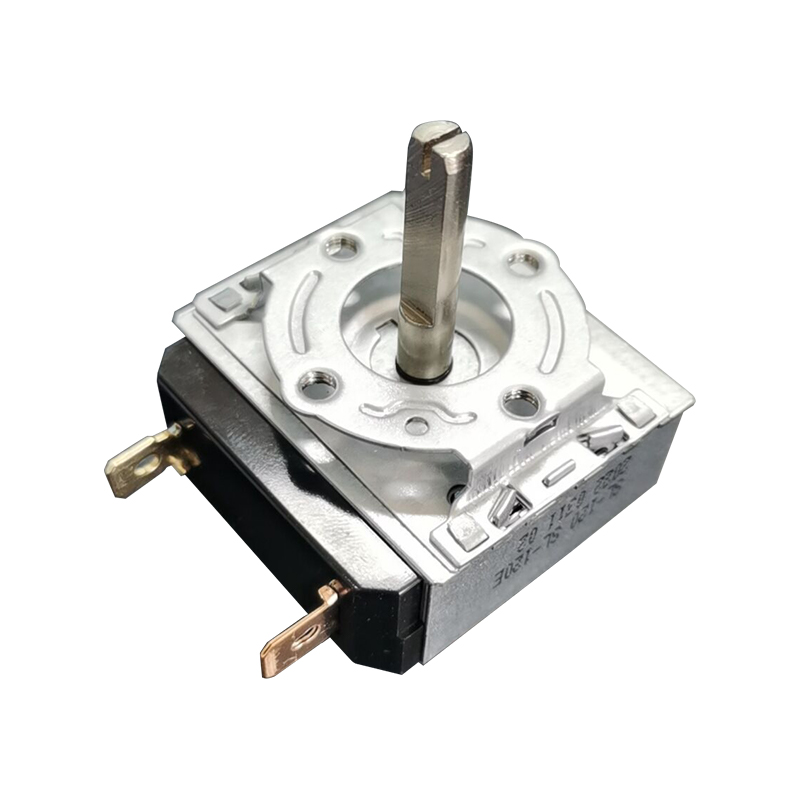
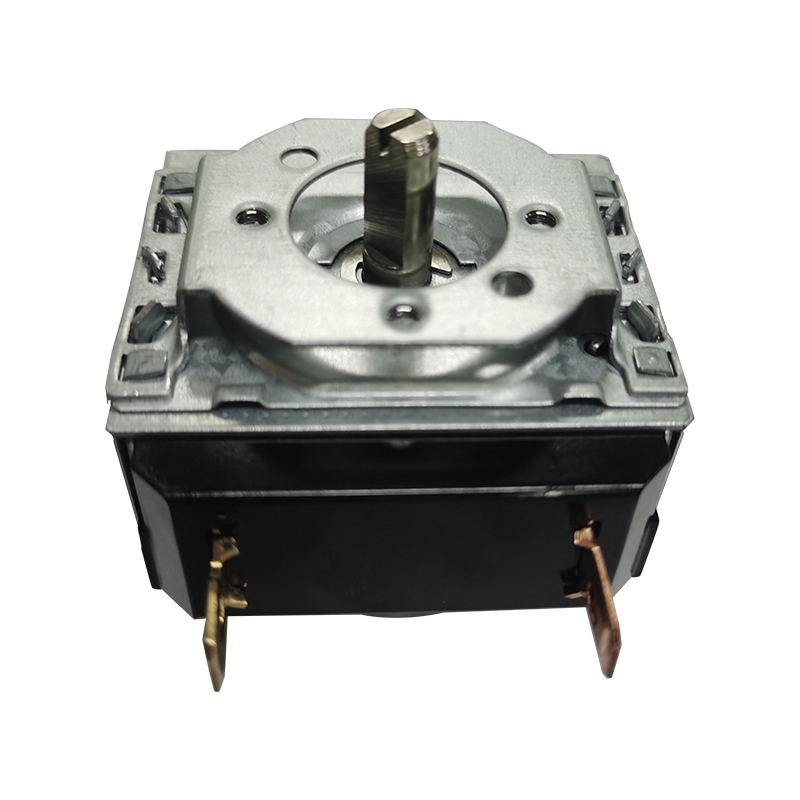
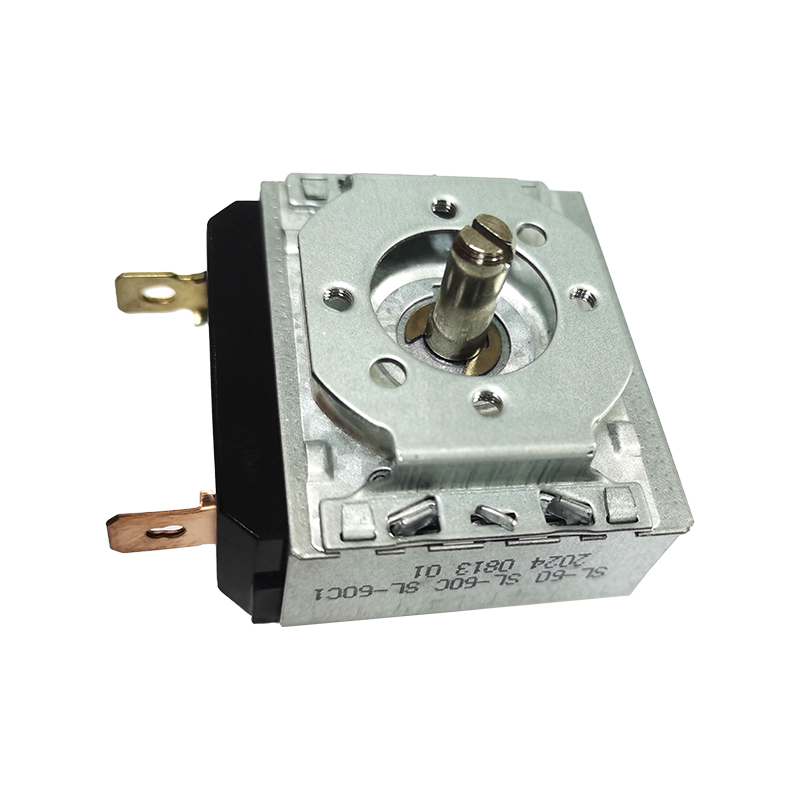
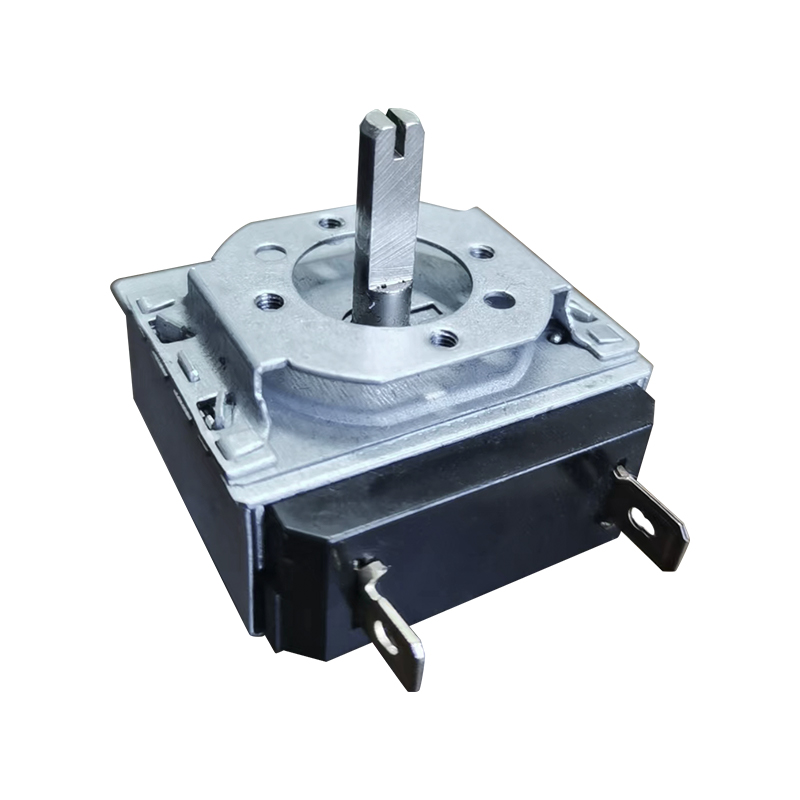
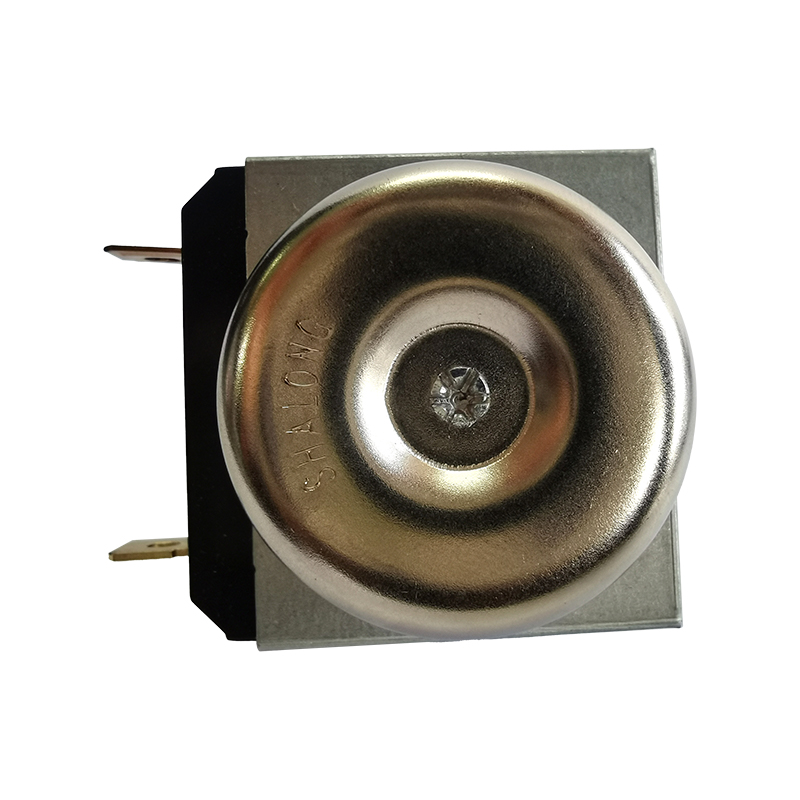
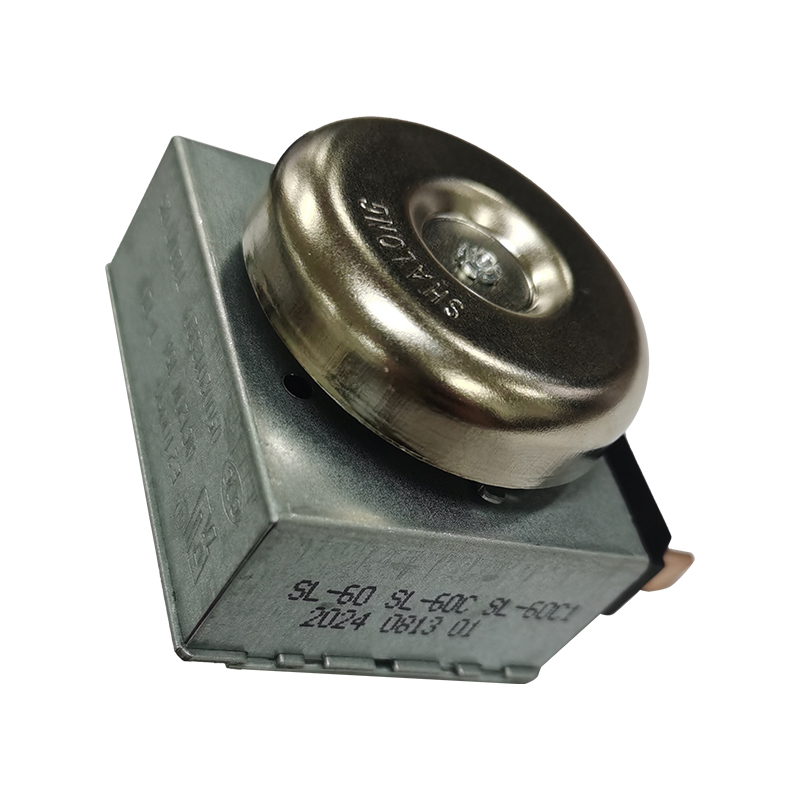
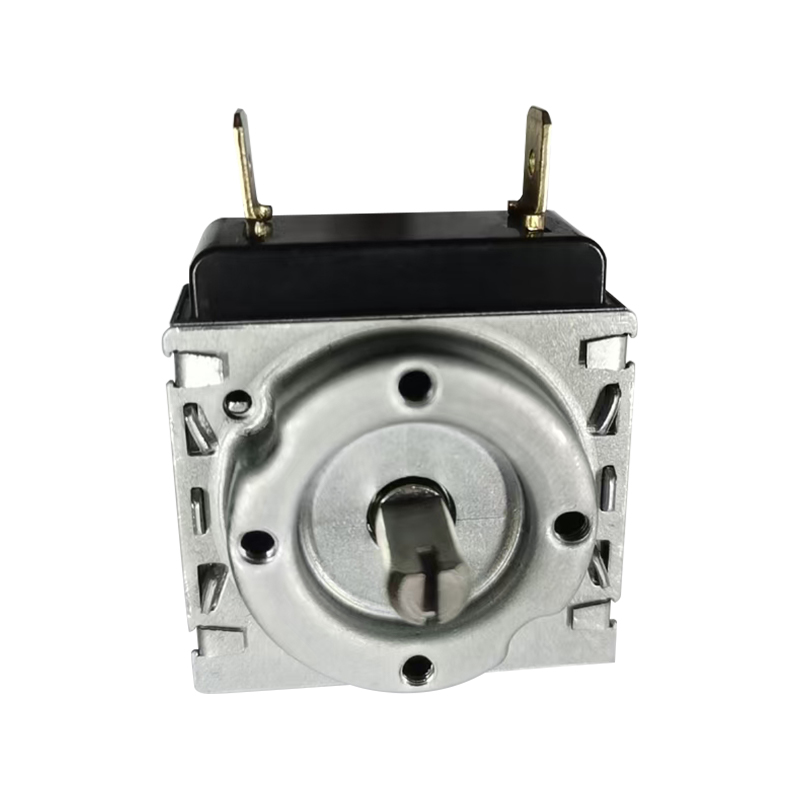
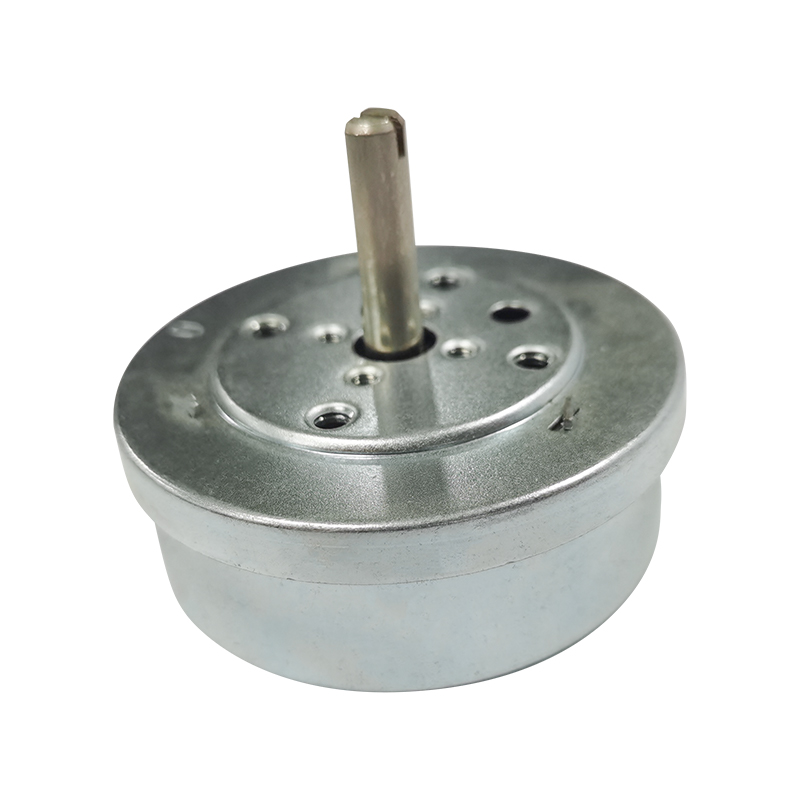
An electromechanical timer is a timing device that combines a mechanical drive with one or more electrical switch contacts. The drive stores or consumes energy, a gear train converts that energy into slow, controlled rotation, and a cam profiled for the target cycle opens or closes the contacts at exactly the right moment. Inside an appliance, that contact typically energizes a heating element, a motor or a lamp, then disconnects it when the cycle ends, frequently with an audible ring that tells the user the job is done.
The category covers both spring-wound designs, where the user winds a mainspring by turning the knob, and motor-driven designs, where a small synchronous motor advances the gear train from the mains supply. Either way, no microcontroller, no firmware and no display driver are involved, and that is precisely why the design behaves predictably inside a hot appliance cavity where electronics age fastest.
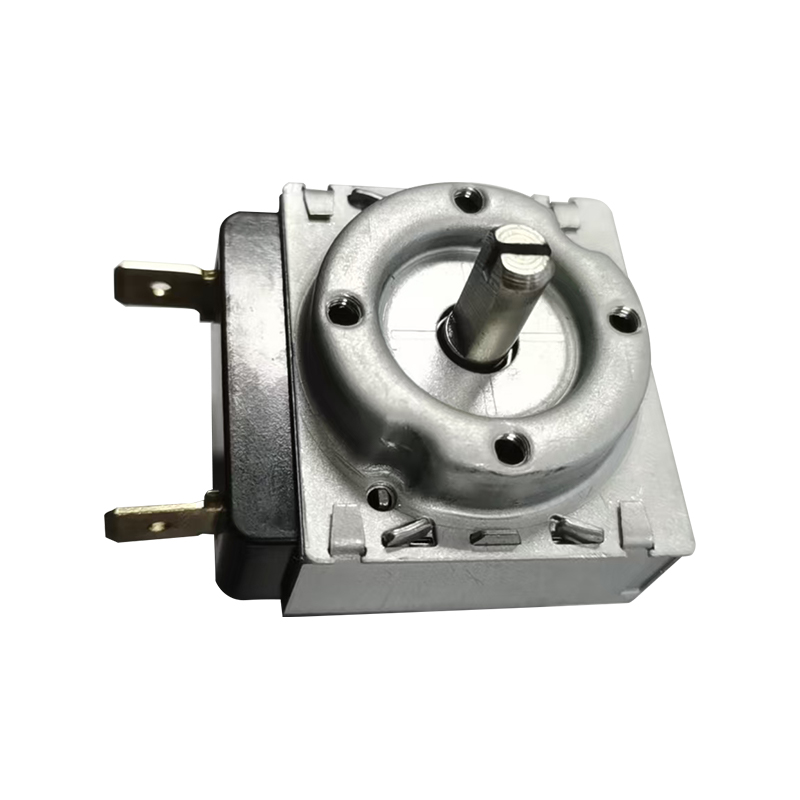
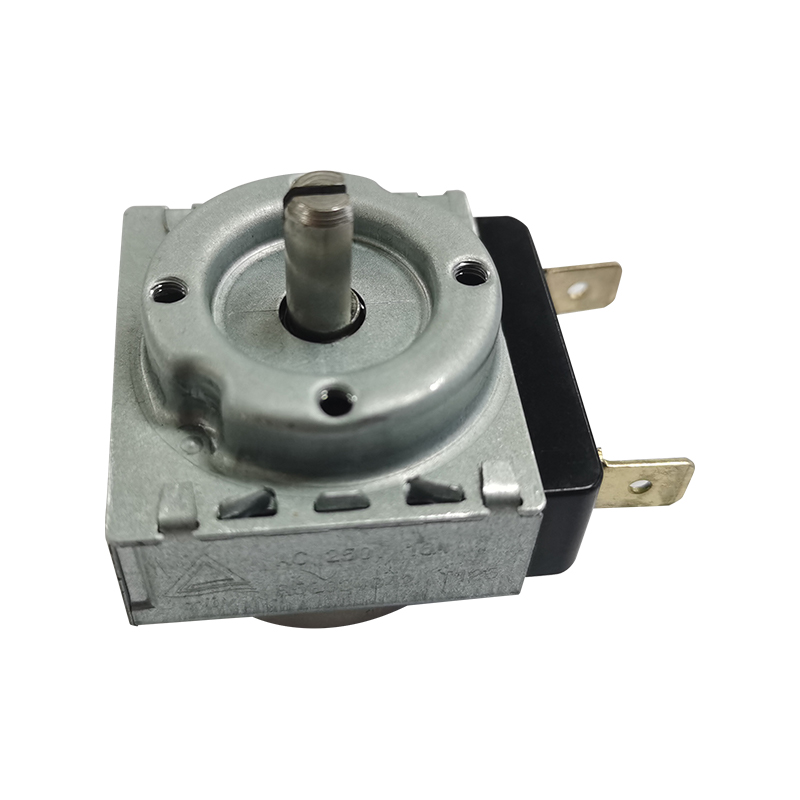
It helps to picture the component as two functional halves, because each half answers to a different person on the buyer's side. The drive half determines timing range, accuracy and the tactile feel of the knob; the switching half determines electrical safety, load capability and the certification path. The table below separates the two halves the way an engineering specification should.
The two functional halves of an electromechanical timer and the parts inside each
| Drive and gearing side |
Switching and output side |
- Mainspring wound by the knob, or a small synchronous motor on motor-driven types
- Gear train that scales fast input energy down to slow, steady cam rotation
- Escapement or fly governor that holds the release speed nearly constant
- Cam profiled for the rated range, from 15 minutes up to 180 minutes
- Shaft, knob interface and end stops that define the user feel
|
- Snap-action contacts rated for the appliance's real load
- Quick-connect or solder terminals matched to the wiring harness
- Optional bell hammer for the audible end-of-cycle signal
- Metal or high-grade plastic housing selected for the mounting-zone temperature
- Mounting clip or flange that holds position against vibration
|
At Jiangsu Shalong Mechanical & Electrical Technology Co., Ltd., the drive half is treated as the core competence. The company has produced mechanical timers since 1991, operates a self-built plant of more than 40,000 square meters with over 800 employees, and designs and builds its own small-module gear hobbing machines, automated processing equipment and high-speed continuous stamping dies in-house. Vertical integration at the gear level is what allows a timer manufacturer to hold a consistent tolerance across millions of units rather than only across the first article sample.
An electromechanical timer is a governed gear train driving a switch: the gearing sets the accuracy, the contacts set the safety.
How Electromechanical Timers Work: Structure and Timing Principle
The working principle is easiest to remember as a chain of five actions that repeats identically every time the user twists the knob. Each action is simple on its own; the engineering effort goes into making all five behave together, at temperature, for the life of the appliance.
- Energy input. In a spring-wound timer the user twists the knob and winds the mainspring; in a motor-driven timer a small synchronous motor takes energy directly from the appliance supply.
- Speed regulation. The released energy passes through a gear train, where an escapement or centrifugal governor holds the output speed nearly constant so that cam rotation maps reliably onto elapsed time.
- Cam timing. The cam is profiled for the rated range, for example 15, 60 or 180 minutes, and rotates at a fixed rate toward the end stop.
- Contact switching. Follower levers ride on the cam profile and open or close the snap-action contacts at the programmed angles, switching the load circuit on at the start and off at the end.
- End-of-cycle signal. On models with a bell, a hammer is released at the zero position and produces the audible ring; silent variants simply open the circuit.
Two details in this chain decide whether a timer feels cheap or professional in the hand and performs over years of daily service. The first is the self-stepping function: a well-made mechanical timer advances in discrete, controlled steps that keep the cam and the contacts synchronized throughout the cycle, which prevents the drift and the sticky, uncertain knob action seen in loosely built gear trains. The second is gear quality. Tooth profile errors accumulate along the full length of the gear train, so a timer specified to a few percent of full-scale tolerance needs consistently machined gears, batch after batch. This is why we regard gear cutting as a process to own rather than a part to purchase.
Temperature is the third factor that buyers tend to underestimate. Grease viscosity, spring temper and contact spring pressure all shift as the component heats up near an oven cavity or a fryer body. Housings, lubricants and spring materials for cooking applications therefore have to be selected specifically for high-temperature service, which is why the high-temperature resistant metal mechanical timer exists as a distinct product family rather than as a marketing label.
Timing accuracy and long-term stability are decided by gear quality, the self-stepping function and high-temperature material selection, not by the number printed on the dial.
Main Types of Electromechanical Timers and Their Characteristics
Spring-wound versus motor-driven
Spring-wound timers dominate kitchen appliances because they are inexpensive, need no standby power and give the user a physical winding action that doubles as the on switch. Motor-driven designs appear where long, unattended ranges or repeat cycling would place too much demand on a mainspring, for example in industrial and semi-industrial equipment. For the 15 to 180 minute ranges typical of household appliances, spring-wound mechanisms remain the volume choice, and nearly every model in our catalogue follows this architecture.
With bell versus without bell
A bell model releases a small hammer at the end of the cycle and produces an audible ring. It adds one moving part and a modest cost, but in appliances that run unattended, such as steamers, sterilizers and baiting machines, the end-of-cycle signal is a genuine convenience and safety feature rather than a luxury. Silent, without-bell versions suit egg cookers and compact devices where cycles are short and the user stays nearby. In most series both variants share the same housing and shaft interface, so switching between them rarely forces any change on the appliance side.
Standard series versus compact precision series
Panel space is the reason our range splits into the SL-X regular series and the SLS-X small-size precision series. The regular series covers the broad middle of the market with robust, cost-optimized mechanisms for ovens, steamers, pressure cookers and disinfection cabinets. The precision series shrinks the envelope for tightly packed products such as air fryers and egg cookers without giving up metal gearing or the UL, CE and TUV certification paths that those export products require.
The configuration cards below summarize the specification patterns that buyers combine most often when defining a model for a new project.
Spring-wound with bell
15 to 180 minute ranges with an audible end-of-cycle ring; the workhorse for ovens, steamers and sterilizers.
Spring-wound without bell
Silent end of cycle for short-range products such as egg cookers and compact kitchen devices.
High-temperature metal housing
Metal construction and heat-tolerant lubrication for mounting close to oven and fryer cavities.
Compact precision series
Reduced envelope with UL and CE paths for air fryers and other space-constrained products.
Manual countdown formats
Manually set countdown ranges from 5 minutes for medical devices up to long-cycle formats.
For a concrete example of the compact precision route, the air fryer timer below combines a small envelope with a 30 to 60 minute range and UL plus CE marks:
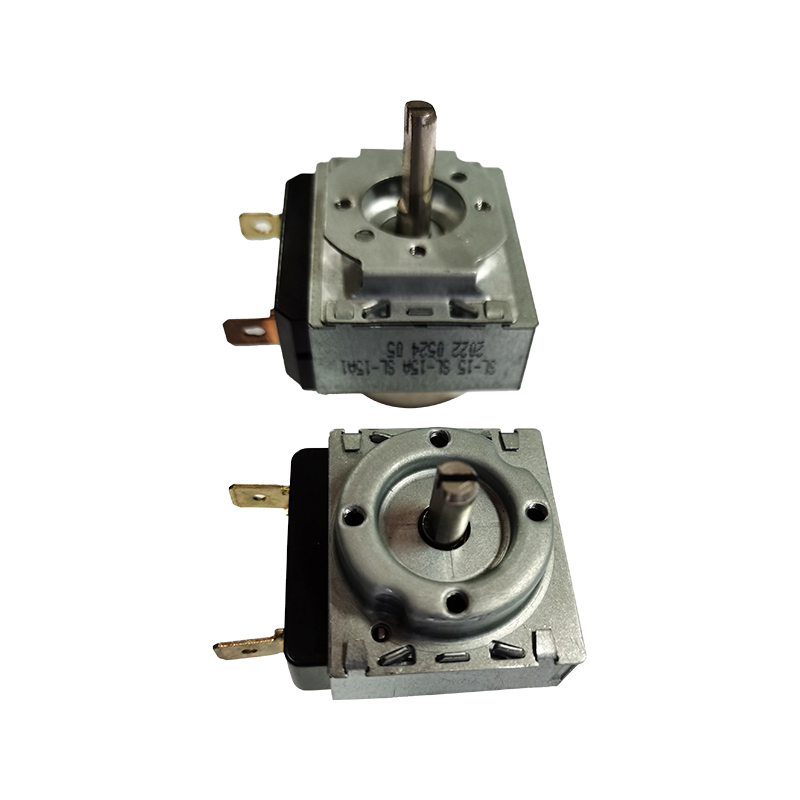 Air Fryer Metal Mechanical Timer SLS 30-60min Without BellA compact mechanical timer rated for 30 to 60 minute ranges, UL and CE marked, with power cut-off at cycle end. It suits air fryers and similar kitchen appliances where panel space is limited.View Product →
Choose the drive type by range and energy source, the bell option by user scenario, and the series by the panel space your product can spare.
Timing Ranges Across Appliance Applications: What the Numbers Say
Timing range is usually the first specification an appliance buyer locks down, because it dictates the gear train, the cam profile and ultimately the cost of the component. A range that is too short limits the recipes a product can support, while an excessively long range forces users to work in a crowded sector of the dial where individual minutes are hard to distinguish. Range also follows the process itself: reheating and egg cooking finish within minutes, baking occupies the middle of the scale, and steaming or sterilizing cycles can run for the better part of three hours. The horizontal bar chart below maps the typical full-scale timing ranges we produce for each major appliance category, from a 15-minute egg cooker timer up to 180-minute models for electric steamers and baiting machines. Use it as a first filter to shortlist candidate ranges before refining shaft dimensions, contact ratings and certification requirements.
Typical full-scale timing range by appliance application (minutes)
Egg cooker and egg steamer: 15
Electric pressure cooker: 100 to 120
Long-cycle oven model: 160
Electric steamer and baiting machine: 180
Bar length is proportional to a 180-minute full scale, based on ranges in current production.
The pattern in the chart is easy to read once you group applications by process length. Egg cookers and compact steamers sit at the bottom of the scale, where a 15-minute full-scale range gives users a dial that is easy to set accurately for short cycles. Sterilizer and disinfection applications cluster at 20 to 30 minutes, matching standard hygiene cycles. Air fryers occupy the 30 to 60 minute band, which covers both quick snacks and larger recipes without forcing users into a crowded dial.
Deep fryers standardize on 60 minutes, because oil heating and back-to-back batches benefit from headroom even though most loads finish sooner. Conventional ovens typically specify 60 or 90 minutes, and the free-standing oven models in our circular range are built around exactly this band. Electric pressure cookers push toward 100 or 120 minutes, since slow cooking and canning-style recipes run long. At the top of the chart, 160 and 180 minute ranges serve electric steamers, baiting machines and other equipment that operates unattended for hours.
Notice that the bell option appears most often on long-range models, because an audible end-of-cycle signal has real value when the user is not standing next to the appliance. A practical rule for buyers is to match the full-scale range to the longest credible recipe and then confirm that the lower third of the dial still offers readable, usable increments. If a single model must cover several products in a family, specifying the next range up is usually cheaper than carrying two timers through certification and inventory. Every bar in the chart corresponds to an existing catalogue series, so a shortlisted range can normally be matched to stocked tooling rather than custom gears, which shortens sampling time considerably.
For long-cycle equipment, the 180-minute steamer timer below shows how the top of the range is specified in practice, including the with-bell option:
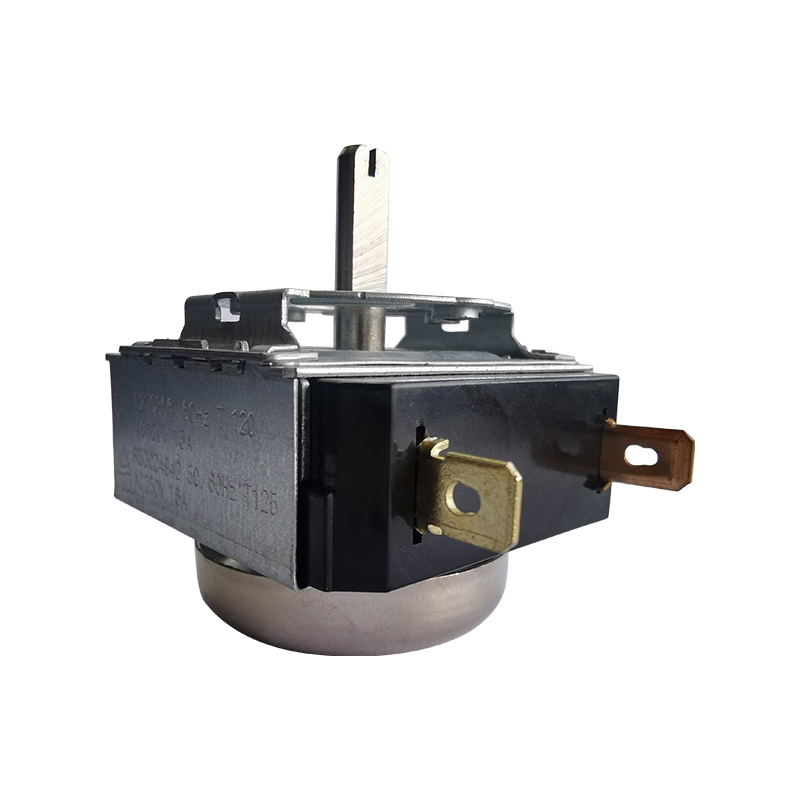 Electric Steamer Metal Mechanical Timer SL 180min With BellA metal mechanical timer reaching 180 minutes with an audible bell at cycle end, built for ovens, steamers and pressure cookers. It shows how long-cycle equipment specifies the top of the timer range.View Product →
Match the full-scale range to the longest credible cycle, keep the lower third of the dial readable, and prefer stocked ranges to shorten sampling.
Application Scenarios and Selection Points for Appliance Manufacturers
Where the technology is specified today
Kitchen cooking is the center of gravity for electromechanical timers. Ovens and free-standing ranges, air fryers, deep fryers, electric steamers, egg cookers, electric pressure cookers and disinfection cabinets all ship with mechanical timing in large volumes, and the dial-and-knob interface remains what users of these products expect to find. The technology also reaches well beyond cooking. Sterilizer timers in the 20 to 30 minute band support hygiene equipment, medical device models in the 5 to 15 minute band carry CE and UL certification paths for equipment accessories, and high-temperature 180-minute variants serve baiting machines and other semi-industrial equipment that runs unattended in warm environments.
A selection checklist that survives supplier audits
Whether you source as a brand engineering team, a wholesaler consolidating demand for regional assembly, or an importer serving several markets, the same eight items decide whether a timer project runs smoothly. Agreeing on them in writing, before tooling, removes most of the disputes that otherwise surface at the incoming inspection stage.
- Full-scale timing range and dial readability at the low end of the scale.
- Ambient and mounting-zone temperature, including radiant heat from the cavity.
- Contact rating against the real load, since resistive heaters and inductive motor loads behave differently at switch-off.
- Certification marks for every destination market: UL for North America, CE and TUV for Europe, DKJ and related marks for China and partner markets.
- Bell or silent end-of-cycle behavior, decided by the user scenario.
- Mechanical interface: shaft diameter and length, knob fit, panel cutout and mounting clip.
- Endurance expectation in operating cycles, agreed with the supplier and verified by test.
- Tolerance and incoming-inspection method, so acceptance criteria are testable rather than descriptive.
Six specification areas where appliance projects most often stumble during timer sourcing
| Selection factor |
What to specify |
Common sourcing risk |
| Timing range |
Full-scale range, dial increments and tolerance at low settings |
A range carried over from a previous product instead of recipe analysis |
| Operating temperature |
Maximum zone temperature and mounting distance from the cavity |
Standard lubrication that thins out near heat |
| Contact and load |
Load type, steady current and inrush current |
Contacts rated for the nameplate but not the inrush |
| Certification |
Marks per destination market: UL, CE, TUV, DKJ |
Certificates that cover a sibling model rather than the shipped one |
| Mechanical fit |
Shaft diameter and length, knob fit, panel cutout, mounting clip |
Undocumented knob or shaft changes between pilot and mass production |
| Endurance and tolerance |
Cycle life to be verified, test method and acceptance tolerance |
Life claims made without a defined, repeatable test |
Buyers evaluating a timer manufacturer in China should also weigh vertical integration. A factory that cuts its own gears, builds its own stamping dies and runs more than a thousand sets of manufacturing and testing equipment can hold tolerance and delivery schedules in a way that an assembler of purchased parts cannot. It also helps to choose a supplier accustomed to export documentation: Shalon supplies appliance projects from its base in Jingjiang, Jiangsu, and exports to markets including South Korea, Turkey, Brazil, Saudi Arabia and Egypt, so mapping certifications to destination markets is part of daily work rather than an exception.
For free-standing ovens, the benchmark reference is the 60-minute round metal timer below:
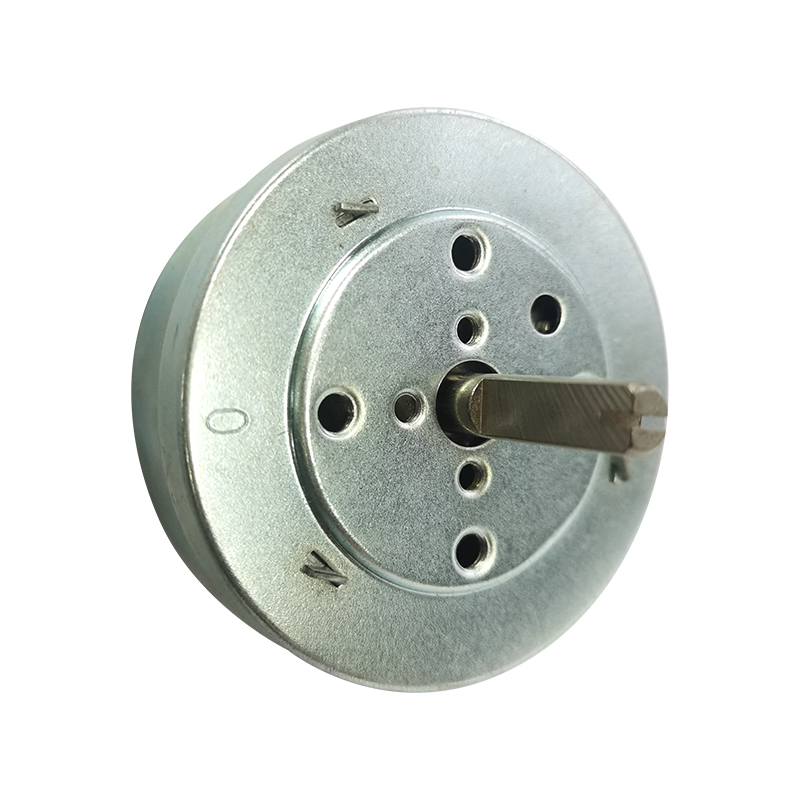 60min Round Oven Mechanical Timer for Free Standing OvensA round 60-minute metal mechanical timer designed for free-standing ovens, with counterclockwise winding and standard load ratings. It serves as the benchmark reference for classic oven timing applications.View Product →
Most timer field failures trace back to specification gaps in load, temperature and tolerance rather than to the mechanism itself.
Electromechanical Timers vs Electronic Timers: A Practical Comparison
Neither technology wins everywhere, and pretending otherwise leads to poor bills of materials. Electromechanical timers win where heat, simplicity, stable unit cost and tactile user feedback dominate the requirement list. Electronic timers win where a product needs programmability, multiple cooking stages, second-level precision or a display-driven interface. The comparison below frames the trade-offs the way a design review should, criterion by criterion.
Electromechanical and electronic timers compared across eight criteria that recur in appliance design reviews
| Criterion |
Electromechanical timer |
Electronic timer |
| Control interface |
Knob with mechanical end stops; the setting is also the state |
Buttons and display; needs interface logic and standby behavior |
| Timing accuracy |
A few percent of full scale; well matched to cooking cycles |
Second-level precision for processes that need it |
| Behavior near heat |
Metal housing and high-temperature lubricants keep working close to cavities |
Capacitors, displays and solder joints age faster with heat |
| Typical failure pattern |
Gradual wear with audible or tactile early symptoms |
Sudden component failure, often without warning |
| Noise immunity |
Indifferent to the electrical noise cooking appliances generate |
Requires deliberate filtering and protection design |
| Supply chain |
Steel, copper and gears; stable, widely available materials |
Chips and firmware; exposure to allocation and lifecycle risk |
| Unit cost at volume |
Low and stable over years |
Higher and variable with component markets |
| User perception |
Tactile, familiar, durable feel |
Modern appearance and perceived precision |
The two rows that decide most kitchen projects are behavior near heat and failure pattern. A timer bolted close to an oven cavity lives in an environment where electrolytic capacitors dry out, display contrast fades and solder joints fatigue, while a metal mechanical timer with the correct lubricant and spring materials keeps its timing behavior across thousands of cycles. The failure modes differ just as sharply: a worn gear train announces itself through noise and stiff rotation long before it stops, whereas an electronic fault typically arrives without warning and disables the product outright.
There is also a procurement dimension that has become more visible in recent years. Mechanical timers draw on steel, copper and machining capacity, which are stable commodities, while electronic controls inherit every shock in the semiconductor market, from allocation to end-of-life notices on specific chips. For a product planned to stay in production for five to ten years, that difference alone can settle the argument. None of this makes electronic timers wrong; it makes the choice application-specific, and the honest answer is to decide per product line rather than per company policy.
Near heat and in cost-driven, fixed-cycle products the electromechanical design usually wins; programmability is the one requirement that justifies going electronic.
Maintenance Guidance and Long-Term Reliability
Well-built electromechanical timers are essentially maintenance-free in household use, and that is one of their genuine selling points. Long-term reliability is designed in through gear materials, contact plating and high-temperature lubrication rather than added afterward. What remains for the user and the service organization is a short list of habits that prevent avoidable damage and keep the component inside its specified tolerance for the full life of the appliance.
- Do not force the knob past its end stop; overwinding is the most common cause of damaged mainsprings in returned units.
- Keep cleaning fluids, degreasers and steam jets away from the shaft opening, because solvent ingress washes out the lubrication film.
- In commercial equipment, include the timer in scheduled inspection: listen for changed gear noise and verify that the bell still rings clearly.
- Check contact condition on high-cycle equipment, since pitted contacts usually indicate a load or rating problem before they indicate a timer problem.
- Store spare timers dry and in their packaging, because long exposure to humid, salty air is harder on contacts than years of normal switching.
- Replace rather than repair in the field, because a calibrated replacement restores the original tolerance while a reassembled one does not.
Under long-term, high-load operation, the parts that decide lifespan are the contacts and the lubrication. A mechanism specified with the correct contact rating for the load and grease formulated for the actual mounting temperature will typically outlast the appliance built around it. A marginal specification advertises its condition early, through growing gear noise, heavier knob rotation or a weakening ring, and those symptoms are precisely what a service technician should be trained to notice during routine visits.
For buyers, the practical consequence is to ask potential suppliers how endurance is actually verified rather than asserted. Ask which tests run on which equipment, how many units per batch are sampled, and what happens when a batch drifts. A manufacturer with a full in-house testing line and a documented zero-defect quality policy will answer those questions with specifics, and that specificity is a better indicator of field reliability than any figure printed in a catalogue.
Protect the timer from overwinding, solvent ingress and contact overload, and a correctly specified mechanism will usually outlast the appliance around it.
Frequently Asked Questions About Electromechanical Timers
The questions below come up repeatedly in conversations with appliance manufacturers, importers and wholesalers. The answers are deliberately practical, because most sourcing decisions are made under time pressure with incomplete information.
Do electromechanical timers lose accuracy after years of use?
Some drift is normal as gear teeth and spring characteristics wear, but in a well-built mechanism the change stays small relative to cooking tolerances. The self-stepping function keeps the cam and the contacts synchronized through the cycle, and precision-cut gearing limits cumulative error. If a recipe-critical appliance drifts noticeably, the cause is more often contact wear or a damaged knob fit than the gear train itself.
|
Can a mechanical timer survive the heat inside an oven or air fryer?
Yes, when it is specified for that service. High-temperature resistant metal mechanical timers use metal housings, heat-tolerant lubricants and spring materials selected so that timing behavior holds up near the cavity. What matters in the project is the mounting zone: the further the timer sits from radiant heat, the larger its safety margin, and the easier the certification testing becomes.
|
Should I choose a bell or a silent version?
Follow the user scenario. Bell models are worth their small extra cost whenever the appliance runs unattended or in a noisy kitchen, because the audible end-of-cycle signal is a genuine convenience and safety feature. Silent, without-bell models suit short-cycle products where the user stays nearby. In most series both variants share the same housing, so the choice rarely affects your mechanical design.
|
Which certifications do electromechanical timers need?
That depends on the destination market: UL for North America, CE and TUV for Europe, DKJ and related national marks for China and several partner markets. Confirm the marks during sourcing rather than after tooling, and make sure the certificate covers the exact model you will ship, not a sibling variant with a different housing or range.
|
What information does a timer manufacturer need to quote accurately?
Five items are the minimum: full-scale timing range, load type and current, maximum ambient temperature at the mounting position, the mechanical interface including shaft, knob and panel cutout, and the certification marks for your target markets. Annual volume and bell preference complete the picture, and together they usually determine whether an existing series fits or a customized variant makes commercial sense.
|
Are electromechanical timers still the right choice for new appliance designs?
For cooking and hygiene appliances with fixed cycles, yes. They combine tolerance to heat, stable unit costs, a familiar tactile interface and a failure pattern that degrades gradually rather than suddenly. Electronic control earns its place when a product genuinely needs programmable menus, multi-stage sequences or display-driven interaction; for everything else, the electromechanical timer remains the pragmatic default, which is why leading appliance brands continue to build entire product families around it.
|
Accuracy drift, heat endurance, certification coverage and complete specification data are the four questions that separate a smooth sourcing project from a painful one.
Related Resources on Our Site
Two pages on this site extend the ground covered above, one into the product catalogue and one into the technology comparison.
When you are ready to move from research to sourcing, send the specification list from the selection checklist above to our engineering team through the contact page. Matching your requirement against existing tooling and certified series is the fastest route to accurate samples and a realistic quotation.
Start from certified, stocked series: matching your specification to existing tooling is the fastest route to accurate samples.



 English
 中文简体
中文简体