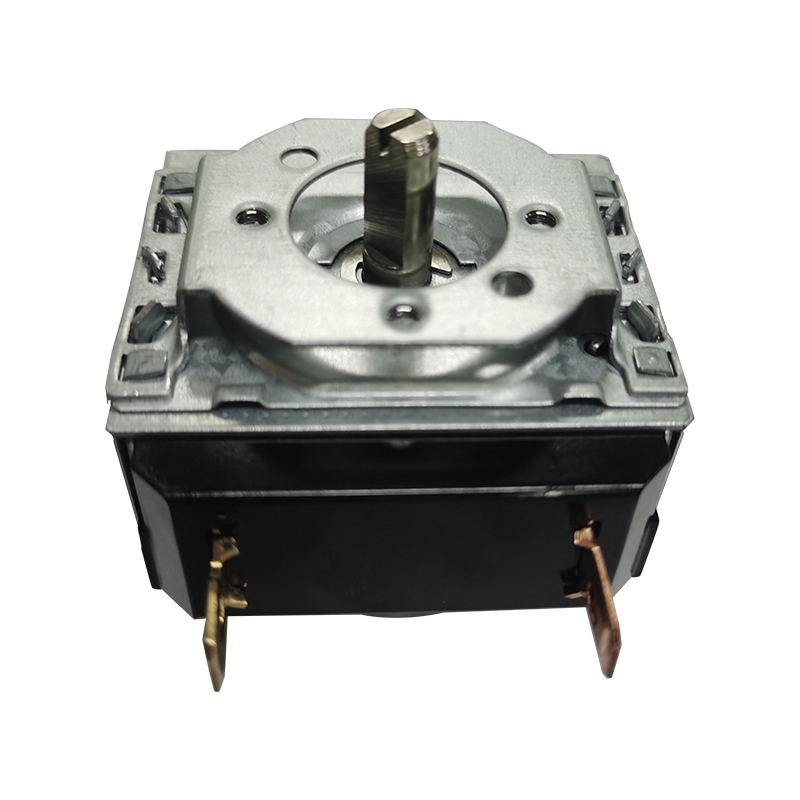
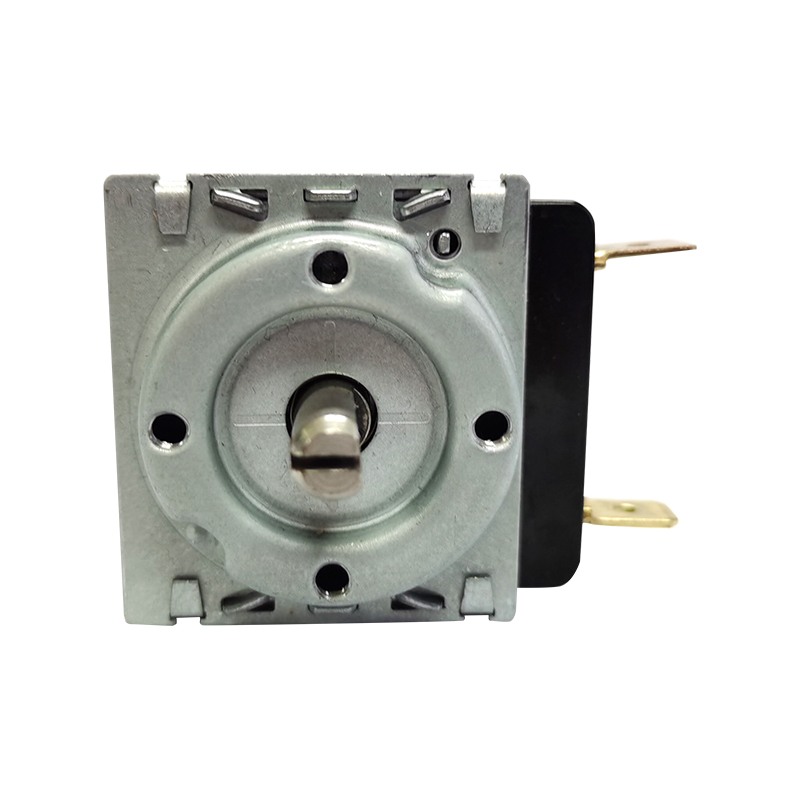
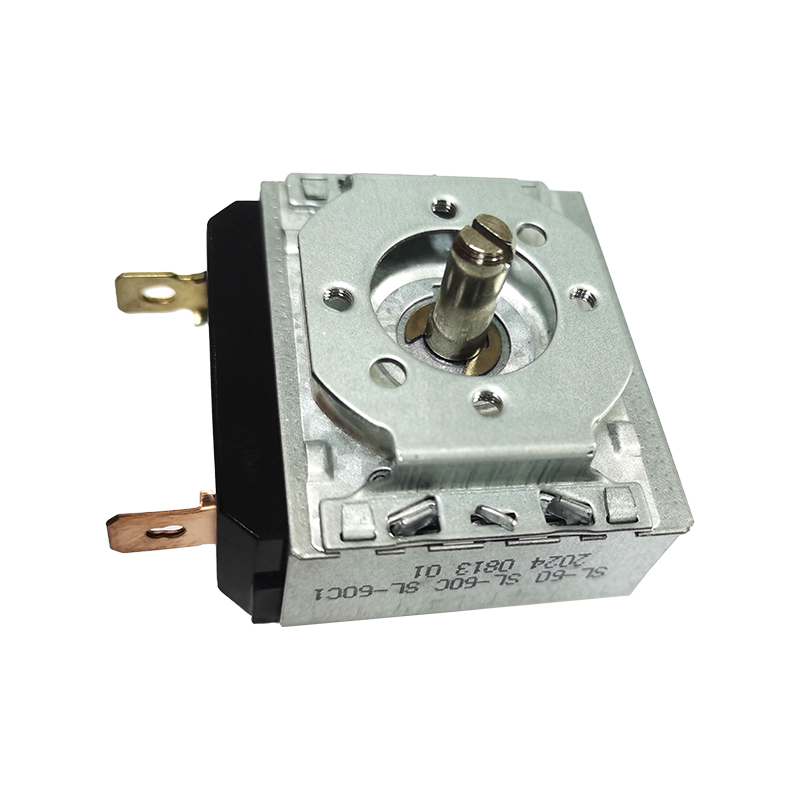
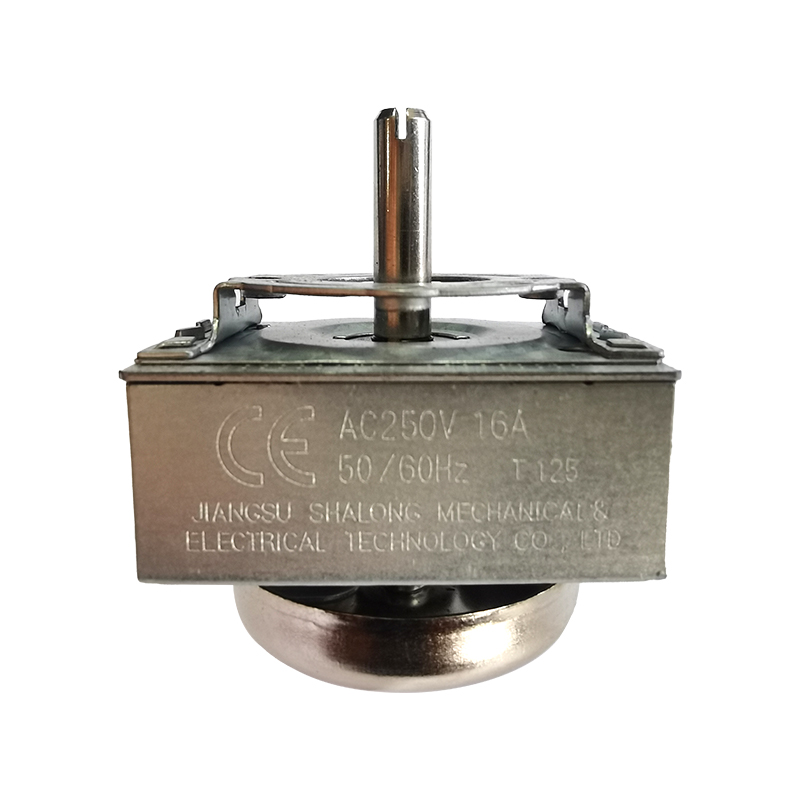
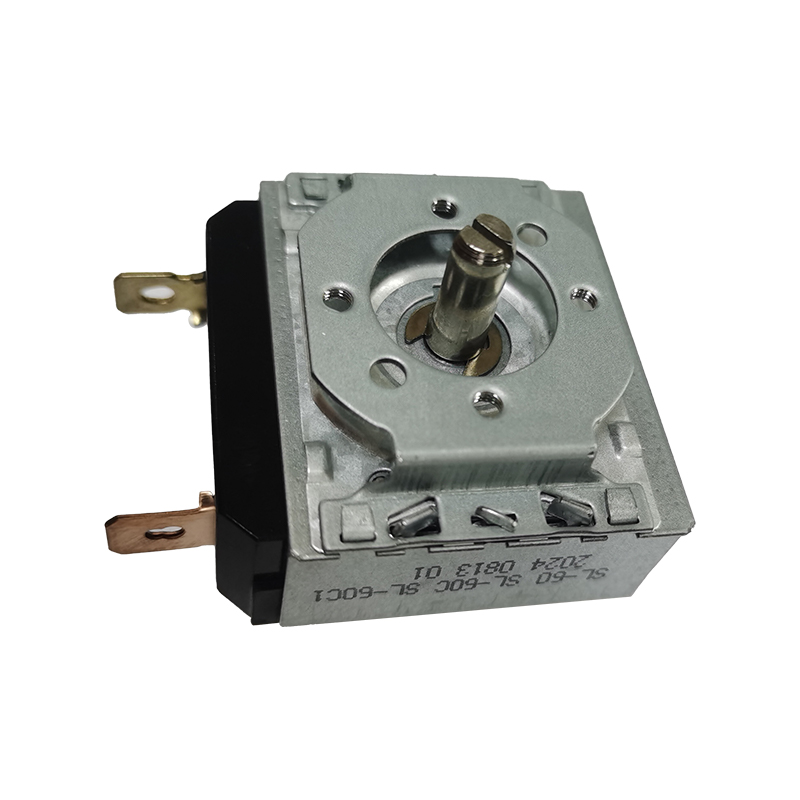
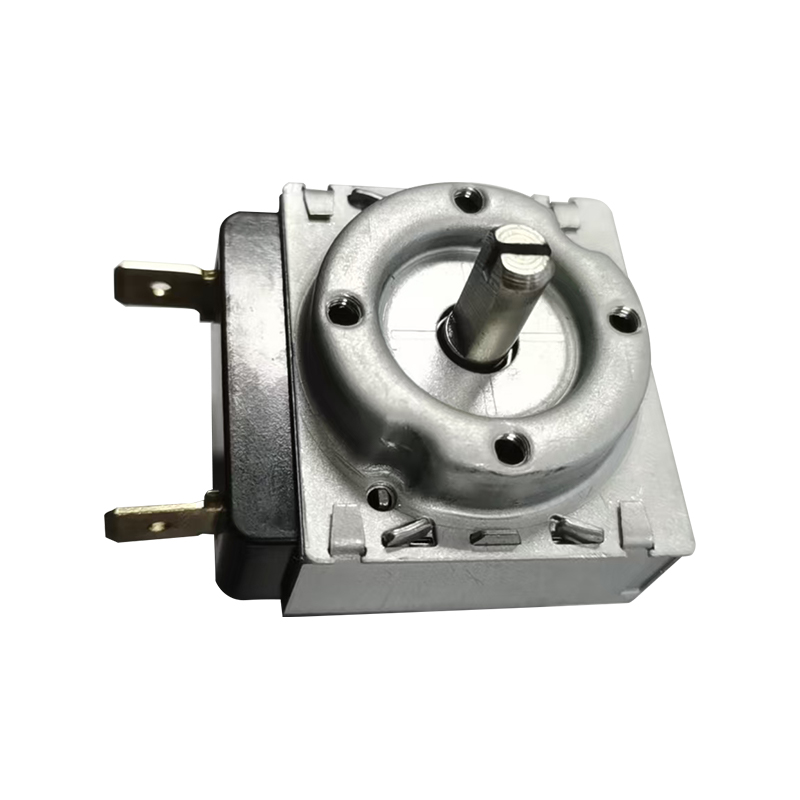
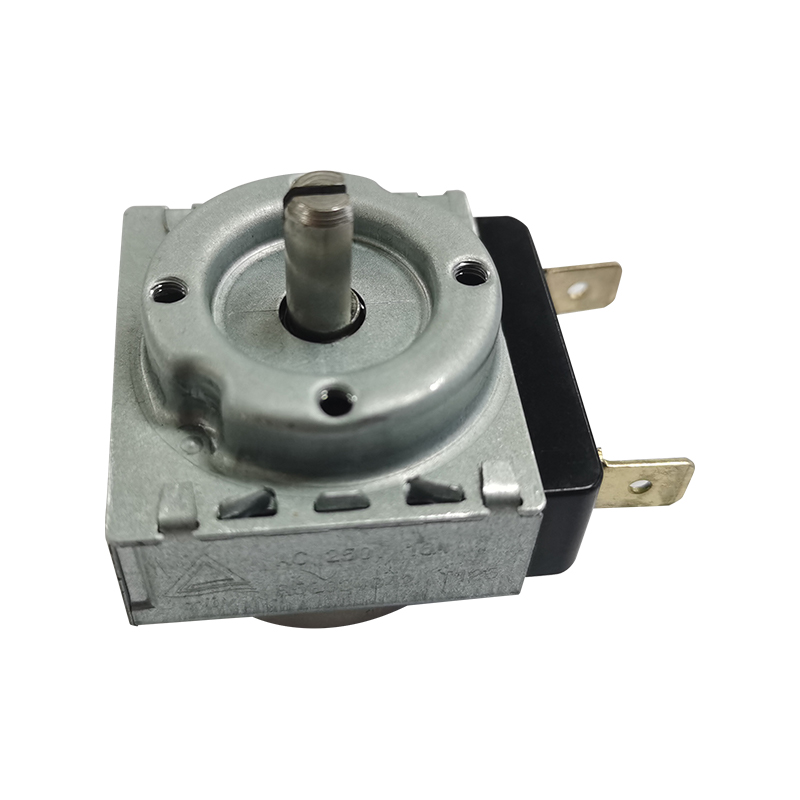
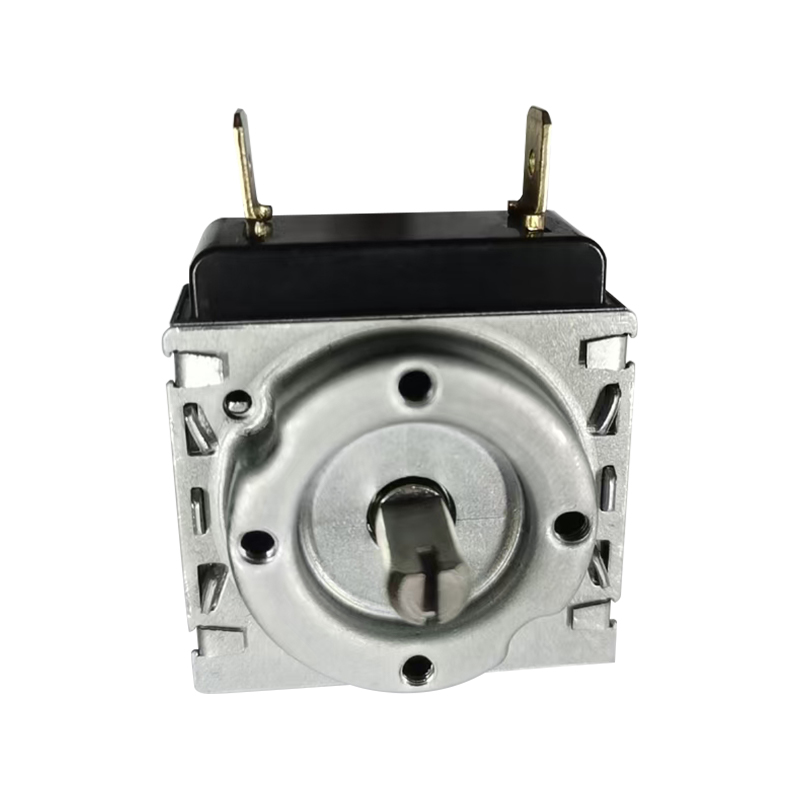
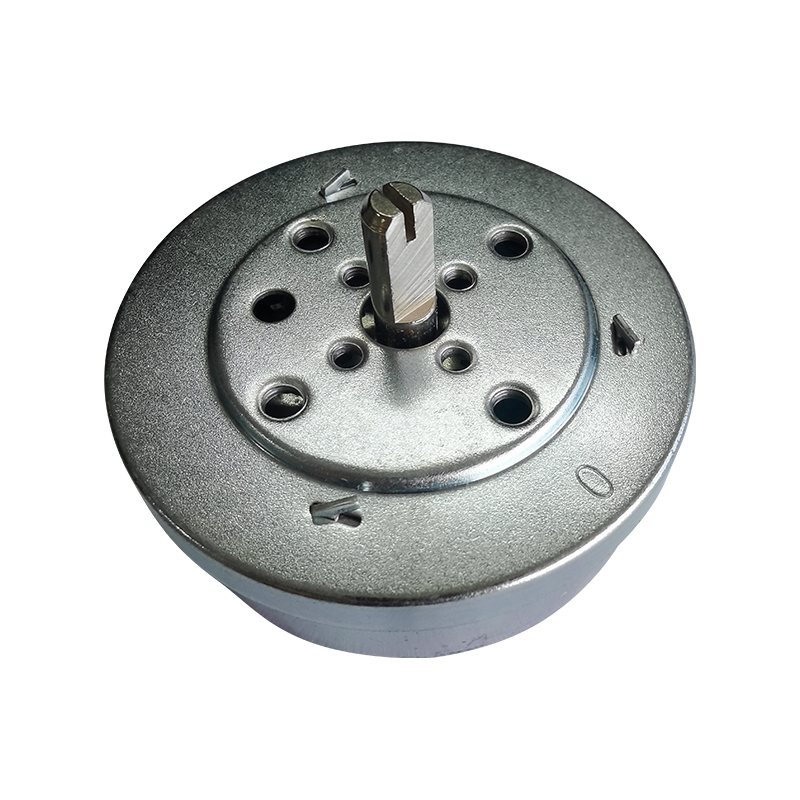
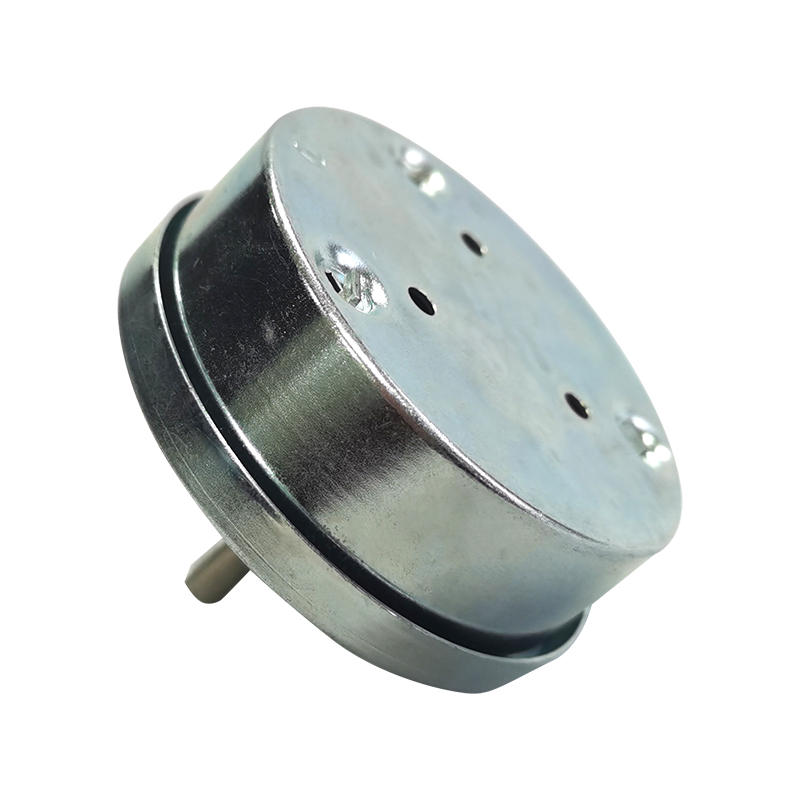
The Oven Mechanical Timer, with its stable performance and excellent high-temperature resistance, has become an indispensable component in ovens and other high-temperature appliances. Compared to electronic timers, the Oven Mechanical Timer has advantages such as a simple structure, high durability, and strong resistance to interference, enabling it to maintain stable operation in high-temperature, long-duration environments.
1. Structural Design and High-Temperature Adaptability of the Oven Mechanical Timer
The working principle of the Oven Mechanical Timer is based on a physical mechanical structure, utilizing mechanical gears and circuits to control the passage of time. This design allows it to maintain stable operation even in long-term high-temperature environments.
1.1 Simple Mechanical Structure
The Oven Mechanical Timer typically consists of simple gears, springs, and metal contact points. Compared to electronic timers, mechanical timers do not rely on complex circuits or electronic components, making the structure simpler and more capable of withstanding high temperatures. Even at high temperatures, the mechanical components can operate stably without failure or breakdown due to overheating.
1.2 High-Temperature Resistant Materials
To ensure normal operation in high-temperature environments, the internal components of the Oven Mechanical Timer are typically made of high-temperature-resistant metals and heat-resistant plastics. These materials maintain their mechanical properties and electrical conductivity even at extreme temperatures. For example, the metal gears, contacts, and springs in the timer are specially treated to withstand temperatures up to 250°C, ensuring that the oven's timer function remains unaffected by overheating during extended use.
2. Durability and Stability of the Oven Mechanical Timer
Compared to electronic timers, the Oven Mechanical Timer stands out for its durability and stability, especially for long-term use in high-temperature and high-humidity environments.
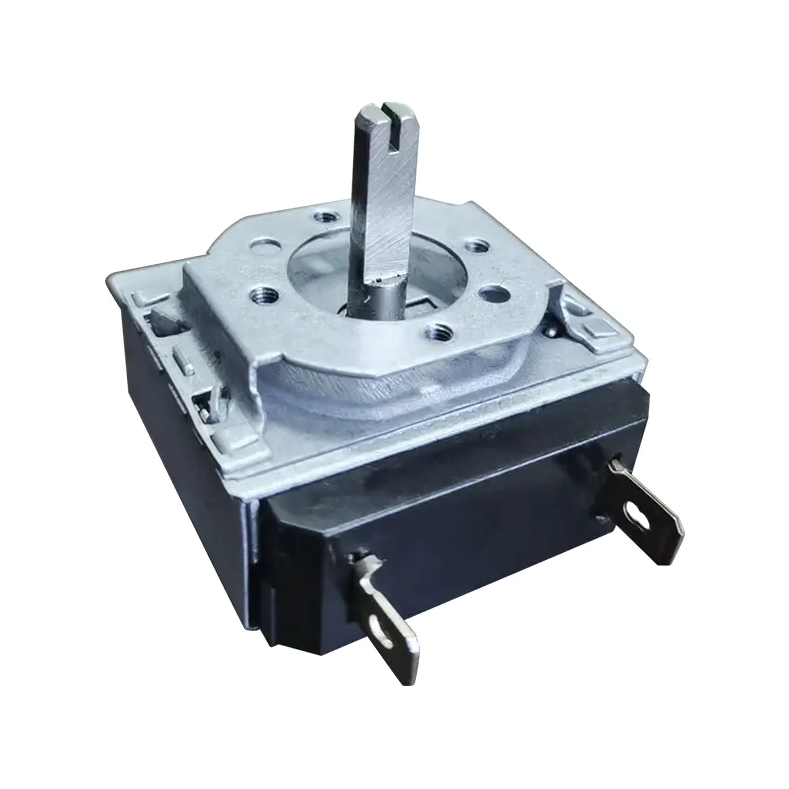
2.1 Long-Term High-Temperature Adaptability
The Oven Mechanical Timer is designed to operate stably in the high-temperature environment of an oven, making it an ideal choice for high-temperature ovens or other heating devices. Mechanical timers are generally unaffected by external temperature fluctuations and can work continuously in high temperatures without the risk of failure from overheating, unlike electronic timers.
2.2 Resistance to Interference
The Oven Mechanical Timer also has strong resistance to interference, avoiding the impact of electromagnetic waves, temperature fluctuations, and other external factors. In high-temperature and humid environments, the stability of mechanical timers far exceeds that of electronic timers. Their physical nature means they are less prone to electrical noise or temperature fluctuations, reducing the failure rate during use.
3. Design and Functional Advantages
In addition to its excellent high-temperature adaptability, the Oven Mechanical Timer offers unique advantages in design and functionality, especially in specific applications where mechanical timers provide functions that electronic timers cannot replace.
3.1 Simple and User-Friendly Operation Design
The Oven Mechanical Timer is usually operated by a knob or dial, allowing users to easily set the oven's operating time with a simple twist of the knob. This intuitive operation method makes it very convenient for users to control the heating time of the oven, especially in traditional ovens that require manual time setting.
3.2 No External Power Source Required
Unlike electronic timers, mechanical timers rely on mechanical gears and springs, completely eliminating the need for an external power source. This means that even if there is a power issue, the mechanical timer will continue to work normally. This gives it a significant advantage in certain special applications, such as environments without power supply.
3.3 High Reliability and Low Maintenance Cost
Due to its simple structure and stable performance, the mechanical timer requires almost no maintenance. Unlike electronic timers, which need regular checks and battery replacements, mechanical timers tend to have a longer lifespan and are more stable, greatly reducing the maintenance cost of the device.
4. Applications of the Oven Mechanical Timer
Thanks to its superior high-temperature resistance, durability, and simple operation, the Oven Mechanical Timer is widely used in various ovens, baking equipment, and other high-temperature devices that require precise timing. Here are some common application areas:
| Application Area |
Applicable Equipment |
Advantages |
| Home Kitchens |
Household ovens, microwave ovens, etc. |
Provides reliable time control for accurate heating or baking of food |
| Commercial Kitchens |
Baking equipment, large ovens, etc. |
Long-term high-temperature use, high-temperature design, reduces equipment failure |
| Industrial Equipment |
High-temperature heaters, ovens, welding equipment, etc. |
Strong high-temperature adaptability, high stability, suitable for long-term use in industrial manufacturing |
| Laboratory Equipment |
High-temperature experimental equipment, environmental simulation devices |
Precise time control, able to run for extended periods while maintaining stability |
The Oven Mechanical Timer, with its superior high-temperature adaptability, durability, and simple operation, provides stable and reliable timing control in high-temperature environments. Compared to electronic timers, mechanical timers perform better in high-temperature conditions, especially for prolonged heating or high-temperature operations. Its design enhances interference resistance and durability, greatly improving the device's stability and reducing maintenance costs. Therefore, the Oven Mechanical Timer is widely used in home kitchens, commercial kitchens, industrial equipment, and more.



 English
 中文简体
中文简体