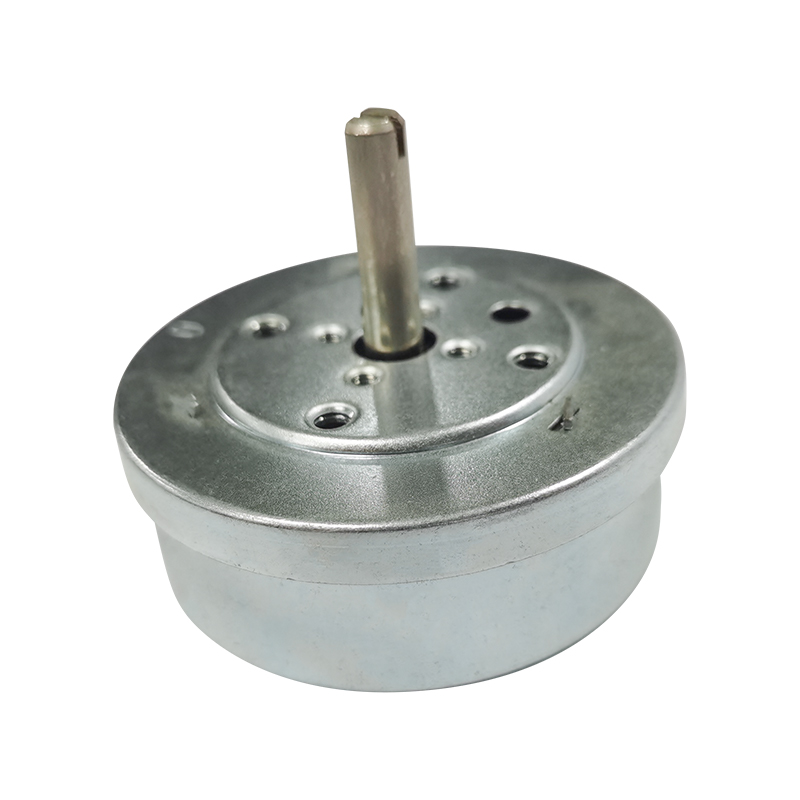
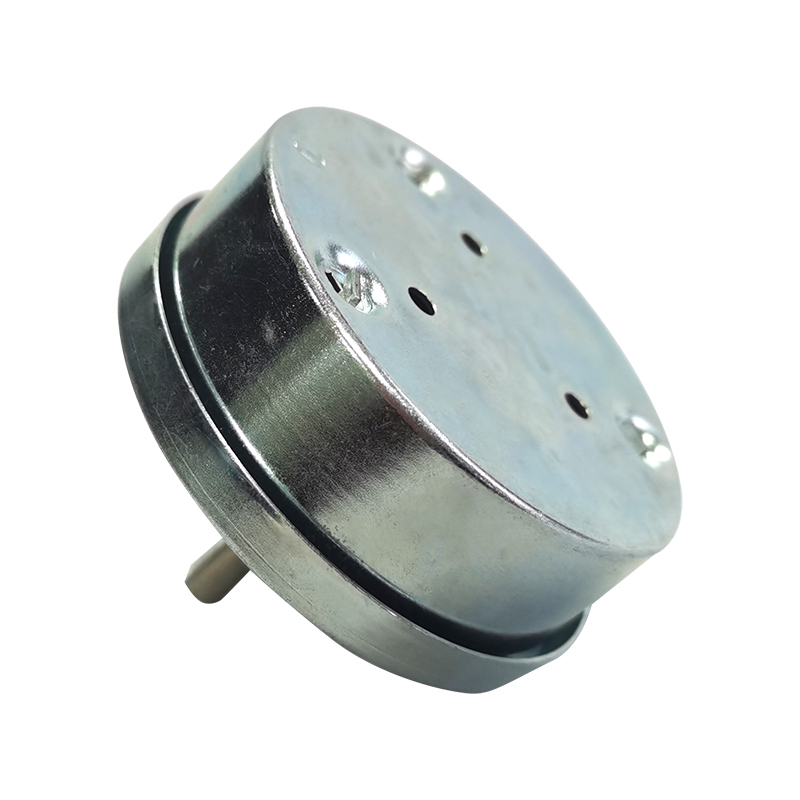
A buyer sends over a 3D file of a countertop air fryer and one line of text: the small timer has to sit behind a 42 mm control panel, survive the heat at the rear of the cavity, and still click off within a few seconds of the set point. No drawing revision, no tolerance callout, no mention of which certification the retail channel expects. That single message is usually where the real work starts, because a small timer is one of the cheapest parts on the bill of materials and one of the fastest ways to generate field complaints if it is specified loosely.
This guide is written for the people who actually make that decision: procurement engineers, product developers, quality managers and sourcing staff at appliance manufacturers and importers. It covers what a small timer physically is, how compact mechanical timers differ from their larger siblings, which dimensions and tolerances deserve a place on the drawing, how heat and steam affect long-term behaviour, what certification marks mean for export programmes, and how to judge whether a small timer supplier can hold a schedule across a full production year.
What a Small Timer Really Is in Appliance Manufacturing
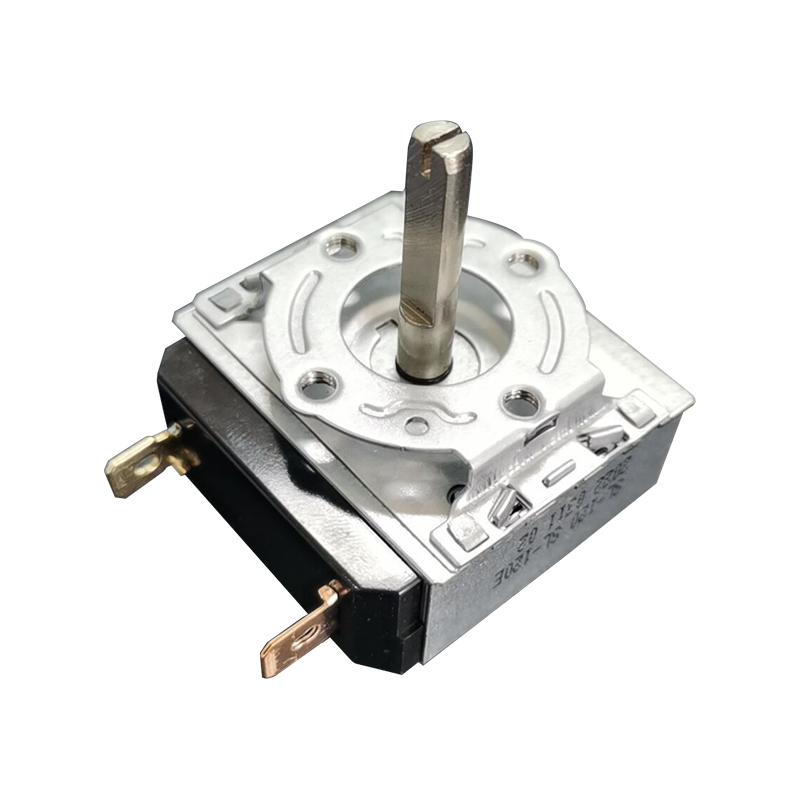
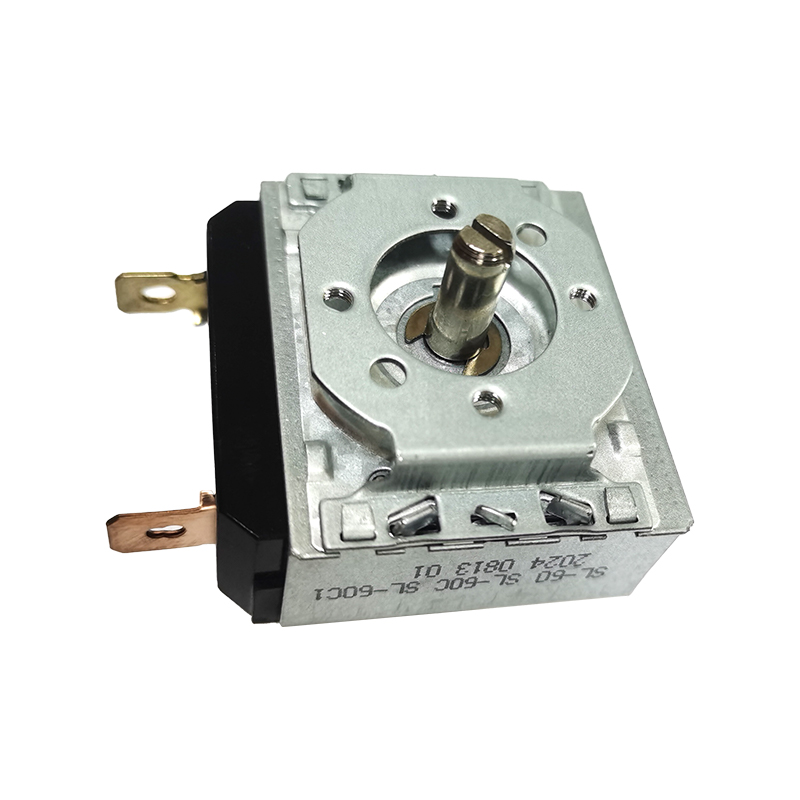
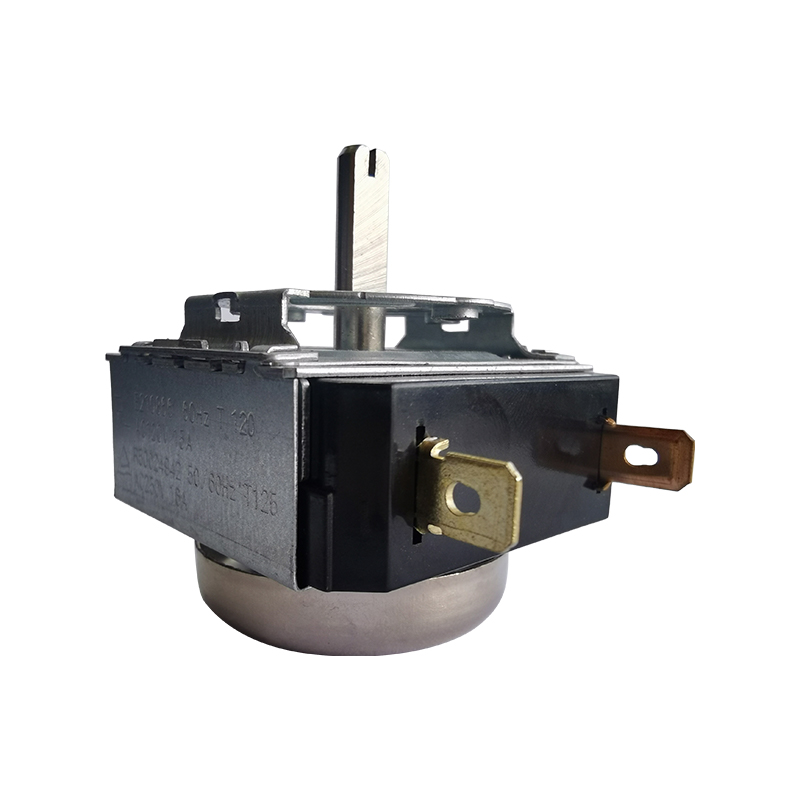
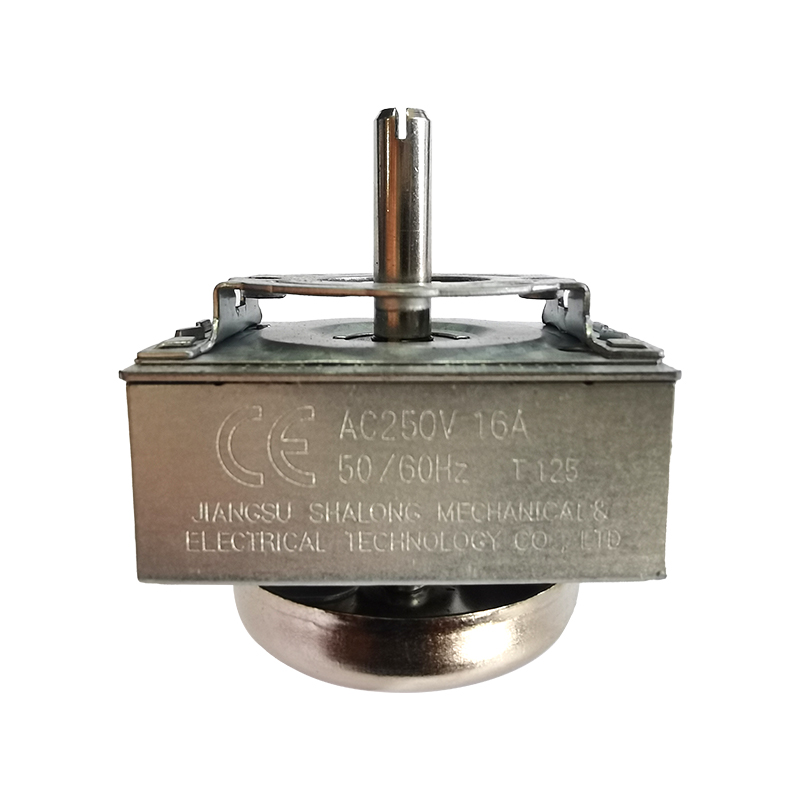
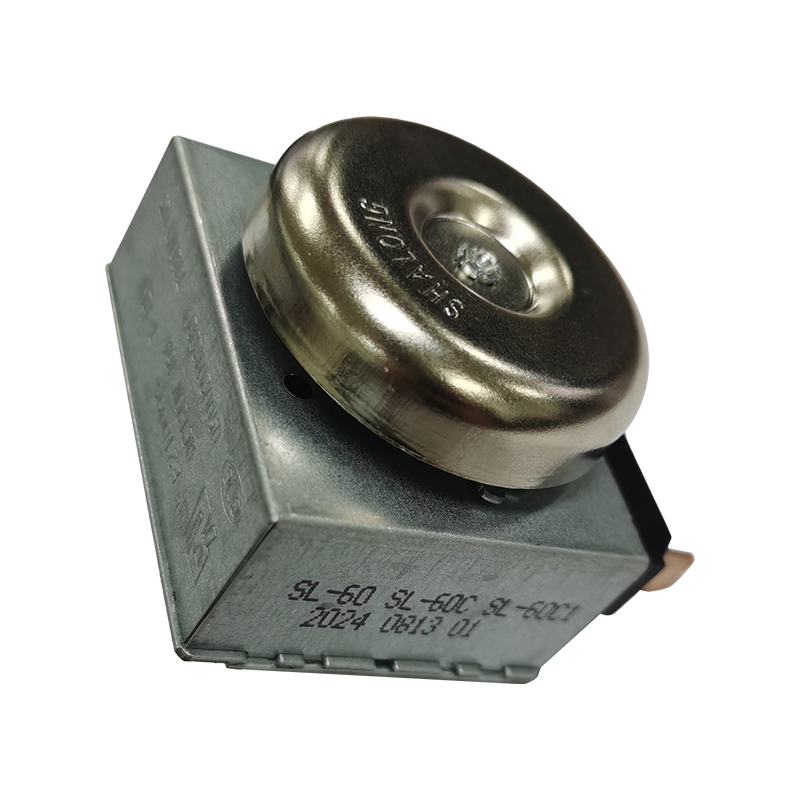
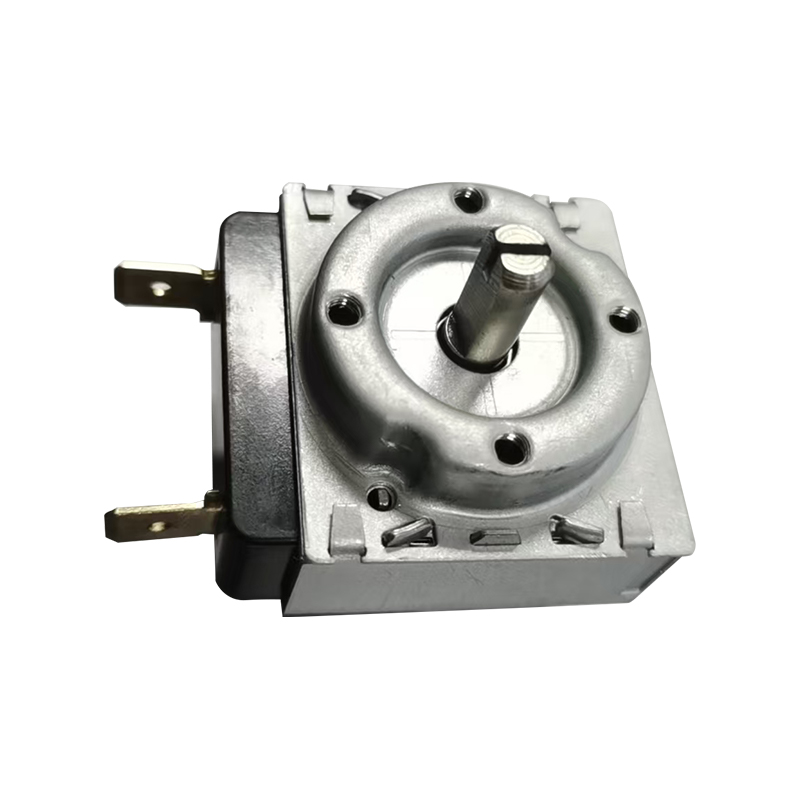
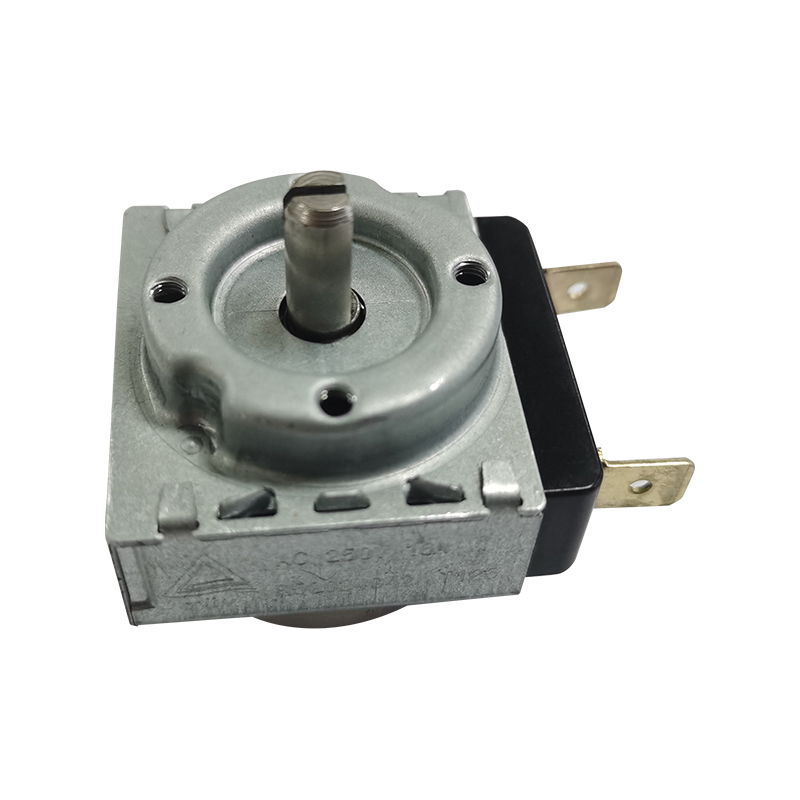
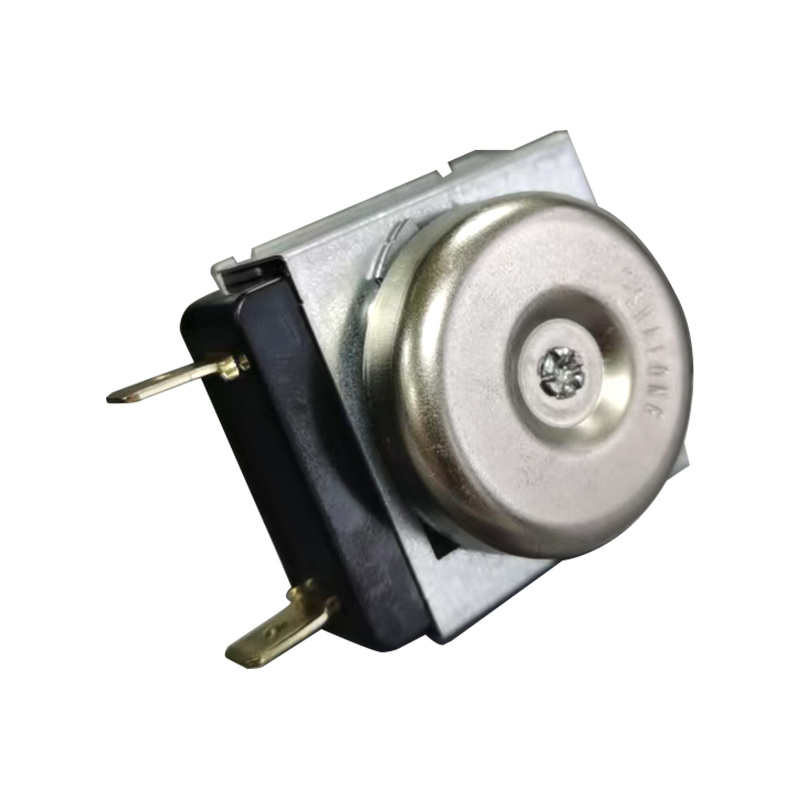
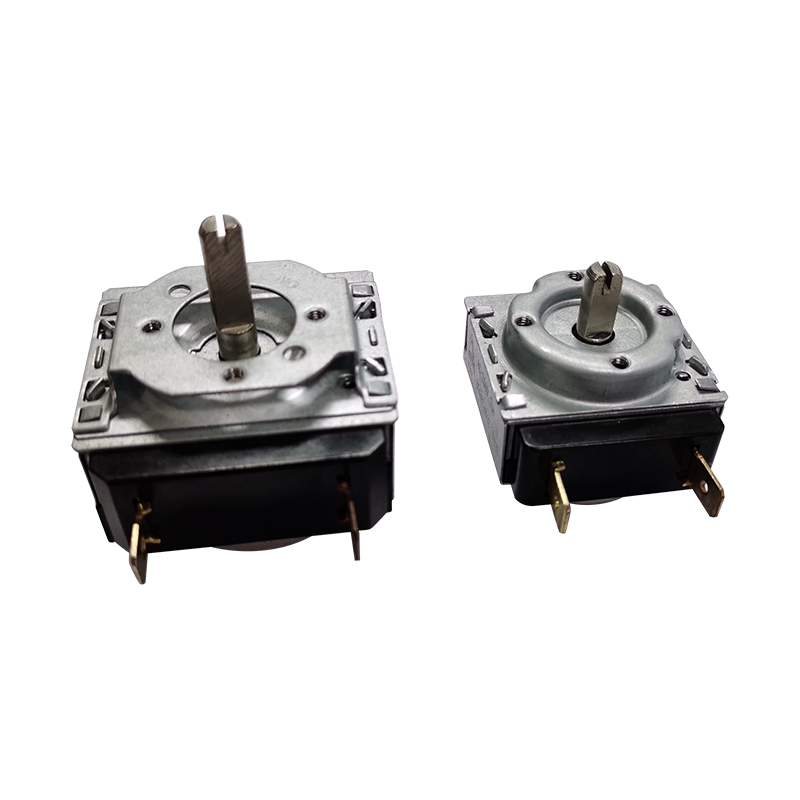
In appliance supply chains, "small timer" is shorthand for a mechanical timer whose body footprint and shaft geometry allow it to be mounted in a narrow control panel or a tight chassis corner. It is not a marketing category and there is no universal size threshold, but in practice most parts described this way have a body roughly in the 28 to 40 mm range, a shaft of a few millimetres diameter, and a timing range that runs from about 15 minutes up to around 180 minutes. The mechanism inside is a spring-driven gear train with a mechanical escapement, an end stop, and optionally a bell hammer that strikes once at the end of the countdown.
Confusion usually appears when three different things get called small. The first is a genuinely compact body designed for space-constrained panels. The second is a short timing range on a normal body, such as a 15-minute egg cooker timer. The third is a compact electronic module with a display. These are not interchangeable, and a request that mixes them will produce samples that fail on the first fit check.
One useful way to separate the options is to look at how a manufacturer structures its families. A regular series typically prioritises torque, a robust shaft and a wide range of end applications. A small size precision series prioritises a reduced body, tighter assembly control and repeatable switching at short ranges. A circular oven timer is a different shape entirely, built around a round dial that reads naturally on an oven fascia.
Typical catalogue positioning of three mechanical timer families. Values describe common configurations rather than hard limits, and final specifications should always be confirmed on the approved drawing.
| Attribute |
Regular series |
Small size precision series |
Circular oven timer |
| Primary design goal |
Torque reserve and broad application coverage |
Compact body with controlled switching |
Readable round dial for oven fascias |
| Common timing ranges |
15 to 180 minutes plus longer variants |
15 to 90 minutes, with selected longer versions |
60 to 160 minutes |
| Bell option |
With bell and without bell |
Mostly without bell, some with bell |
Long ring and short ring variants |
| Typical mounting |
Shaft through panel with rear fixing |
Shaft through panel in narrow cutouts |
Round bezel with central shaft |
| Certification options |
UL, CE, TUV, DKJ depending on model |
UL, CE, TUV, DKJ depending on model |
CE, TUV, DKJ depending on model |
A compact body does not automatically mean a weaker mechanism. What changes is the amount of space available for the mainspring, the gear train and the contact block, so the design has to earn its torque margin through better materials and tighter assembly rather than through sheer size. That is why two timers with the same external dimensions can behave very differently after ten thousand operations.
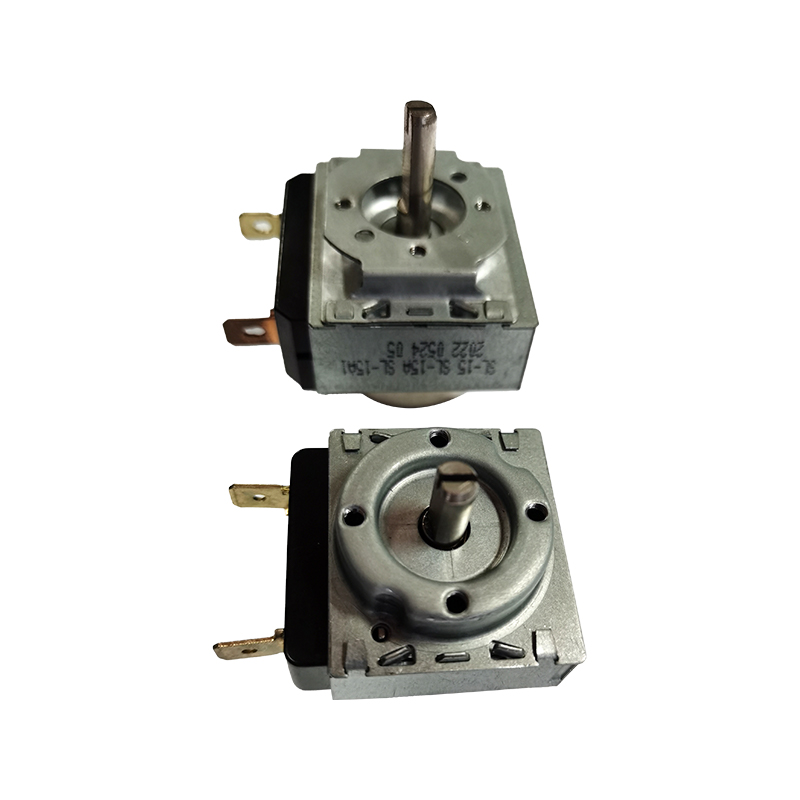 SLS-X Compact Mechanical Timer for Air FryersA compact no-bell 30/60-minute mechanical timer for air fryers and kitchen appliances, with UL/CE marking and specified contact ratings.View Product →
A small timer is defined by its body and shaft geometry first and its timing range second, so the drawing must settle fit before anyone argues about minutes.
Why Compact Mechanical Timers Still Hold Their Place
Electronic control has taken over most of the user interface on modern appliances, yet the mechanical small timer keeps appearing in new projects. The reasons are practical rather than sentimental. A mechanical timer draws no standby power, needs no firmware, no clock source and no isolation barrier, and it keeps working when the main board is in a fault state. For an appliance that must always be able to switch a heater off, that independence is worth something.
There is also a user-experience argument. A rotary knob gives tactile feedback and an unambiguous physical position. A cook can glance at the dial and see roughly how much time remains without reading a number. In markets where a segment of buyers distrusts touch panels on a hot appliance, a mechanical control is a selling point rather than a compromise.
Cost is the third factor, and it is often overstated in both directions. The part itself is inexpensive, but the surrounding savings matter more: no display window, no membrane keypad, no low-voltage rail, no conformal coating decision for a humid cavity. On a high-volume countertop appliance, removing those items can simplify the whole control architecture.
The trade-offs are real and should be stated plainly. A mechanical timer has a wider tolerance band than a crystal-referenced electronic one, it cannot offer delayed start or multi-stage programmes, and its accuracy depends on spring condition and lubrication over its service life. For a 60-minute bake or a 3-minute toast cycle, those limits are usually acceptable. For a laboratory protocol, they are not, and pretending otherwise leads to returns.
Heat tolerance is frequently the deciding factor. A compact timer mounted near the rear of an oven or air fryer cavity operates in an environment that would force an electronic module into a costly thermal design. A metal-bodied mechanical unit with a suitable lubricant and contact set can be positioned closer to the heat source, which simplifies the overall layout of the appliance.
Choose a mechanical small timer when independence from the control board, tactile operation and heat proximity matter more than programme flexibility.
The Dimensions That Decide Whether a Small Timer Fits
Most fit failures on a small timer are not caused by the body size at all. They come from the shaft. The visible length of the shaft, its diameter, whether it is flatted or knurled, how far the flat extends, and how much thread or bushing is available for the panel nut all affect whether the knob sits flush and whether the assembly survives a drop test. A 0.5 mm error in shaft length can leave a knob proud of the fascia, and a proud knob is a snag hazard in a retail packaging drop.
The panel cutout is the second usual suspect. A round cutout with a small anti-rotation flat needs a matching punch tool, and if the flat is oriented incorrectly the timer will clock itself into the wrong position. Buyers should confirm the flat orientation on the drawing rather than assuming it matches a previous project, because two suppliers may interpret a sketch in opposite ways.
Dimensional items worth listing on the drawing
- Body envelope in three axes, including the highest point of any rivet or terminal
- Shaft diameter, effective length from the mounting face, and flat width and depth
- Mounting method: front nut, rear bracket, snap clip or screw bosses
- Panel cutout diameter and anti-rotation feature position
- Knob engagement depth and maximum recommended turning torque
- Terminal type, spacing and the direction the wires leave the body
- Clearance needed for the bell hammer and for the pointer sweep
Rear clearance deserves more attention than it usually receives. The gear train and the contact block occupy depth behind the panel, and on a narrow appliance the rear of the timer can clash with a cable harness or an insulation sleeve. A supplier with in-house tooling can often adjust a shaft or bracket quickly, but each change is a new part number, a new sample round and a new approval, so it is cheaper to get the geometry right in the first drawing review.
Torque also has a dimensional dimension, in a literal sense. The knob must be turnable by a person with wet or greasy hands, and the end stop must feel definite without requiring force that could damage the panel. If the specified knob is large, the mechanical advantage is generous and the required torque is low. If the design uses a small recessed dial, the same mechanism will feel stiff, and the supplier should know about the knob diameter before finalising the mainspring.
Settle shaft length, flat orientation, cutout and rear clearance on paper before sampling, because these four items cause most first-round fit rejections.
Timing Ranges by Appliance: A Practical Benchmark
Timing ranges are not chosen arbitrarily, they follow the cooking or process cycle of the host appliance. Grouping the ranges by appliance category makes it easier to spot when a requested range sits outside the normal band for that product, which is often a sign that the specification has been copied from a different platform. The chart below shows typical maximum ranges across the small kitchen appliance categories that use compact mechanical timers most often.
Typical maximum timing range by appliance category
Egg cooker and steamer basket
15 min
Sterilizer cabinet
20 to 30 min
Oven, free standing or built in
60 to 90 min
Electric pressure cooker
100 to 120 min
The pattern here is straightforward: the shorter the cycle, the more the tolerance matters relative to the total time. A 15-minute egg cooker timer that runs 90 seconds long is a ten percent error and a visibly overcooked egg, while the same 90 seconds on a 180-minute steamer cycle is barely noticeable. Buyers should therefore push hardest on repeatability and end-point consistency for the short-range models, and accept a wider absolute band on the long-range ones.
The middle of the chart, covering air fryers and ovens, is where most compact timer volume sits. These appliances also tend to combine a bell or a positive click with a fairly short user patience window, so the perceived quality of the switch-off event matters as much as the timing itself. A clean, single strike reads as precision; a weak or double strike reads as a cheap part.
Ranges at the top of the chart, such as 160 or 180 minutes, place more demand on the mainspring and on lubrication stability. Longer springs store more energy and release it more slowly, and the gear train has to keep that release consistent across the life of the part. When a programme needs a long range in a compact body, it is worth asking the supplier how the spring and lubricant were validated rather than accepting a catalogue number at face value.
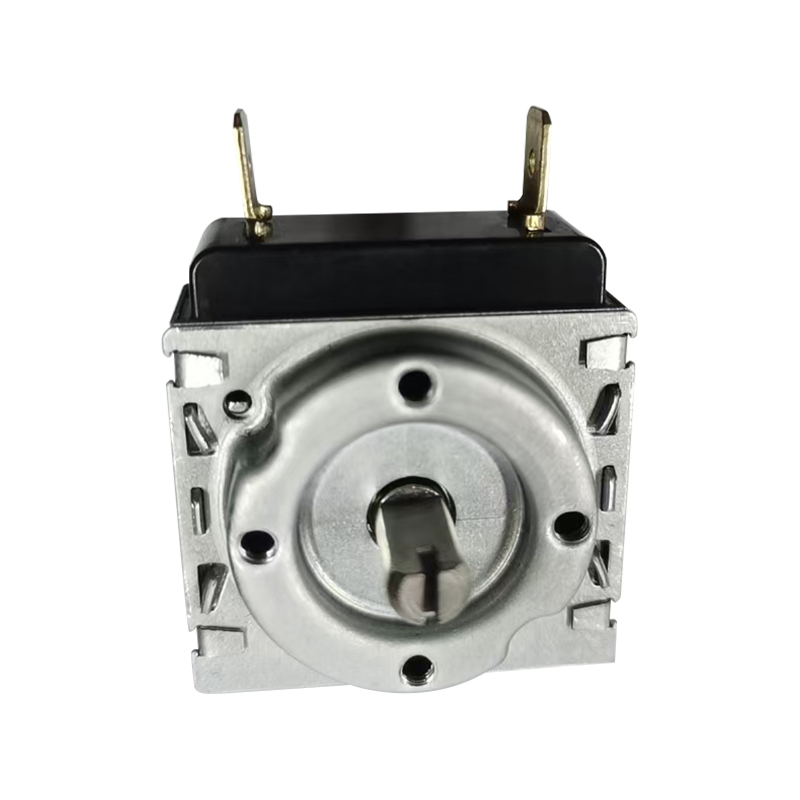 SLS-X 60/90-Minute Mechanical Timer with BellA compact bell-equipped mechanical timer for ovens and kitchen appliances, offered in 60/90-minute ranges for longer timing needs.View Product →
Match the tolerance discussion to the cycle length: short-range small timers need tight end-point control, long-range models need spring and lubricant validation.
Heat, Grease and Steam: What a Small Timer Has to Survive
A timer mounted in an oven door panel and a timer mounted above a steamer vent live in completely different environments, and both are described in the same catalogue as high-temperature resistant. The phrase is useful but incomplete. What matters is the combination of ambient temperature, radiant heat from the cavity, humidity, grease aerosol and cleaning chemicals, because each one attacks a different part of the assembly.
Heat affects the lubricant first. A grease that is stable at 80 °C may migrate or thicken at 150 °C, changing the running torque and therefore the accuracy. It affects plastic components next, which is one reason metal-bodied and metal-geared designs are preferred for cavity-adjacent positions. It also affects the contact block, where long exposure can alter spring tension and contact pressure.
Steam and grease are slower acting but harder to design around. Condensation inside a control panel can carry fine grease particles into the mechanism, where they act as a mild abrasive on the gear teeth. Appliances that see heavy steam, such as steam ovens and sterilizers, benefit from a timer position that avoids the direct plume, and from a shaft seal or a labyrinth feature where the design allows it.
The self-stepping principle and why it matters under load
Mechanical timers rely on an escapement that advances the gear train in discrete steps. The quality of that stepping behaviour determines whether the timer runs evenly under a slightly increased load, such as a stiff knob seal or a cold lubricant. A well-controlled step action keeps the countdown consistent; a loose one shows up as drift, hesitation or an early switch-off. Buyers rarely see this on a datasheet, but they see it in field returns eighteen months later.
Testing should reflect the real mounting position. A timer evaluated on a bench at room temperature tells you almost nothing about behaviour at the rear of an oven cavity. A simple chamber test at the declared working temperature, run for the full timing range and repeated across a sample of at least thirty pieces, exposes most of the issues that a bench test hides.
Validate the small timer in the temperature, steam and grease conditions of its actual mounting position, not on a laboratory bench.
Accuracy, Tolerance and the Numbers Worth Writing Into a Drawing
Mechanical timing accuracy is usually expressed as a percentage of the full-scale range rather than as an absolute number of seconds. That convention matters during negotiation, because a supplier quoting plus or minus ten percent on a 15-minute model is promising about 90 seconds, while the same percentage on a 180-minute model is 18 minutes. Neither figure is good or bad on its own; the question is whether it suits the appliance.
Three separate measures should be specified. The first is the end-point deviation at room temperature on a new part. The second is repeatability, meaning the spread between consecutive cycles on the same unit. The third is the drift after a defined number of operations, which is where lubricant choice and gear wear show up. A supplier that can only quote the first number has probably not characterised the other two.
Drawing and specification checklist
- Nominal range and the direction of rotation for increasing time
- End-point tolerance at 23 °C, stated as a percentage of full scale
- Repeatability allowance across ten consecutive cycles
- Operating temperature range and the mounting position assumed
- Contact rating, resistive and inductive, with the load type named
- Expected operation count for the appliance design life
- Acceptable audible behaviour at switch-off, including bell or click
- Storage conditions and recommended shelf life before installation
End stops and the zero position deserve a note of their own. Some designs allow the knob to be forced slightly past zero, which can preload the spring and shift the first cycle of the next use. If the appliance is likely to be handled roughly in a retail environment, ask for a positive stop and confirm it survives a defined over-travel test.
Contact rating is the item most often copied from an old drawing without review. A timer rated for a small resistive load may behave differently when switching a motor or a heating element with inrush current, and the difference appears as welded contacts rather than as a timing error. Name the actual load in the request, including whether the timer switches the heater directly or drives a relay.
Specify end-point tolerance, repeatability and drift as three separate numbers, and always state the real electrical load.
Certification and Market Access for Export Programmes
For a component buried inside an appliance, certification is rarely a standalone approval. The timer contributes evidence to the appliance-level approval, and the buyer needs to know which marks the component file actually supports. A supplier that lists UL, CE, TUV and DKJ across its range is not saying every model carries every mark, so the model number and the mark should be confirmed together in writing.
The practical consequence is a documentation trail. Importers in North America typically want a UL component file reference and a current report. European buyers want a declaration of conformity with the correct directives named, plus technical documentation that survives an audit. Middle East and North African programmes often add their own registration steps, and the certificate package has to be complete enough for the local agent to act on.
Common certification marks referenced in small timer procurement. The market column indicates where the mark is usually demanded, not the only market where a part may be sold.
| Mark |
Typical market requirement |
What buyers usually ask for |
| UL |
North American appliance programmes |
Component file reference and current test report |
| CE |
European Union and related markets |
Declaration of conformity and technical file |
| TUV |
European buyers with stricter internal sourcing rules |
Certificate number and scope covering the model |
| DKJ |
Domestic appliance programmes and some export customers |
Test report and model-level confirmation |
Two risks are worth flagging. The first is scope creep, where a certificate covering one model is presented as covering an entire family. The second is certificate ageing, where a report has expired or a standard has been revised and nobody updated the file. Both are easy to avoid with a simple check: ask for the certificate, read the model list, and confirm the revision date against the standard currently in force in the destination market.
Export programmes also benefit from a supplier with direct experience of the destination. A manufacturer already shipping to markets such as Korea, Turkey, Brazil, Saudi Arabia and Egypt has usually encountered the local documentation quirks and the packaging expectations, which shortens the learning curve for a new buyer.
Confirm the mark against the exact model number and check the report revision date, because a family certificate rarely covers every variant.
How to Evaluate a Small Timer Manufacturer or Supplier
There is a meaningful difference between a small timer manufacturer and a trading supplier, and it shows up at the worst possible moment: when a shaft needs to be 0.8 mm longer or when a batch fails incoming inspection. A manufacturer with in-house tooling can adjust a die or a fixture and requalify quickly. A supplier without production control can only pass the request upstream and wait.
Useful evidence of manufacturing depth includes self-built production equipment, in-house mould and die capability, and a stated engineering headcount. A facility with a large workforce, a substantial engineering team and a long operating history is more likely to hold a schedule through a demand spike, though scale alone is not proof of process control.
Questions that separate real capability from a catalogue
- Which specific models in your compact range carry UL, CE, TUV or DKJ, and can you send the certificates for those model numbers?
- How do you control end-point tolerance during assembly, and what is the sampling plan?
- What is your standard sample lead time for a new shaft length, and what tooling is involved?
- Can you share the operating temperature validation method for cavity-adjacent mounting?
- What is your monthly capacity for this family, and how is it allocated across customers?
- How do you handle a change of lubricant or gear supplier, and who notifies the customer?
- What is your incoming inspection routine for the mainspring and the contact block?
- Which markets do you currently ship to, and which documentation packages are already prepared?
Change notification is the question most often skipped and most often regretted. A silent substitution of lubricant or contact material can shift timing behaviour and contact life without changing a single dimension, and the buyer usually discovers it during a field failure investigation. A written change control clause, with a defined notification window and a revalidation requirement, is worth more than a small price concession.
It also helps to visit, or at least to request a video walkthrough of, the assembly and test area. Look for end-of-line timing checks, a temperature chamber that is actually in use, and a traceability system that links a shipped carton to a production batch. Those three items tell you more about capability than any brochure.
 SLS-X 15-Minute Egg Cooker Mechanical TimerA compact no-bell 15-minute mechanical timer for egg cookers and kitchen appliances, with high-temperature resistance and single current on/off.View Product →
Ask for model-level certificates, the end-of-line timing check method and a written change notification clause before placing a first order.
Cost Structure, MOQ and the Procurement Risks Nobody Mentions
The unit price of a small timer is a small part of the total cost of ownership, but it is the number that gets negotiated hardest. A more useful conversation covers tooling amortisation, minimum order quantity, packaging, freight, and the cost of a line stop if a batch arrives out of tolerance. On a compact part, the difference between two quotes is often explained entirely by whether tooling has already been paid off by another customer.
Minimum order quantities vary with the level of customisation. A catalogue model with a standard shaft may ship in modest quantities, while a new shaft flat, a different bracket or a custom knob interface usually triggers a tooling charge and a larger minimum. Buyers planning a low-volume or trial build should ask early whether a near-standard variant exists, because adapting a standard part is nearly always cheaper than creating a new one.
Recurring procurement risks
- Certificates presented at family level while the shipped model is not covered
- Silent material or lubricant substitution between batches
- Single-source dependency on one cavity tool or one assembly line
- Long-range models in compact bodies with insufficient spring validation
- Knob and shaft wear causing a loose feel before the electrical life is reached
- Packaging that allows shaft damage in transit, discovered only at the assembly line
Dual sourcing is the standard mitigation, but it has a cost in mechanical parts. Two suppliers will not produce an identical feel at the knob, and consumers notice a difference between units from different batches. A hybrid approach often works better: qualify a second source for the same drawing, run a small bridging stock, and keep the primary supplier responsible for the parts that are most sensitive to feel.
Currency and freight should be modelled explicitly for export programmes. A compact timer is light, so freight is usually less significant than the payment terms and the consolidation schedule. What does hurt is a shipment delayed at the port when the appliance line is already running, which is a strong argument for keeping a few weeks of safety stock on high-running models.
Negotiate tooling, MOQ, change control and safety stock together, because unit price alone hides the risks that actually cost money.
An Integration Checklist Before Mass Production
Most small timer problems surface between the sample approval and the first mass production run, when the drawing is frozen and everyone has moved on to the next project. A short, disciplined checklist closes that gap and costs a few days rather than a few weeks.
- Confirm the approved drawing matches the sample in hand, including shaft length and flat orientation
- Verify the panel cutout and knob fit on a production-intent chassis, not a hand-modified prototype
- Run the temperature validation in the real mounting position across a sample of at least thirty units
- Check end-point deviation, repeatability and audible switch-off against the agreed limits
- Confirm the electrical load type and test the contact set under that load
- Collect model-level certificates and confirm the revision dates
- Agree the incoming inspection plan, the AQL and the handling of rejected lots
- Sign the change notification clause and record who receives the notice
- Set safety stock and confirm the replenishment lead time in writing
The knob fit step catches more problems than any other item on the list, because it is the only one that combines the timer, the panel and the user's hand. A timer that passes every bench test can still feel wrong if the knob is too small for the shaft torque or if the dial sits a fraction too deep.
It is also worth documenting the assembly method. Over-tightening a mounting nut can distort the body and change the running torque, and pressing a knob onto a flatted shaft with excessive force can shift the gear train. A one-page assembly note, agreed with the timer supplier, prevents a great deal of quiet damage on the appliance line.
Run the fit, temperature and load checks on production-intent parts, and write down the assembly method before the line starts.
FAQ: Small Timer Questions Buyers Ask Most
What exactly counts as a small timer?
There is no formal definition, but in appliance sourcing the term usually refers to a compact mechanical timer with a reduced body, a short shaft and a timing range between roughly 15 and 90 minutes. Longer ranges up to 180 minutes exist in compact bodies as well. The practical test is whether the part fits the intended panel and cavity position with the required knob and clearance.
Can a small timer replace an electronic timer without redesigning the control panel?
Usually not directly. A mechanical timer needs a rotary knob, a shaft opening and rear clearance, and it removes the need for a display and a low-voltage supply. The panel and the wiring harness generally change, even when the appliance outline stays the same. Early involvement from the timer supplier makes the redesign shorter.
How accurate is a compact mechanical timer over its life?
Accuracy is normally quoted as a percentage of full scale. Short-range models show smaller absolute deviation, which is why egg cooker and sterilizer applications often specify tighter limits. Over life, the dominant factors are lubricant stability and gear wear, so a supplier that validates drift after a defined number of operations is giving more useful information than one quoting a single laboratory figure.
Which certification should a small timer carry for export?
It depends on the destination market and on the appliance-level approval strategy. UL is commonly requested for North American programmes, CE and TUV for European ones, and DKJ appears in domestic and some export documentation. The essential step is to confirm the mark against the specific model number and check that the report revision is current.
What is a realistic sample lead time for a customised small timer?
For a shaft or bracket variation on an existing platform, a sample round can often be completed within a few weeks, with tooling and drawing approval taking the larger share of the time. A completely new mechanism takes considerably longer. Buyers should ask for the tooling steps separately so the schedule can be tracked.
How should a buyer compare two small timer suppliers?
Compare them on model-level certification, in-house tooling and engineering depth, end-of-line timing checks, capacity allocation and change notification policy. Price matters, but a supplier that cannot show a temperature validation method or a traceability system is offering a lower price for a reason that will appear later.
Does a bell or a click matter for the appliance brand?
It matters more than most specifications suggest. The switch-off event is the moment the user associates with quality, and a weak or double strike reads as imprecision. Range models with and without a bell exist precisely so that the audible behaviour can be matched to the product positioning.
Treat the small timer as a specified mechanical component, not a commodity line item, and the questions above will do most of the qualification work.
A compact timer is one of the last purely mechanical decisions left in a modern appliance programme, and that is exactly why it deserves a proper specification. The fit geometry, the timing range relative to the cycle length, the heat and steam environment, the tolerance band, the certification scope and the supplier's change control all interact. Fixing one without the others tends to move the problem rather than solve it.
The good news is that the work is finite. A drawing review, a production-intent fit check, a temperature run in the real mounting position, and a documented change notification clause cover most of the exposure. Buyers who do those four things usually find that the mechanical option is the quietest part of the bill of materials rather than the loudest complaint source.
If you are working on a new appliance platform and need to narrow down a compact mechanical timer for an oven, air fryer, steamer, sterilizer or a related appliance, the technical team can review the mounting position, range and certification requirement against the existing series and suggest the closest standard variant before any tooling is discussed.
Reference material and next steps
Two pages are worth reading next to support the decisions described above. The first looks at how a sterilizer timer holds accuracy in a high-temperature environment, which is directly relevant to cavity-adjacent mounting. The second puts you in touch with the engineering and sales team for a technical review of a specific project.



 English
 中文简体