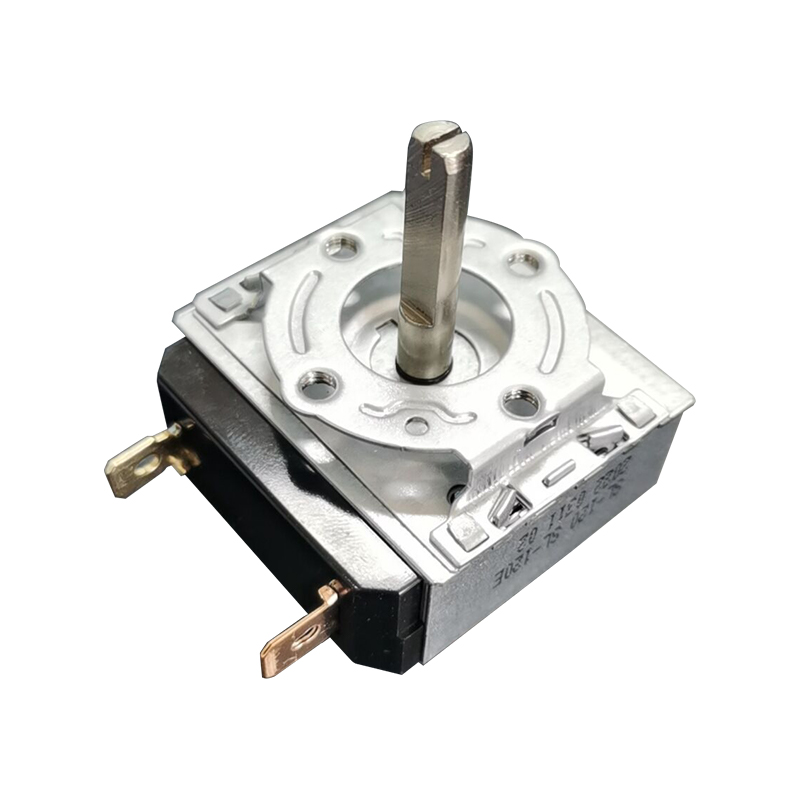
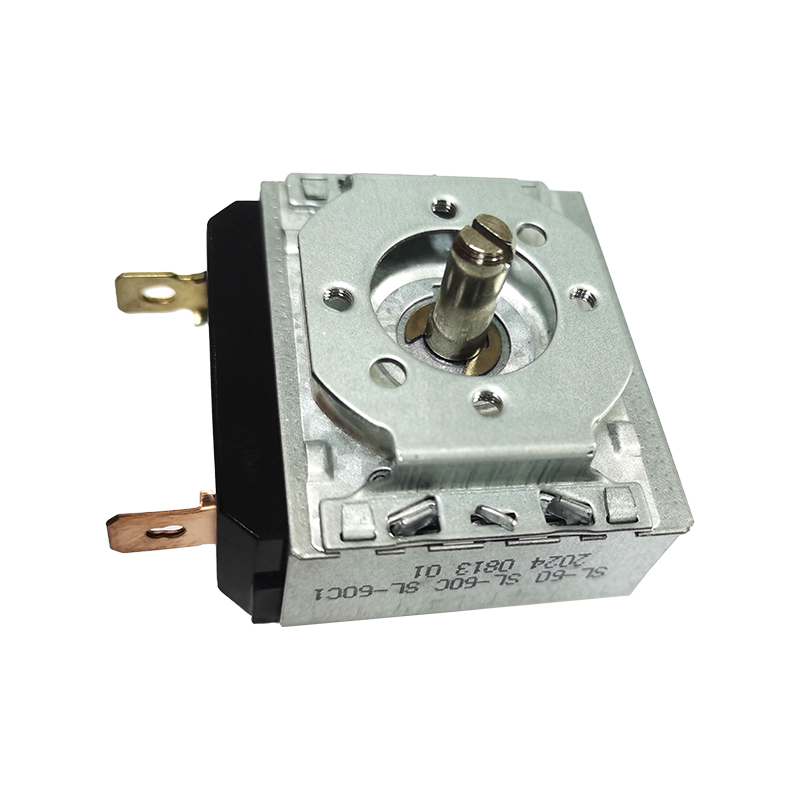
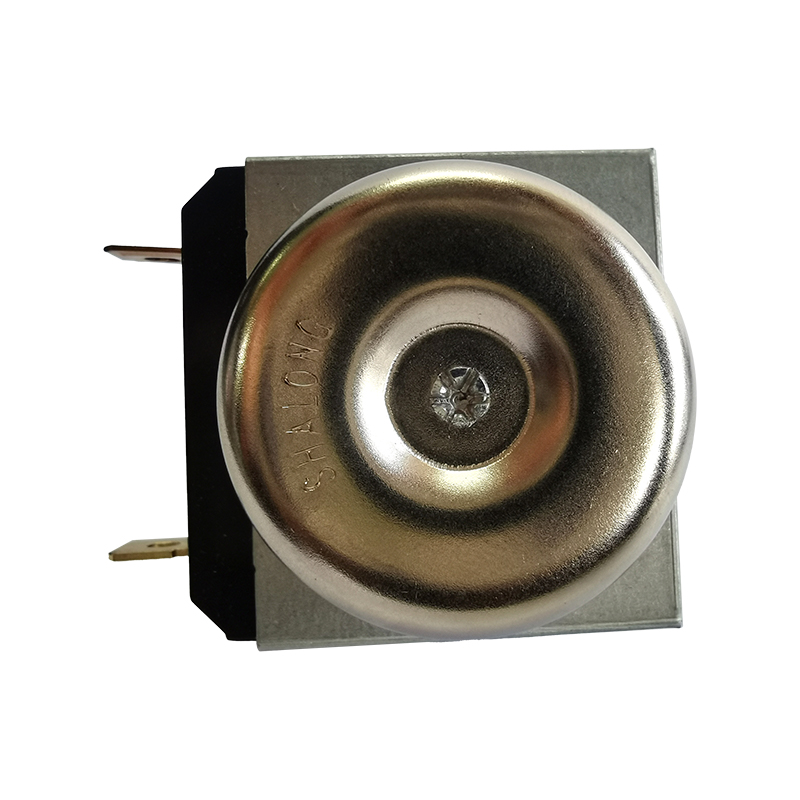
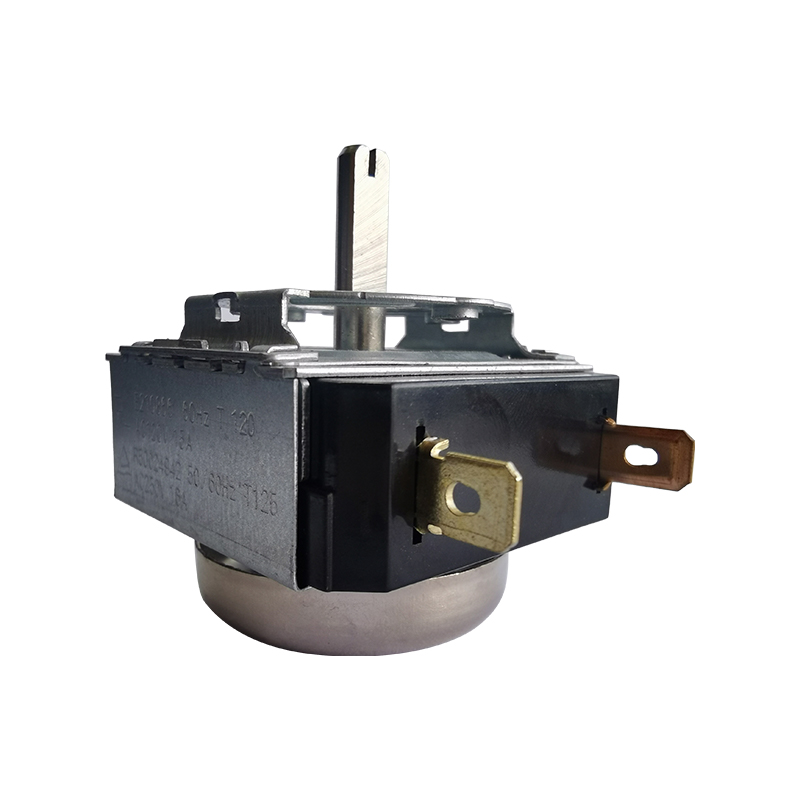
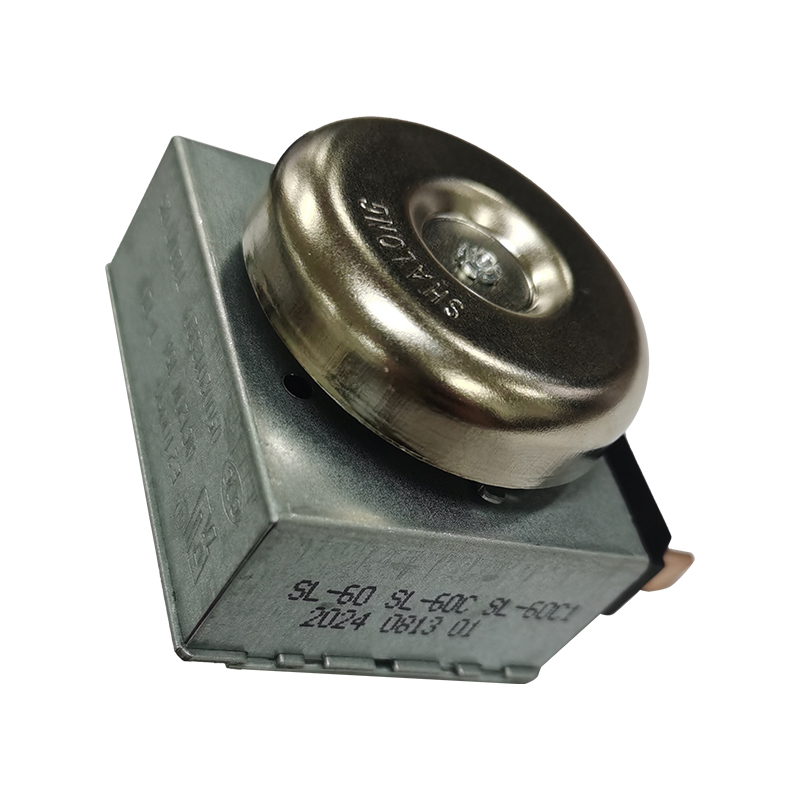
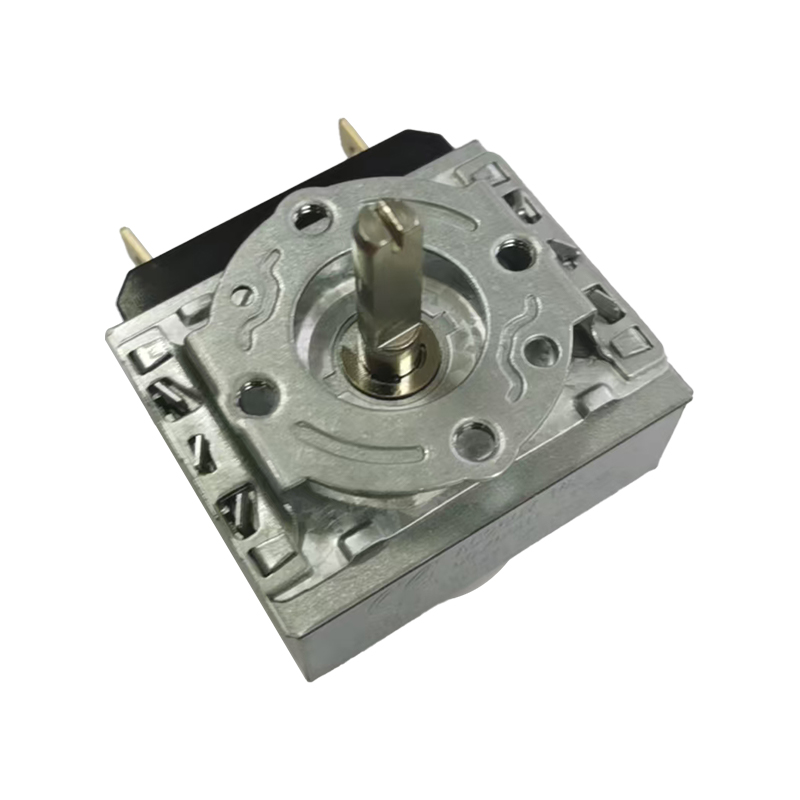
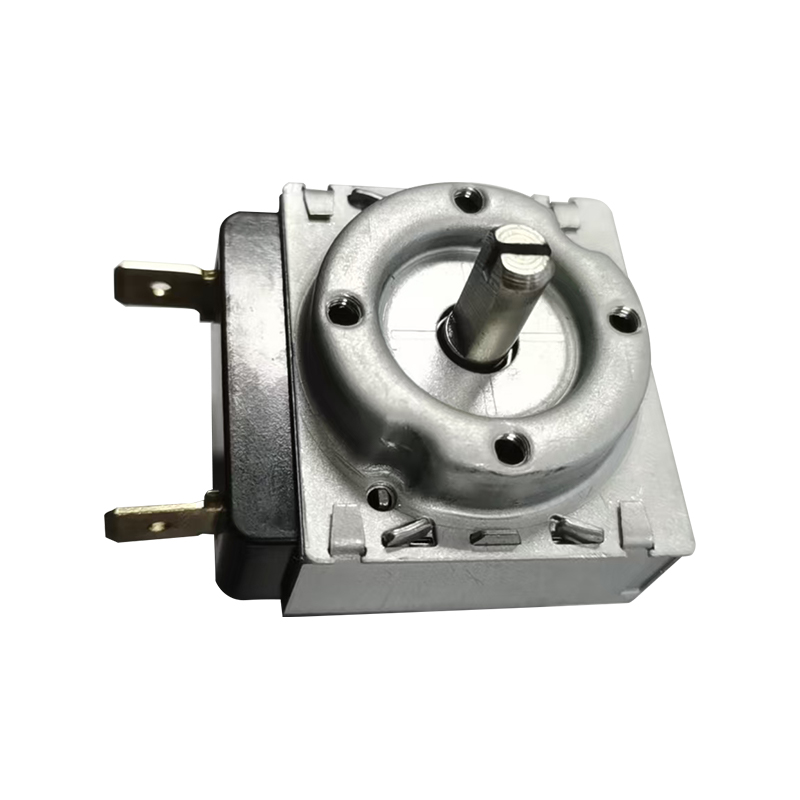
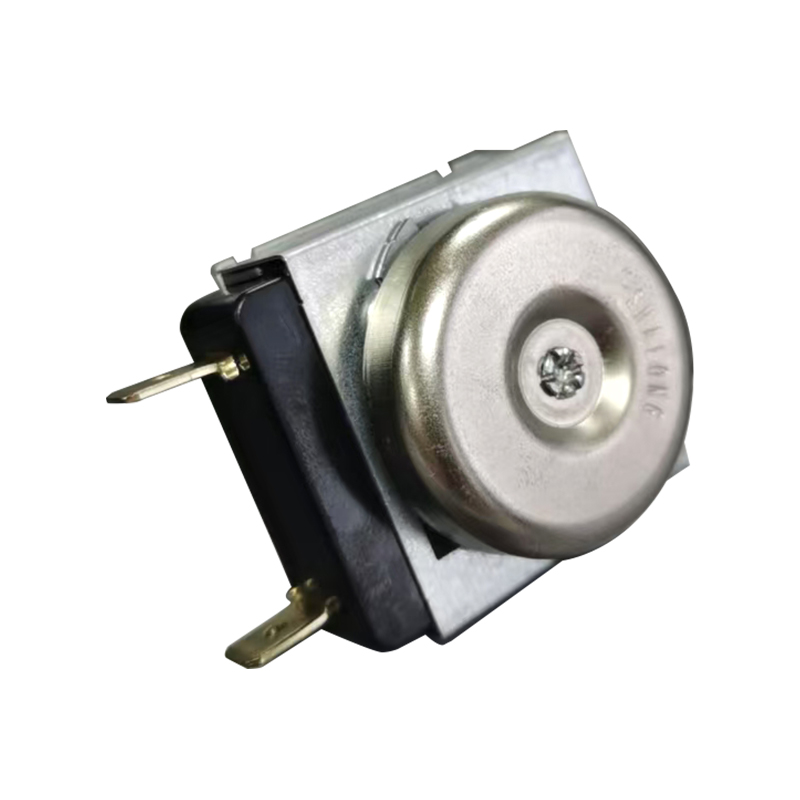
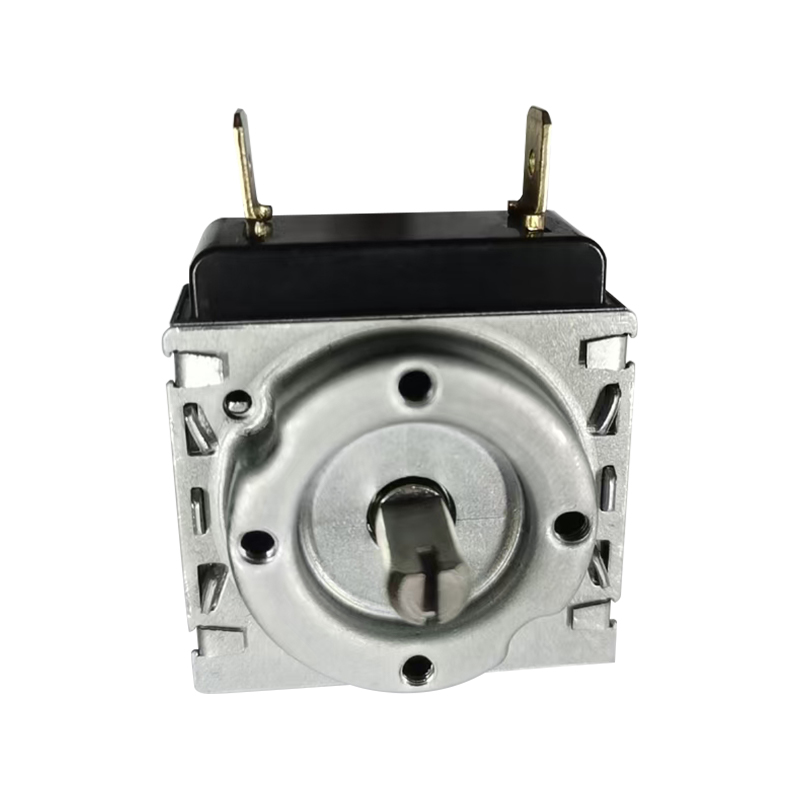
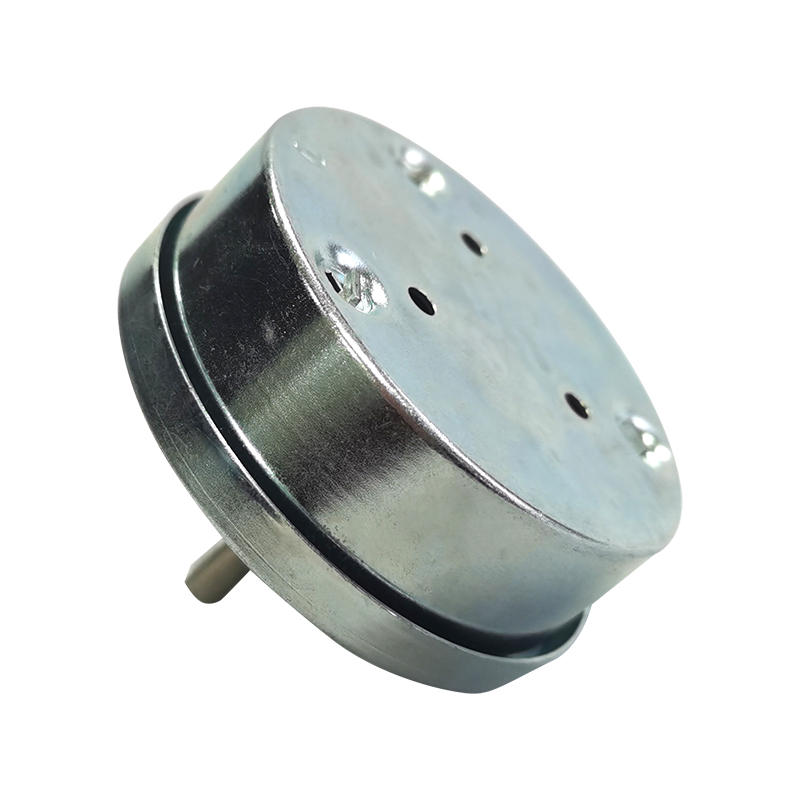
Ovens are common appliances in many home kitchens, and mechanical timers, as a core component, help us control cooking times. But when this seemingly simple switch stops working, it can be confusing. Don't worry, this article will explain in depth how mechanical timers work, analyze common reasons why they may not work, and provide detailed solutions.
How does a mechanical timer work?
A mechanical timer works similarly to a clockwork clock. When you turn the knob, it winds an internal spring. The spring's tension rotates gears, which move a pointer or dial at a fixed speed. When the timer expires, the pointer returns to zero, triggering an internal switch that opens or closes the circuit, turning the oven off or on.
This purely mechanical operation makes it simpler and more durable than electronic timers.
Why isn't my mechanical timer switch working?
The timer is set incorrectly
This is the most common and easiest to fix. Many mechanical timers require you to first turn the knob to the maximum setting and then back down to the desired setting to wind the internal spring. If this is done incorrectly, the timer may not start.
Wiring Problems
A mechanical timer is connected to the oven's circuitry via wires. Loose, broken wires, or oxidized terminals can prevent the timer from receiving power properly and causing it to stop working. These issues usually require professional inspection.
Damaged or Stuck Parts
A mechanical timer contains many precision parts, such as gears, bearings, and springs. If these parts become trapped by oil or dust, or become worn or broken from long-term use, they can affect proper operation.
Gear and Spring Problems
Gears are the core transmission components of a mechanical timer. If the gear teeth are damaged or misaligned, the timer will not keep accurate time. Springs provide power; if they lose their elasticity or break, the timer will not wind properly.
Power Problems
Although a mechanical timer operates mechanically, it controls the on/off power supply. If there is a problem with the oven's power supply, such as a blown fuse or tripped circuit breaker, the timer will naturally stop working.
Misaligned Yellow Clock Wheel
Some models of mechanical timers have a "yellow clock wheel." If this wheel is misaligned, the internal switch may not trigger properly, affecting the timing function and requiring disassembly of the timer for adjustment.
How to Repair a Non-Working Mechanical Timer
- Check the Operation: Ensure the timer is set correctly.
- Cleaning the Exterior: If the knob is stuck, wipe it with a clean cloth to remove oil and dust.
- Check the Wiring (Always Turn Off the Power): If you have electrical knowledge, you can check the wiring for security with the power off.
For complex issues like internal component damage or misalignment, it is recommended to consult a professional repairman to avoid further damage or safety hazards.
When to Replace a Mechanical Timer Switch
- Extremely Worn or Damaged Internal Parts: The repair cost may approach or exceed the replacement cost.
- If Multiple Repairs Have No Effect: The mechanical timer is deteriorating, and replacing it with a new one is a safer option.
- Safety Risk: If a timer malfunction prevents the oven from shutting off properly, it should be replaced immediately.
Cost Comparison
- Repair: Simple cleaning or wiring issues are inexpensive, but replacing internal parts is more expensive.
- Replacement: A new mechanical timer generally costs between a few dozen and a hundred yuan. While more expensive than a minor repair, it is more reliable and durable.
How to Clean and Maintain a Mechanical Timer
- Keep it Clean: Wipe it regularly with a soft cloth to prevent dust and oil accumulation.
- Gentle Operation: Use gentle pressure when setting the timer.
- Avoid Liquids: Prevent water or other liquids from seeping in, which can cause corrosion or short circuits.
Mechanical Timer FAQs
Will it wear out?
Yes, the gears and springs will wear out over time, and it's normal for it to become inaccurate or eventually stop working.
How to Check?
First, check the appearance and feel of the knob. If it doesn't turn smoothly or is stuck, it may be stuck internally. If it doesn't respond at all, it could be a power or wiring problem.
How Reliable Is It?
Mechanical timers have a simple structure, are unaffected by power fluctuations, and are generally stable and durable.
What Are They Best Used For?
They are suitable for appliances that don't require high timing accuracy but require durability and stability, such as ovens, fans, and exhaust fans.
What If You Need Higher Precision or More Complex Functions?
Consider an electronic timer or a smart timer.
Mechanical Outlet Timers vs. Automatic Outlet Timers
A mechanical outlet timer is a standalone device that plugs into an outlet and then into an appliance, with a dial controlling the on/off timer. An automatic outlet timer typically refers to an appliance with an automatic on/off function built into it.
If your oven's mechanical timer isn't working, there are several possible reasons. First, troubleshoot the operation and settings, then repair or replace it based on the problem. Proper daily maintenance can extend the life of the mechanical timer and ensure continued normal use of your oven.



 English
 中文简体
中文简体