English
 中文简体
Metal mechanical timer by manual SL 1-120min CE
Cat:SL-X series regular timer
Time setting: 15', 20', 30', 60', 100',120', 180' or customized (1-180min timer range)Applicable: Microwave/Oven/Electric Pressure Cooker/Kitchen Mach...
See Details


A purchasing engineer puts three samples on the desk: a 30-minute dial for an air fryer, a 90-minute dial for a built-in oven, and a round 60-minute cook timer for a free-standing oven. The panel drawing is signed off, the landed cost is agreed, and one question is still open. Can the same supplier hold its settings after two years of daily use in a hot kitchen, and can it prove that with a certificate file that matches the markets the appliance ships to? That question, not the price list, decides whether the launch date holds.
The short answer is that a cook timer inside an appliance is rarely judged as a clock. It is judged as a mechanical interface. How it feels under a thumb, how it survives heat and steam, how it behaves when a user forces the knob past zero, and whether the certification paperwork covers the exact model that was ordered. Accuracy matters, but it matters inside a tolerance band the appliance designer sets, not against a laboratory stopwatch.
This guide is written for the people who buy, specify and qualify these parts: appliance OEM engineering teams, procurement and supply chain staff, quality and compliance departments, and importers sourcing from a Chinese manufacturer. It covers dial range selection, bell and shaft options, heat resistance, the difference between standard and small-precision platforms, certification planning, supplier audits, common field failures, and the commercial side of ordering. Where a topic has a dedicated technical note, it is linked once rather than repeated.
The reference point throughout is Jiangsu Shalong Mechanical & Electrical Technology Co., Ltd., a manufacturer based in the Jingjiang Economic Development Zone in Jiangsu, China. The company has operated since 1991, runs a self-built plant of more than 40,000 square metres, and employs over 800 people, including more than 80 engineering staff. It describes itself as a specialist producer of high-temperature-resistant metal mechanical timers and as one of the drafting units for industry standards in its segment. Its products sit inside ovens, air fryers, steamers, pressure cookers, sterilizers and medical devices rather than on retail shelves, which shapes every requirement discussed below.
A cook timer is a mechanical interface first and a clock second, so dial range, heat resistance, shaft fit and certification scope should be locked before price becomes the conversation.
Content
The mechanism is simple enough to describe in one sentence and demanding enough to occupy an engineering team for years. A user turns the knob, the shaft rotates, and a mainspring winds. The spring drives a gear train through a reduction stage, and the output cam creeps toward zero. While the cam is off its rest position, a contact set stays closed and the appliance circuit is live. When the cam returns to zero, the contacts open, the heater stops, and a hammer strikes a bell if the model carries one. A self-stepping or escapement element regulates the release so the train advances at a steady rate instead of unwinding in one rush.
Each of those stages carries a decision that reaches the finished appliance. The spring sets how much torque is available at the knob and how the final ten minutes feel. The gear train sets the reduction ratio and therefore the dial range. The contact set sets the electrical rating and the switching life. The housing and the lubricant set how the whole assembly behaves at elevated temperature. Change one and the others move with it, which is why mechanical timers are specified as complete platforms rather than assembled from a parts catalogue.
There is a reason appliance designers still choose mechanical over electronic for many models. A mechanical cook timer draws no standby power, needs no firmware, holds its wound position through a power interruption, and can be replaced without touching a control board. For small kitchen appliances built at volume, the cost is also easier to lock across a multi-year programme, because the bill of materials is short and the tooling is a one-time investment.
| Consideration | Mechanical cook timer | Electronic timer |
|---|---|---|
| Power during operation | No standby draw beyond the switched load | Continuous low-voltage supply and control board needed |
| Behaviour in a power cut | Keeps the wound position; contact state depends on design | Usually resets, or needs battery backup |
| Setting feedback | Knob angle, detent feel, bell at zero | Display, buzzer, menu structure |
| Temperature limits | Set by materials, lubricant and spring wire | Set by PCB, display and enclosure rating |
| Cost structure | Low part count, tooling led | Component and firmware led |
| Typical failure modes | Wear, spring fatigue, contact erosion | Firmware faults, sensor drift, supply failure |
Read that table as a design brief rather than a verdict. An air fryer with a single heating profile is a natural fit for a mechanical module, because the user needs one value (minutes) and the appliance needs one output (heater on or off). A built-in oven with probe cooking, delayed start and multiple fan modes belongs on a control board. Many product lines end up carrying both: a mechanical cook timer on the entry SKU and an electronic control on the premium SKU, sharing the same panel cutout wherever possible so that the chassis does not need two sets of tooling.
The practical consequence for buyers is that the specification conversation should begin with the user's hand, not with a tolerance figure. If the knob is turned with wet or greasy fingers, if the appliance sits under a cabinet and the dial is read at an angle, if users habitually force the knob past the zero stop, those behaviours define the real requirement. A timer that meets a bench tolerance but feels gritty at the ten-minute mark will still generate returns.
Specify the timer as a complete platform, because spring, gear train, contacts and housing are tuned together and a single substitution can change the feel, the life and the electrical rating at once.
The dial range is the first number on any specification sheet and the one most often chosen by habit. Range and resolution trade against each other. A full mechanical rotation covers roughly 270 to 300 degrees on most designs, so a 15-minute timer spreads 15 minutes across that arc and gives the user fine control, while a 180-minute timer spreads 180 minutes across the same arc and compresses each minute into a narrow slice of the dial.
For an egg cooker or a steamer basket, resolution matters more than headroom, because nobody needs 180 minutes on a device that boils water in eight. For an electric steamer running a long braise, the opposite holds: the user needs the full range and accepts coarse adjustment at the middle of the dial. Getting this wrong surfaces as a complaint that the knob jumps from 40 straight to 55, which is a resolution complaint dressed up as an accuracy complaint and cannot be fixed by tightening the tolerance.
The ranges in the current catalogue run from 5 to 15 minutes for medical equipment through 15, 20, 30, 60, 90, 120, 160 and 180 minutes for kitchen appliances. Round 60-minute dials are offered for free-standing ovens, alongside a 160-minute high-temperature round model. Two product page filenames carry the values 1180 and 1120 minutes without further explanation on the site, which is a useful reminder to confirm any non-standard range in writing with the supplier rather than reading a filename as a specification.
The chart below puts the common appliance categories on a single scale so that range decisions can be compared side by side. It shows the maximum dial value typically quoted for each category, not the only value available, because most platforms are offered in several ranges.
Typical maximum dial range by appliance category (minutes)
The spread from 15 to 180 minutes is what makes a single manufacturer useful across a whole kitchen portfolio. A buyer sourcing an air fryer line and a steamer line from the same supplier can standardise on one gear train family and one contact set while still ordering two very different dial ranges, which usually simplifies qualification and reduces the number of audits. It also means that a range change late in a project is a tooling conversation rather than a new supplier search. Where a platform is offered in both a standard and a compact body, the smaller body may not reach the longest ranges, so confirming the available combinations early avoids redesigning the panel at the prototype stage. For oven programmes specifically, the dial geometry and knob relationship are discussed in more detail in the note on how the oven mechanical timer helps improve baking results.
Round versus rectangular is the other half of the decision. A round body suits a drilled panel and a single central fixing with an anti-rotation tag, which is common on free-standing ovens where the dial sits behind the door or on the front fascia. A rectangular body suits a moulded pocket with two screws and often allows a longer shaft and a larger cam. Neither is inherently better, but the panel tooling usually decides the question before the engineering team does.
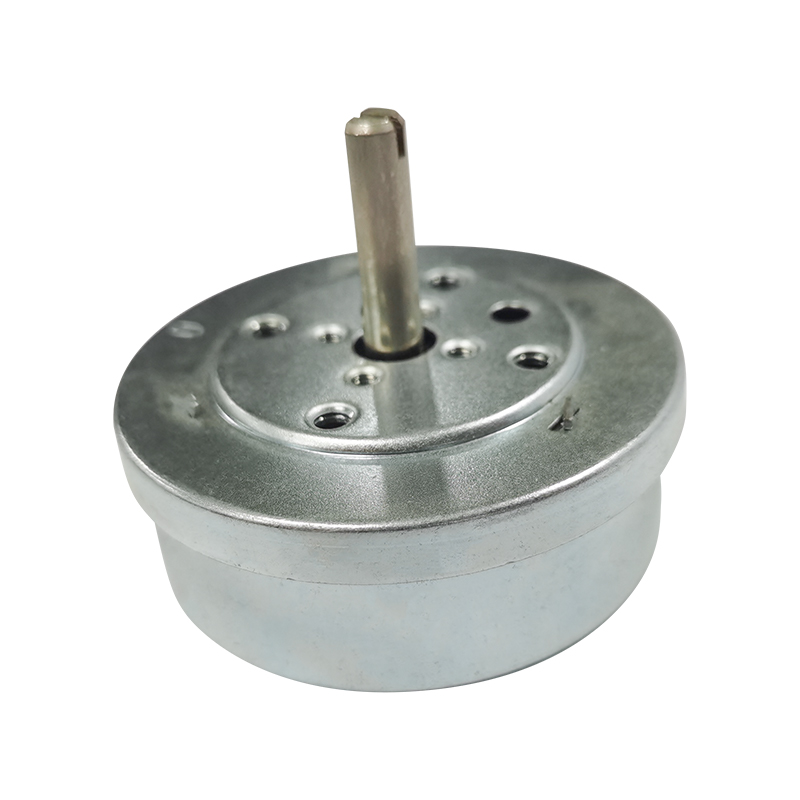
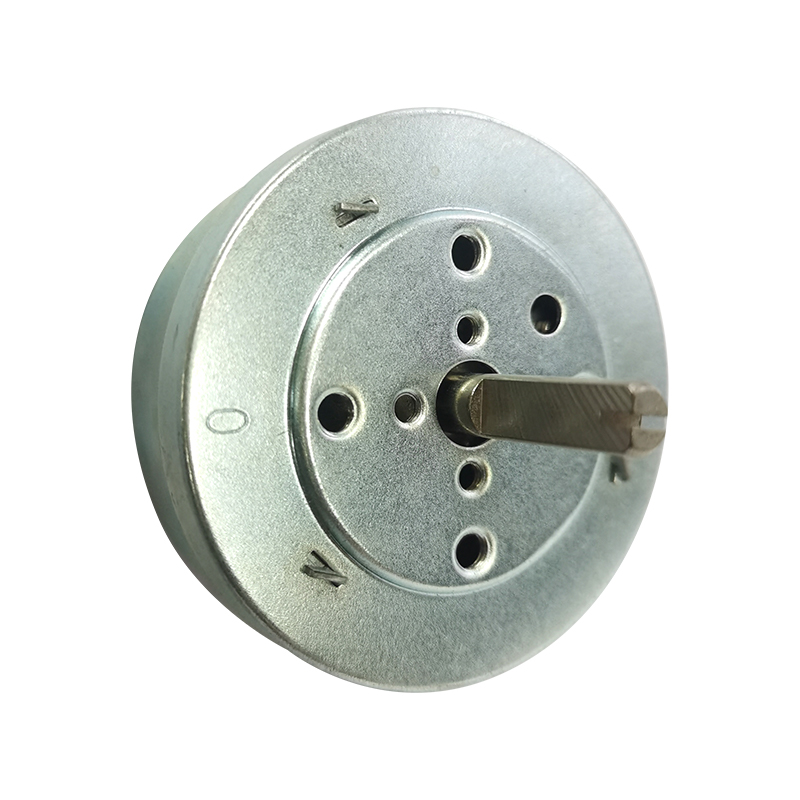 60-Minute Round Mechanical Oven TimerRound mechanical timer for free-standing ovens, with a 60-minute range that covers typical recipe cycles without adding unnecessary dial resolution.View Product →
Choose the shortest dial range that still covers the longest recipe the appliance will realistically run, because range bought beyond need is resolution given away.
The bell is the detail that decides whether a user trusts the appliance. A mechanical cook timer that simply opens a contact and lets the heater die is silent, and silence in a kitchen reads as failure. A hammer-and-gong bell gives an audible end-of-cycle signal without a buzzer, a battery or a speaker, and it is often the single feature that makes a low-cost appliance feel finished. The trade-off is that a bell adds a gong, a hammer spring and an extra assembly step, so it changes the unit cost and the internal height of the housing.
Most platforms offer both variants, and the catalogue reflects that: air fryer, oven, steamer and sterilizer timers appear in with-bell and without-bell versions across the SL-X and SLS-X series. The without-bell version is not a downgrade; it is the correct choice when the appliance already has an electronic buzzer, when the timer is hidden behind a closed door, or when the end of the cycle is signalled by a thermostat rather than by the timer.
Shaft design is where most late-stage surprises appear. The shaft diameter, its length beyond the panel, whether it is round or has a flat, the position of the flat relative to the dial printing, and the way the knob is retained all need to be agreed with a drawing rather than a photograph. A shaft that is 2 mm too long leaves the knob standing off the panel; 2 mm too short and the knob bottoms out before the pointer reaches zero. Retaining clips, push-on knobs with a spring insert, and screw-fixed knobs each need a different shaft detail.
Panel fit also covers panel thickness, the anti-rotation feature and the sealing arrangement. Steam appliances push moisture past the shaft if there is no seal or drain path, and the moisture carries grease away from the gear train. On disinfection cabinets and sterilizers, the humidity load is continuous rather than occasional, so the shaft seal and the housing material become part of the reliability discussion rather than an afterthought. Buyers should ask for the panel cutout drawing with tolerances stated, and then check a pilot build against it before approving tooling.
The last fit question is feel. Detent strength, knob friction and the effort needed at the final few minutes are what users describe when they say a timer is cheap or solid. These are set by spring torque, cam profile and lubricant, and they can be tuned within a platform, but not for free. If a specification sheet says only that the timer has a "comfortable feel", ask for a torque range and a sample set to confirm it.
Bell, shaft length, flat position and panel thickness are cheap to change on paper and expensive to change after tooling, so settle them with drawings and a pilot build.
The inside of a countertop oven is an unfriendly place for a plastic mechanism. Radiant heat from the cavity, conducted heat through the metal fascia, and steam escaping around the door all combine to raise the local temperature at the timer well above room ambient. A timer that works perfectly on a bench at 25 degrees can stiffen, drift or lose its bell within weeks in that environment. This is why the phrase high-temperature-resistant appears in so many product names on the site, and why it should be read as a claim that requires a test condition rather than a slogan.
Three elements carry most of the heat performance. The housing material sets the point at which the body softens or creeps and lets the gear train lose mesh. The lubricant sets whether the train stays free at temperature or turns gummy and slow. The spring wire and its heat treatment set whether torque is retained after hundreds of cycles at elevated temperature. A manufacturer that controls all three can offer a genuine high-temperature platform; one that controls only the housing is selling a partial solution.
For buyers, the useful questions are concrete. What ambient temperature was the life test run at, and for how many cycles? Was the test performed with the bell fitted, since the gong and hammer add mass and contact points? Was the contact set loaded at its rated current during the test, or switched dry? A dry switching test tells you about the mechanism; a loaded test tells you about the contacts, and it is the loaded test that predicts field returns. Ask for the report, not the summary line.
Deep fryers, sterilizers and built-in ovens are the categories where heat claims are tested hardest, because the timer sits close to a sustained heat source and the user cycle is long. Air fryers are different: the cycle is short but the cavity is dense and the airflow is aggressive, so the timer may see rapid temperature swings rather than a steady soak. A platform qualified on a steady soak is not automatically qualified for thermal cycling, which is exactly the kind of gap a well-run audit catches before the first shipment.
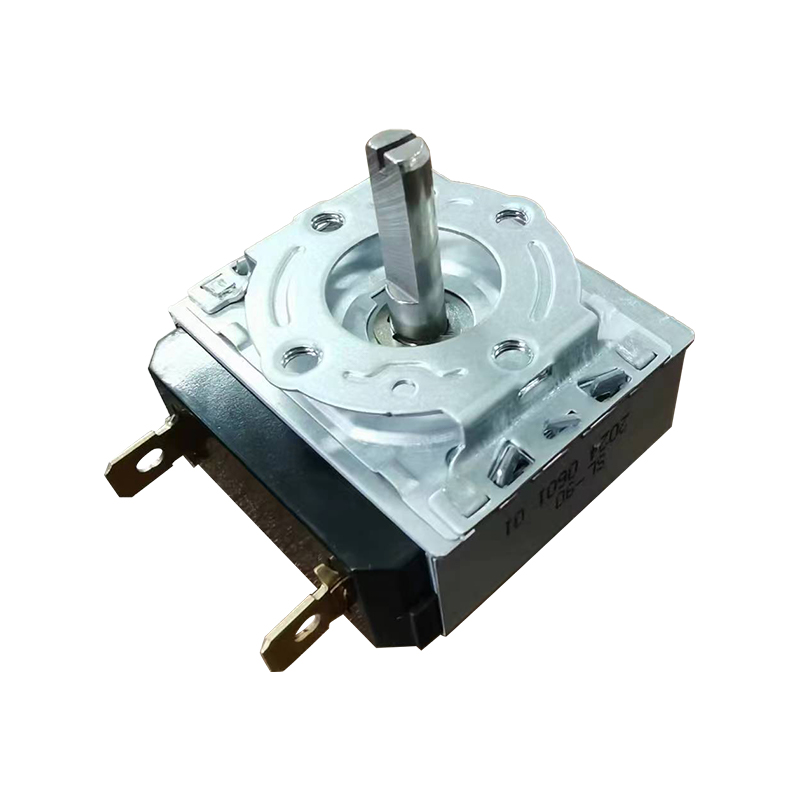 SL Series Metal Mechanical Timer for Air FryersA metal mechanical timer for air fryers and compatible kitchen appliances, offered with bell and multiple time settings up to 180 minutes.View Product →
Treat every high-temperature claim as untested until you have seen the ambient condition, the cycle count and the electrical load used in the life test.
The catalogue splits into three visible product families: the SL-X regular series, the SLS-X small-size precision series, and the circular oven timer family that sits alongside them as a distinct form factor. The naming is not marketing decoration. SL-X is the general-purpose platform, built for the torque and the durability that ovens, steamers, pressure cookers and deep fryers ask for. SLS-X is the compact platform, aimed at slimmer appliances where depth behind the panel is limited and the dial needs to resolve finer increments within a shorter range.
Choosing between them usually comes down to space and load rather than to price. A 180-minute electric steamer timer needs a long, stable spring and a gear train that will not creep over three hours of heat; that is SL-X territory. An egg cooker or a compact air fryer with a shallow control housing is SLS-X territory, where the smaller body still delivers 15-minute or 30 to 60-minute ranges with good repeatability. Where the ranges overlap, such as 60 and 90-minute ovens offered in both families, the decision is driven by panel depth, shaft length and whether the bell is required.
The overlap is deliberate and useful. A buyer who already qualifies one family for an air fryer can often extend into an oven model without a second supplier qualification, because the contact set and the quality system are shared even though the housing and gear ratio differ. That is the practical value of a series approach: the tooling is family-wide, the variants are parameter combinations, and the certification file can cover a group of models rather than a single part number.
It helps to think of the choice as a specification grid. Range, bell, shaft, panel fixing, temperature class and certification mark are the axes, and each family fills a different region of that grid. Buyers who present their grid clearly at the enquiry stage tend to receive a matched sample set rather than a catalogue, which shortens the evaluation by weeks and makes the comparison meaningful.
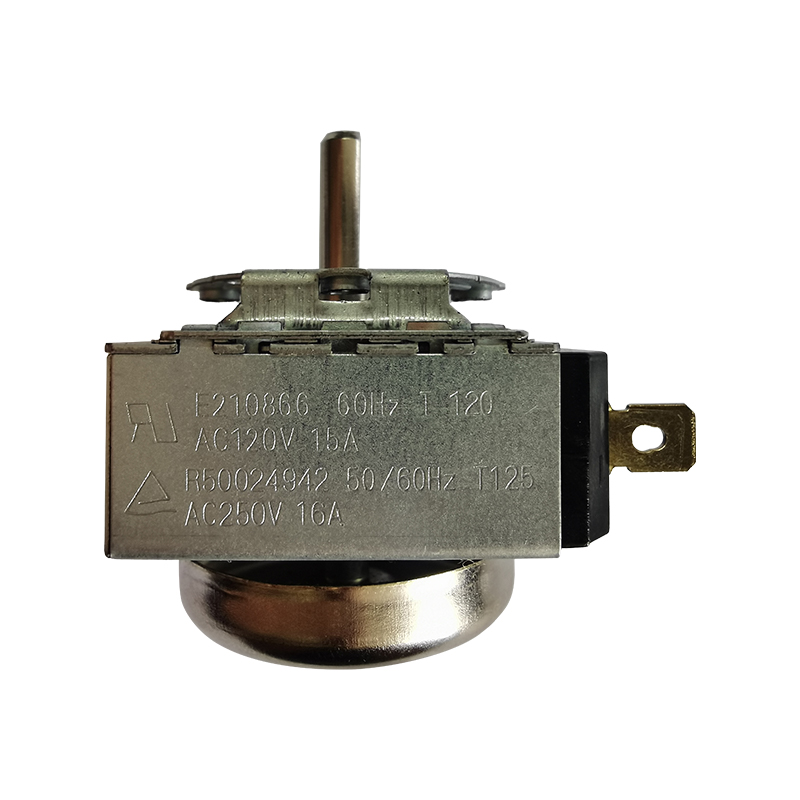 SL Oven Mechanical Timer Without Bell, CE/TUVAn oven mechanical timer without bell, carrying CE and TUV marks; check available range combinations against the panel design before freezing specifications.View Product →
Pick SL-X when torque and long ranges dominate, pick SLS-X when depth is tight and resolution matters, and check the available range combinations before the panel design is frozen.
A mechanical timer is a passive component, but the appliance it sits in still has to clear a safety review, and the reviewer will ask for evidence about the switching parts. That is why product pages on manufacturer sites carry mark references such as UL, CE, TUV and DKJ against specific models rather than against the company as a whole. The mark applies to a scope, and the scope is a list of model numbers and ratings.
The first question for any supplier is therefore not whether they are certified but what exactly the certificate covers. Ask for the file number, the certificate holder, the issue and expiry dates, and the model list. Then compare that list against the part number on your purchase order, letter by letter. It is common to find that a certificate covers a 60-minute with-bell model while the order is for a 90-minute without-bell variant in the same housing, and that difference can matter to a reviewer even when the internal mechanism is similar.
The second question is which market each mark serves, because an appliance programme rarely ships to one country. UL is typically requested for North American channels, CE for the European Union, and TUV marks often appear where a European retailer or a safety reviewer wants a third-party component assessment. The DKJ references on some models appear alongside the others and should be clarified with the supplier rather than assumed, since the scope and issuing body are not described on the product pages.
Beyond safety, buyers should plan for material compliance. RoHS and REACH documentation for the housing, contacts and lubricant is increasingly part of an appliance OEM's own supplier requirements, and it is far easier to collect at the sample stage than to chase after the tooling is cut. A supplier that already maintains a document pack for these enquiries will usually also be better organised on change notification, which is the next thing an auditor looks at.
| Appliance | Typical dial range | Bell option | Main specification focus |
|---|---|---|---|
| Air fryer | 30 to 60 minutes | With or without | Thermal cycling, UL and CE scope |
| Free-standing oven | 60 minutes round | Optional | Panel cutout, shaft length, knob retention |
| Built-in oven | 60 or 90 minutes | Usually without | CE and TUV scope, ambient rating |
| Electric steamer | 180 minutes | With bell | Long-range spring stability |
| Electric pressure cooker | 100 or 120 minutes | Without | Knob torque, contact load |
| Egg cooker | 15 minutes | Without | Dial resolution, low cost body |
| Deep fryer | 60 minutes | Optional | Heat and oil vapour resistance |
| Disinfection cabinet | 30 or 60 minutes | Optional | Humidity and sealing |
| Sterilizer | 20 to 30 minutes | Optional | Sustained high temperature |
| Medical device | 5 to 15 minutes | Without | Repeatability, CE and UL evidence |
Use the table as an enquiry template rather than a fixed rule. It compresses the discussion into four columns that a supplier can answer directly, and it exposes gaps early, for example when an appliance is planned for two export markets but the chosen model only holds one mark. Adding a second certification to a mature platform is usually straightforward; retrofitting it after a launch is not.
Match the certificate model list to the exact part number on the order, and confirm which mark each target market actually requires before tooling begins.
An audit of a mechanical timer factory is not the same as an audit of an electronics assembler. There is no reflow line, no firmware repository and no ESD discipline to inspect. The important evidence sits in tooling ownership, metal forming, gear cutting, spring winding, lubrication control and end-of-line testing, plus the metrology that proves the settings hold over time. The following sequence works well for a first visit and can be compressed into a document review for an existing supplier.
The answers matter more than the certificates on the wall. A manufacturer with an organised document pack, a clear change notification process and a realistic capacity statement is usually easier to work with than one that simply holds a large mark library. Scale helps here: a plant of more than 40,000 square metres with over 800 staff and a dedicated engineering group of more than 80 people can generally absorb a new appliance programme without disturbing existing lines, provided the enquiry arrives before the seasonal peak.
For buyers sourcing from overseas, the audit should also cover communication. Who is the technical contact, in what language, and how quickly do drawing revisions come back? On a component this small, the difference between a good and a poor supplier is often measured in how many drawing iterations it takes to get the shaft flat in the right place.
Audit the tolerance chain and the change notification process, because on a mechanical cook timer those two things predict field returns better than any certificate on the wall.
Most timer complaints that reach an appliance service desk are not accuracy complaints. They are mechanical or electrical, and they cluster around a small number of patterns that are well understood at the component level. Knowing them before the design freeze is cheaper than discovering them in a warranty review.
Each of these has a design answer rather than an inspection answer. A reinforced end stop removes the over-torque break. A sealed shaft and a defined drain path remove the moisture path. A stated ambient rating removes the guesswork on housing material. A loaded life test at temperature removes most of the contact and lubrication uncertainty. The point is to place these decisions in the specification, where they cost a drawing revision, rather than in the warranty, where they cost a containment programme.
There is also a user-education component that appliance makers can borrow cheaply. A dial that reads zero at the end of its travel and a knob that resists over-rotation give the user physical feedback about the correct gesture. A short note in the manual about turning the knob only to the required mark, and not beyond, prevents a meaningful share of spring fatigue complaints without any change to the part.
Nearly every timer field failure has a design countermeasure, so treat the failure list as a checklist to close during specification rather than a service procedure to write afterwards.
The unit price of a cook timer is only one line in the total cost of owning it. Tooling amortisation, certification allocation, incoming inspection, line stoppage risk and warranty exposure all sit on the same ledger, and on a component worth a few yuan each, the inspection and risk lines can easily outweigh the price difference between two suppliers. Buyers who compare only the quotation usually revisit the decision within a year.
Order quantity works differently for mechanical timers than for standard electronic parts. Each combination of dial range, bell option, shaft length, panel fixing and certification creates a variant with its own setup, so minimum order quantities are usually quoted per variant rather than per platform. That is not a commercial trick; it reflects the reality of changeover on a mechanical assembly line. A buyer who can consolidate variants, for example by standardising the shaft across three appliance models, often unlocks a better quantity break than by negotiating a discount on each line separately.
Wholesale and distribution arrangements add a further layer. An importer or a regional distributor will want a price that supports stock holding, and that generally means an annual volume commitment rather than a per-order quantity. In return, the buyer should expect predictable lead times, a stable part number that does not change silently, and spare parts availability for the service network. Those three terms are worth more than a small percentage on the invoice, particularly for appliances with a five-year service life.
Payment, Incoterms and shipping are routine but worth stating plainly. Mechanical timers are light and compact, so freight is rarely the deciding factor; the deciding factor is usually whether the packaging protects the shaft through a long sea voyage and whether the documents arrive in time for customs. For European and North American programmes, an experienced exporter that already ships to Korea, Turkey, Brazil, Saudi Arabia and Egypt will usually have the paperwork routine in place, which reduces the risk of a clearance delay on the first shipment.
Compare total cost of ownership including tooling, inspection and warranty risk, and consolidate variants before negotiating, because quantity breaks follow setup reduction rather than persuasion.
A timer programme rarely ends with one part number. Most appliance makers start with a single model, validate it, and then extend across a family of products as the platform proves itself. That trajectory favours a supplier who can stay in the conversation from the first sample through the third variant, rather than a trader who sources by part number and disappears when the drawing changes.
The practical way to keep the conversation productive is to arrive with the grid described earlier: range, bell, shaft drawing, panel cutout, temperature class, target markets and annual volume per variant. A supplier that receives that pack can respond with a matched sample set and a realistic lead time, and the comparison between candidates becomes a comparison of answers rather than of catalogues.
Next steps for a cook timer programme
Send the panel drawing, the required dial range, the bell preference and the target market list, and ask for matched samples plus the certification file pack covering the exact models quoted.
Contact the manufacturer directly at the enquiry page for sample requests, technical drawings and volume quotations.
Arrive with a complete specification grid and the supplier conversation becomes a technical comparison instead of a price negotiation.
A cook timer is the mechanical or electronic device that runs the appliance's cooking cycle for a set number of minutes and then ends it. In a mechanical design, the user winds a spring, a gear train counts down, and a contact set opens at zero while a hammer may strike a bell. In a cook timer built for an oven or air fryer, the same mechanism is packaged in a heat-resistant housing with a shaft that passes through the control panel.
Accuracy is usually quoted as a tolerance across the dial rather than as a single figure, and it varies with range, temperature and load. A short-range timer resolves finer increments than a long-range one, and a unit tested at room temperature may behave differently near a hot cavity. Buyers should ask for the tolerance band, the test temperature and the cycle count behind it rather than accepting a single percentage.
Sometimes, but the qualification should not be assumed. Both categories use 30 to 90-minute ranges, yet an air fryer sees rapid thermal cycling in a dense cavity while an oven may see a longer steady soak. A platform qualified for one pattern is not automatically qualified for the other, so the honest answer depends on the test evidence rather than on the range alone.
A bell adds a gong, a hammer spring and assembly time, so it moves the unit cost and the internal height of the housing. Whether that is worth it depends on whether the appliance already has an electronic end-of-cycle signal. Where the timer is the only user feedback, the bell usually earns its cost; where a control board already beeps, the without-bell variant is the sensible choice.
It depends on the destination market. UL is commonly requested for North America, CE for the European Union, and TUV marks appear where a third-party component assessment is wanted. Some models on manufacturer sites also carry DKJ references. Confirm the certificate holder, file number, validity and the exact model list rather than relying on the mark shown on a web page.
There is no universal number, because the design life should match the appliance life and the expected use pattern. A timer on a daily-use air fryer and a timer on an occasional-use sterilizer face different expectations. Ask the supplier for the life test condition, including temperature and electrical load, and compare that condition to your own use case before accepting the figure.
It is normally quoted per variant, since each combination of range, bell, shaft and fixing has its own setup. Standard ranges and shafts usually carry lower minimums than a new dial printing or a bespoke shaft. Consolidating variants across several appliance models is the most reliable way to reach a better quantity break.
Often, within the limits of the gear train and the housing. A platform that already covers 60 and 90 minutes may be extendable to another value, but the change touches the reduction ratio, the dial printing and the test evidence. Any non-standard range should be confirmed in writing with a drawing and a sample, especially where a product page filename suggests a value that the page itself does not explain.
Most cook timer questions are answered by one document: the test and certification pack for the exact model, at the exact condition, for the exact market.
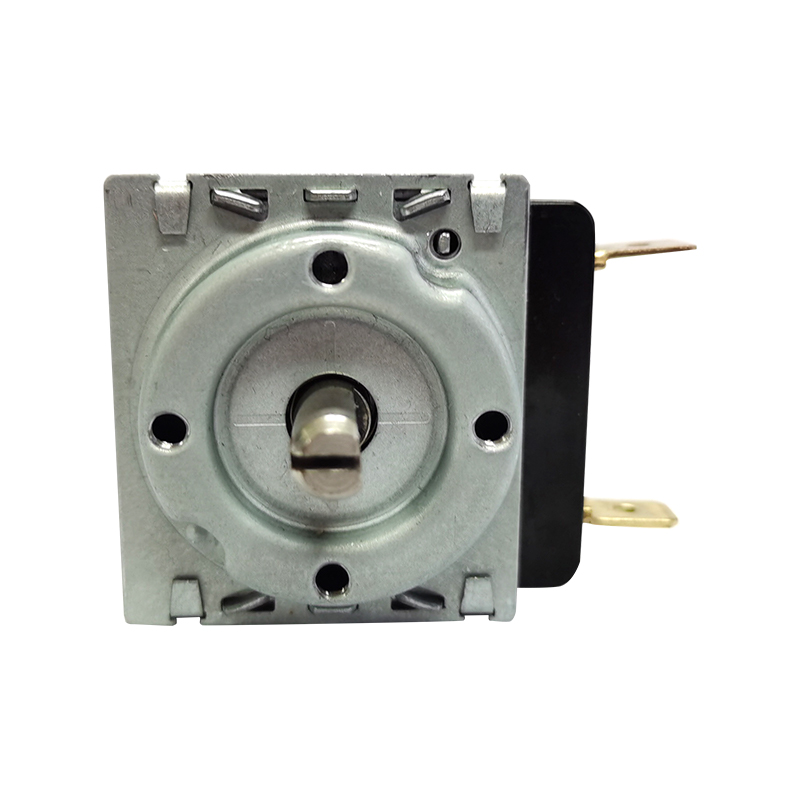
Time setting: 15', 20', 30', 60', 100',120', 180' or customized (1-180min timer range)Applicable: Microwave/Oven/Electric Pressure Cooker/Kitchen Mach...
See Details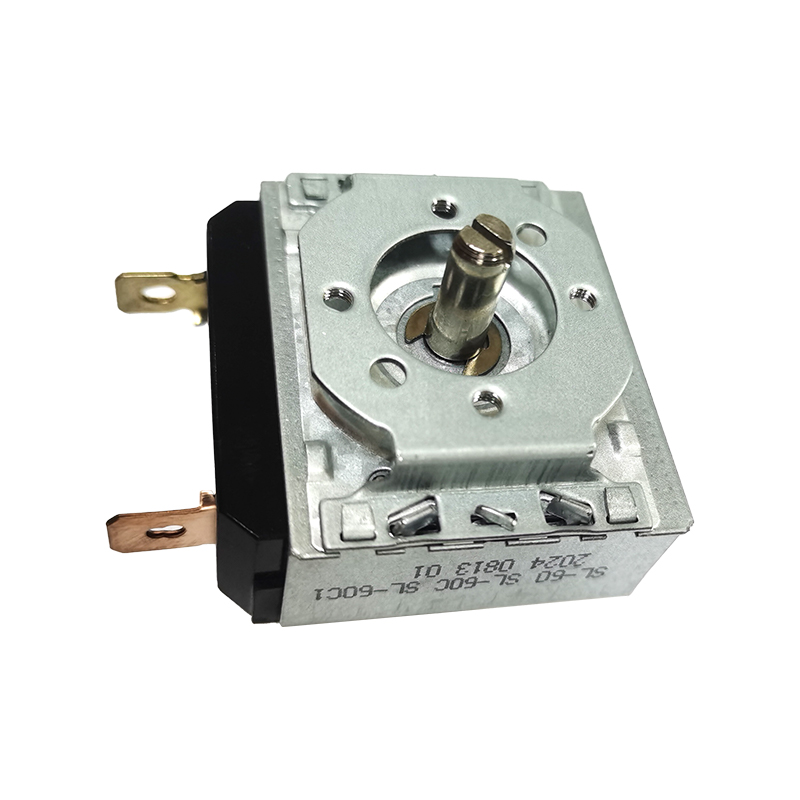
Time setting: 15', 20', 30', 60', 100',120', 180' or customized (1-180min timer range)Applicable: Microwave/Oven/Electric Pressure Cooker/Kitchen Mach...
See Details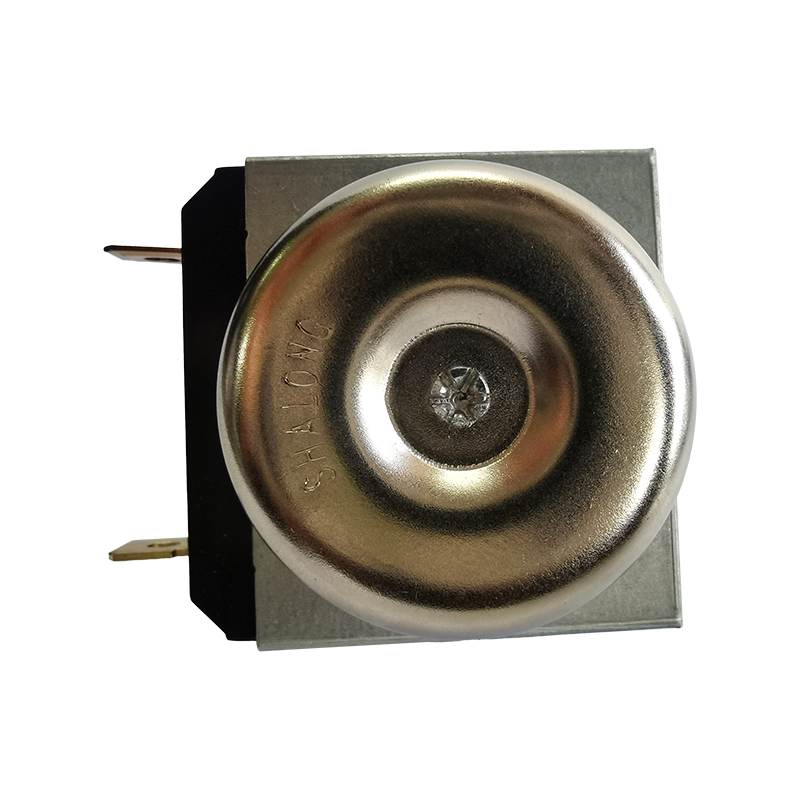
Time setting: 15', 20', 30', 60', 100',120', 180' or customized (1-180min timer range)Applicable: Microwave/Oven/Electric Pressure Cooker/Kitchen Mach...
See Details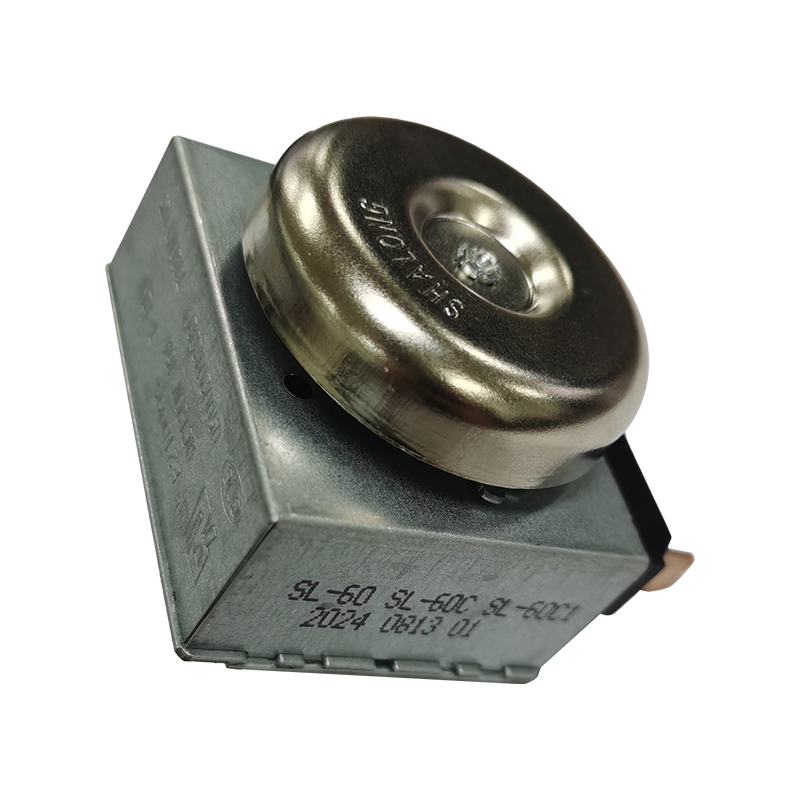
Time setting: 15', 20', 30', 60', 100',120', 180' or customized (1-180min timer range)Applicable: Microwave/Oven/Electric Pressure Cooker/Kitchen Mach...
See Details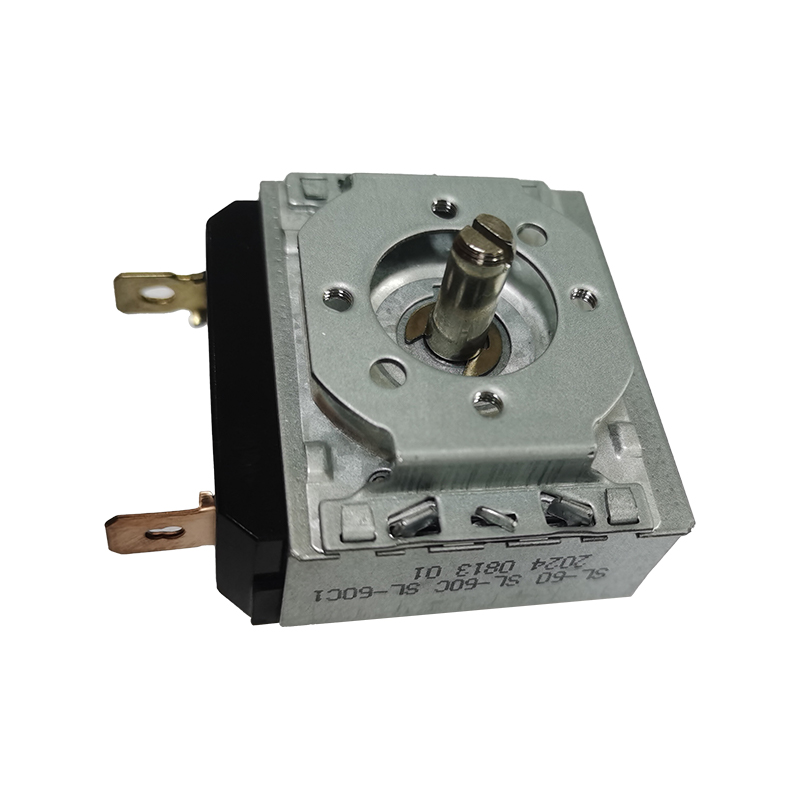
Time setting: 15', 20', 30', 60', 100',120', 180' or customized (1-180min timer range)Applicable: Microwave/Oven/Electric Pressure Cooker/Kitchen Mach...
See Details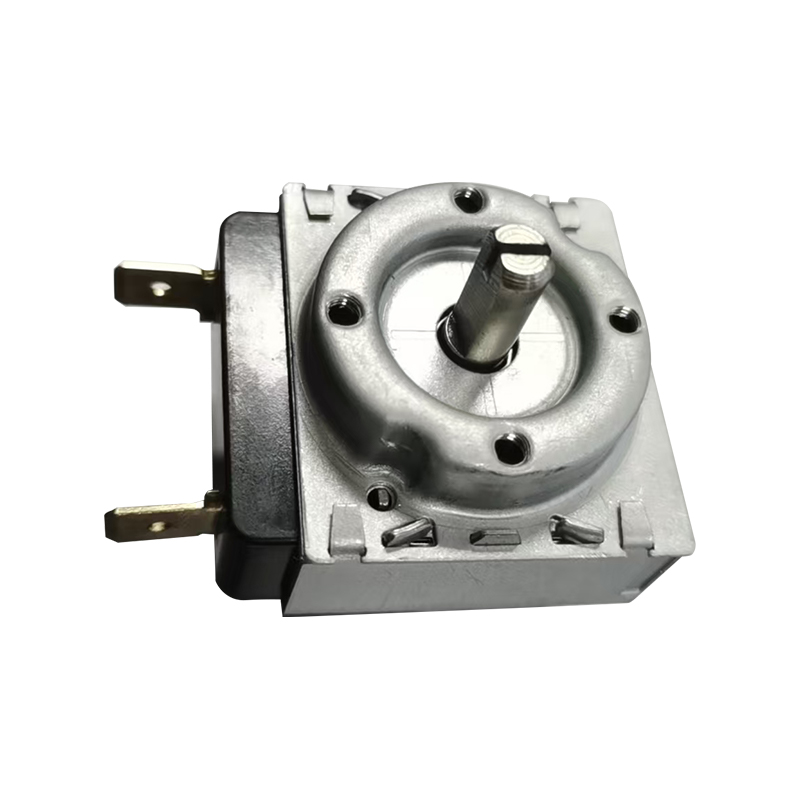
Time setting: 15', 20', 30', 60' or customized (such as 90 min)Applicable: Oven/Electric Pressure Cooker/Kitchen MachineContact capacity: AC 120V 15A;...
See Details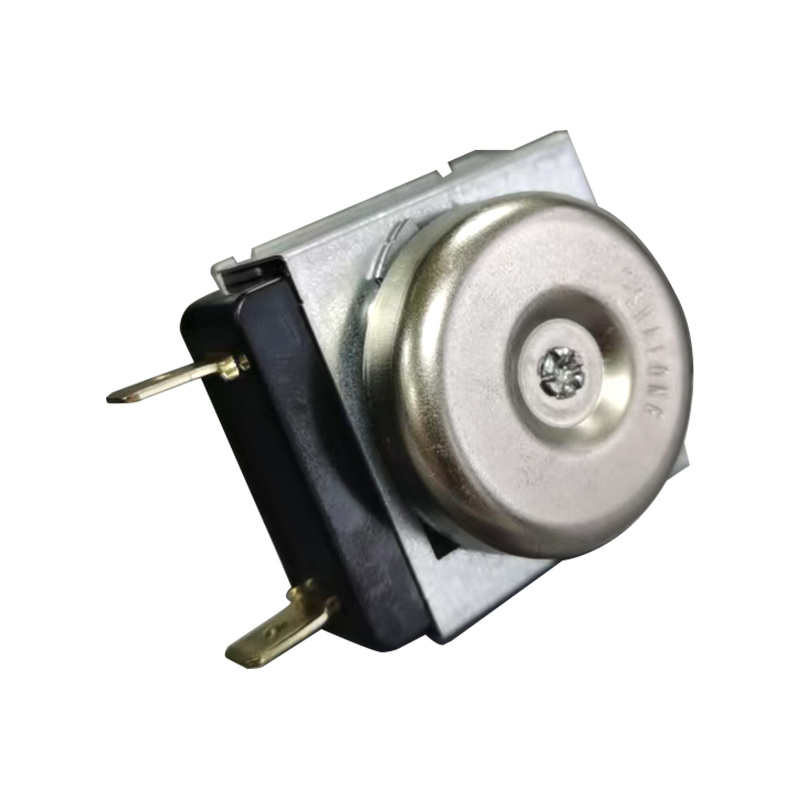
Time setting: 15', 20', 30', 60' or customized (such as 90 min)Applicable: Oven/Electric Pressure Cooker/Kitchen MachineContact capacity: AC 120V 15A;...
See Details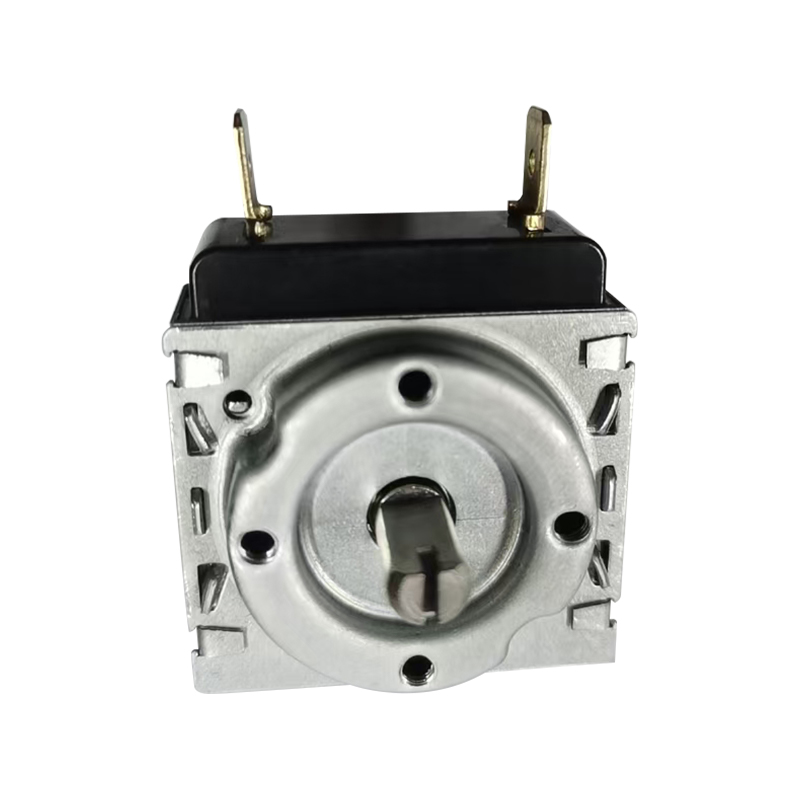
Time setting: 15', 20', 30', 60' or customized (such as 90 min)Applicable: Oven/Electric Pressure Cooker/Kitchen MachineContact capacity: AC 120V 15A;...
See Details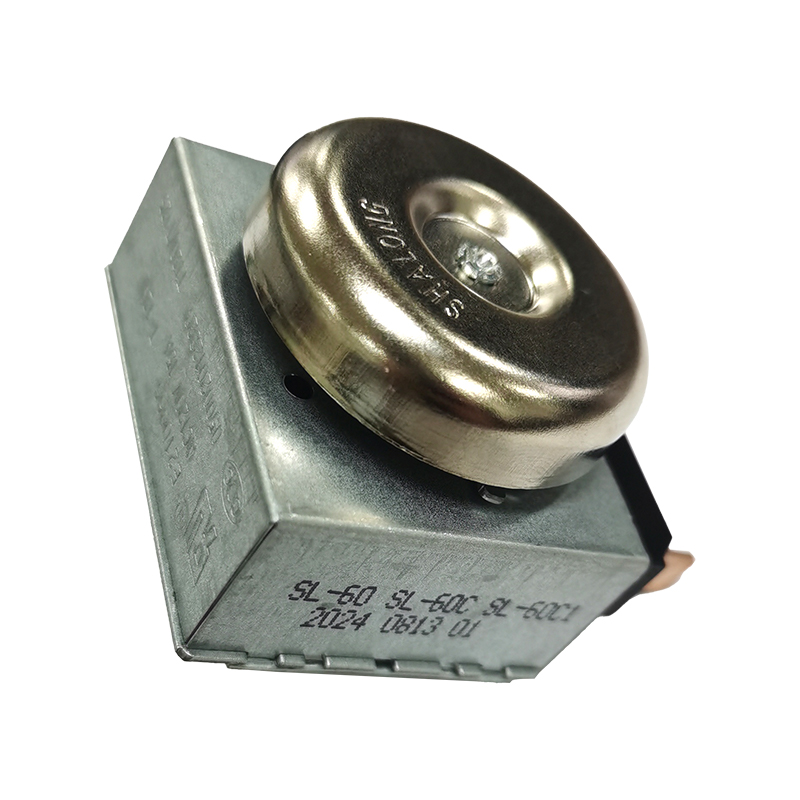
Time setting: 15', 20', 30', 60' or customized (such as 90 min)Applicable: Oven/Electric Pressure Cooker/Kitchen MachineContact capacity: AC 120V 15A;...
See DetailsCopyright ? JIANGSU SHALONG MECHANICAL & ELECTRICAL TECHNOLOGY CO.,LTD. All Rights Reserved.
Custom Metal Mechanical Timers Supplier